


Design Destinations | Hotel du Couvent
In the heart of Nice’s Old Town, Hôtel du Couvent unfolds behind the walls of a seventeenth-century convent. Limewashed interiors, vaulted ceilings and terraced gardens create a setting shaped by centuries of daily ritual, thoughtfully reimagined for a new generation of guests.
Opened in June 2024, the hotel is the result of a ten-year restoration led by Valéry Grégo, founder of Perseus Group. Working with Studio Mumbai, Studio Méditerranée and Festen Architecture, Grégo has created a destination where the building’s history informs its architecture, furnishings, food and cultural life.


Guided by the Past
The convent’s origins date to the early 1600s, and its transformation retains a strong connection to the simplicity and resourcefulness of monastic life. Original vaults, arches and cloistered passages shape the experience of moving through the property, with courtyards offering moments to pause along the way.
Studio Mumbai and Studio Méditerranée restored historic features and introduced materials that belong naturally to the setting. Across the four-building estate, enclosed rooms open onto courtyards and gardens, preserving the relationship between shelter and open space.
The restoration also brings former daily practices back into use. The kitchen occupies its original position, the centuries-old bakehouse has been reinstated, and a herbalist shop once established by the nuns has returned to the central cloister. These spaces give the property’s history an active role in its present.

A Considered Collection
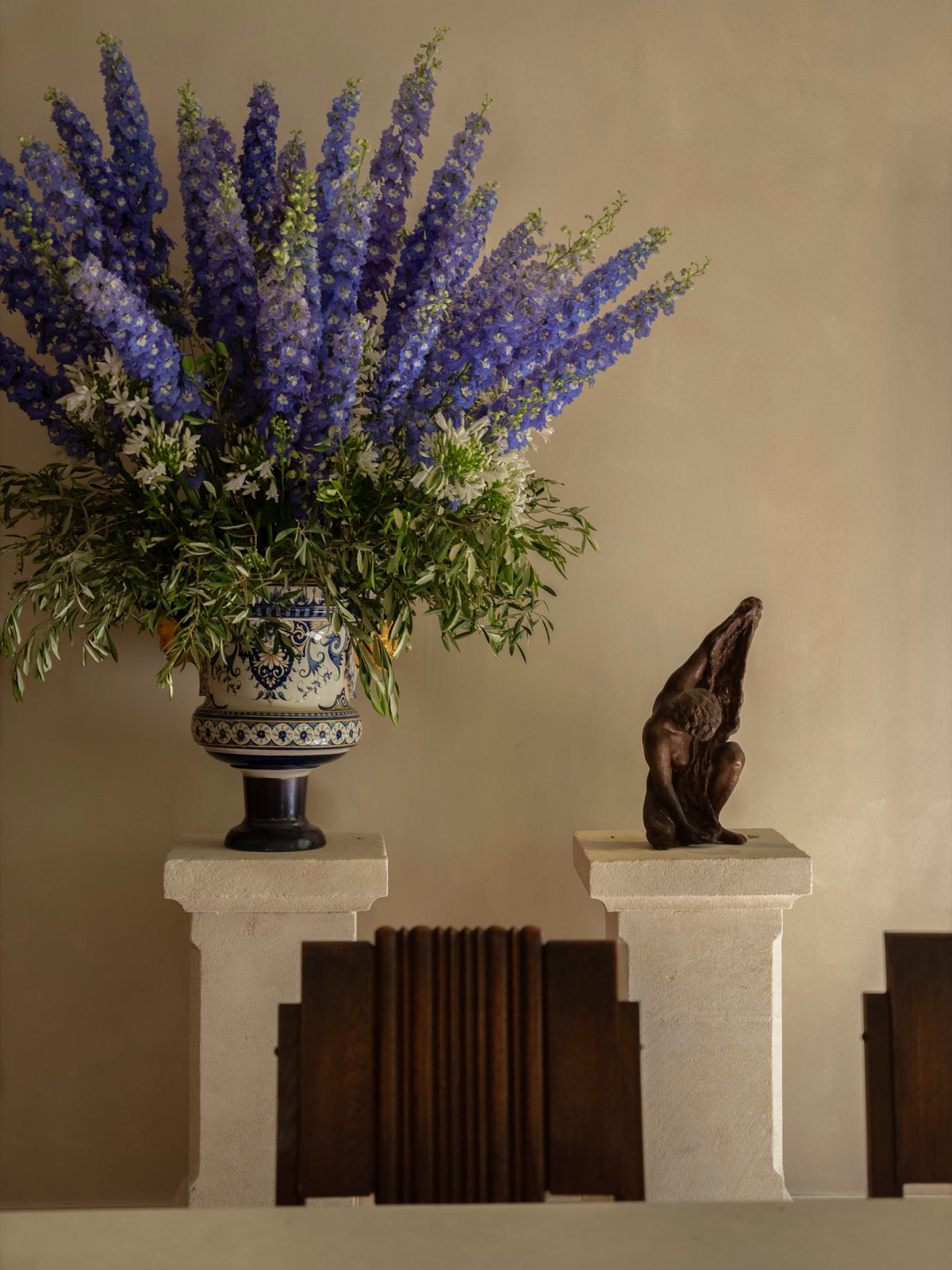
Designed by Festen Architecture, the interiors bring together bespoke pieces and period antiques, selected for their form, material and relationship to each room. Timber furniture and timeworn finishes introduce warmth, creating an intimate, residential atmosphere that suggests an interior assembled gradually over time.
Thoughtful placement allows the historic architecture to remain central. A vaulted ceiling defines a room; an antique gives character to a quiet corner. Furnishings complement the building’s proportions and surfaces, with craftsmanship and subtle variations between pieces rewarding closer attention.
Thoughtful placement allows the historic architecture to remain central. A vaulted ceiling defines a room; an antique gives character to a quiet corner. Furnishings complement the building’s proportions and surfaces, with craftsmanship and subtle variations between pieces rewarding closer attention.


Rooms That Open Outwards
The hotel’s 88 rooms and suites look towards the gardens, Old Town or harbour, connecting each interior to a different aspect of Nice. In the Garden Suite and Cloister Terrace Suite, private outdoor spaces offer places to read, gather or enjoy the changing light.
There are no televisions in the rooms. Reading spaces take their place, encouraging guests to settle in and enjoy the room itself as much as the view beyond it.
There are no televisions in the rooms. Reading spaces take their place, encouraging guests to settle in and enjoy the room itself as much as the view beyond it.

A Garden with Purpose
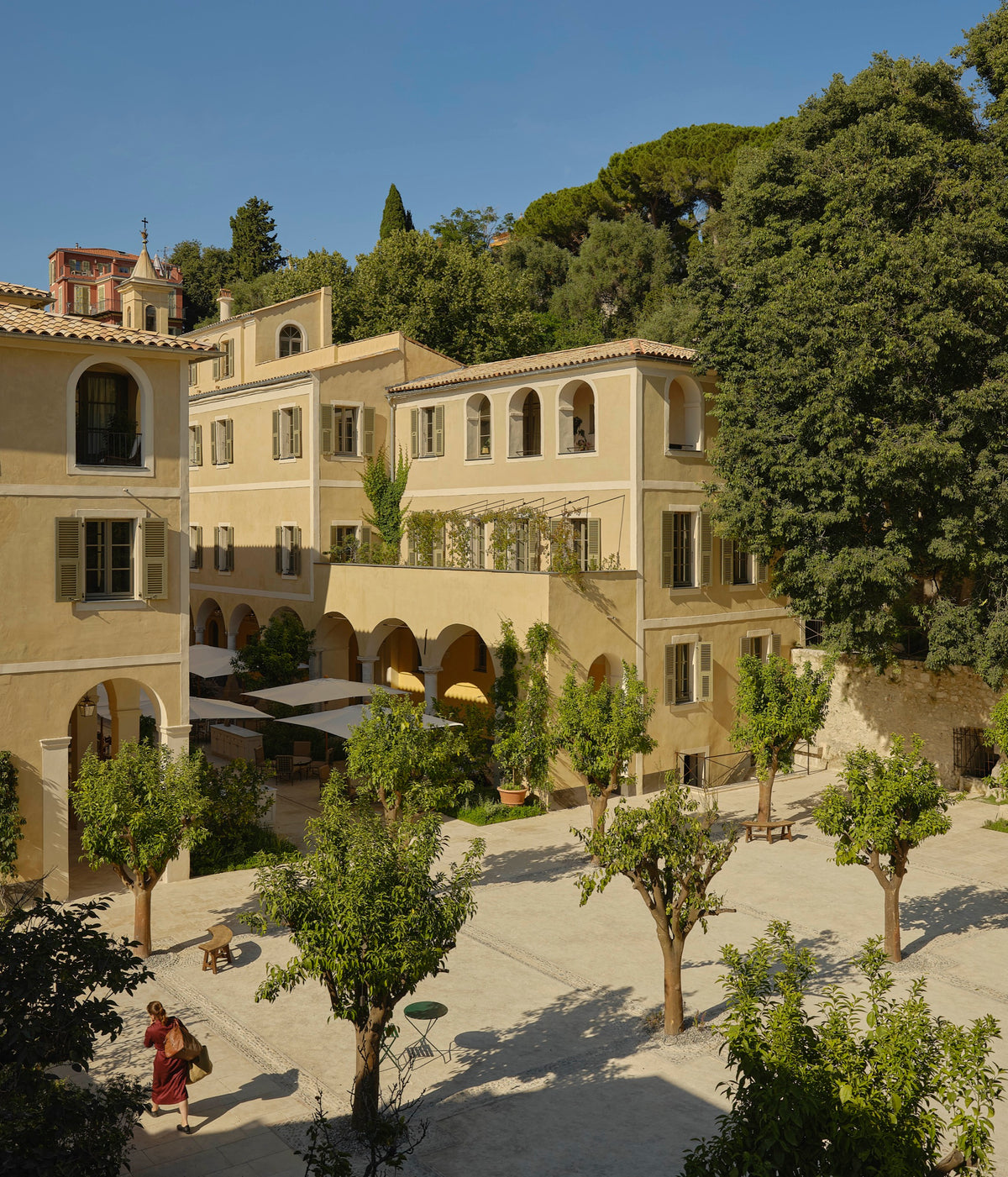
Set across 2.5 acres, the terraced gardens bring together more than 300 plant species, with herbs and produce supplying the kitchens, bar and herbalist shop. Their texture, fragrance and seasonal variation make the landscape a place to explore as well as a source of ingredients.
Led today by Gregory Unrein of Nice Organic, the revived herbalist shop continues the convent’s tradition of plant-based care. The relationship between growing, preparing and sharing extends to the hotel’s farm in Touët-sur-Var, which supplies produce for its three restaurants.
These traditions also shape the hotel’s calendar. In January, the bakehouse produces brioches and galettes for Epiphany, carrying a familiar seasonal ritual into the convent’s new life.


Culture in the Courtyard
Hôtel du Couvent’s cultural programme draws on its setting as closely as its design. The library offers a connection to Nice’s artistic heritage, while performances bring contemporary creative life into the historic spaces.
Les Nuits de la Danse, developed in collaboration with Aurélie Dupont, places dance in the Cour des Orangers. The courtyard becomes a stage, with the surrounding architecture and gardens contributing to the experience.
Farmers’ markets, open-air events and visiting-chef residencies create further occasions to gather, bringing a social dimension to the property and opening its quieter spaces to the energy of communal life.

An Enduring Sense of Place
The Roman-inspired thermal baths draw another thread through the region’s history, referencing the ancient bathing complex at Cimiez. A sequence of hot, temperate and cold spaces creates an experience shaped by water, temperature and movement, while the Movement Studio continues the hotel’s focus on physical wellbeing.
For design-minded travellers, Hôtel du Couvent’s appeal lies in the relationships it makes visible: between a piece of furniture and an old wall, a room and its garden, a historic building and the community around it. The care given to these connections creates a place that invites guests to slow down and appreciate what surrounds them.
For design-minded travellers, Hôtel du Couvent’s appeal lies in the relationships it makes visible: between a piece of furniture and an old wall, a room and its garden, a historic building and the community around it. The care given to these connections creates a place that invites guests to slow down and appreciate what surrounds them.