What to look for in rugs
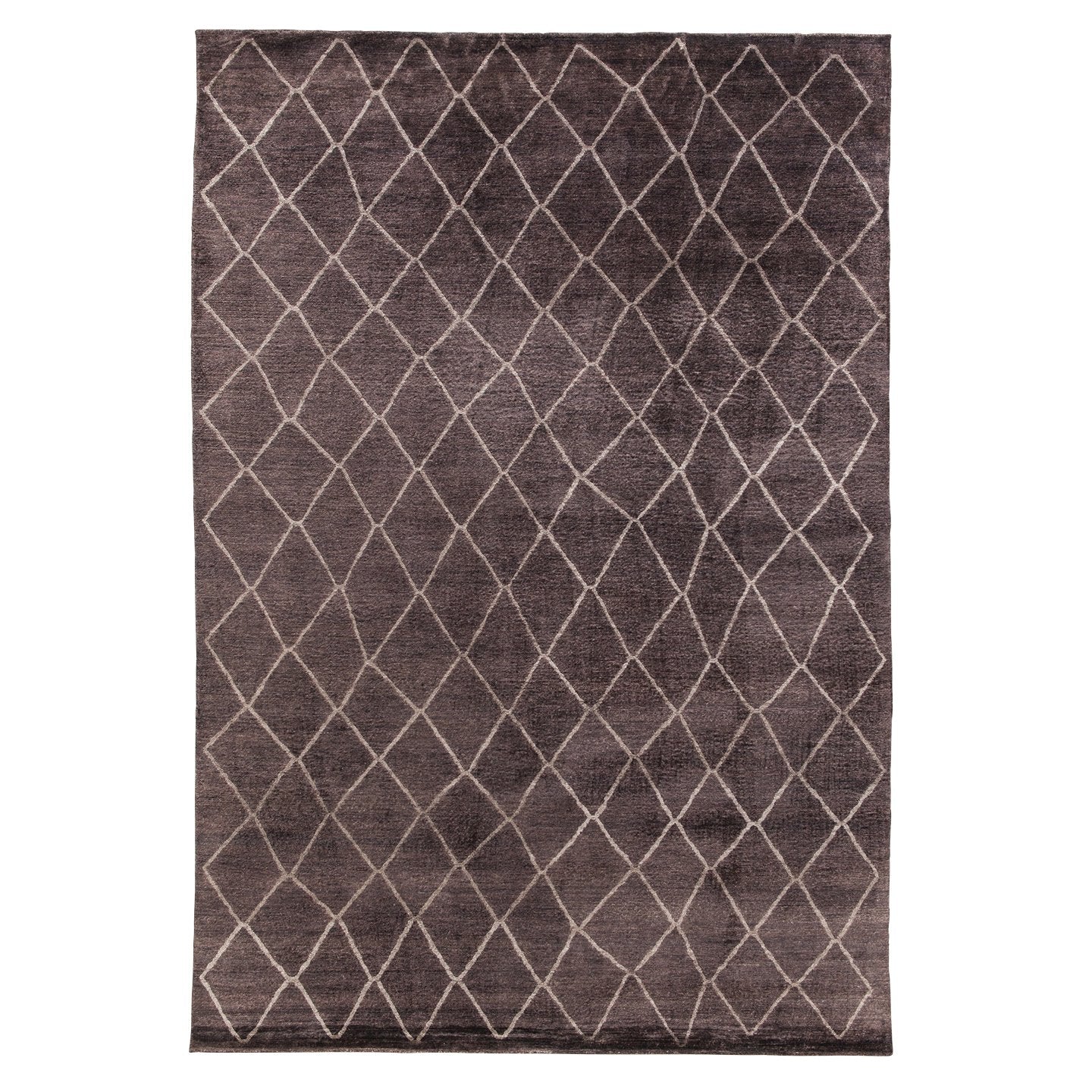
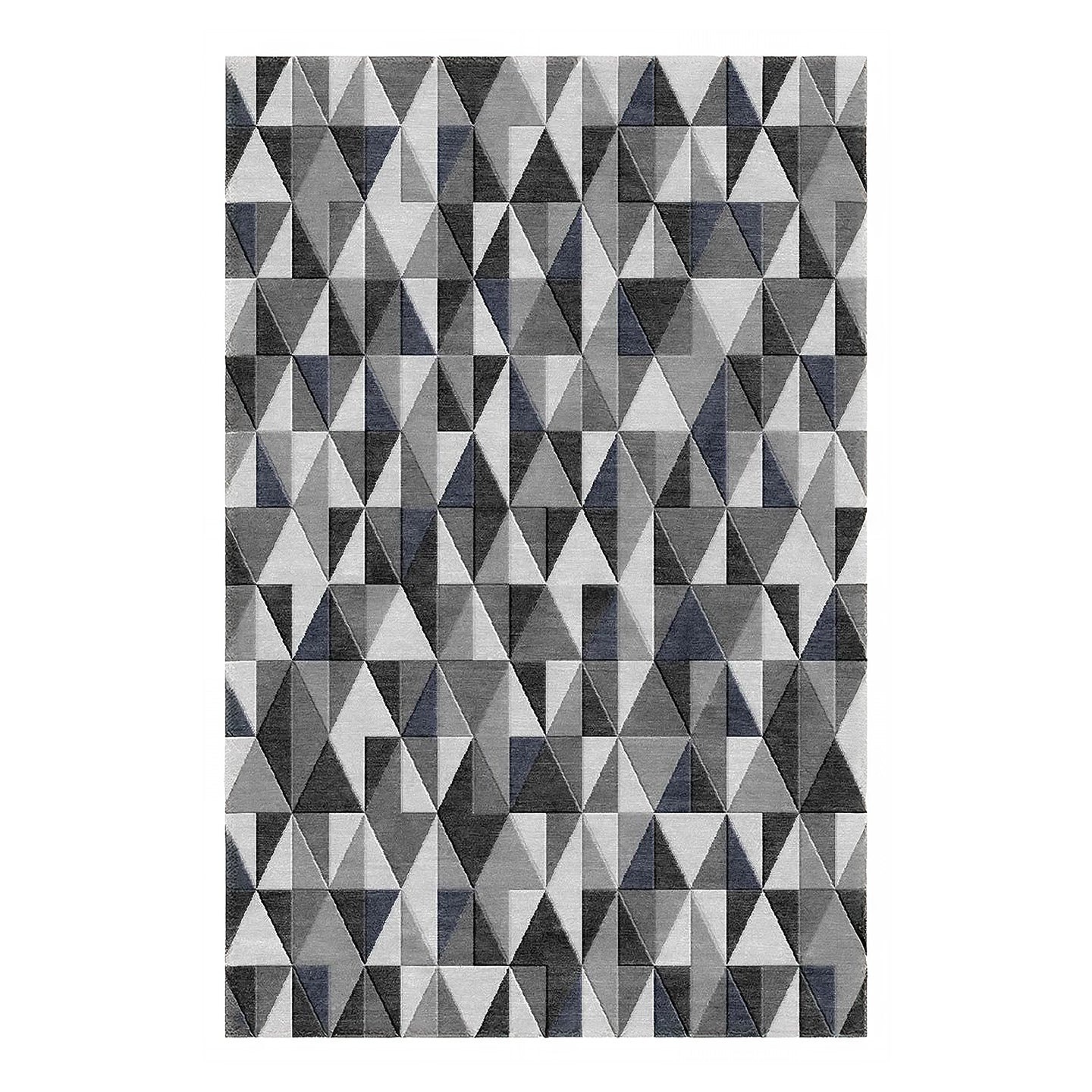
Tonal rugs create a calm foundation for sculptural furniture, while stronger pattern or colour can connect upholstery, art and timber finishes across an open-plan room.
Materials and craftsmanship
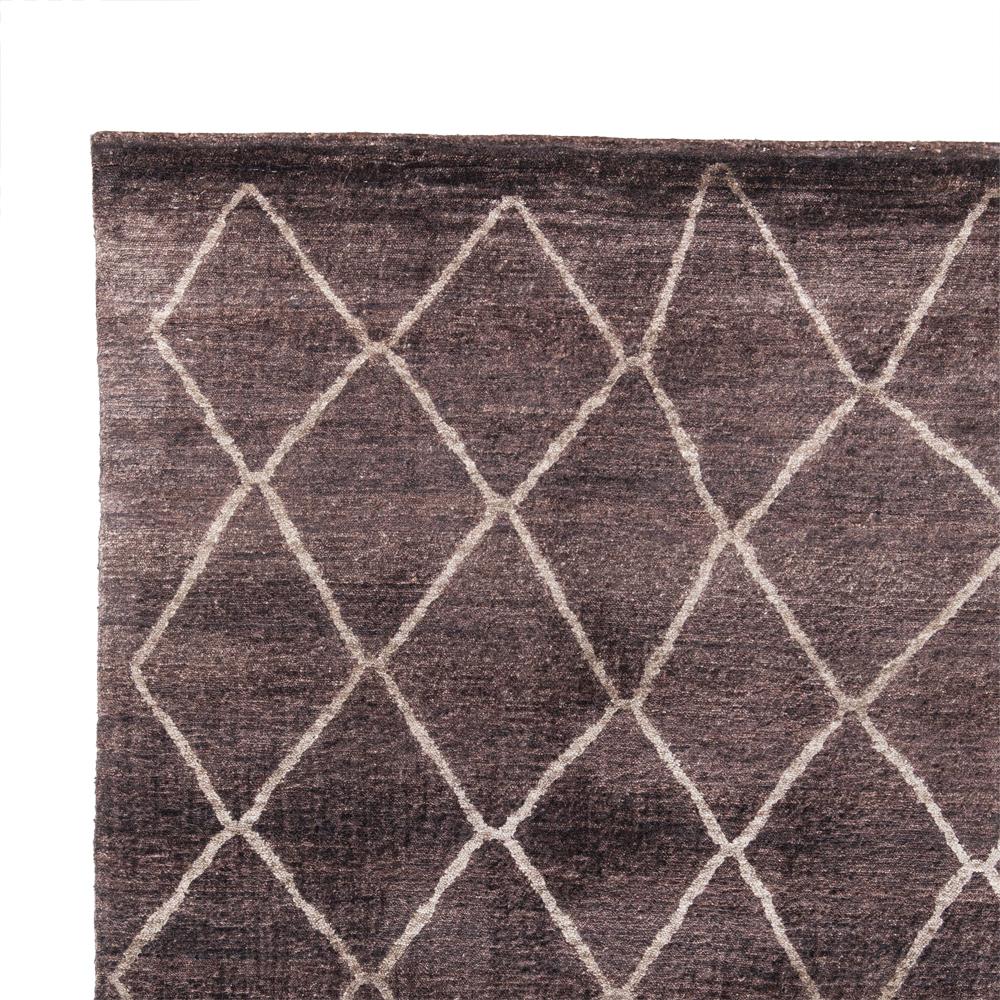
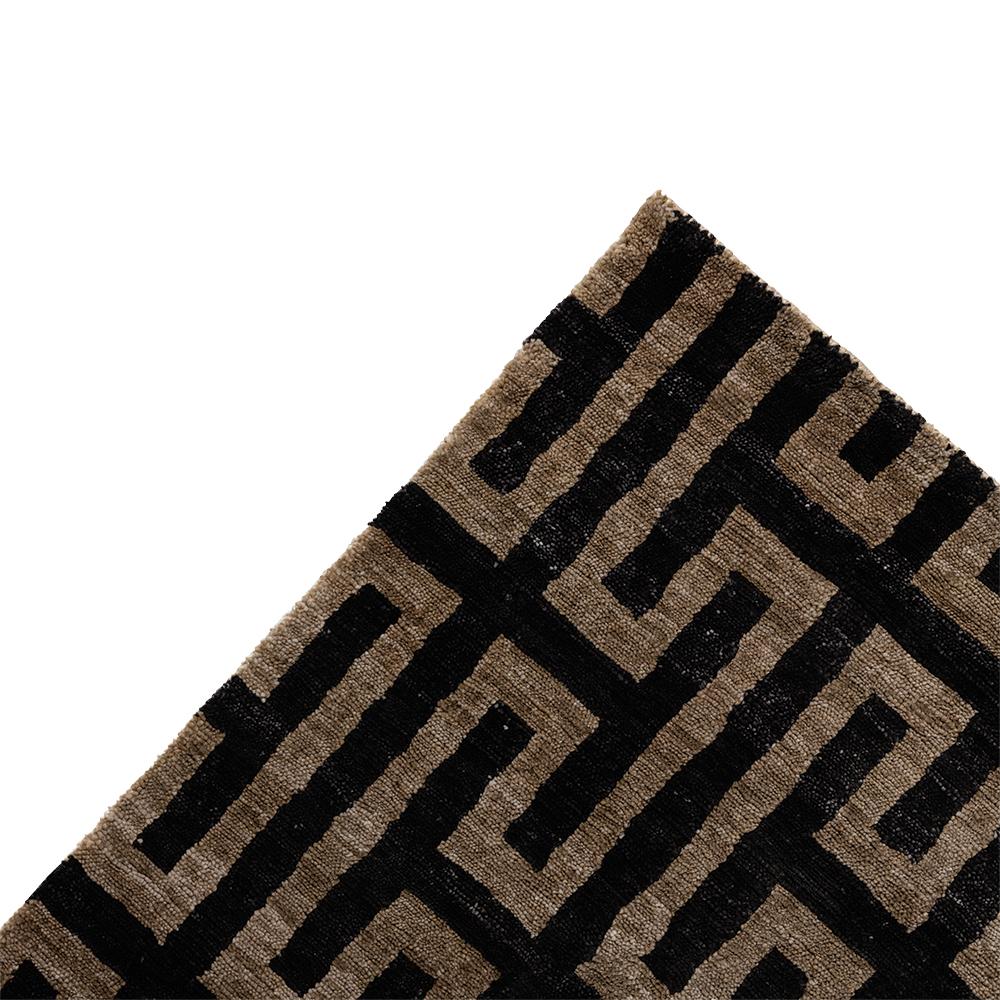
The collection draws on woven and velvet. Artisan detailing adds further texture and individuality. Surface, construction and detailing create a rich, collected presence across the rugs selection. Review the composition, weave, pile and care guidance of the selected rug for the intended setting.
Scale, placement and everyday use
Choose a rug large enough to connect the key furniture and anchor the arrangement. In living rooms, place at least the front legs of seating on the rug where possible. Dining rugs should extend beyond pulled-out chairs, while bedroom rugs should provide a comfortable landing around the bed. A suitable underlay improves stability and wear.
Frequently asked questions
What size rug should I choose?
Measure the complete furniture arrangement, not only the empty floor. Larger rugs usually make a room feel more cohesive, while a rug that is too small can make the layout appear disconnected.
What size rug works beneath a dining table?
Choose a rug that extends beyond the table far enough for chairs to remain on the rug when pulled out. Measure the table with the chairs in use before selecting the size.
Do I need a rug underlay?
An appropriate underlay can improve stability, comfort and wear while helping protect the floor below. Select one suited to both the rug construction and flooring material.