What to look for in sideboards
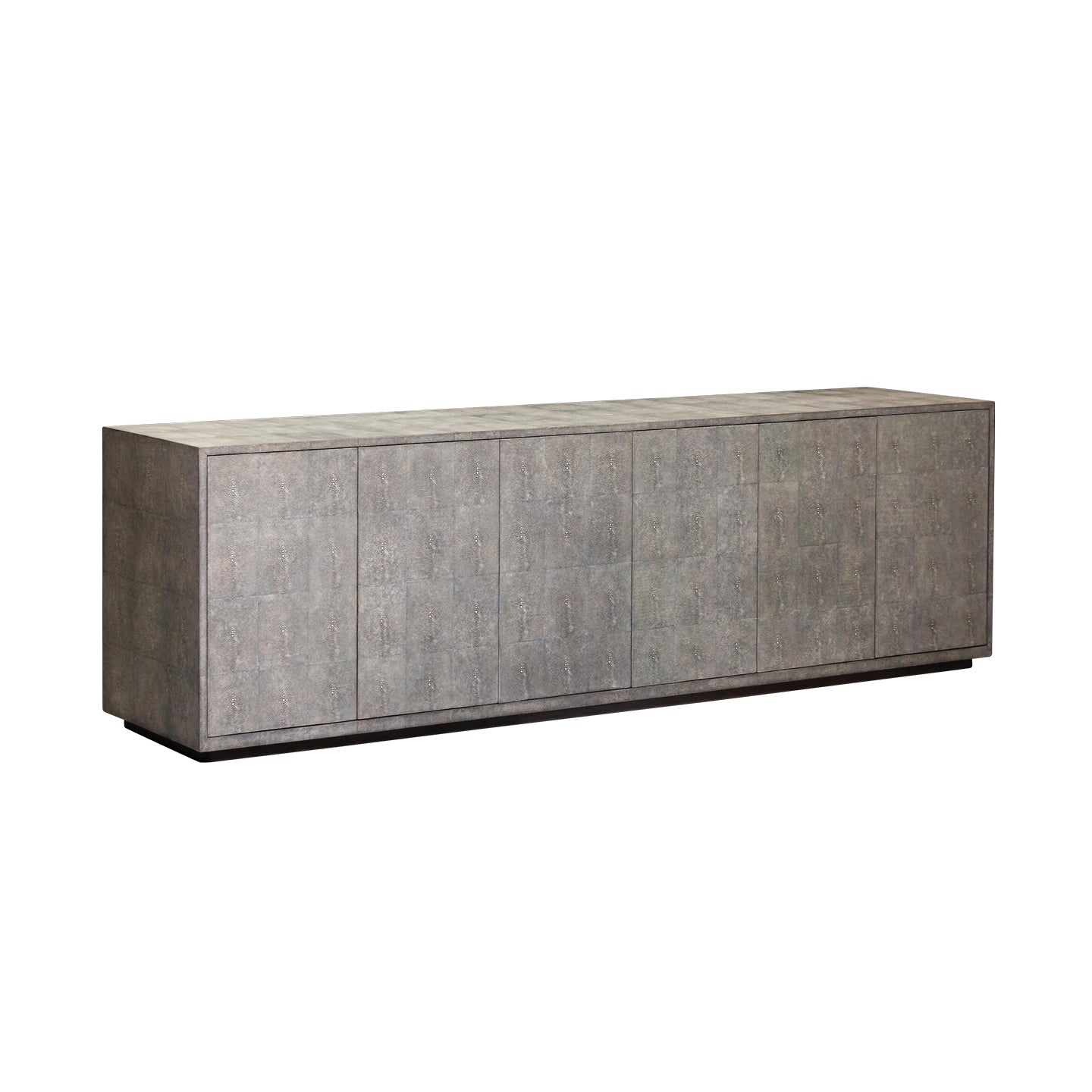
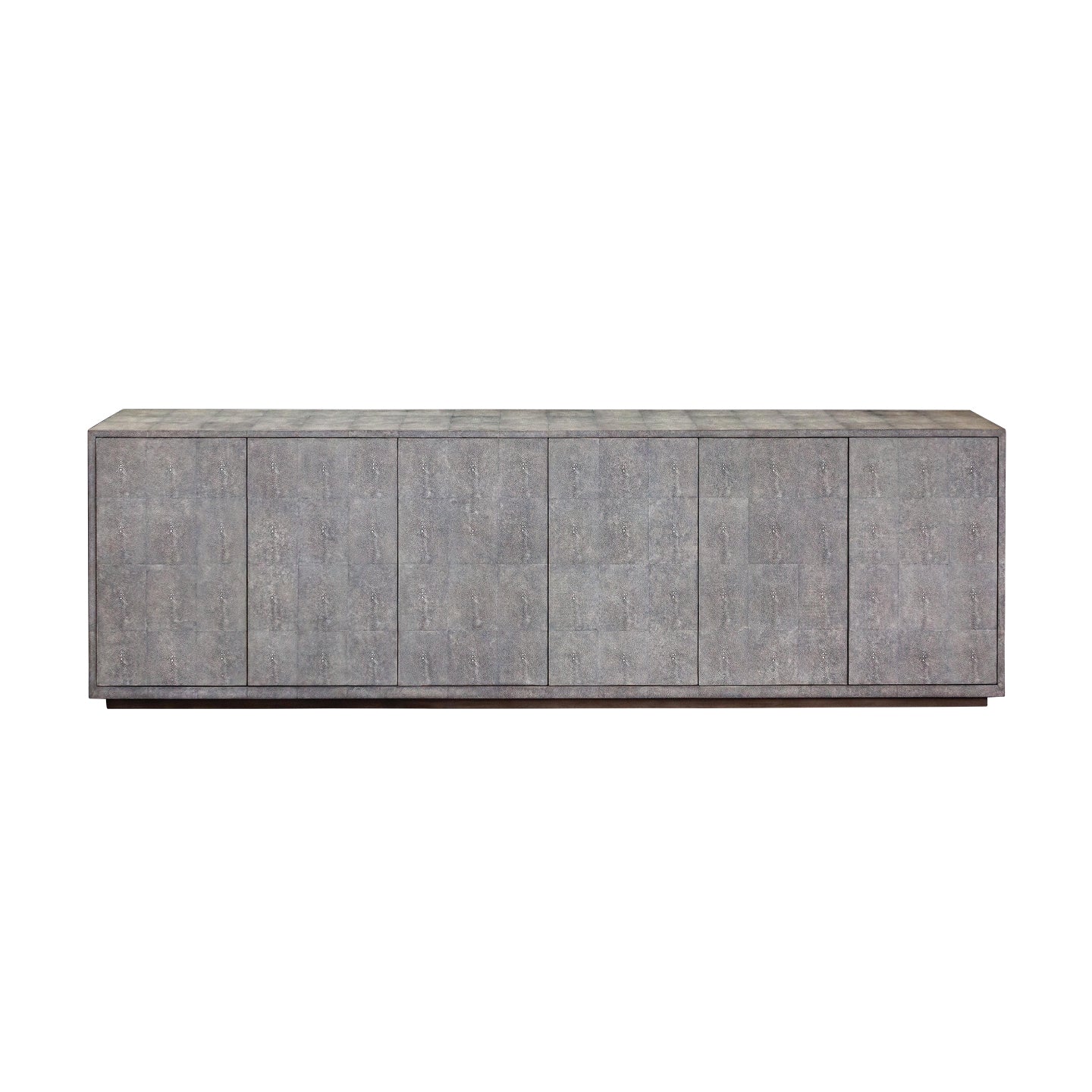
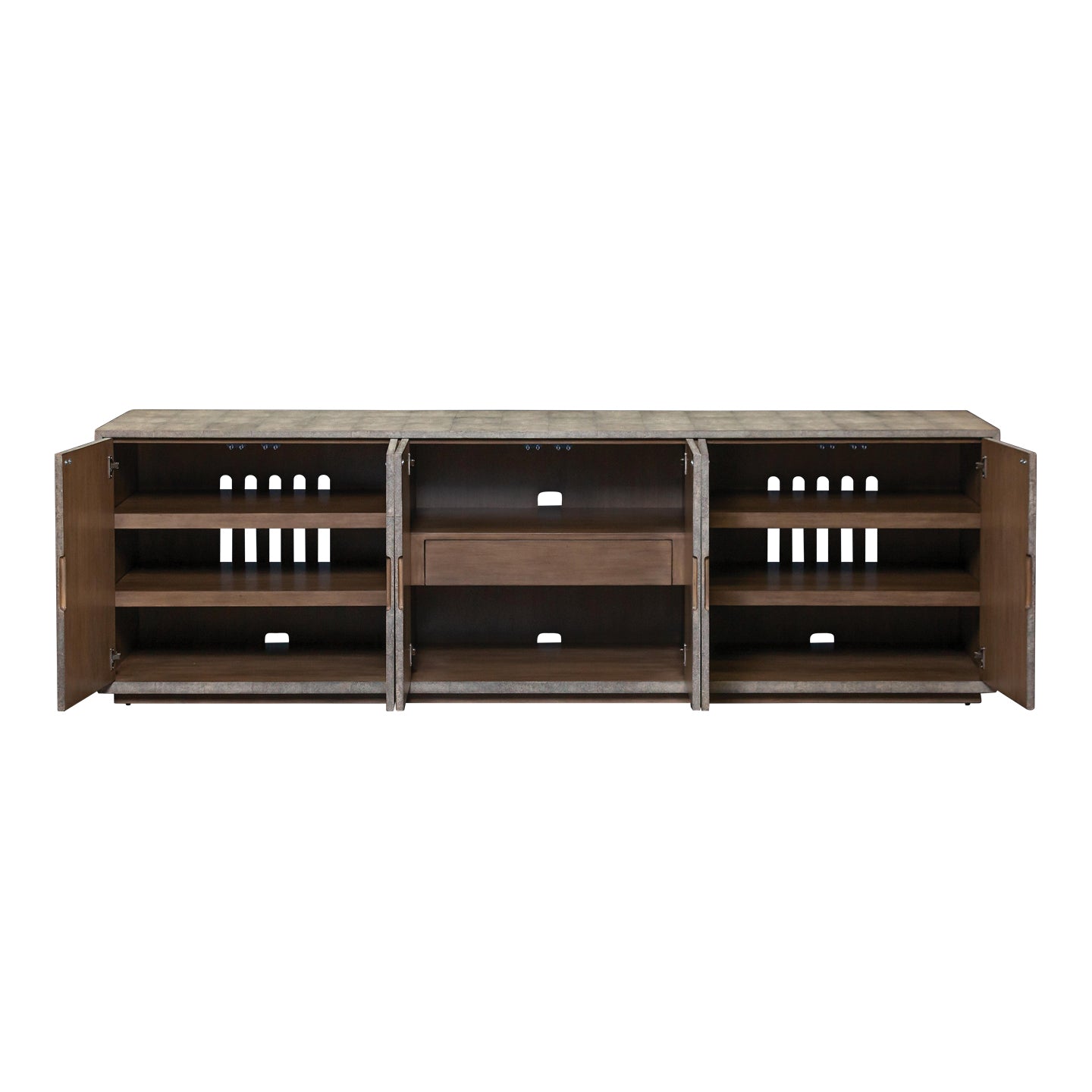
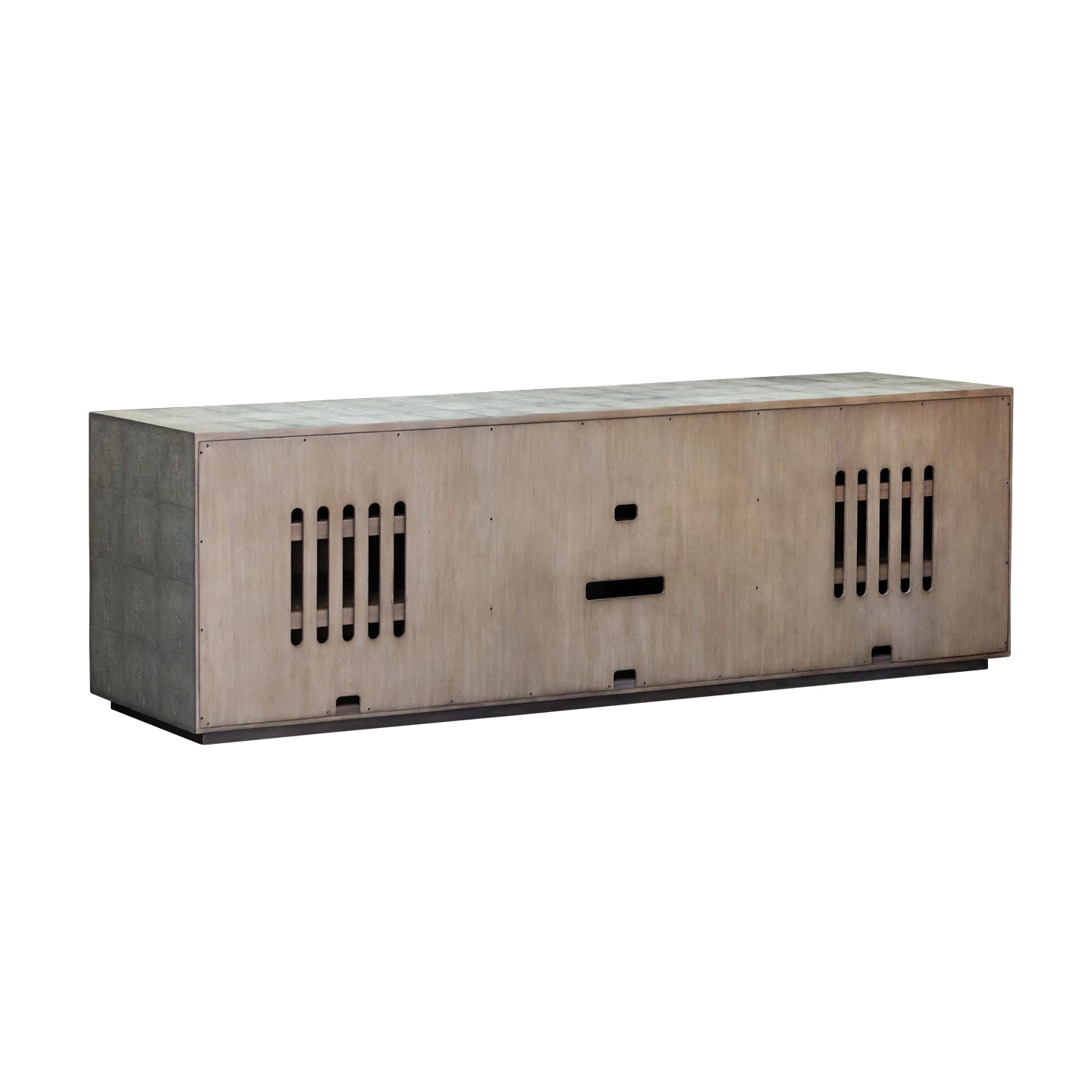
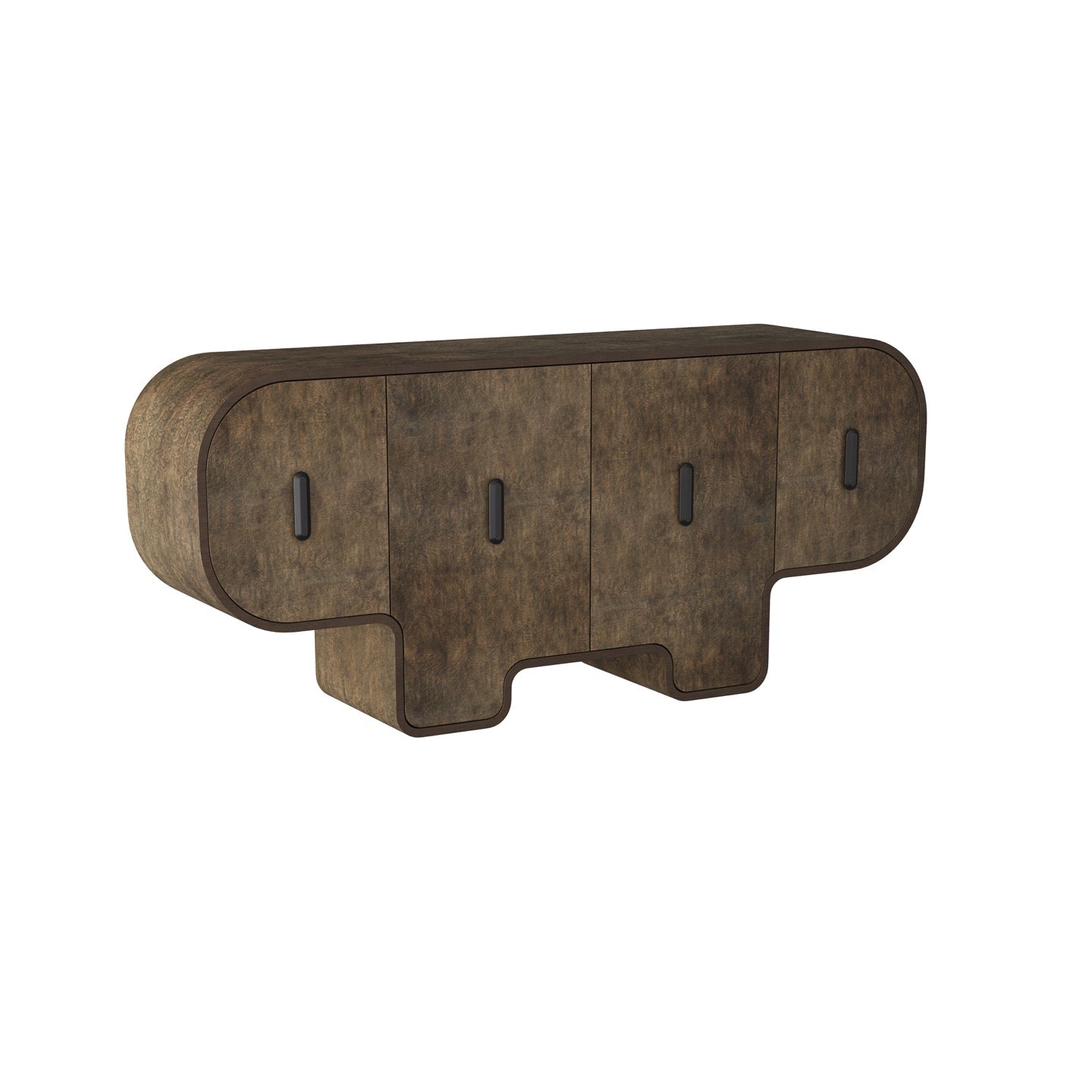
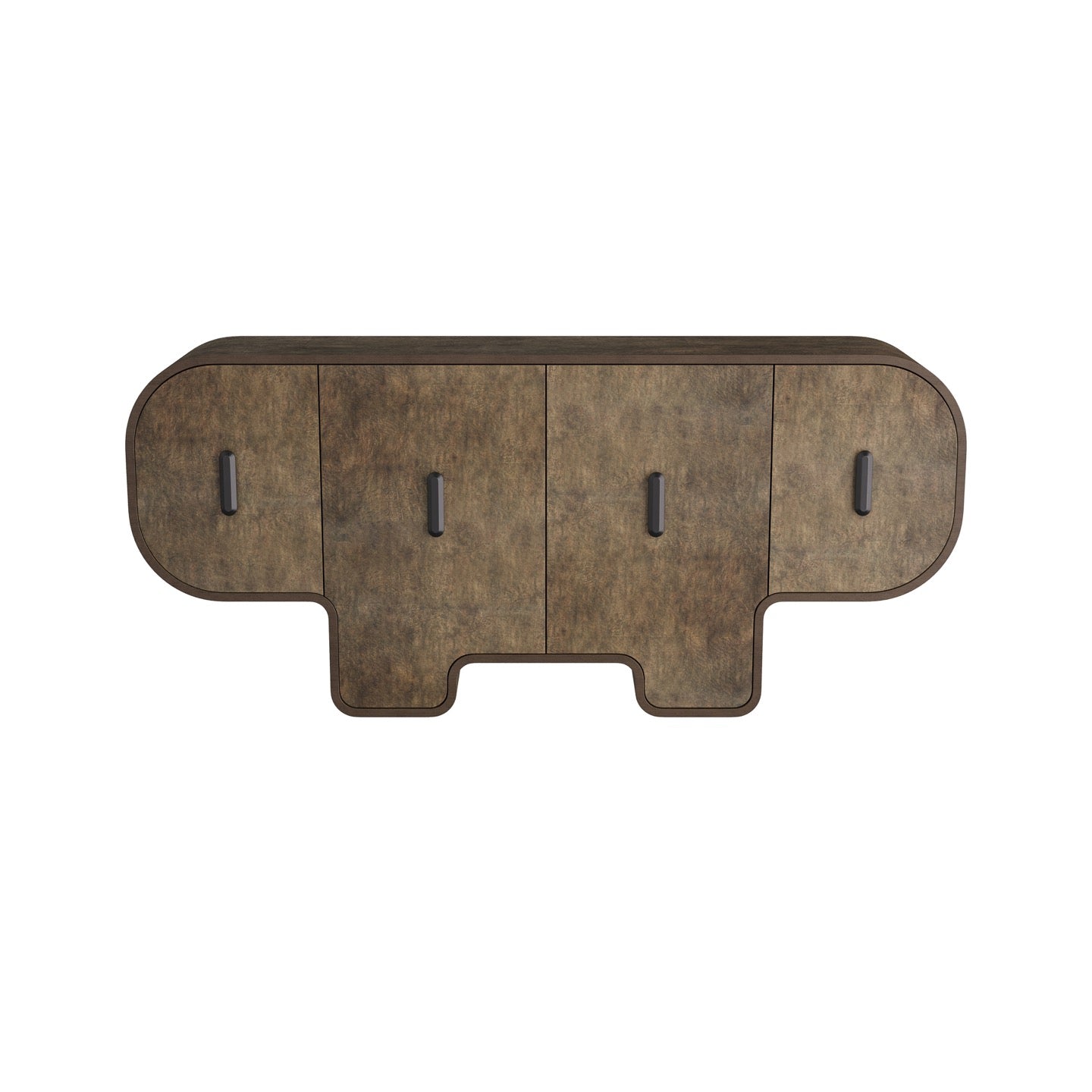
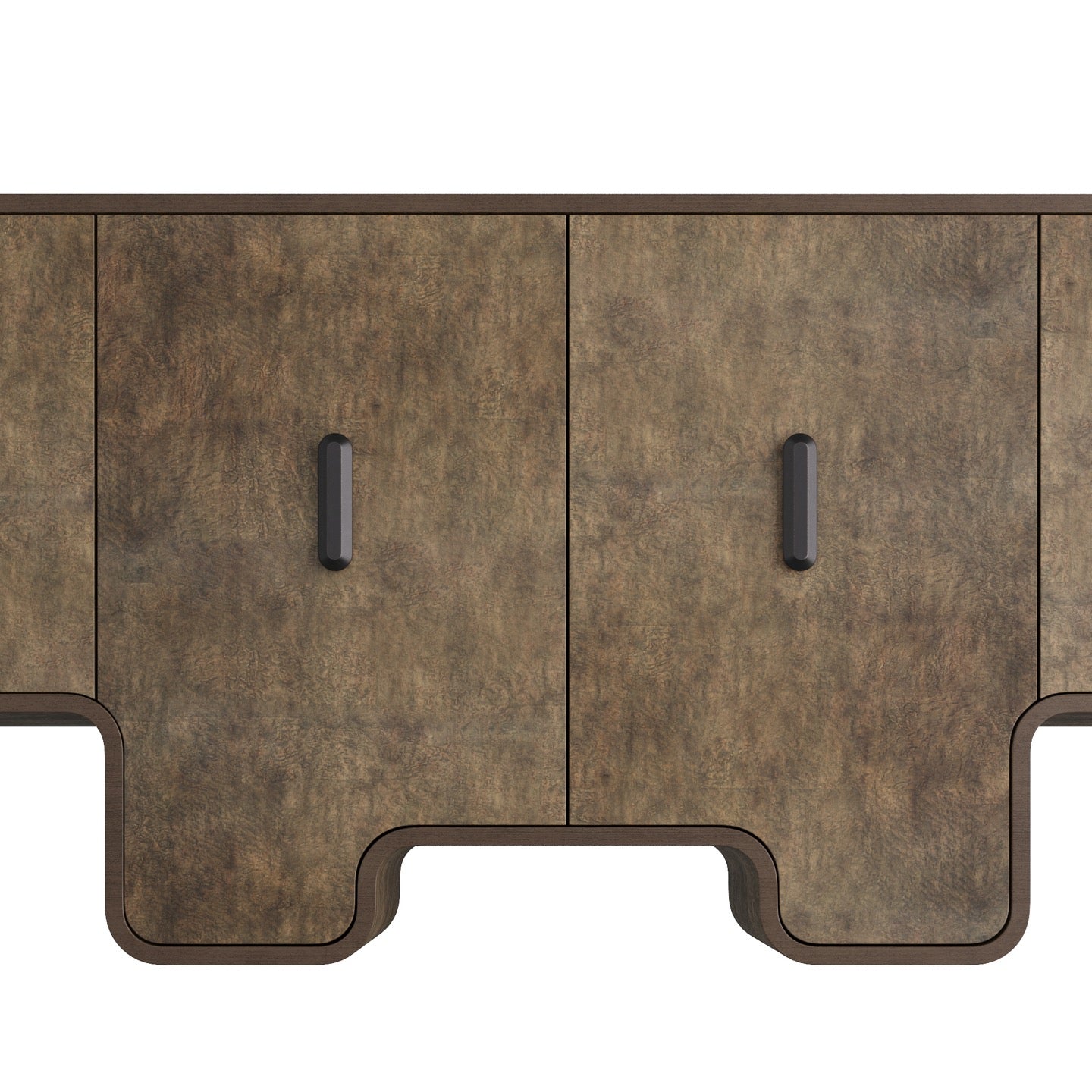
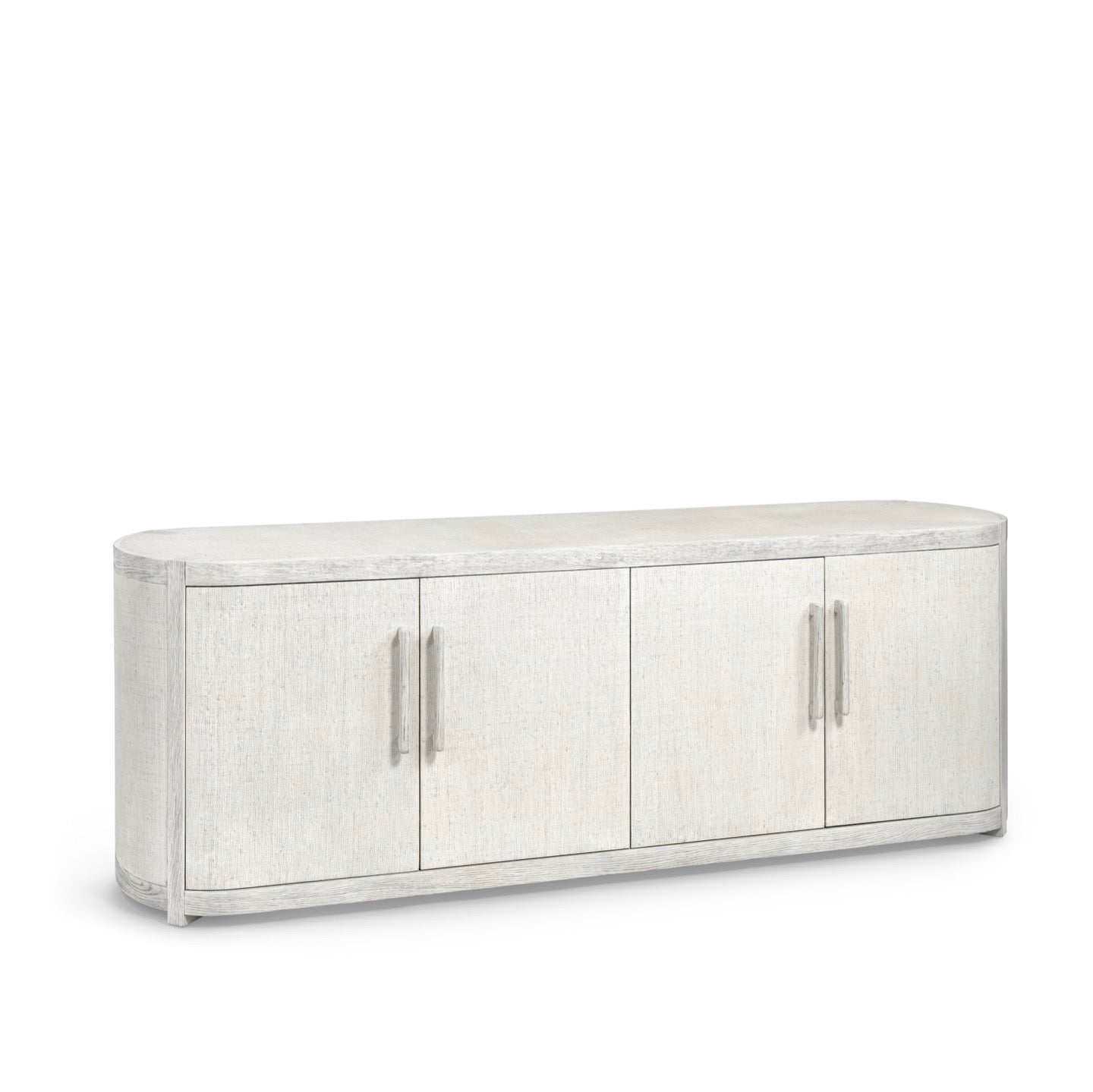
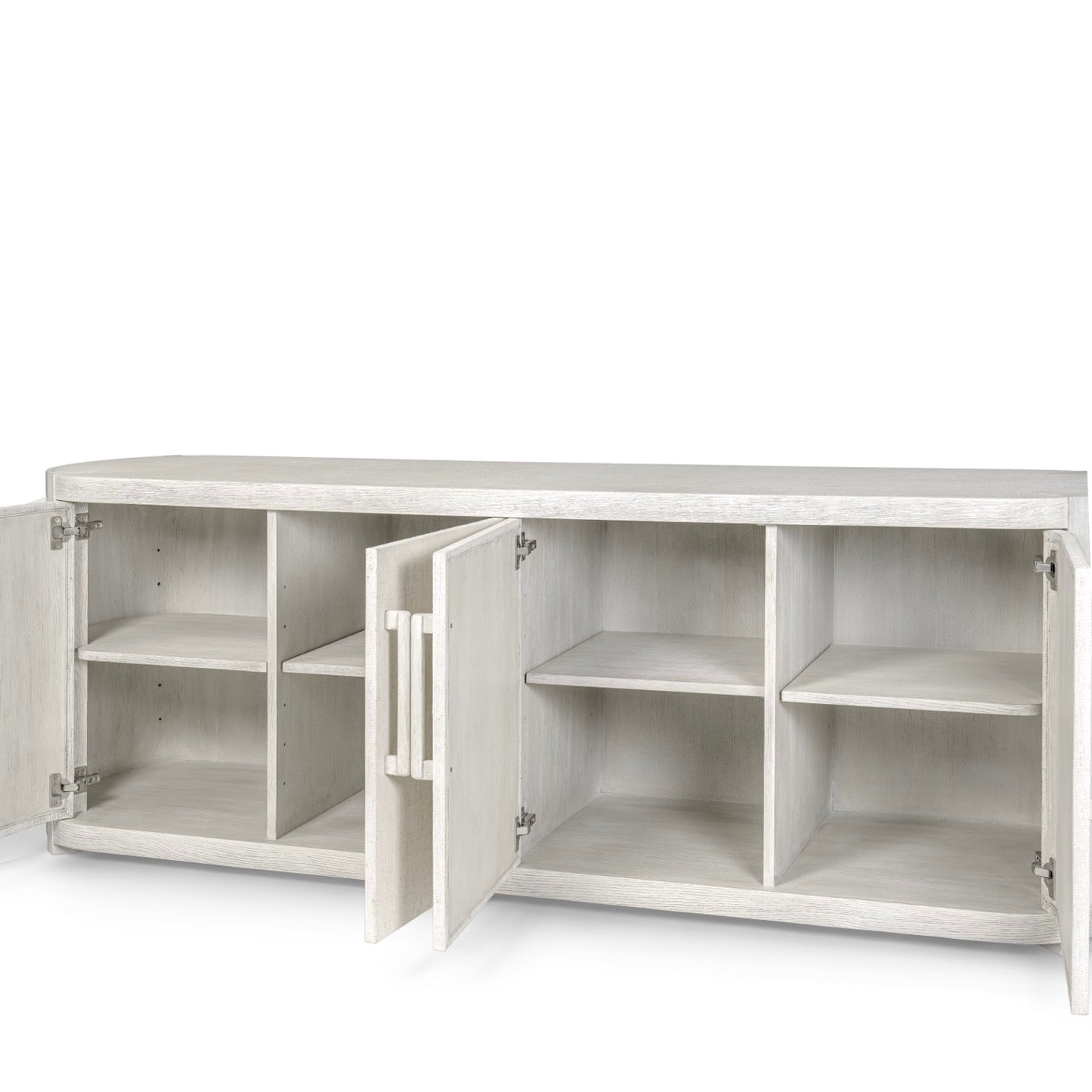
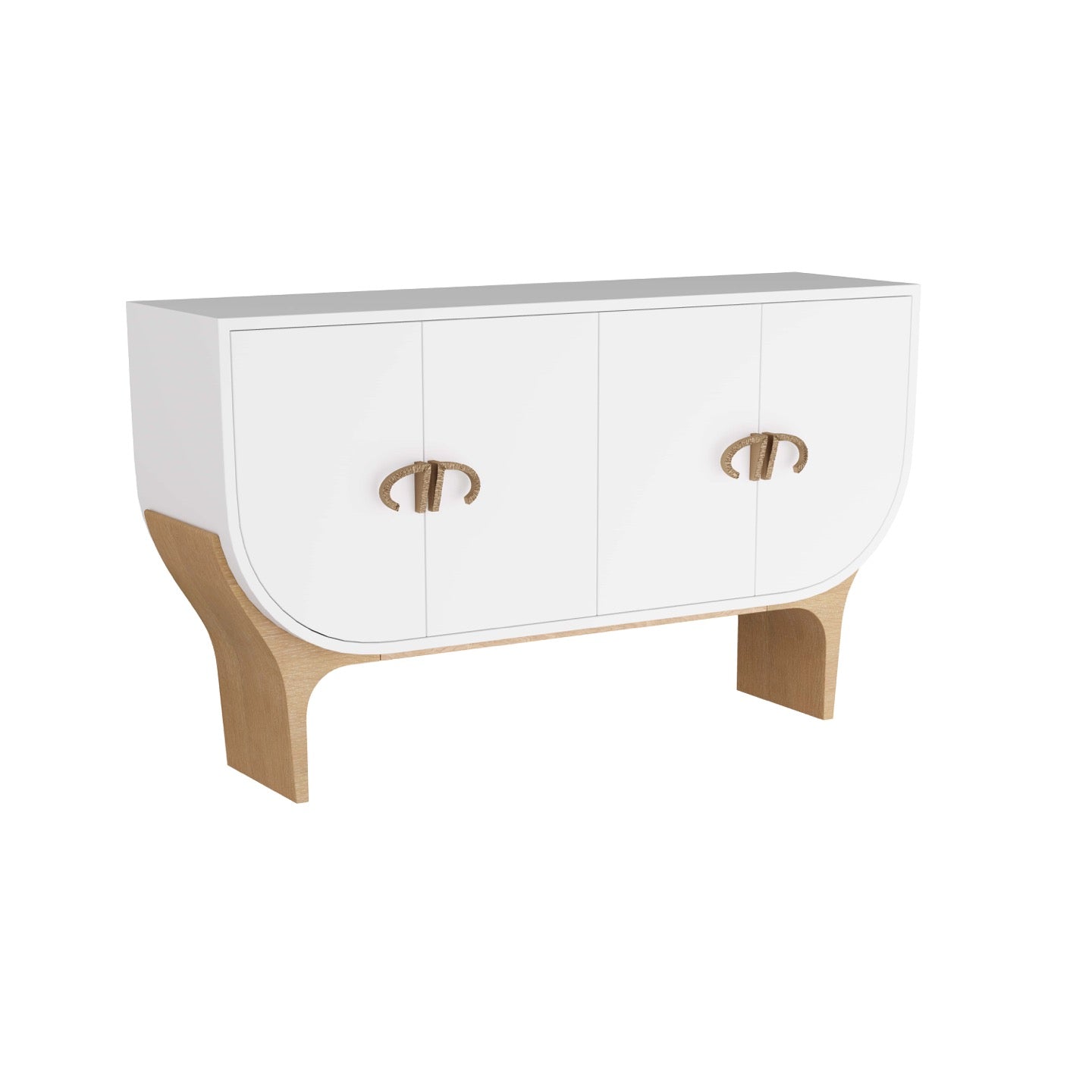
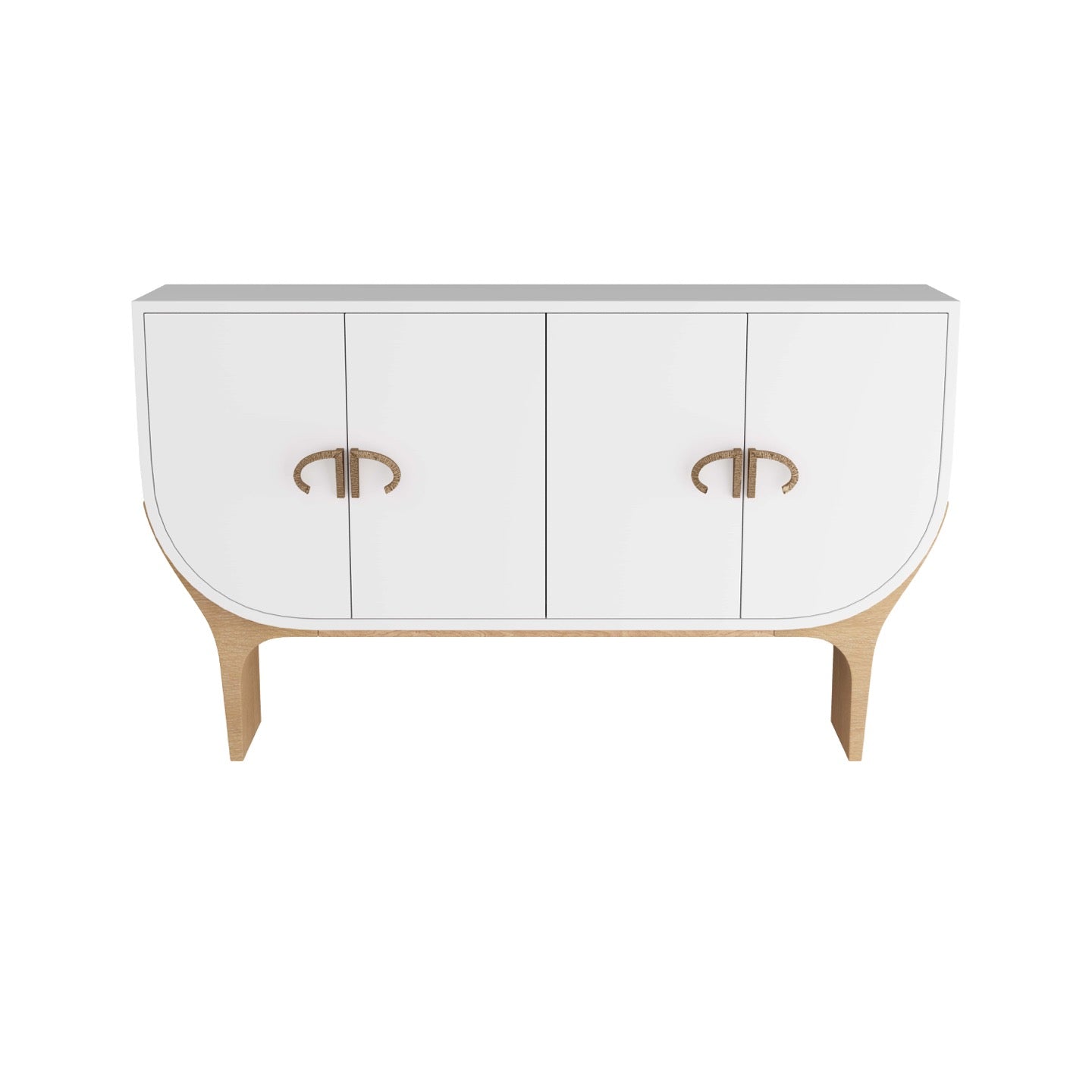
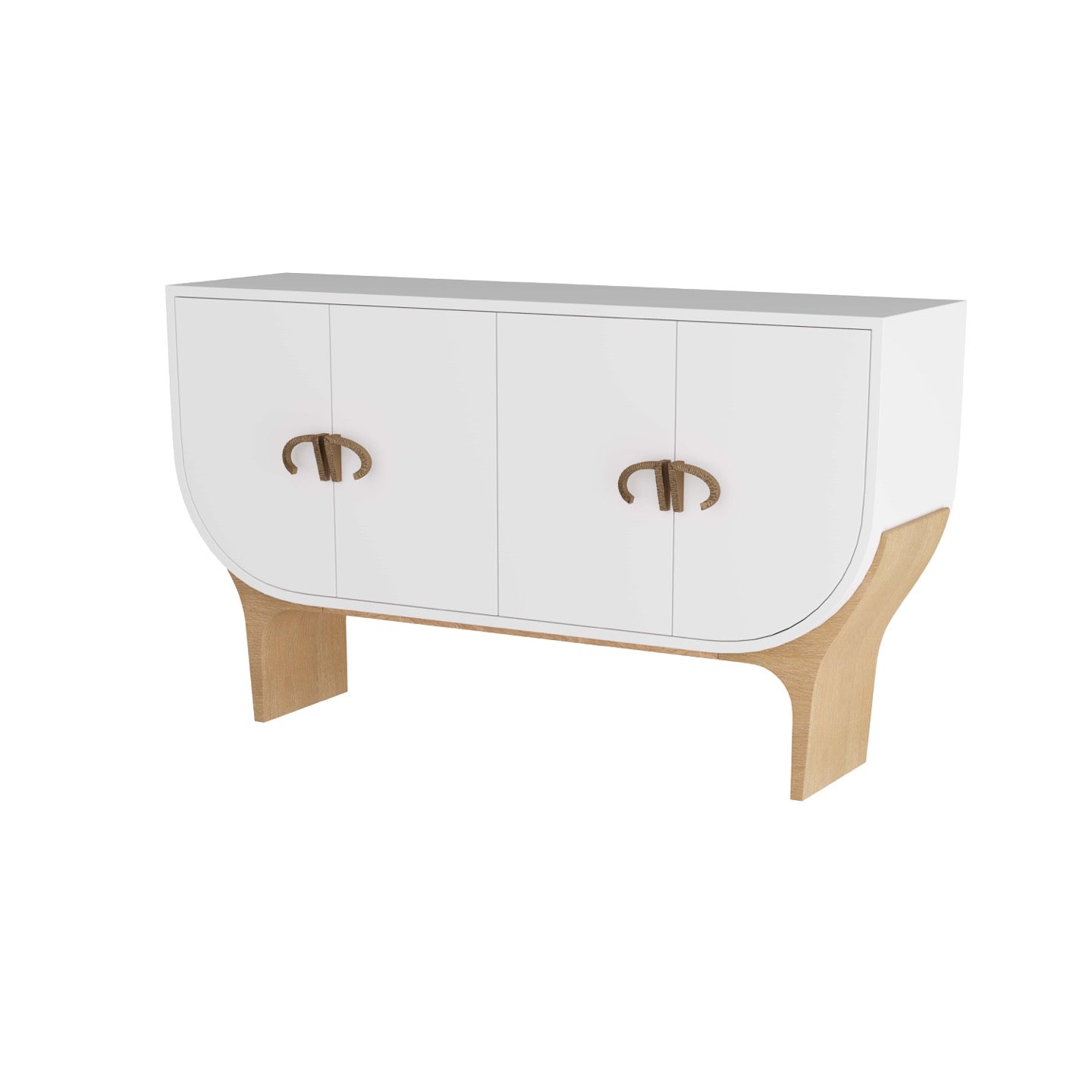
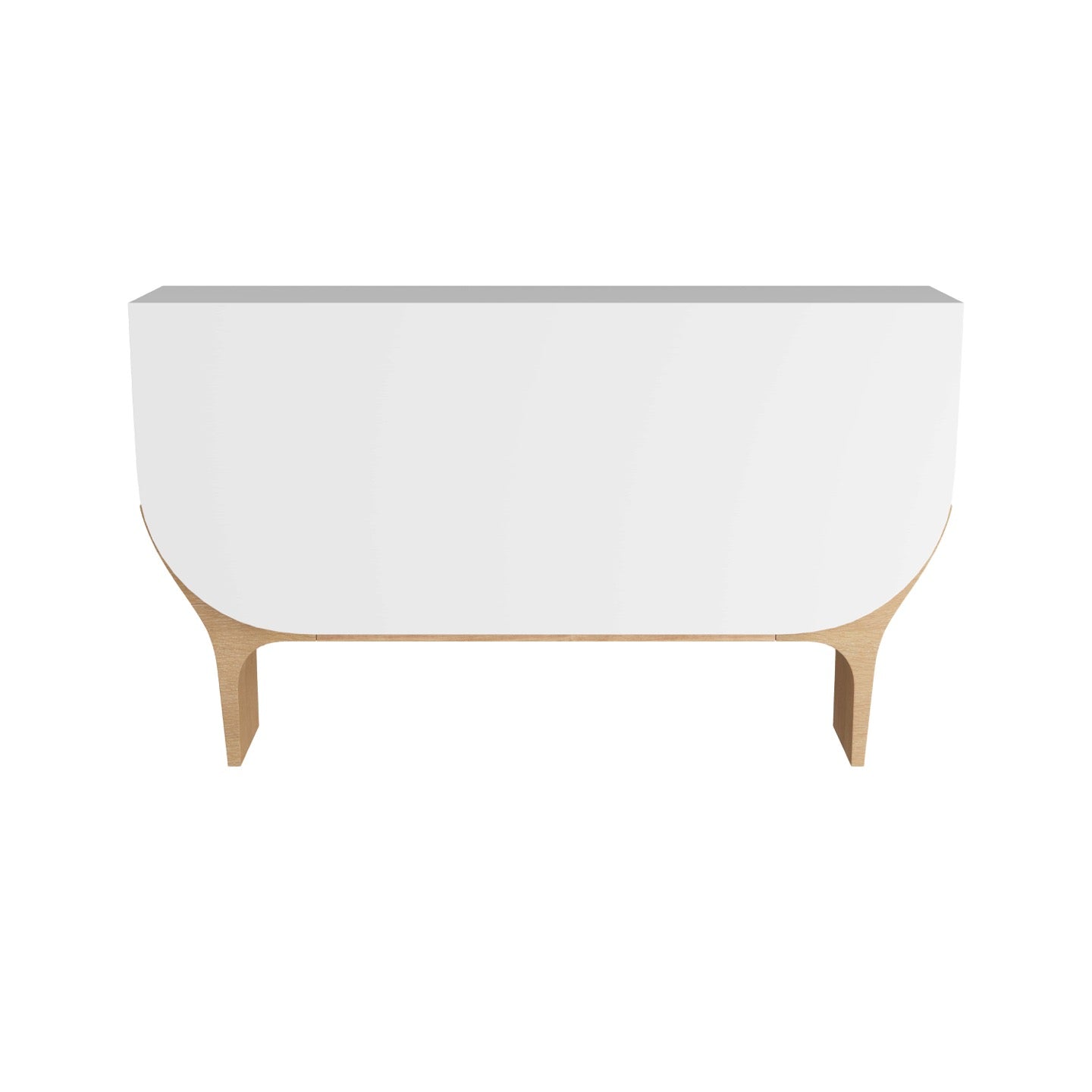
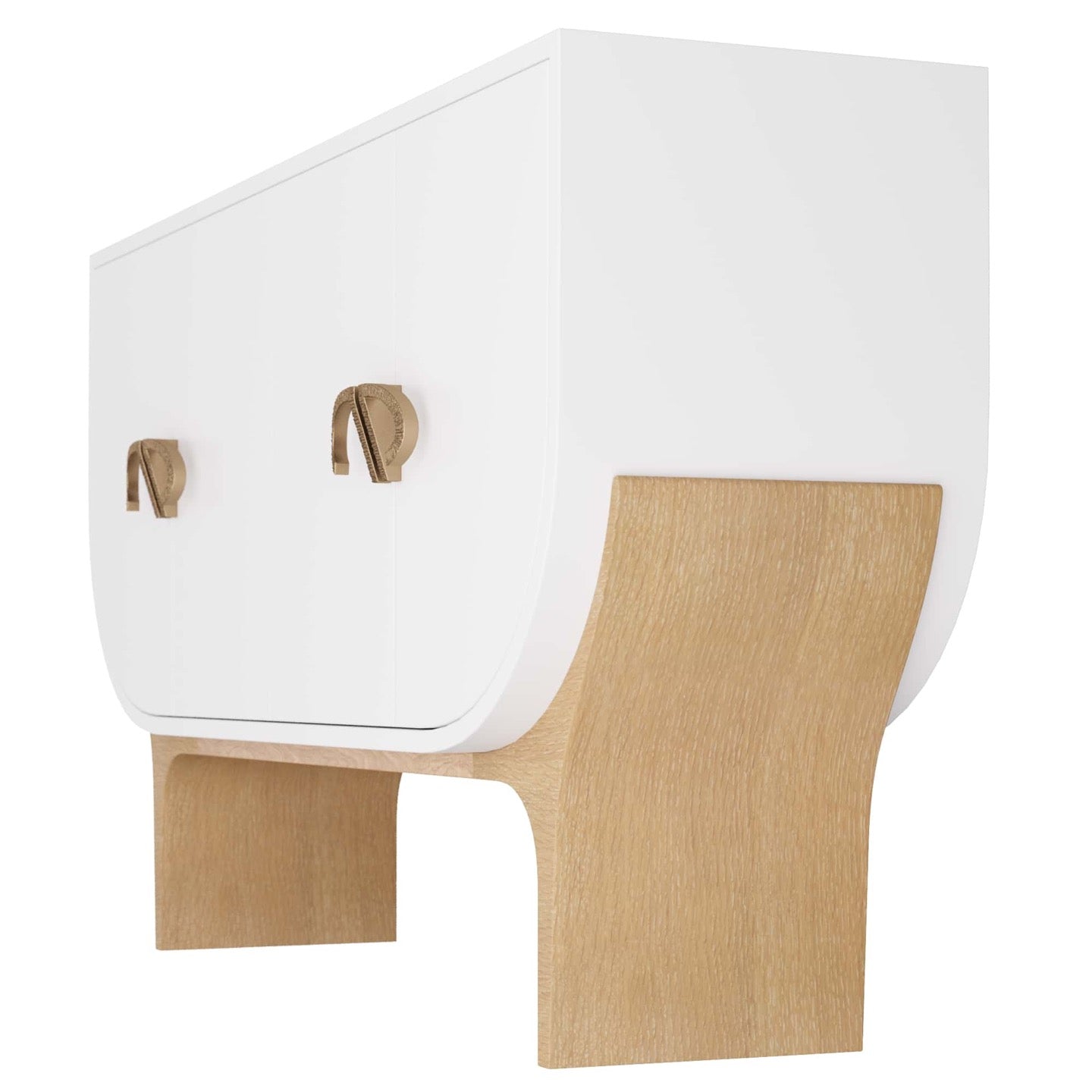
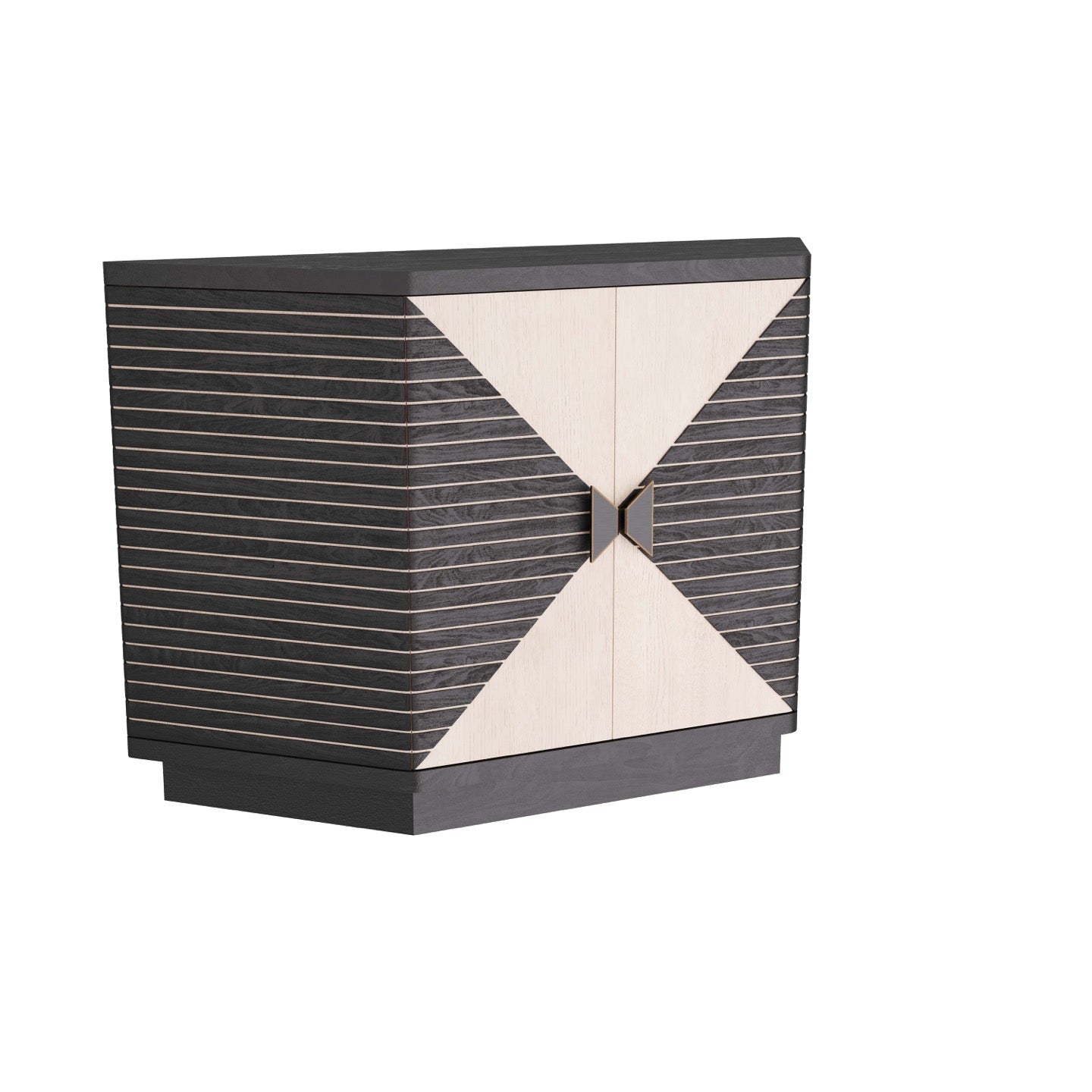
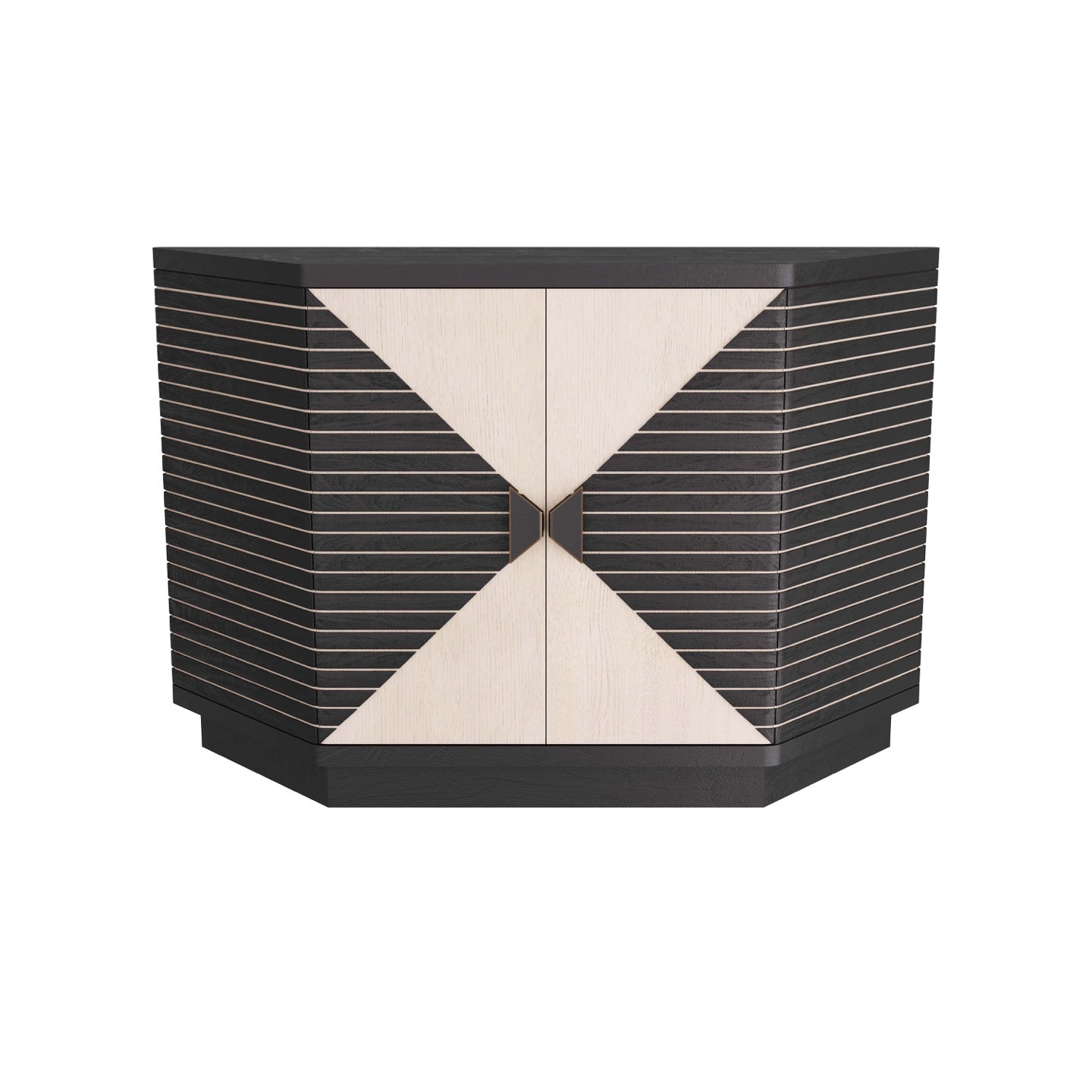
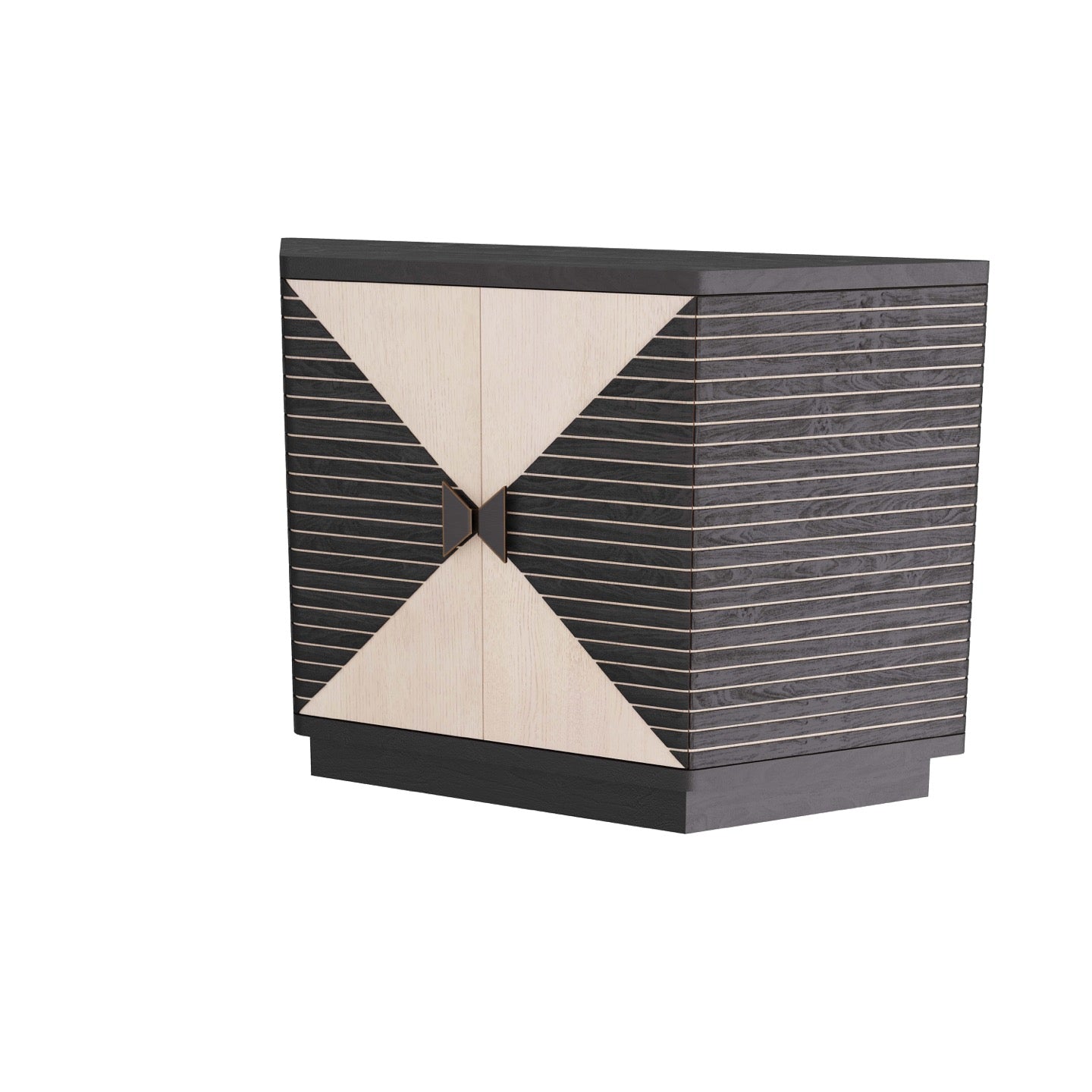
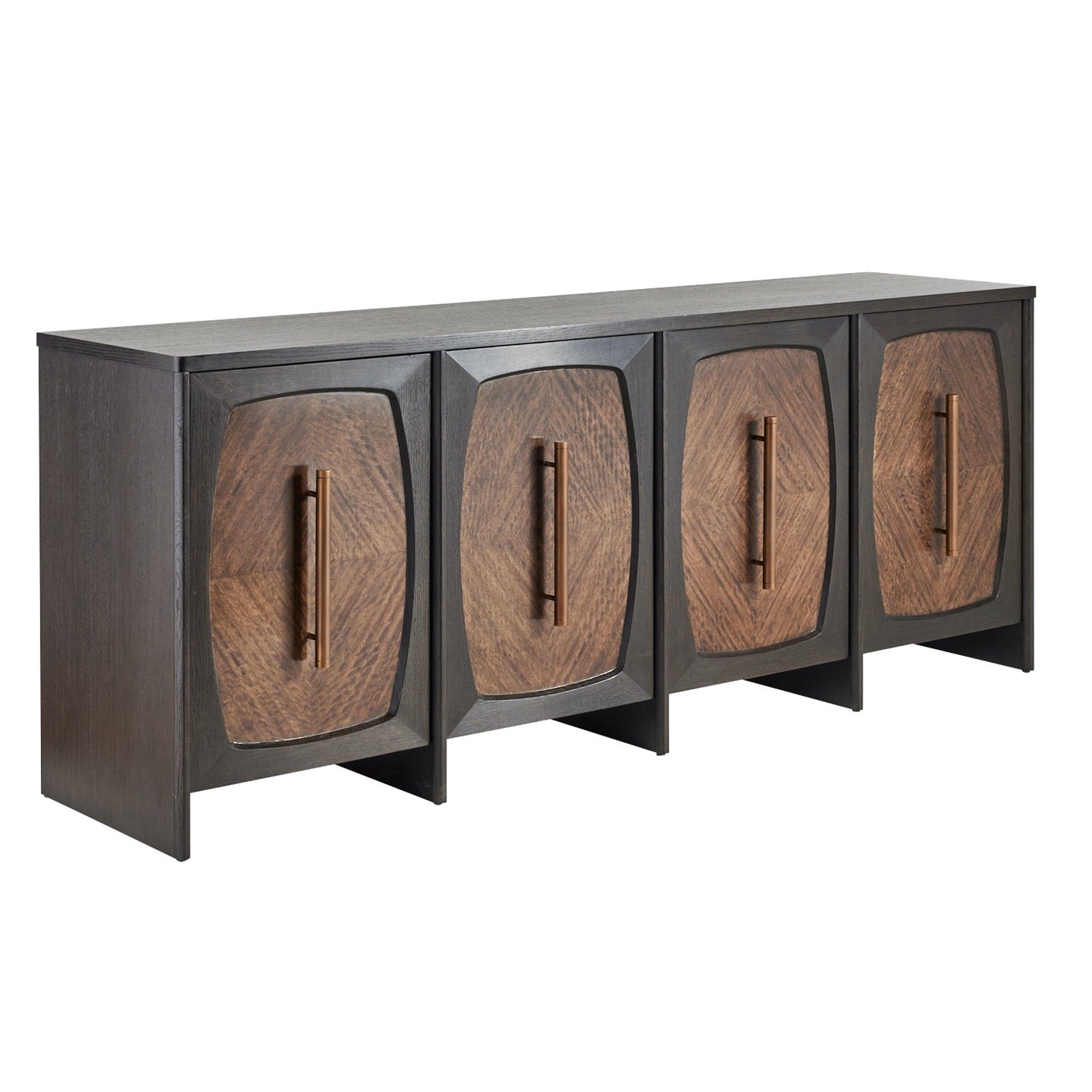
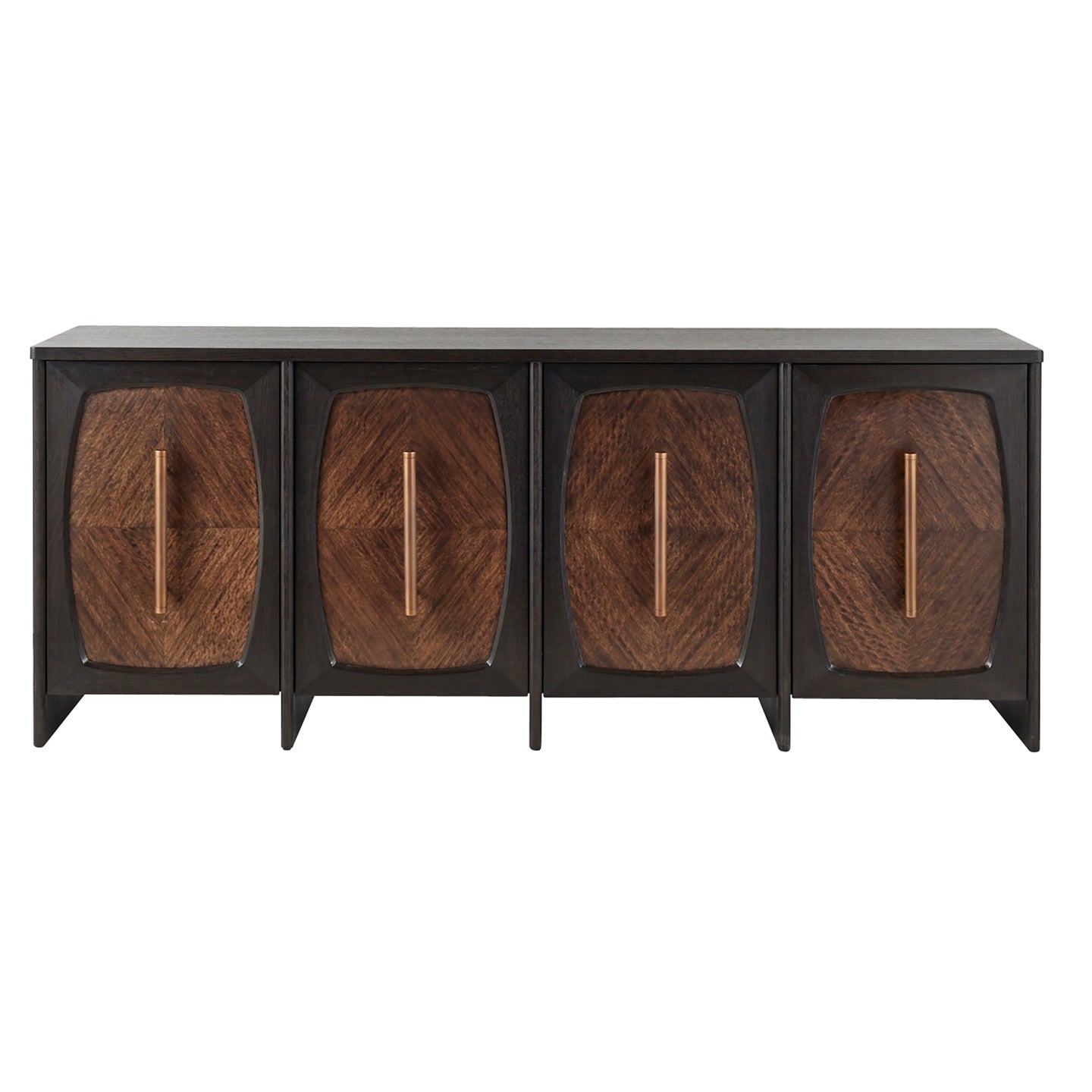
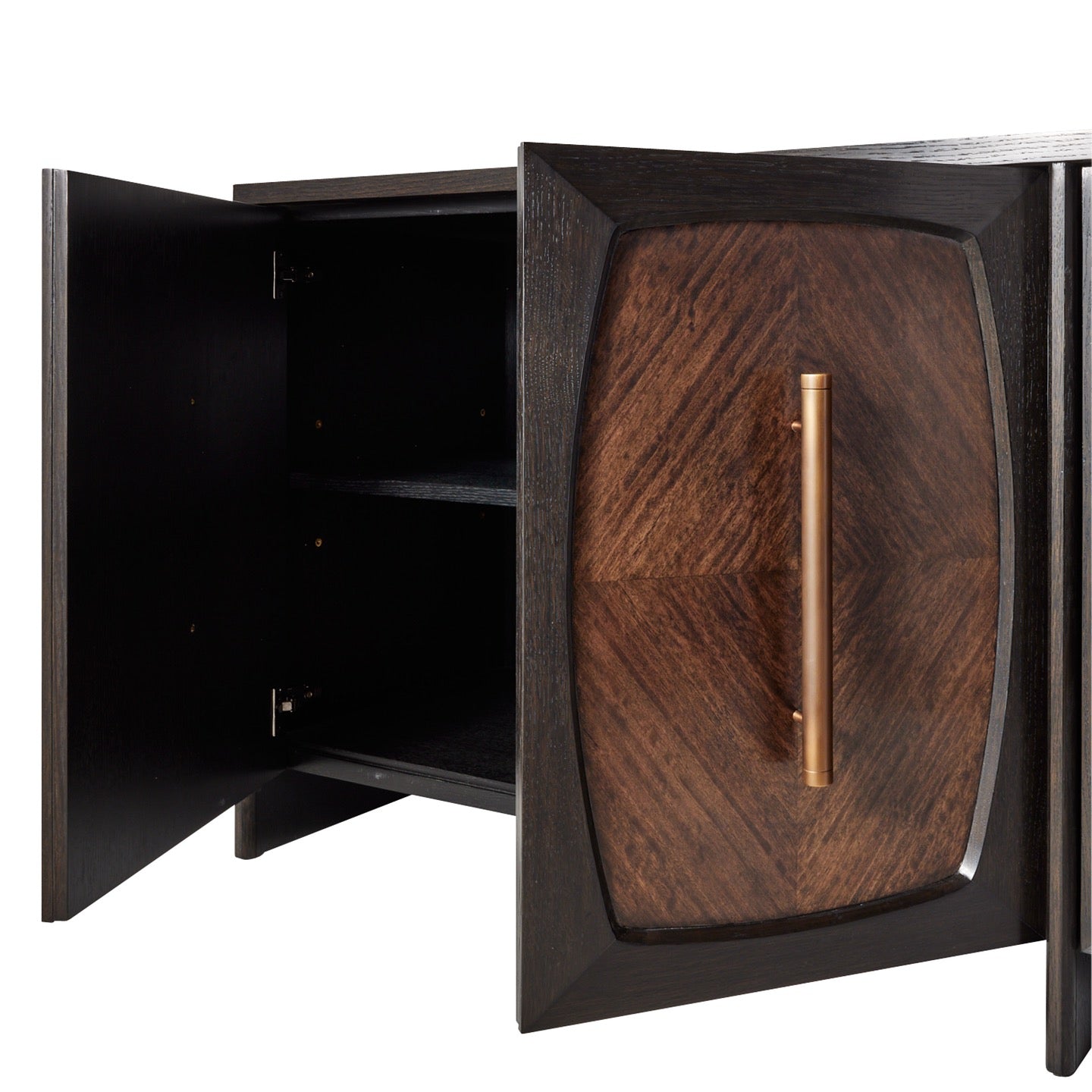
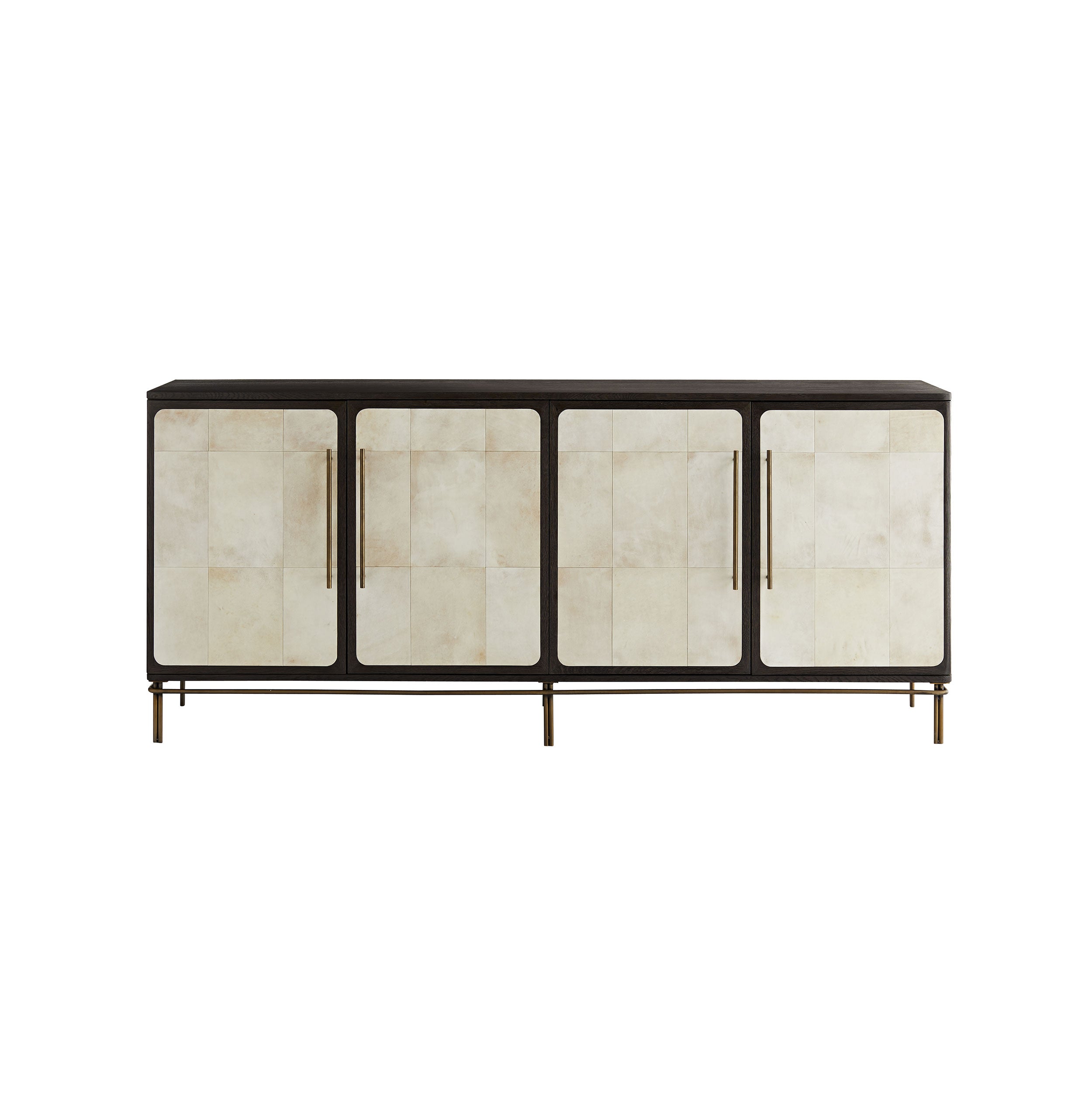
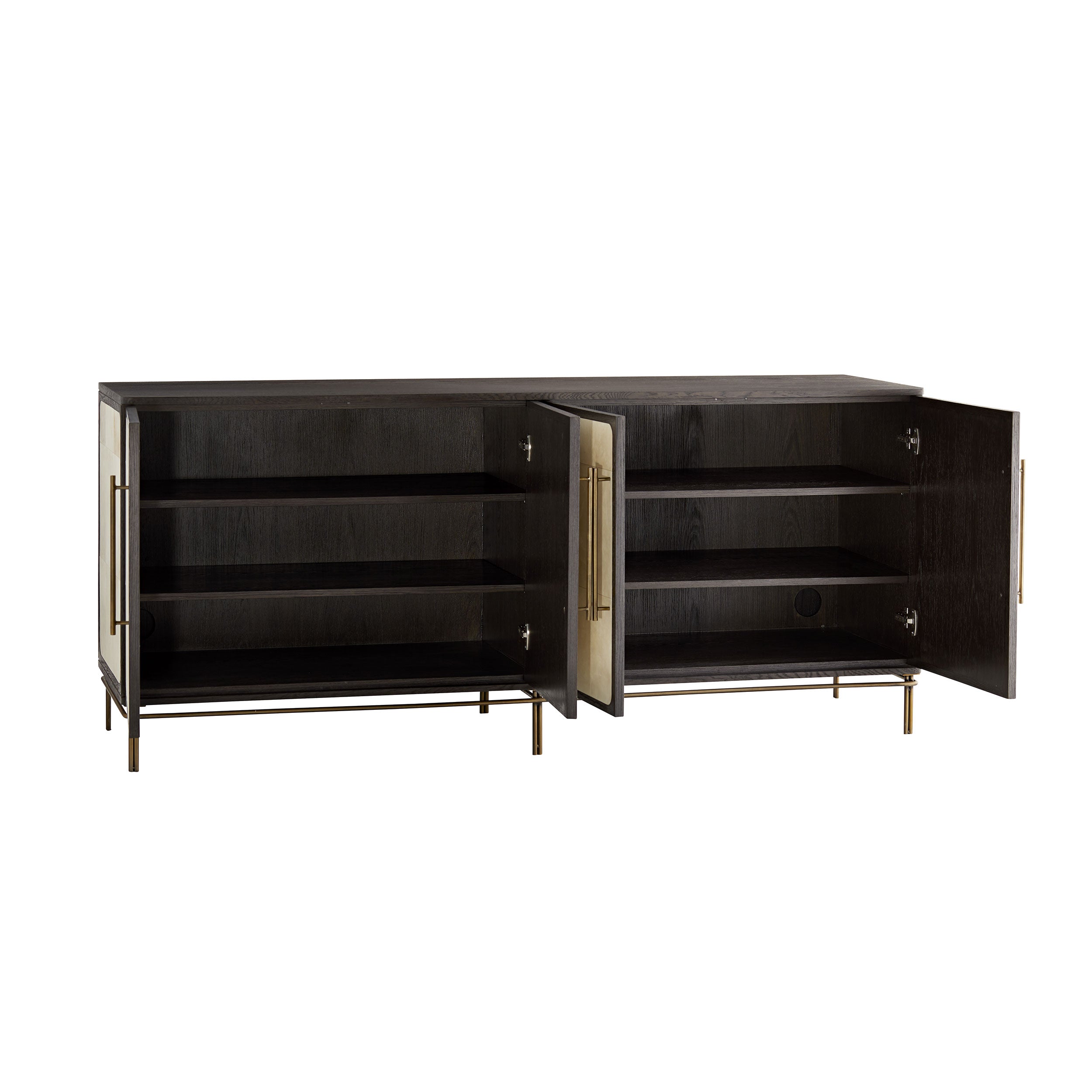
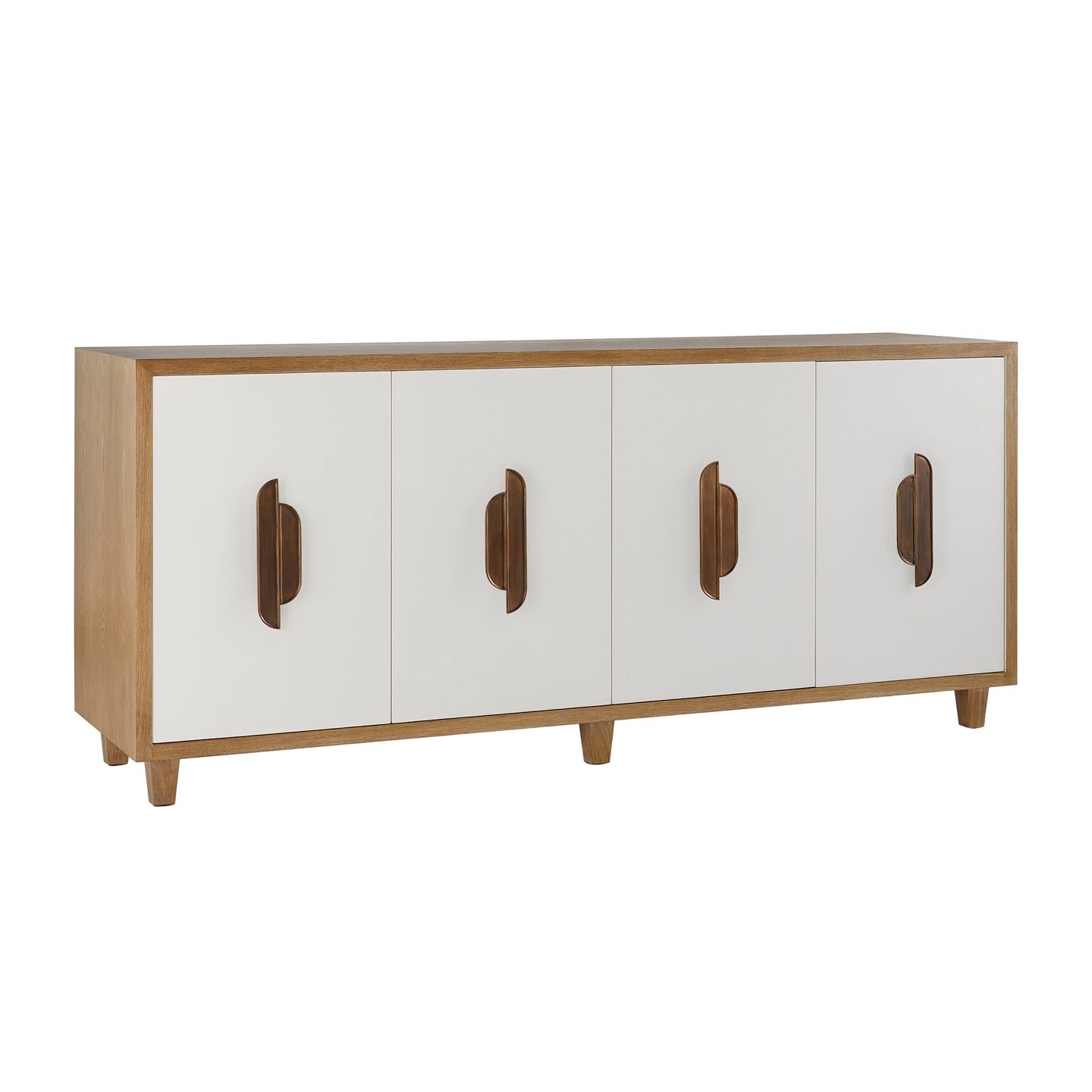
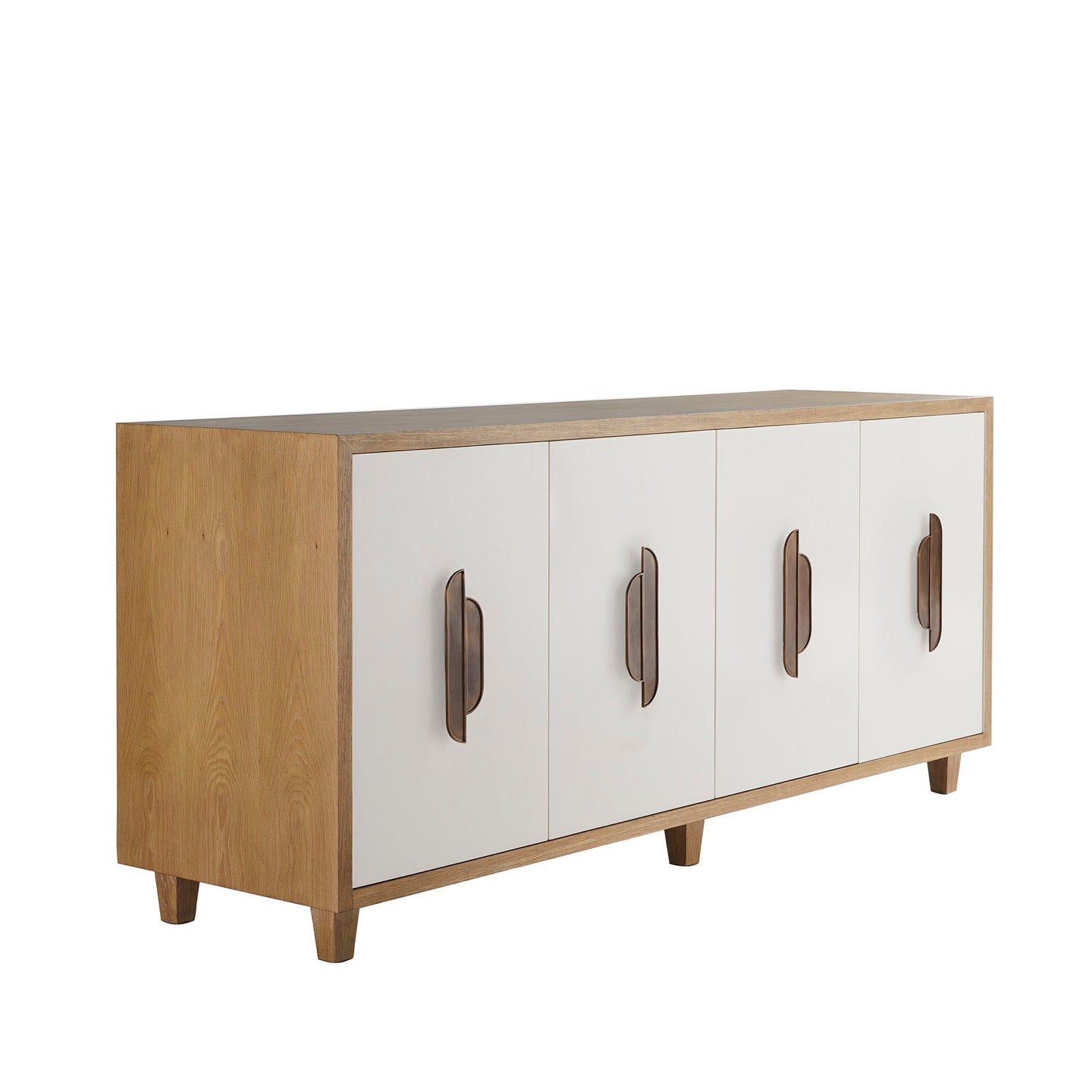
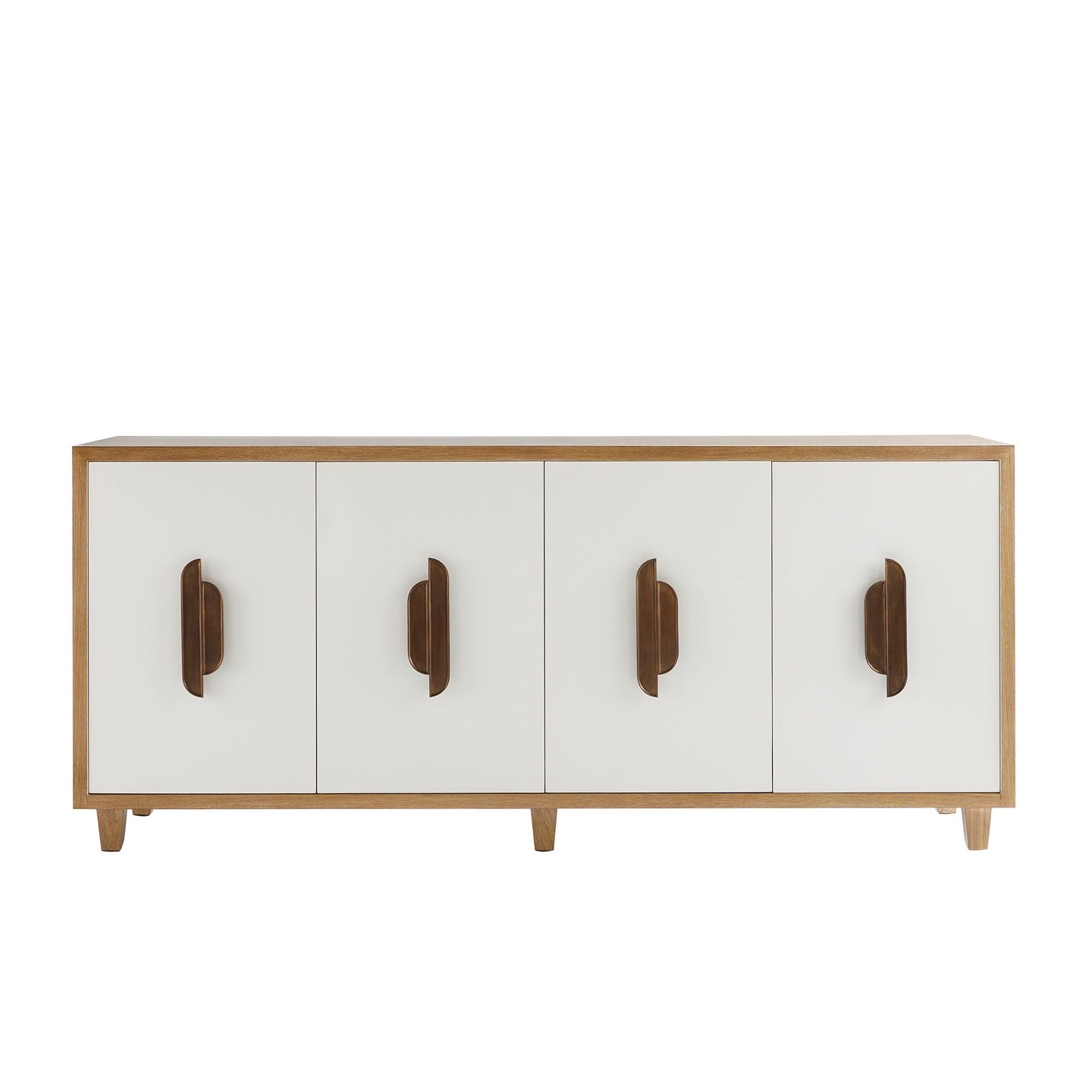
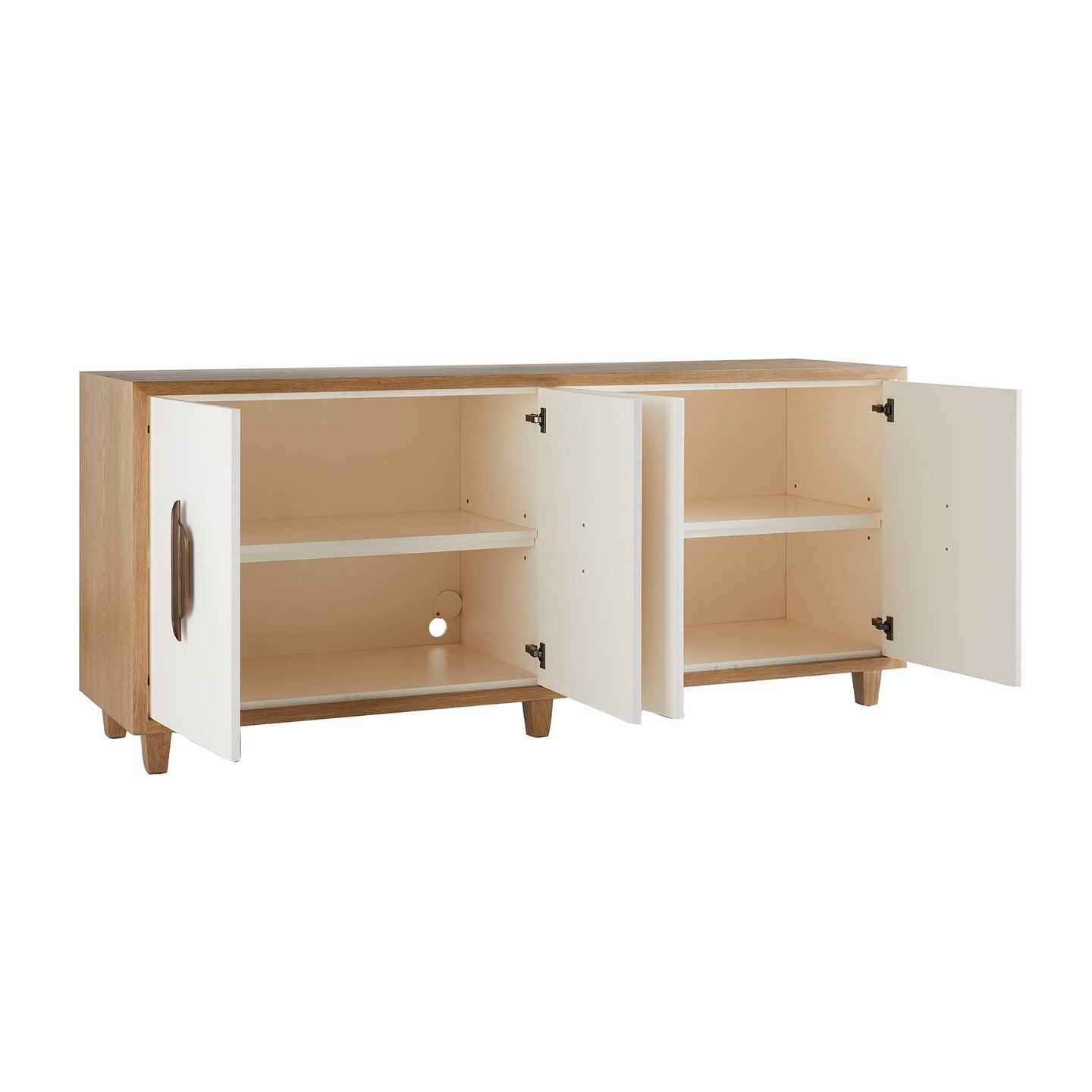
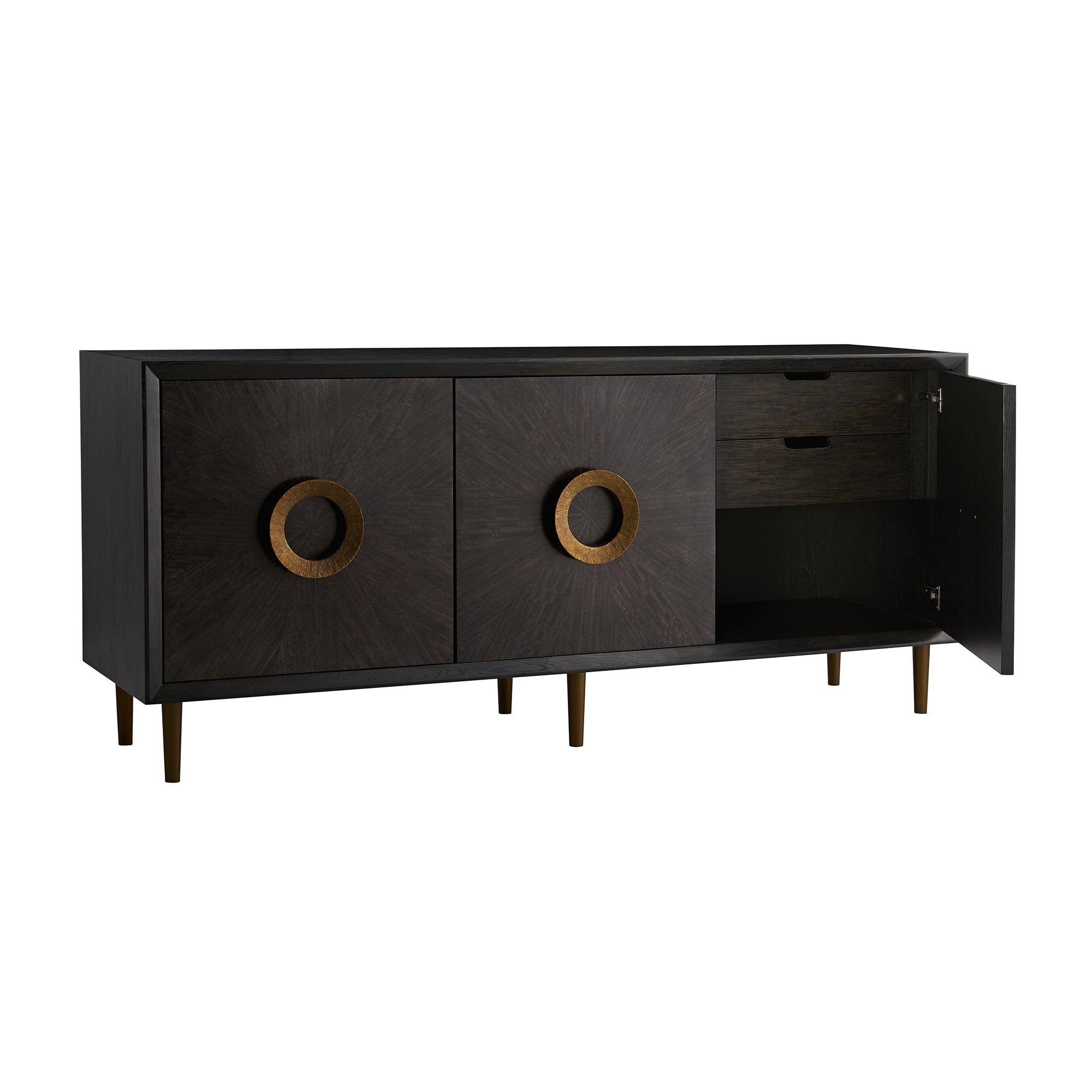
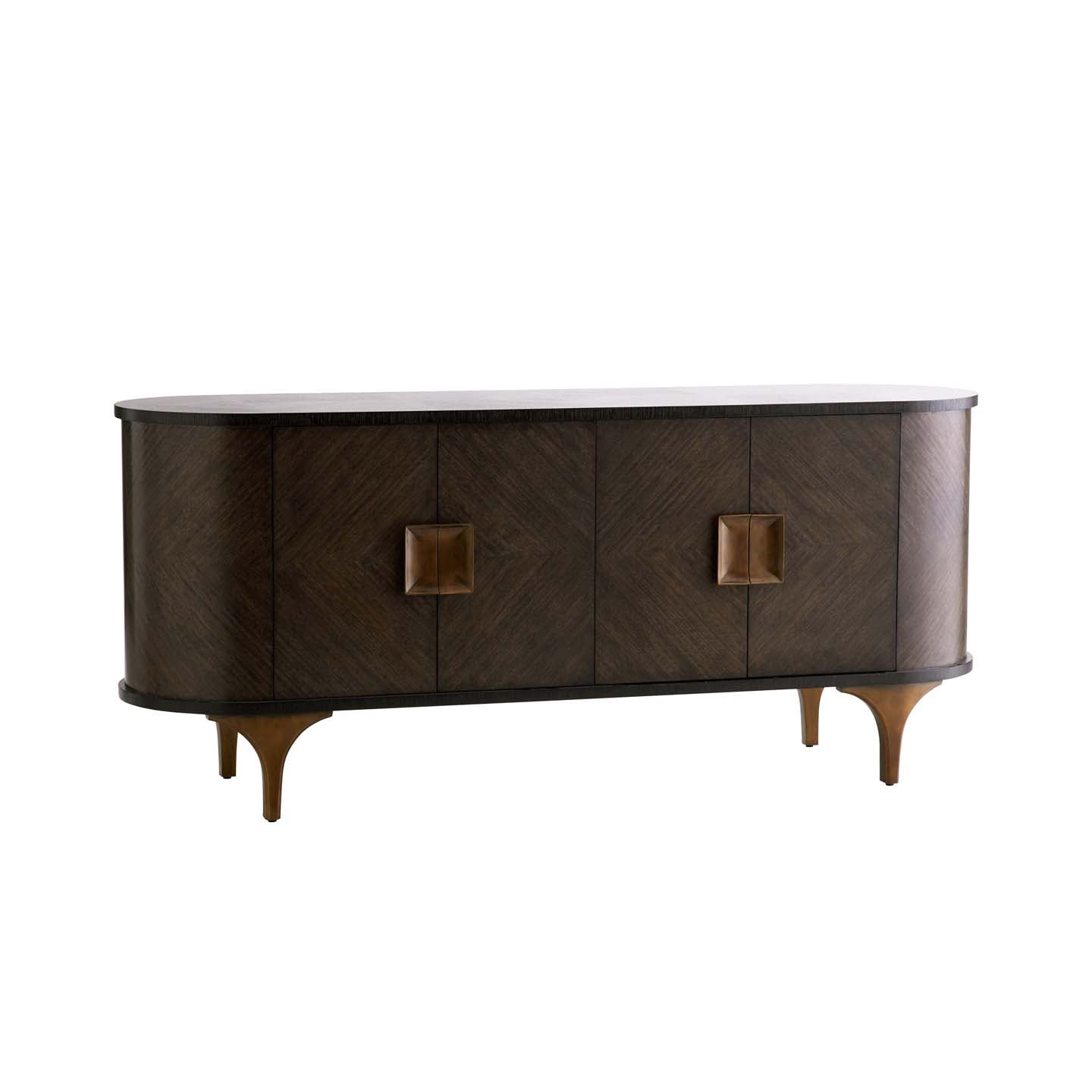
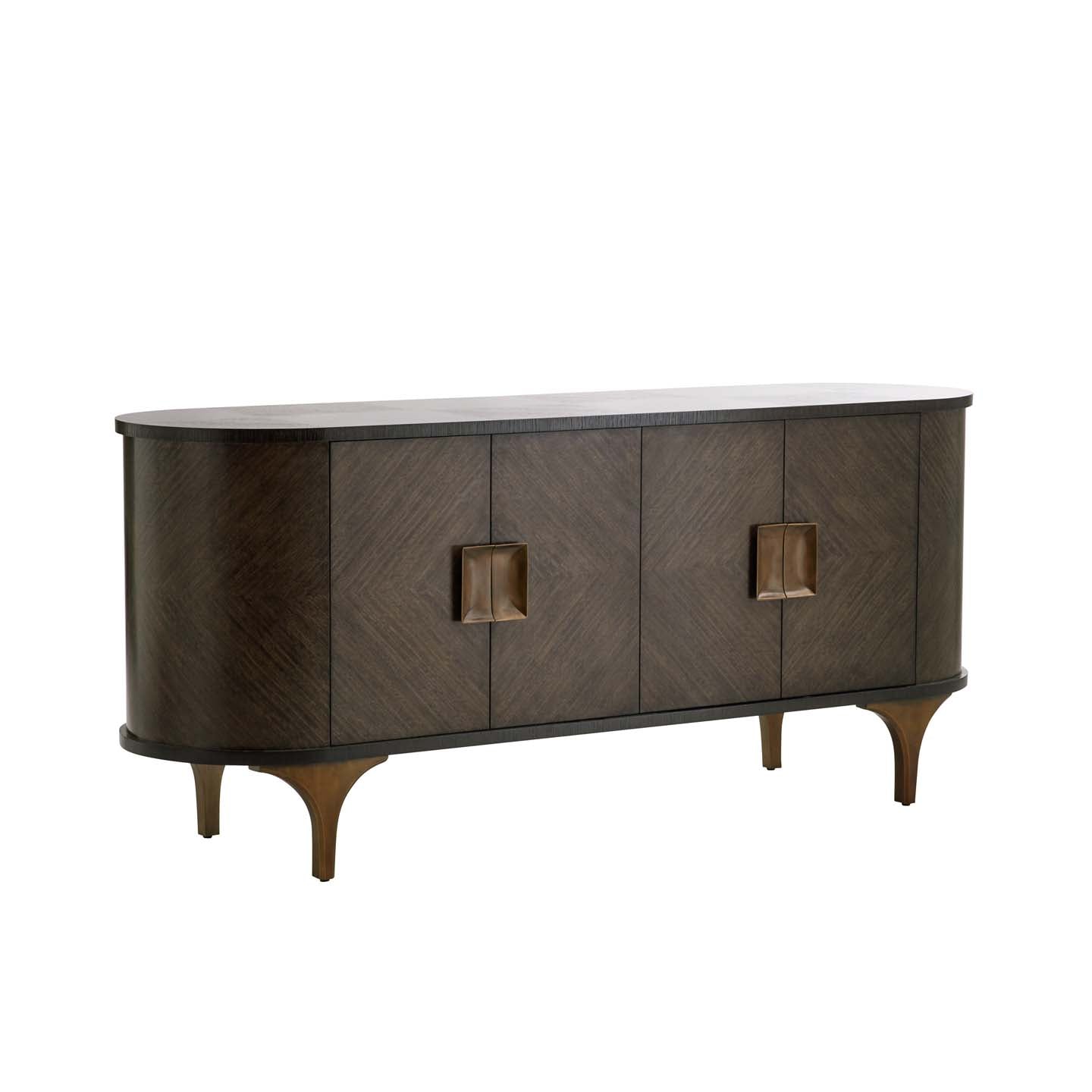
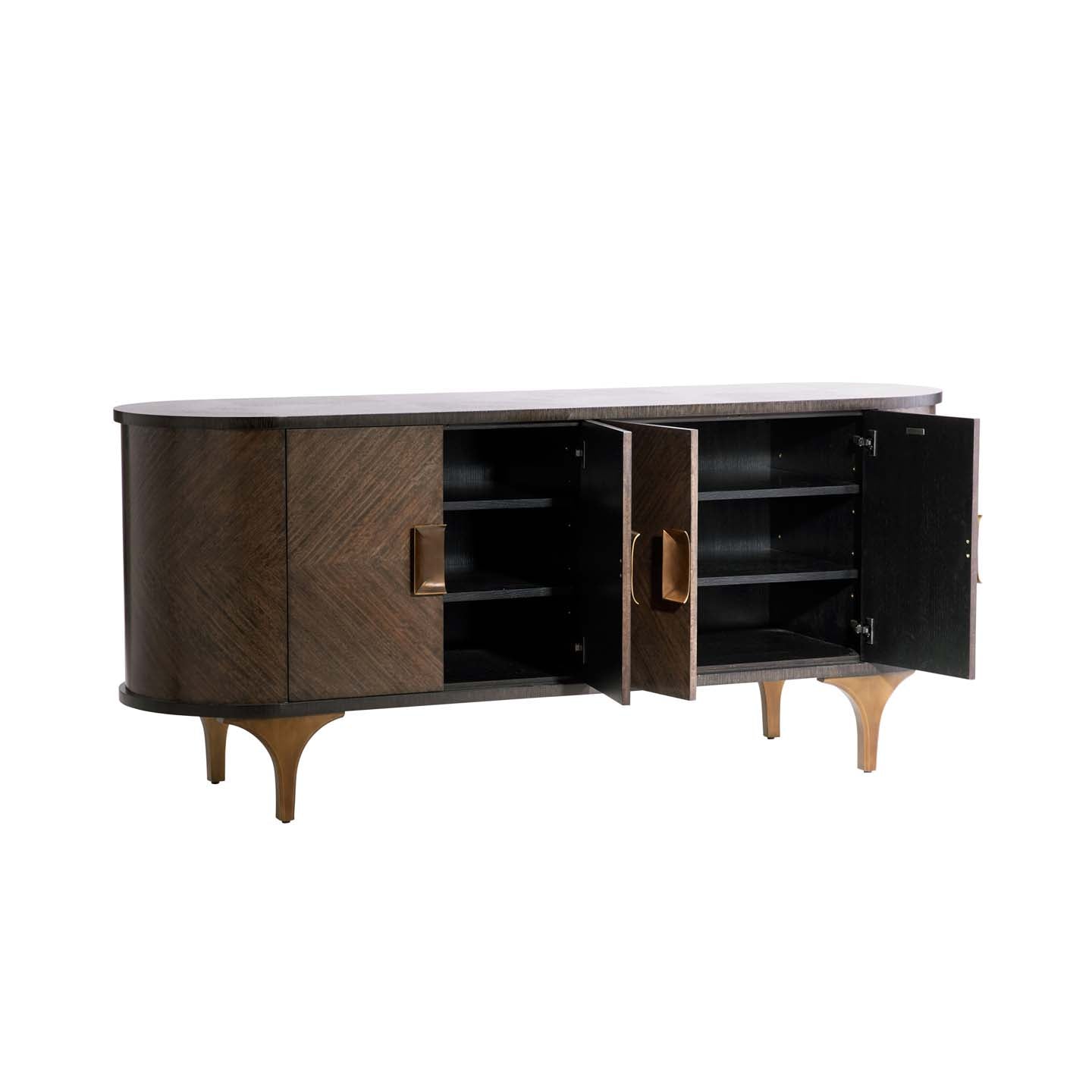
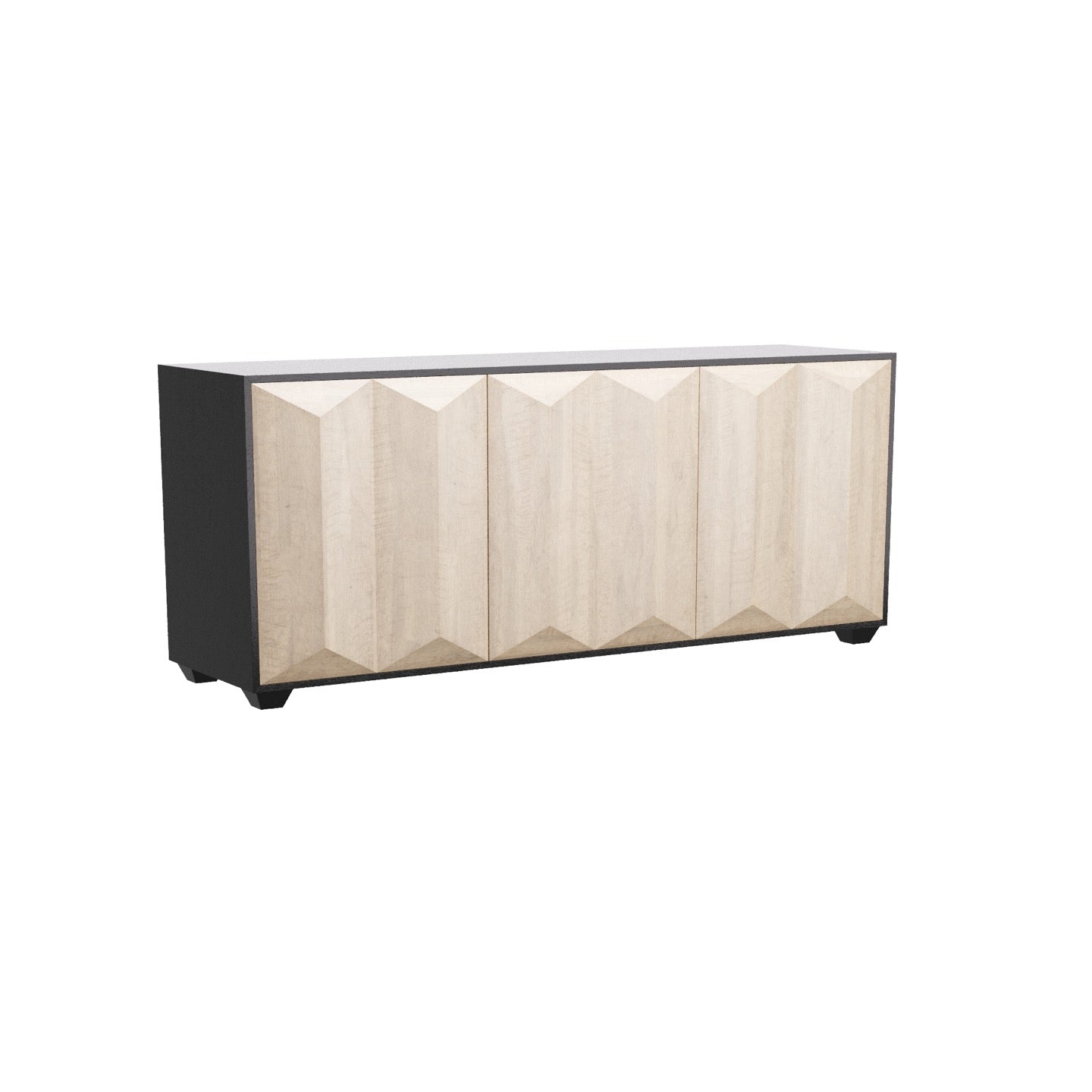
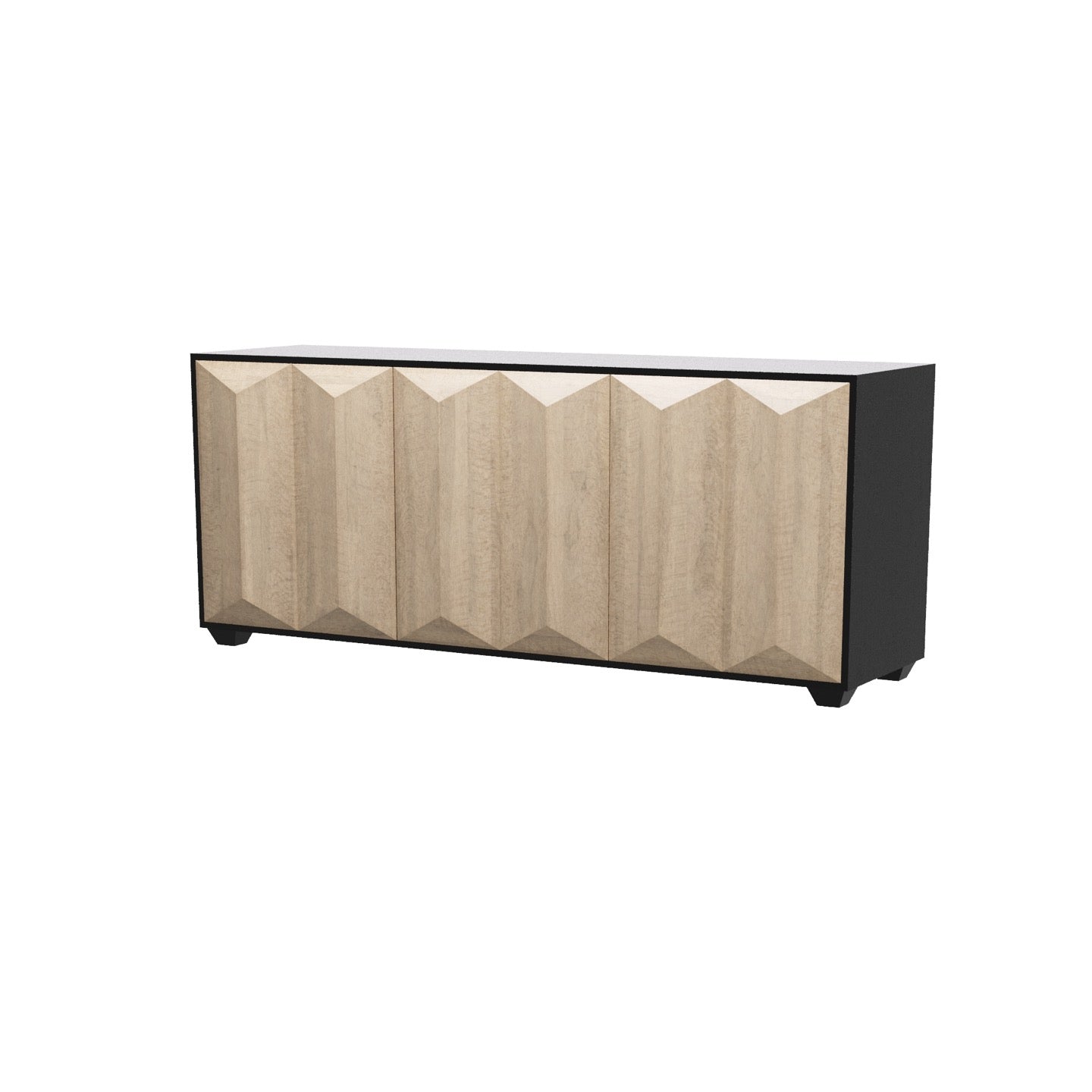
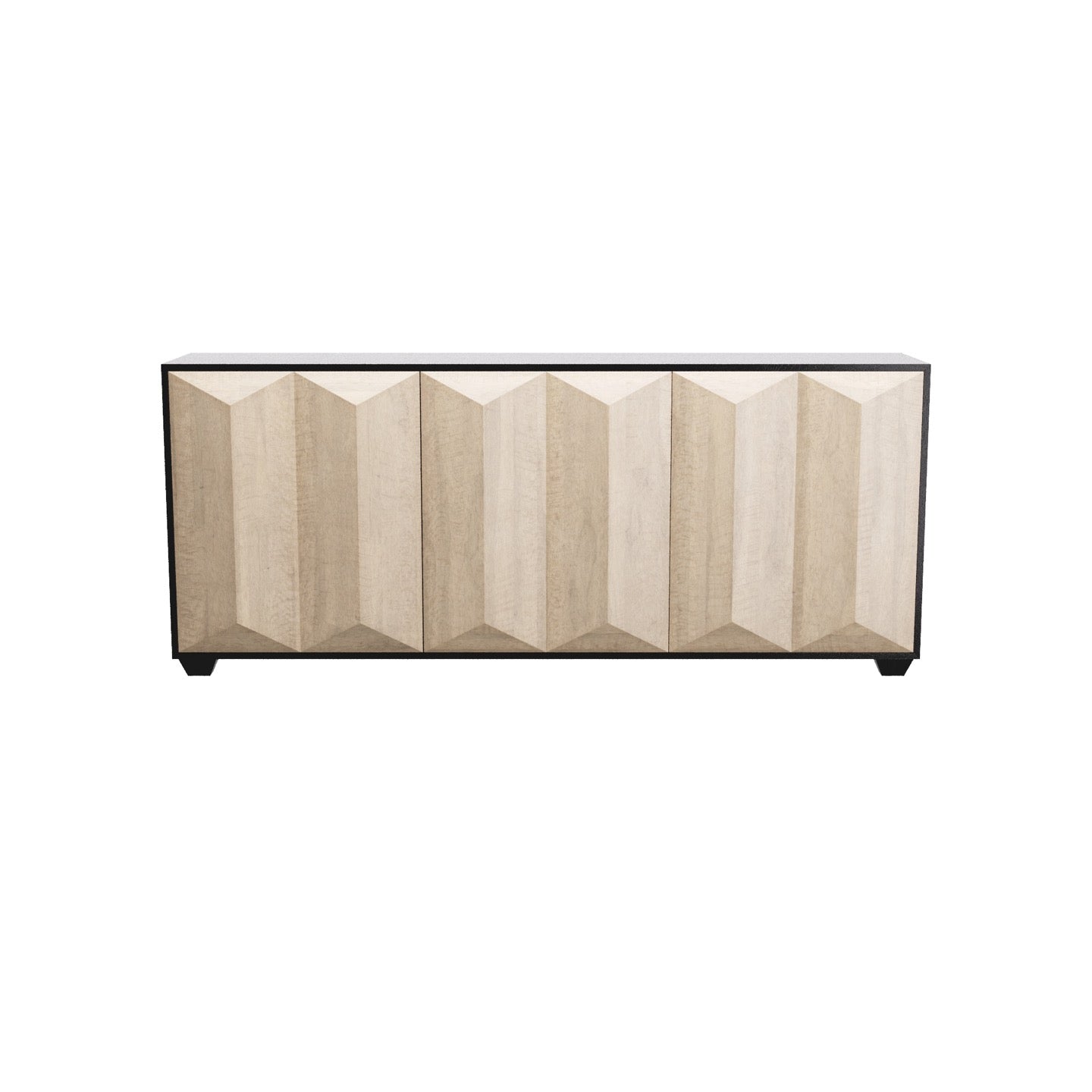
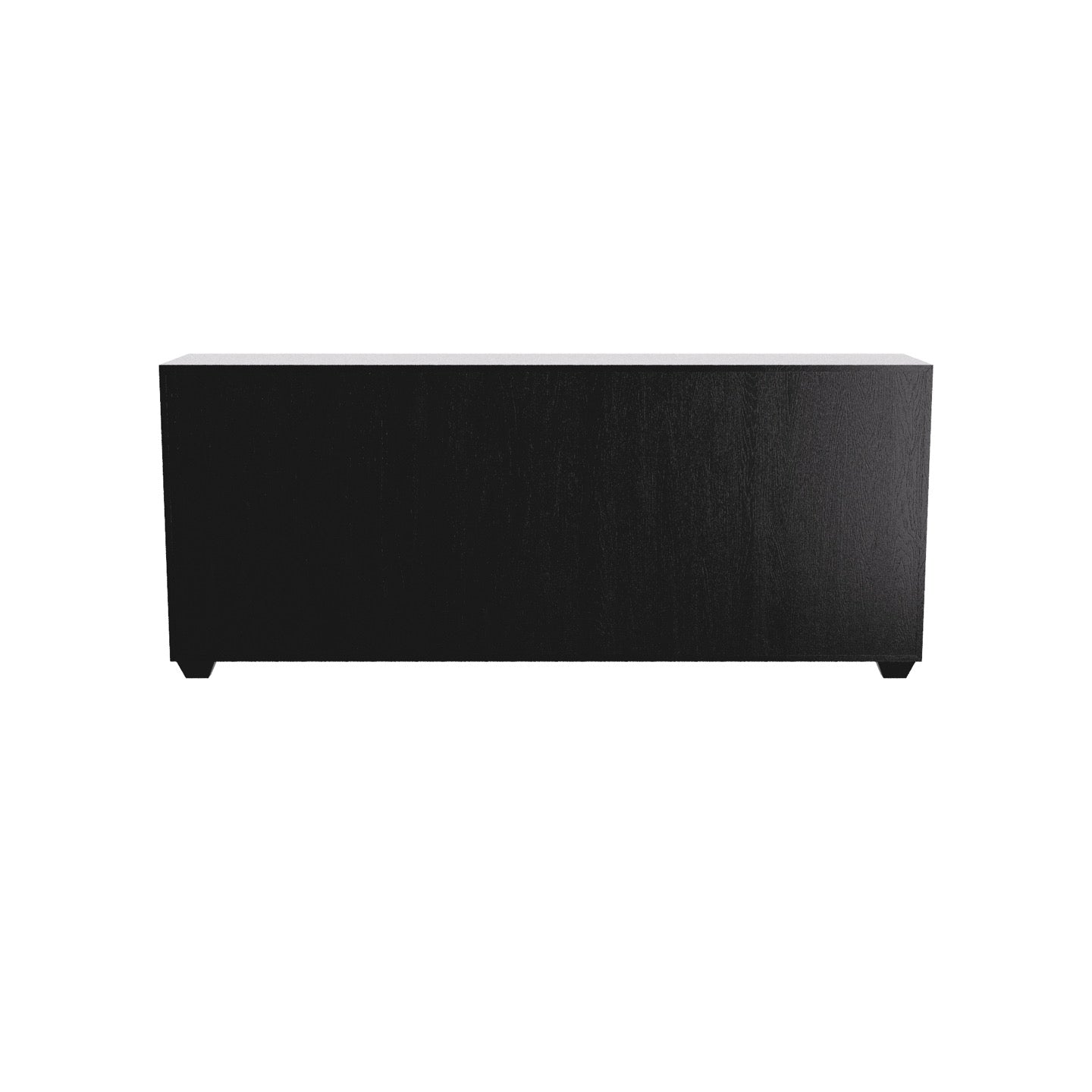
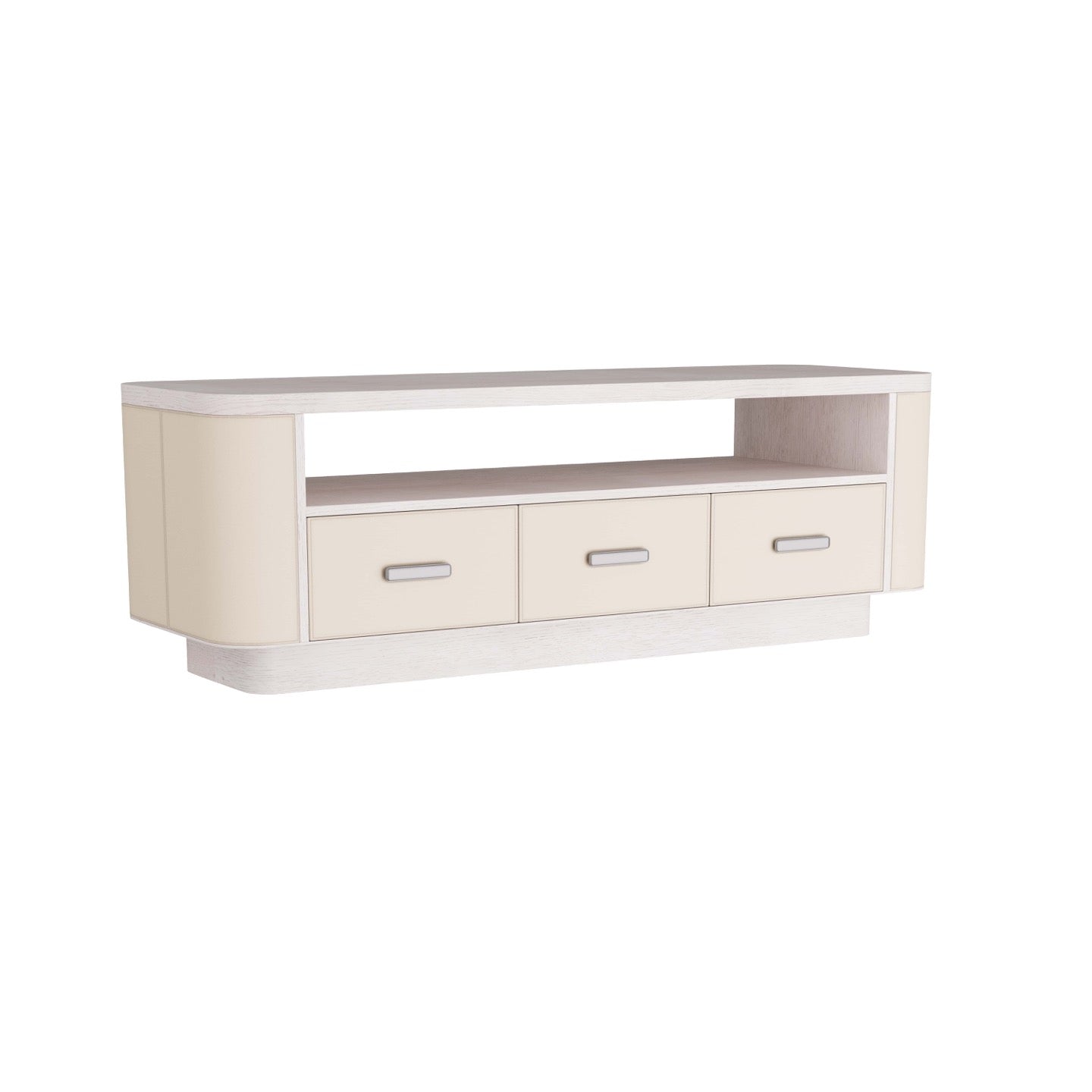
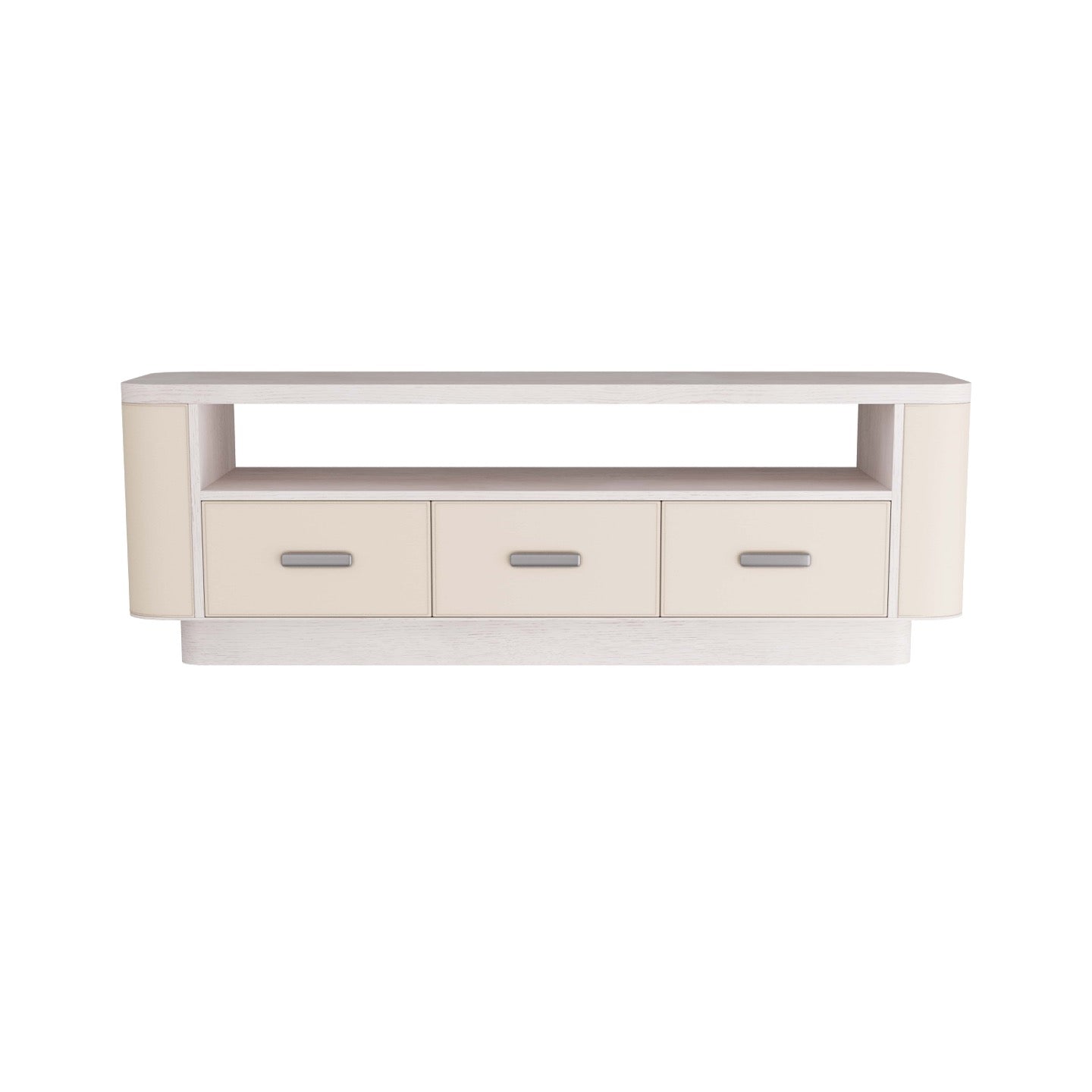
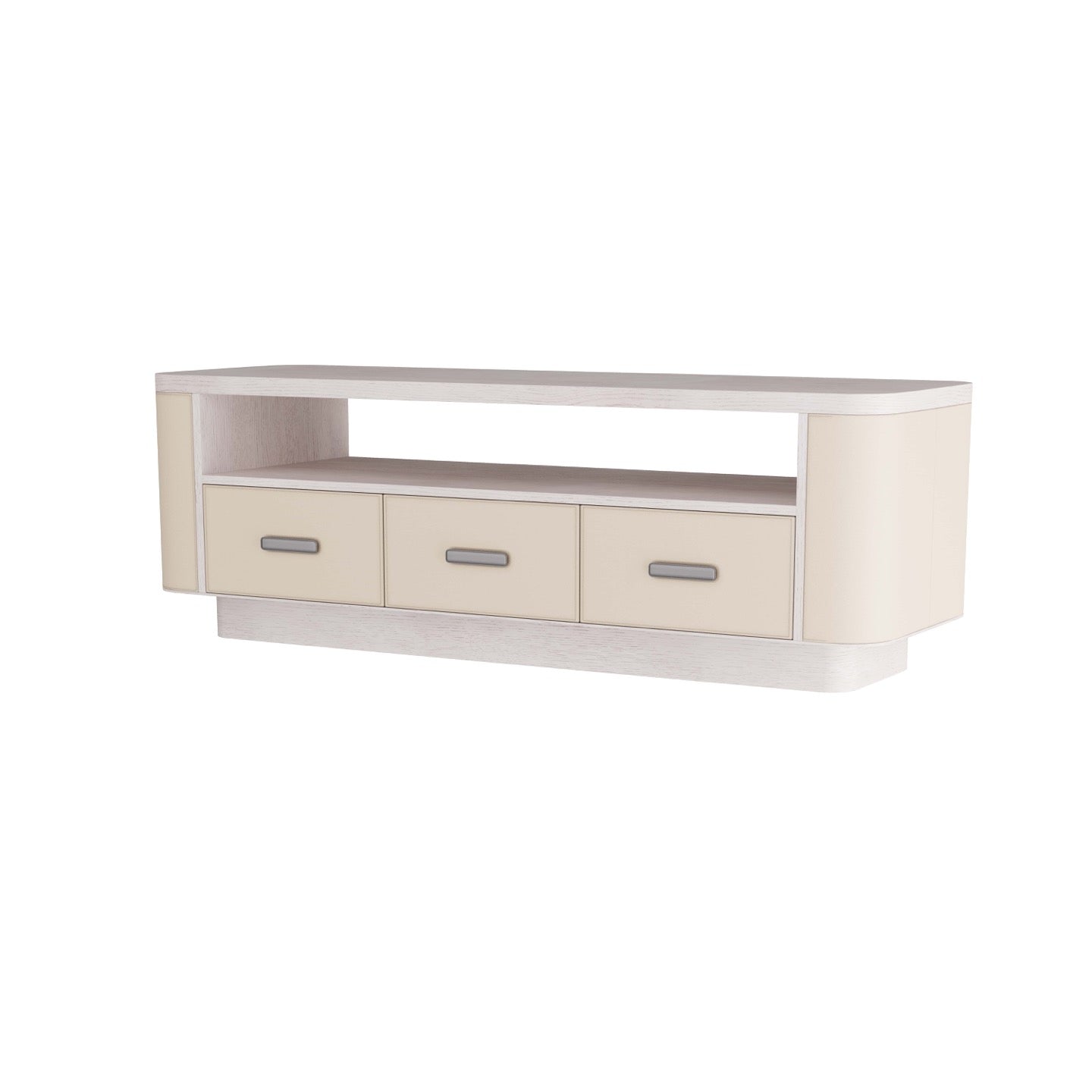
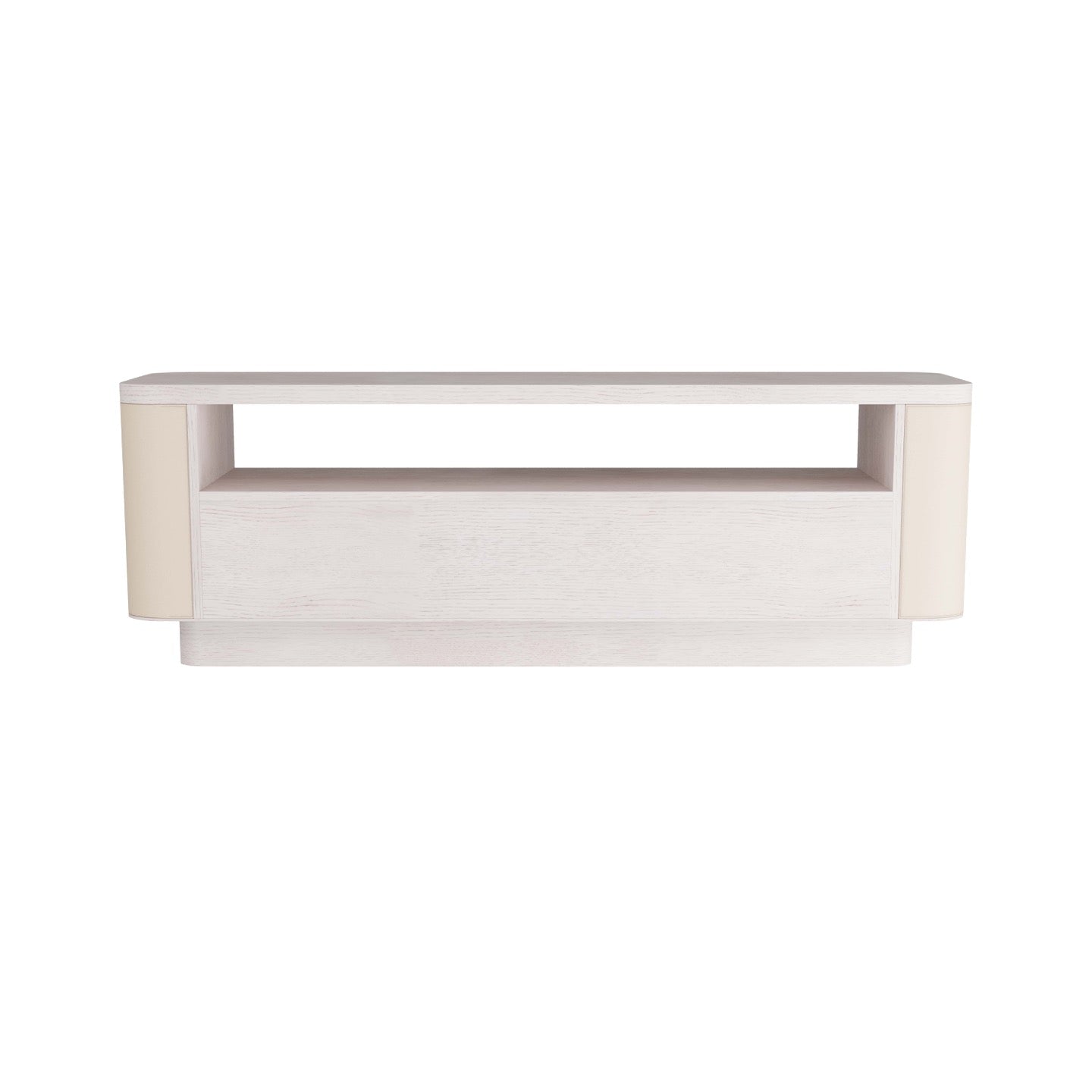
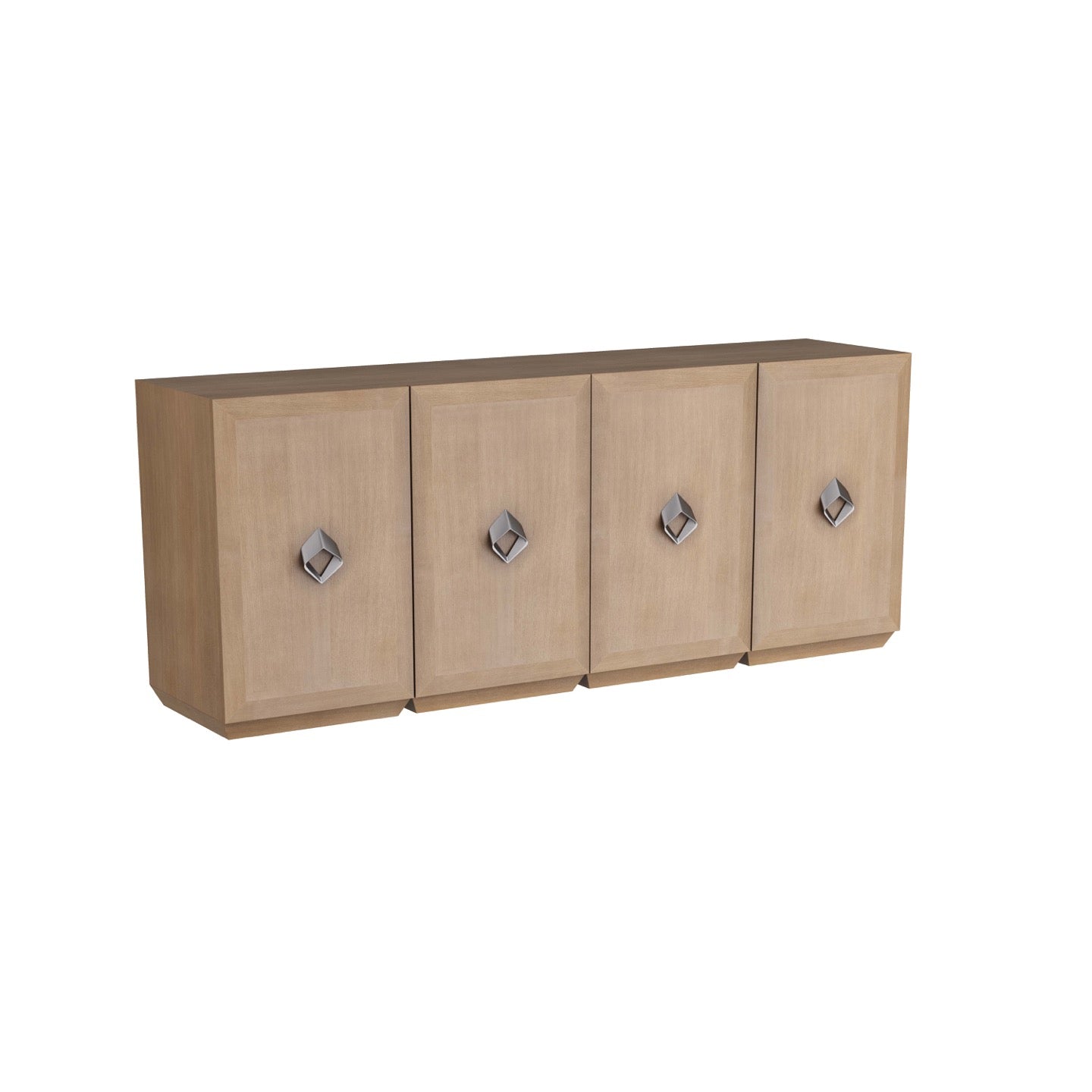
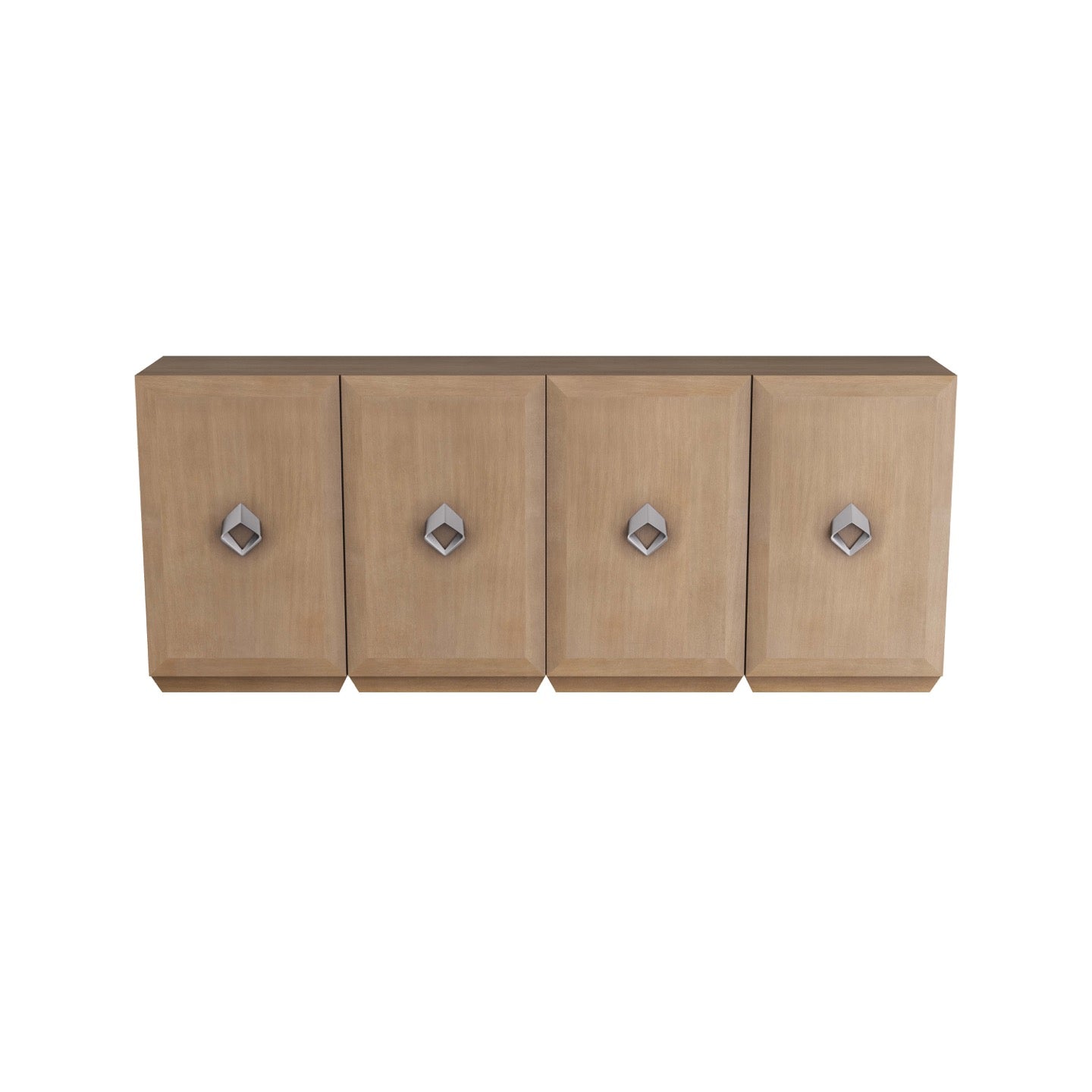
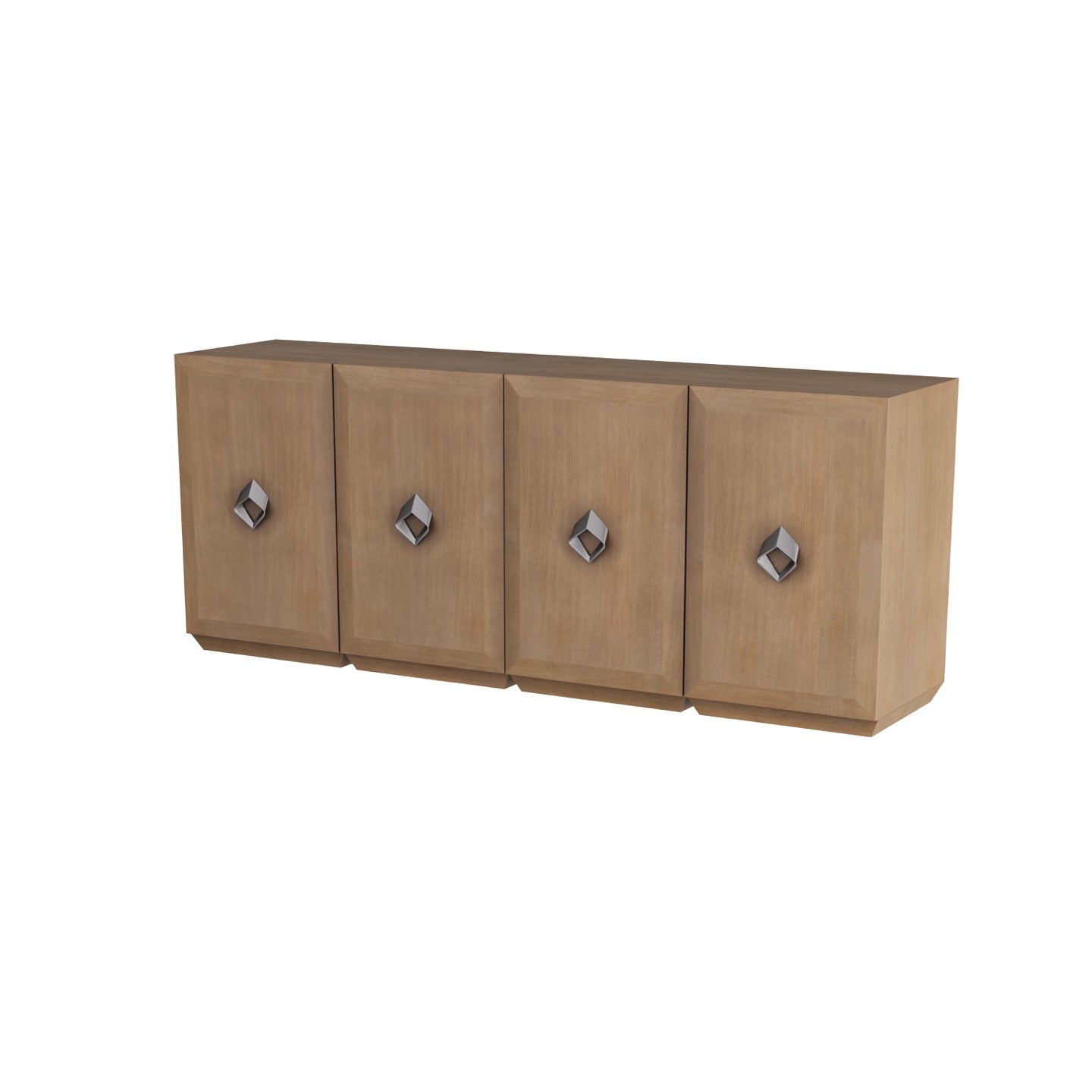
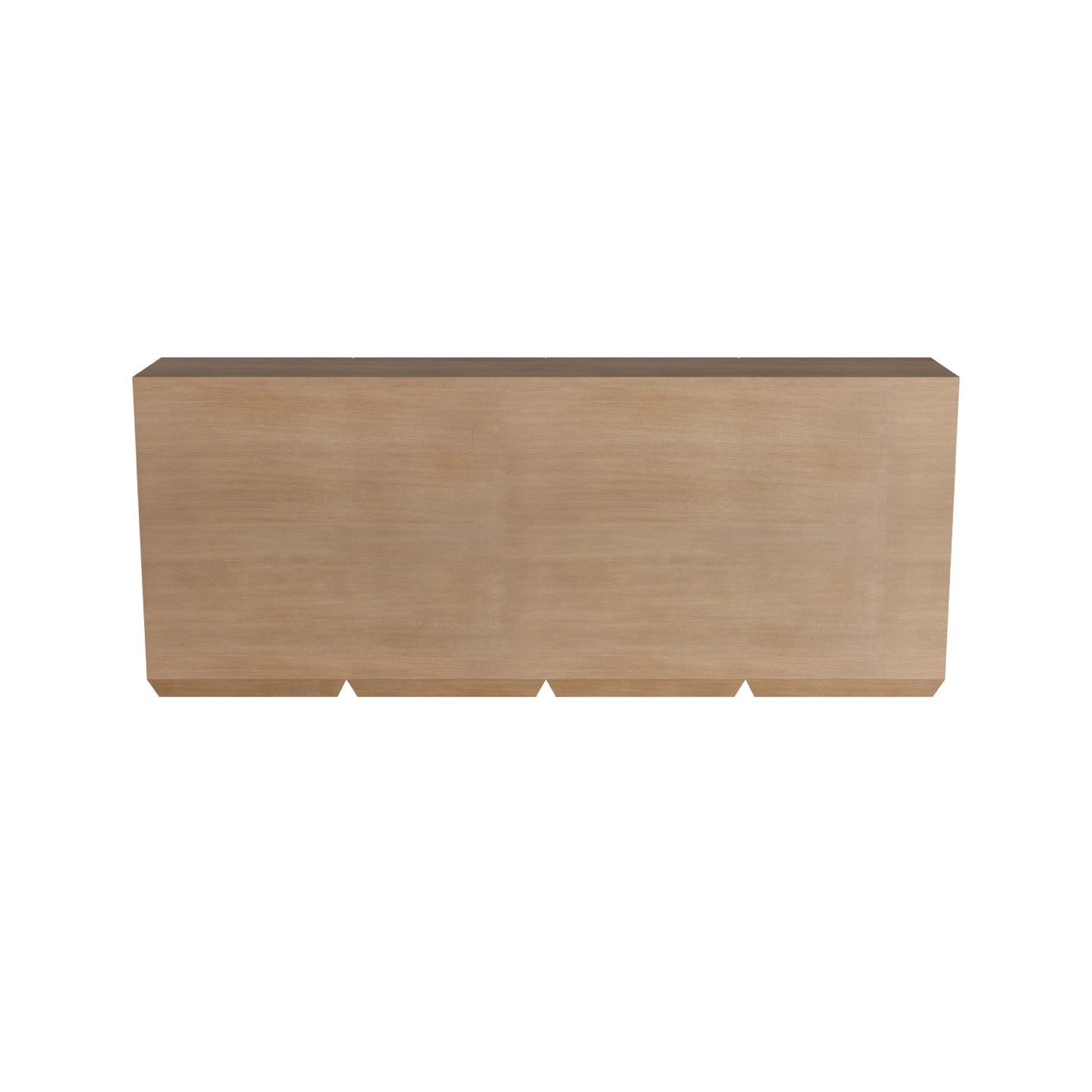
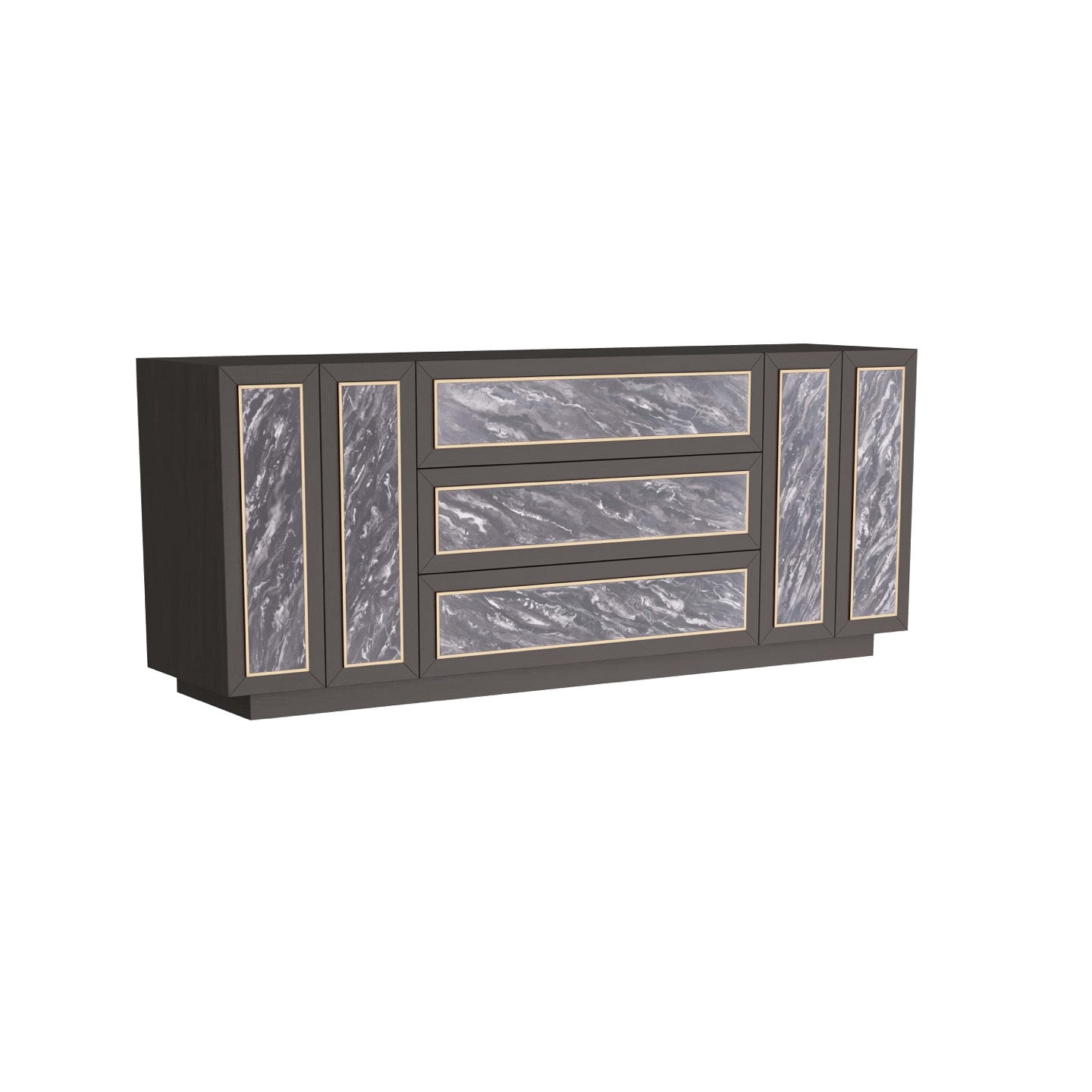
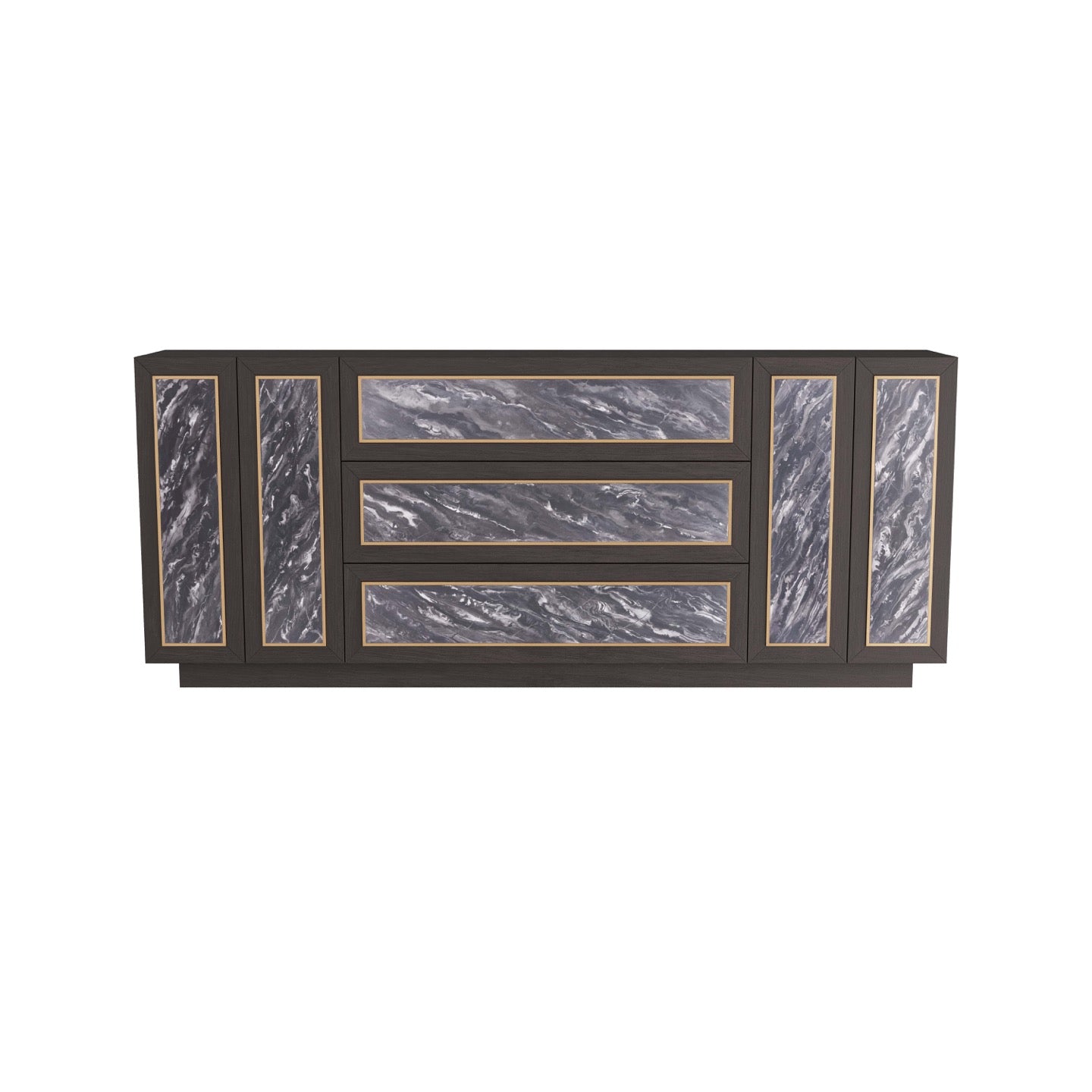
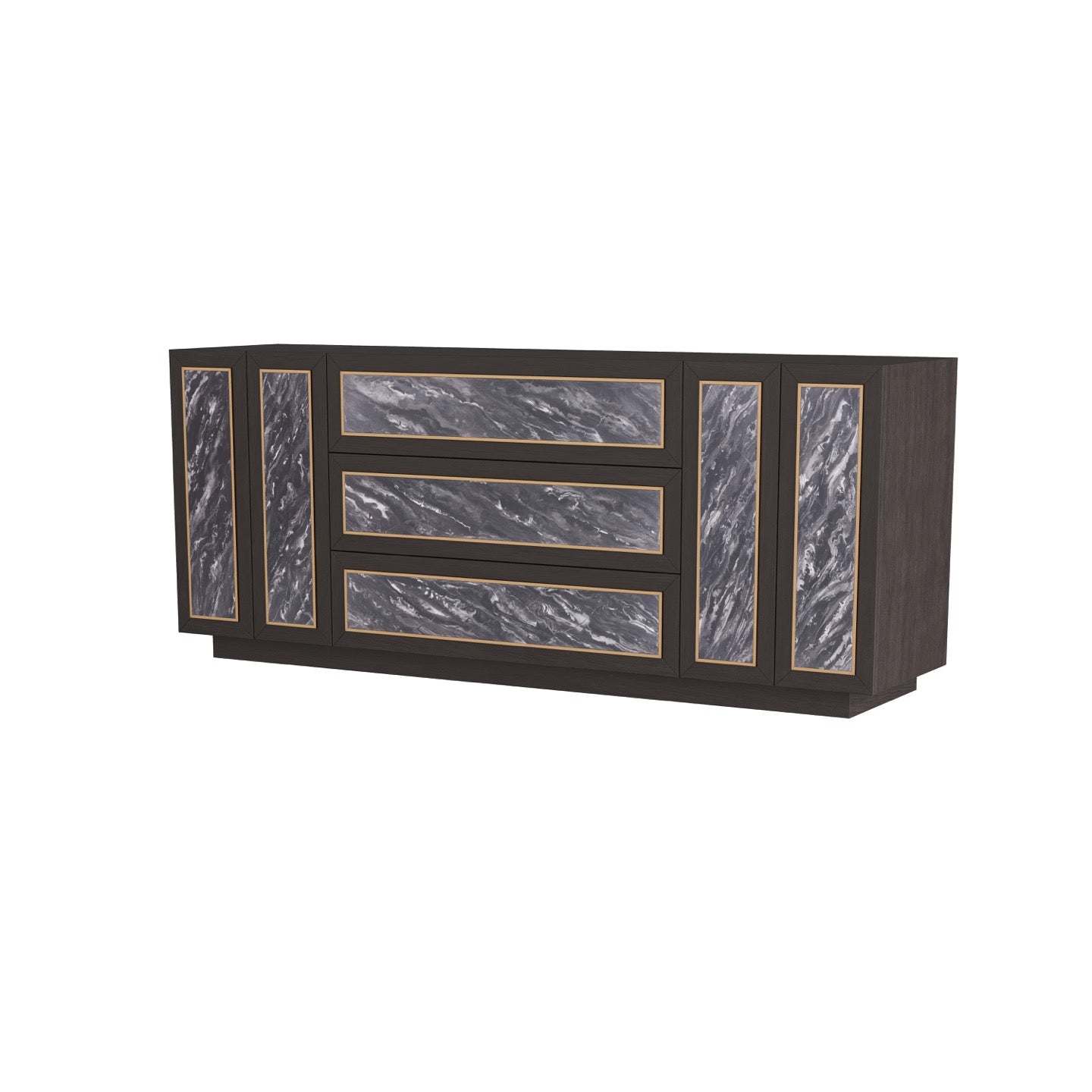
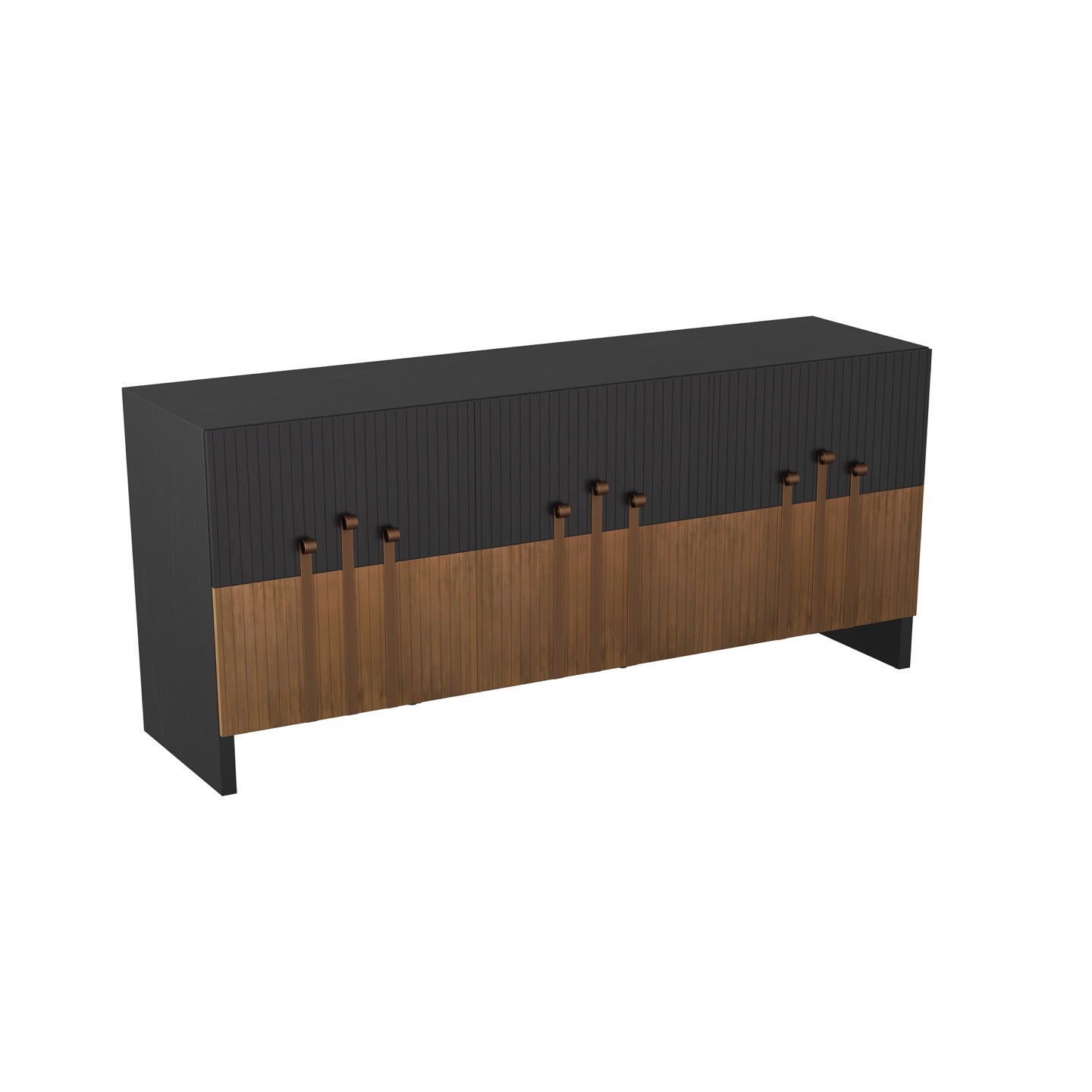
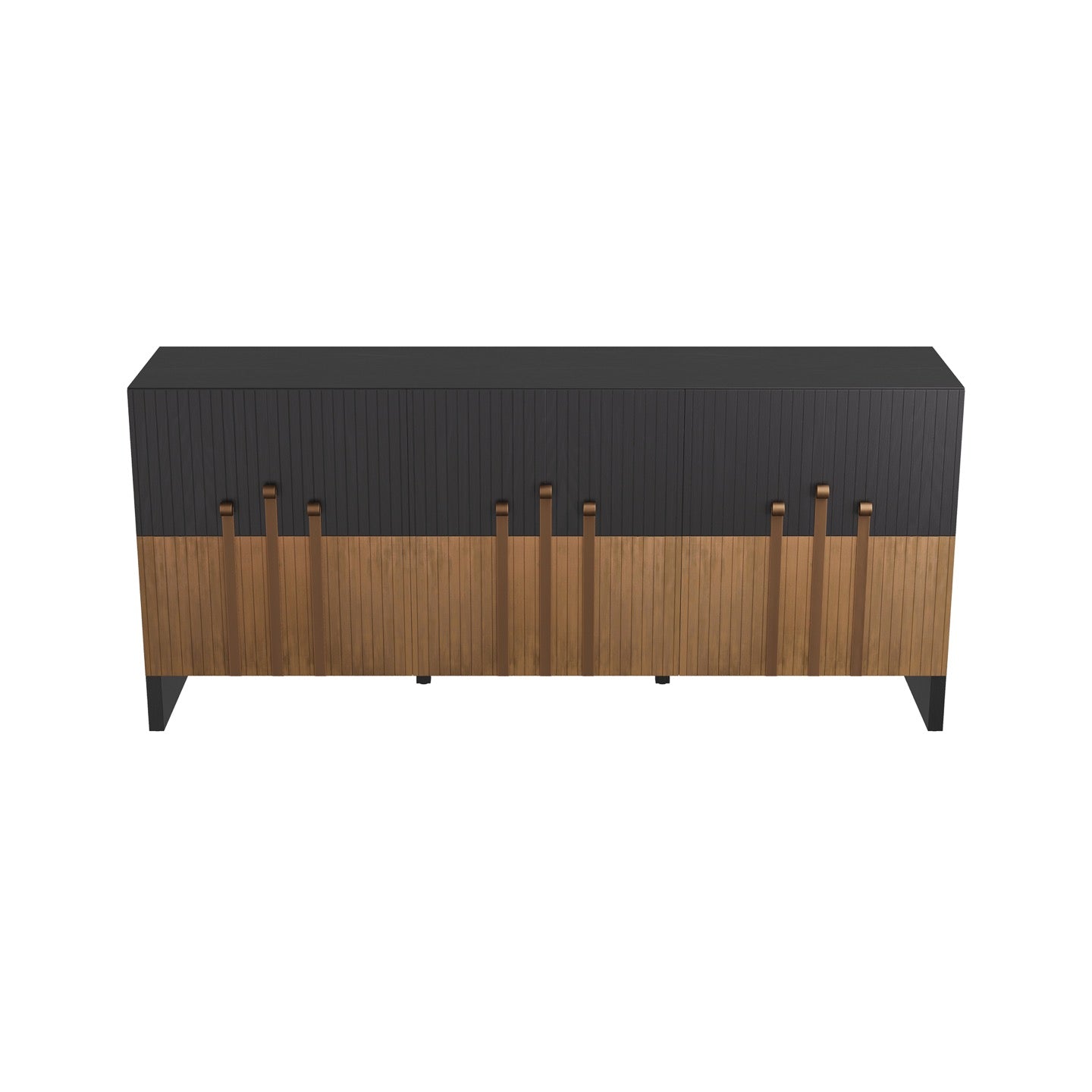
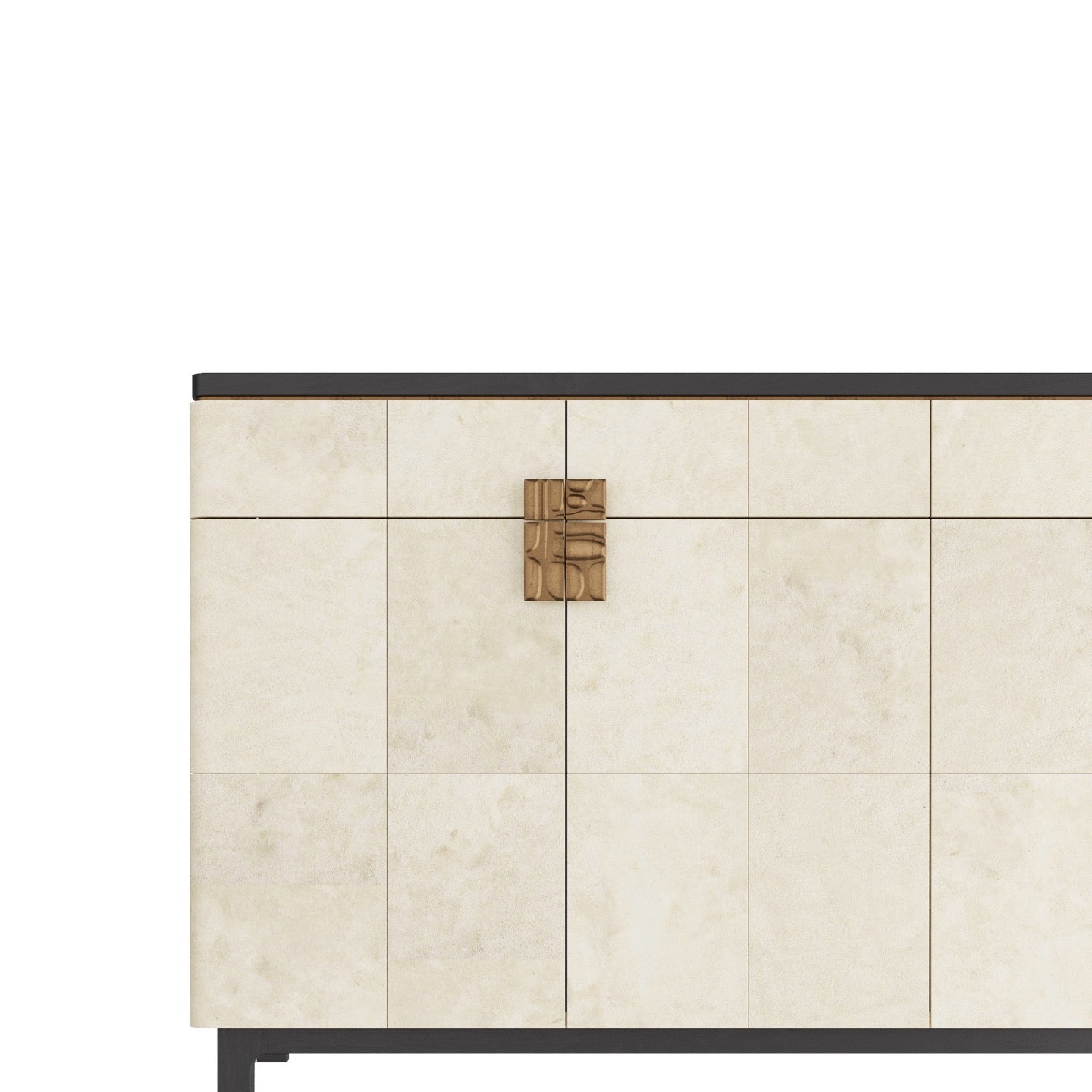
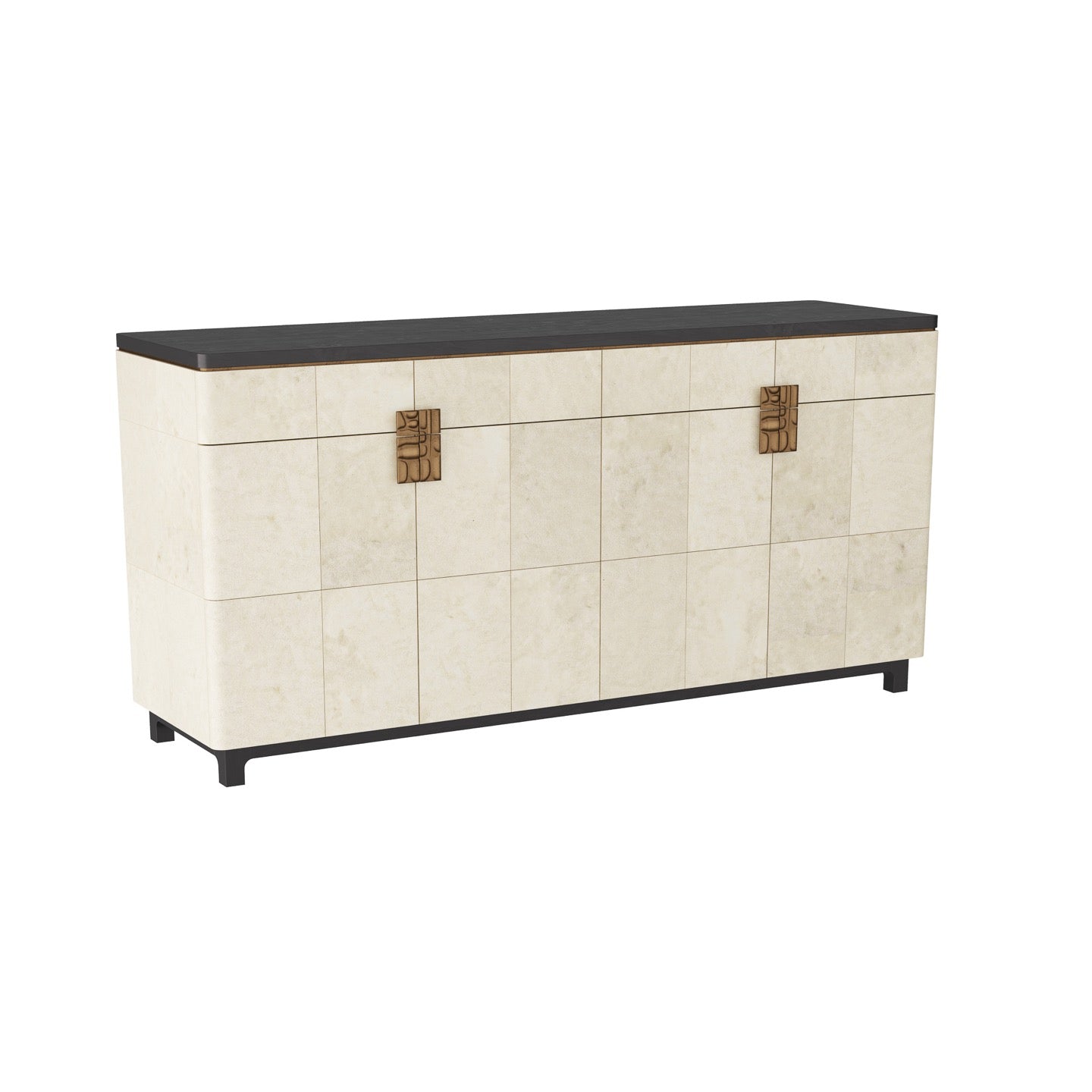
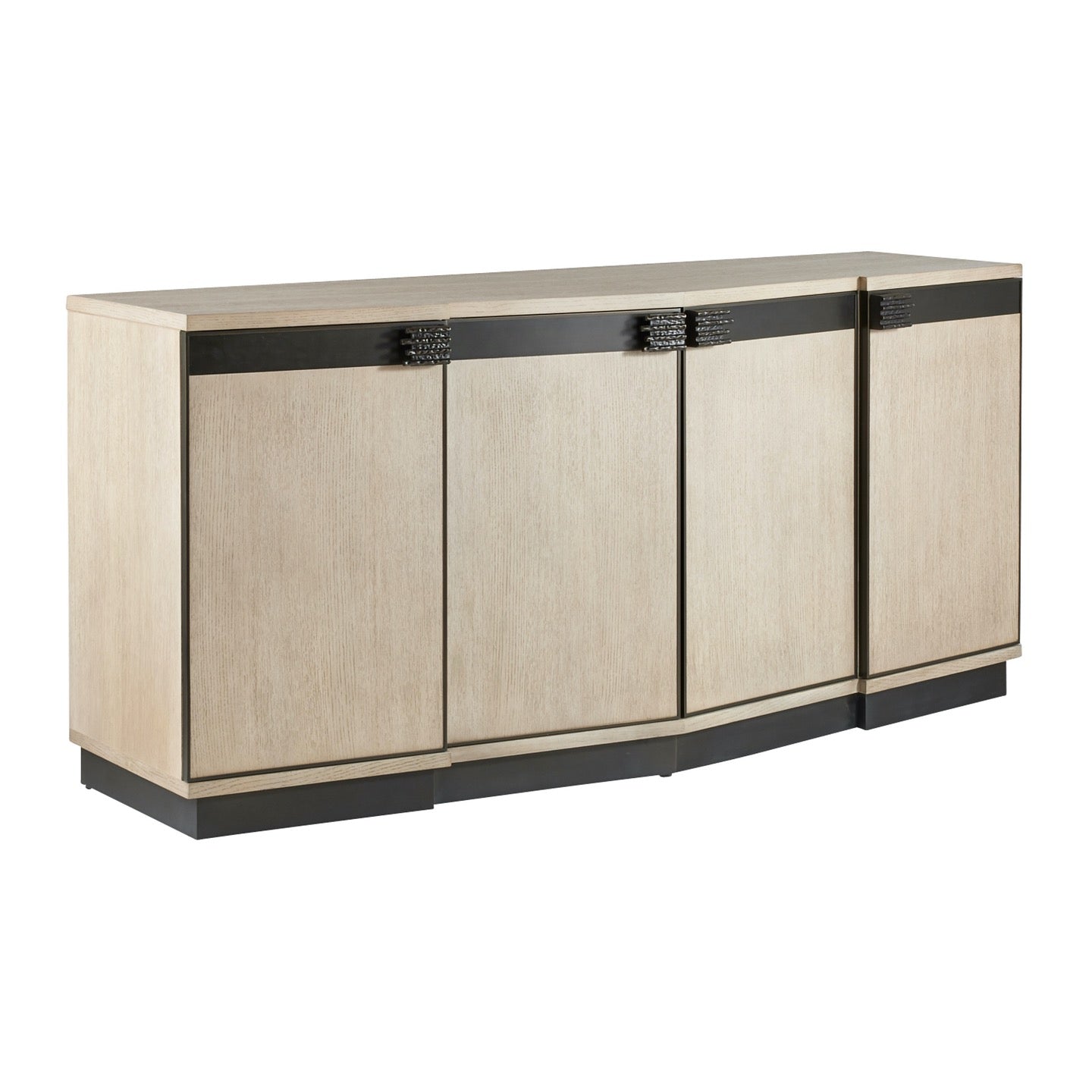
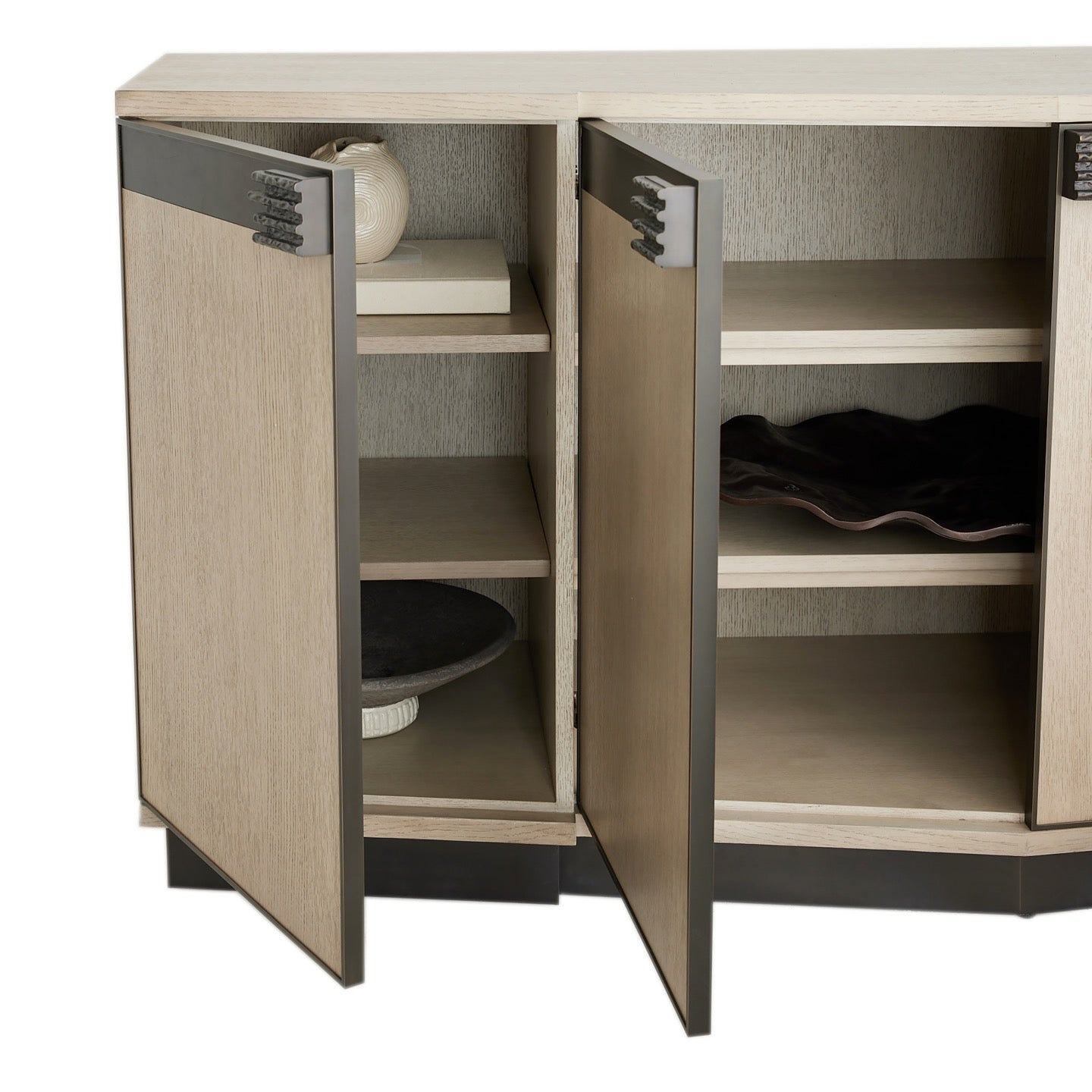
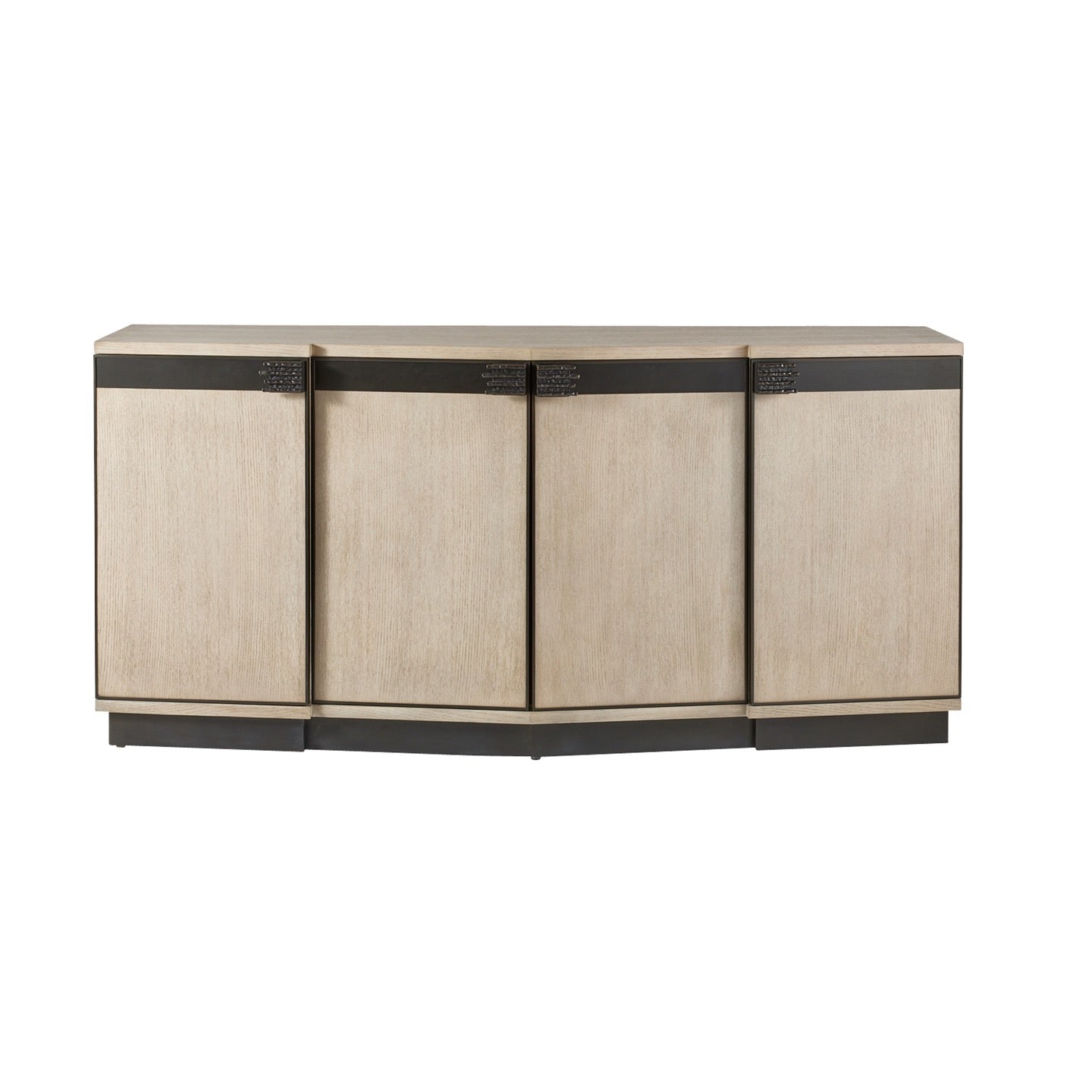
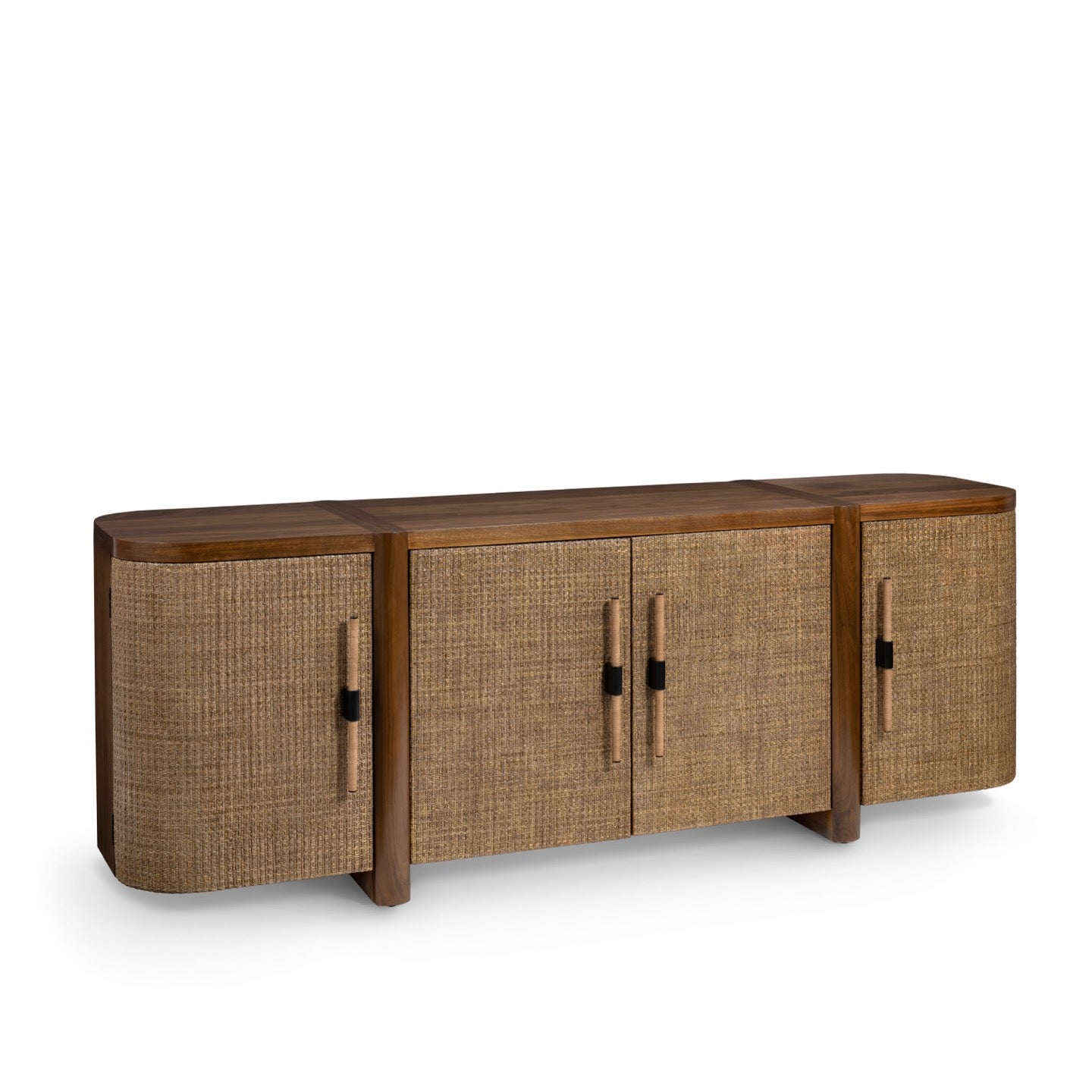
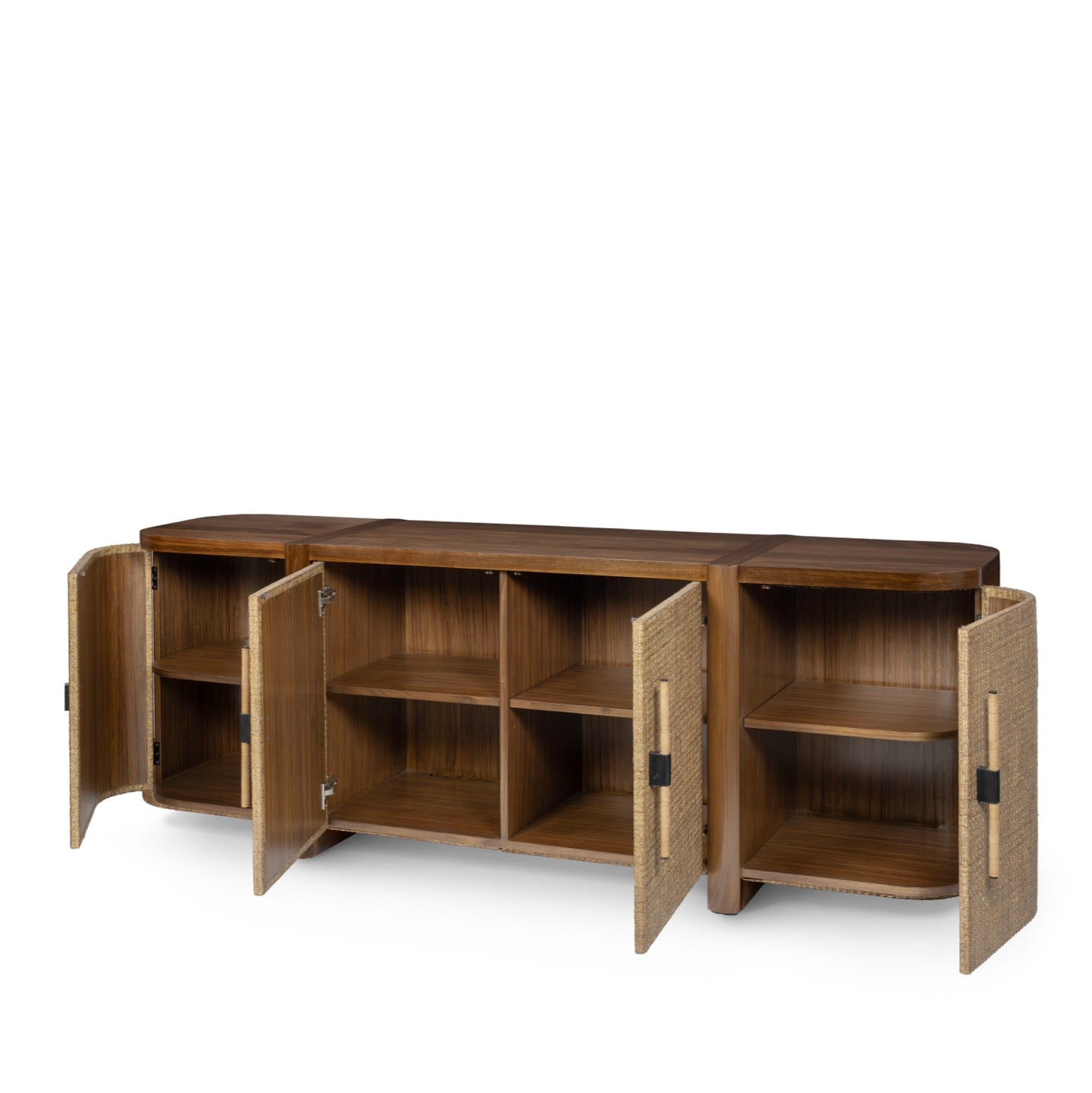
Internal shelving, door configuration and cable access vary across the range, which makes some designs better suited to dining storage and others to media, entry or living-room use.
Materials and craftsmanship
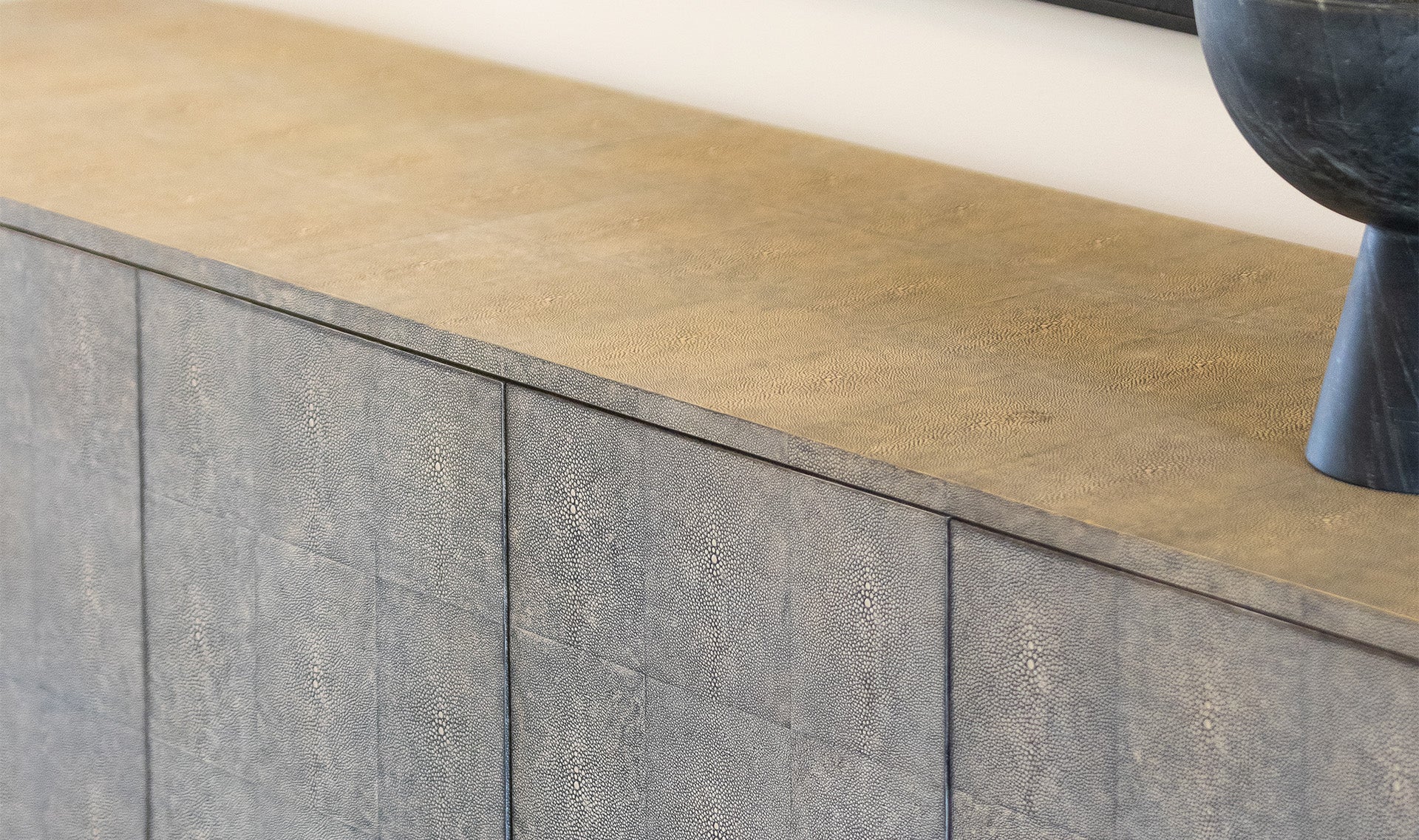
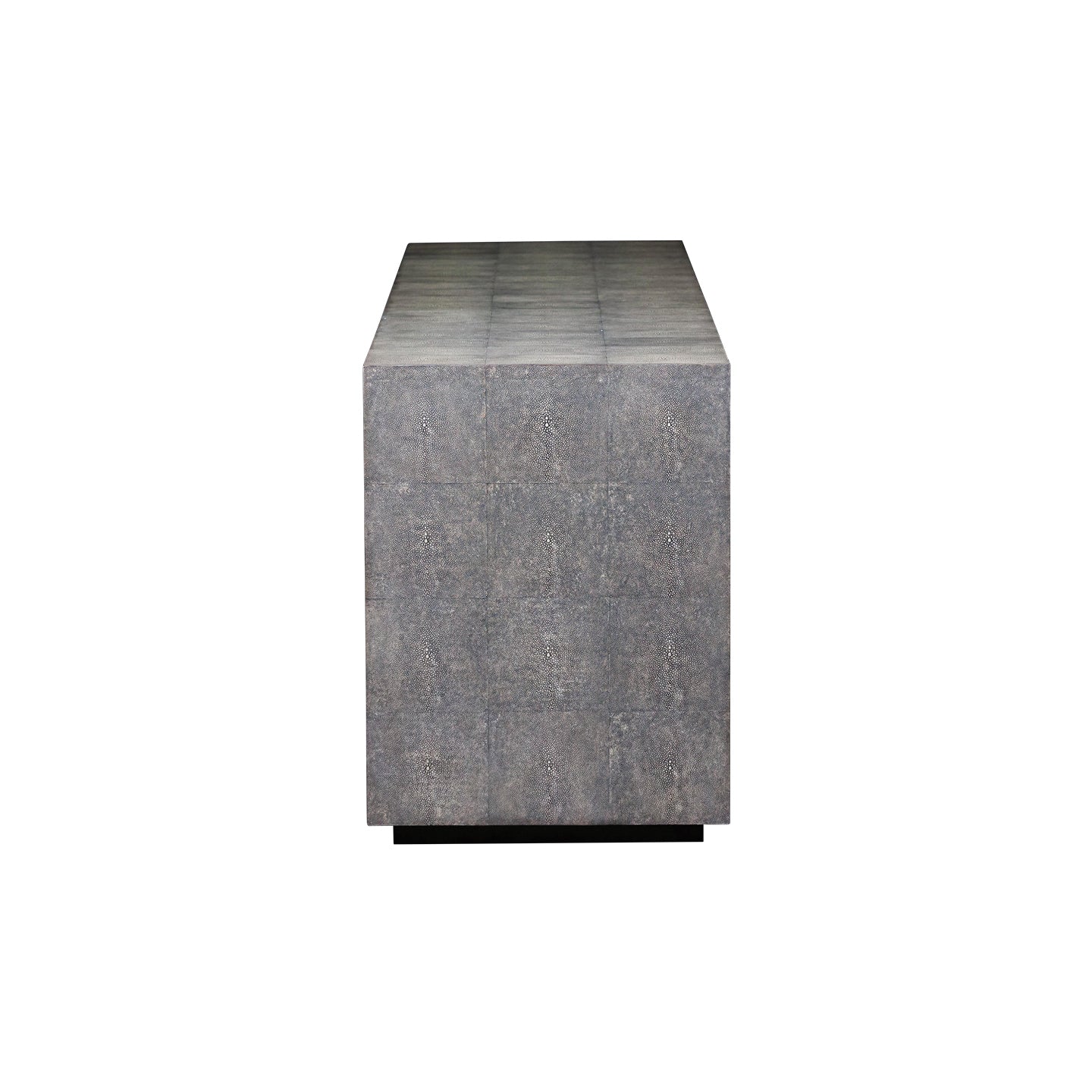
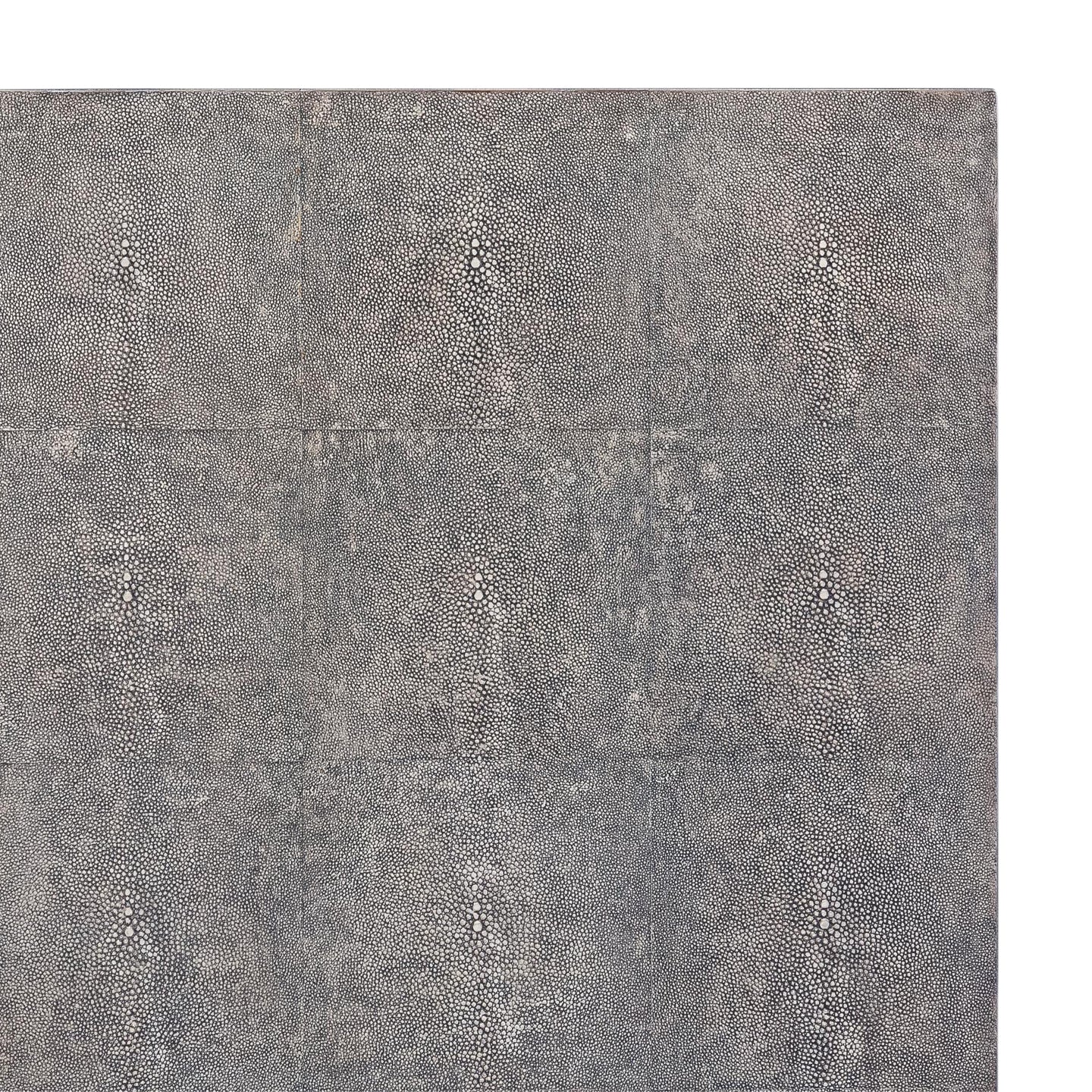
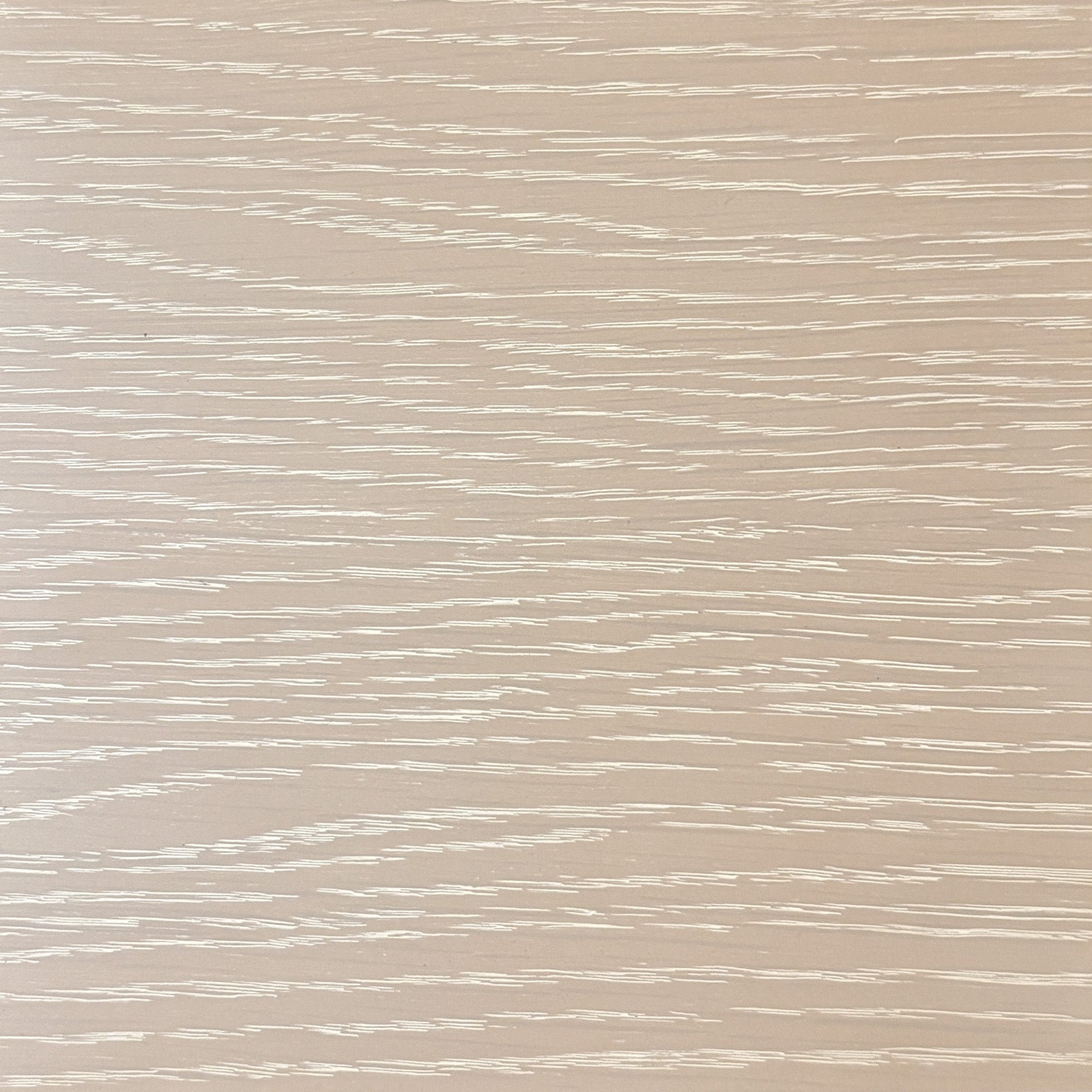
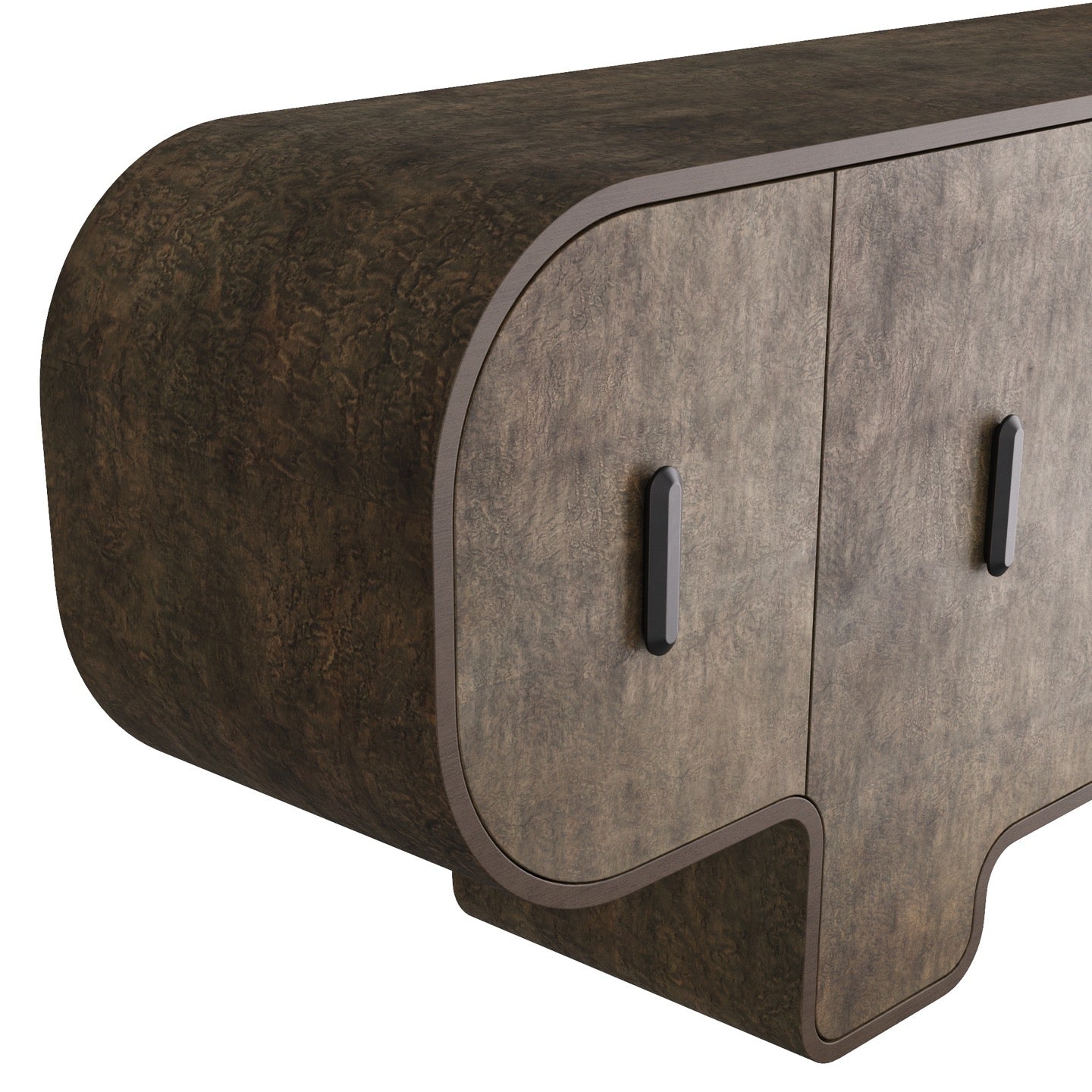
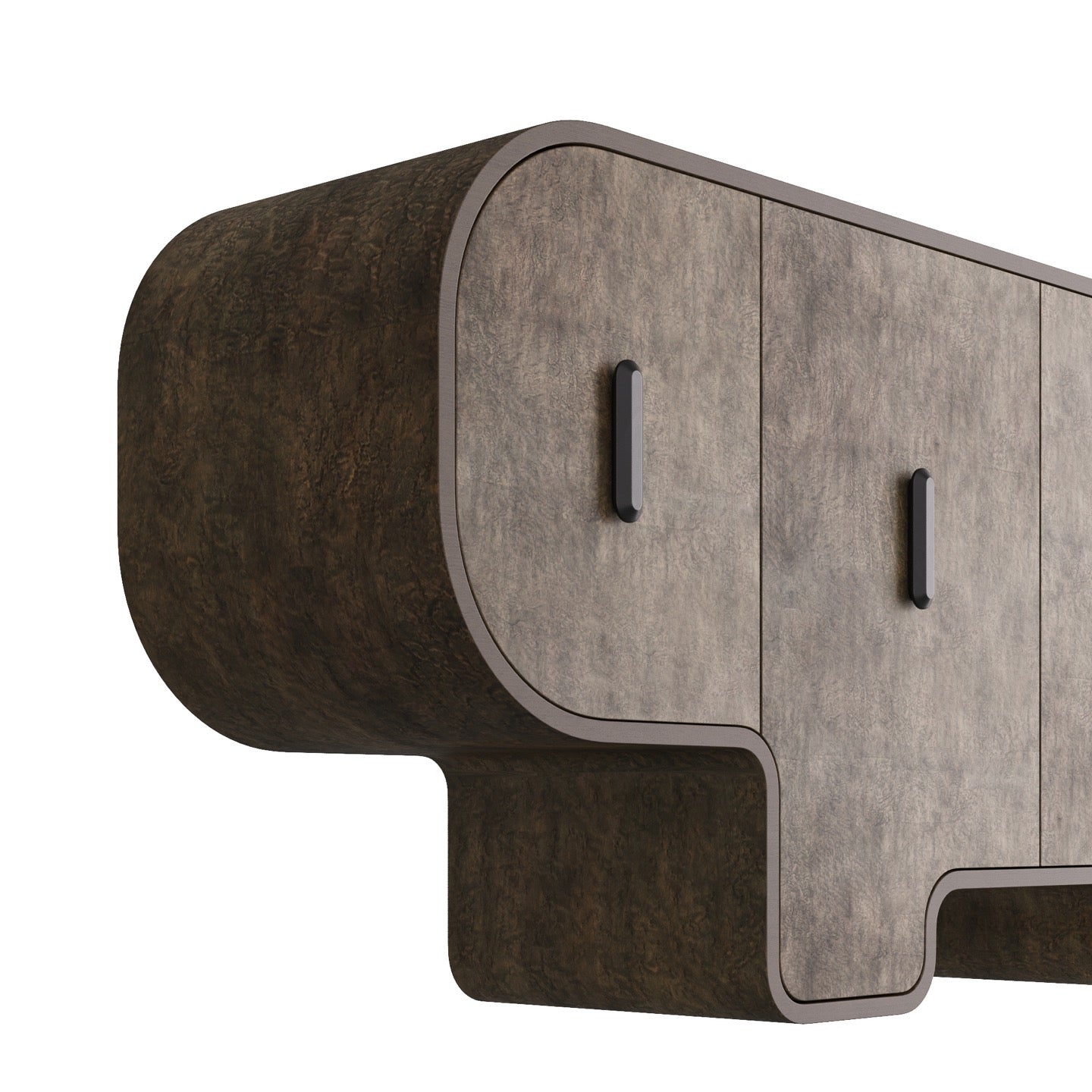
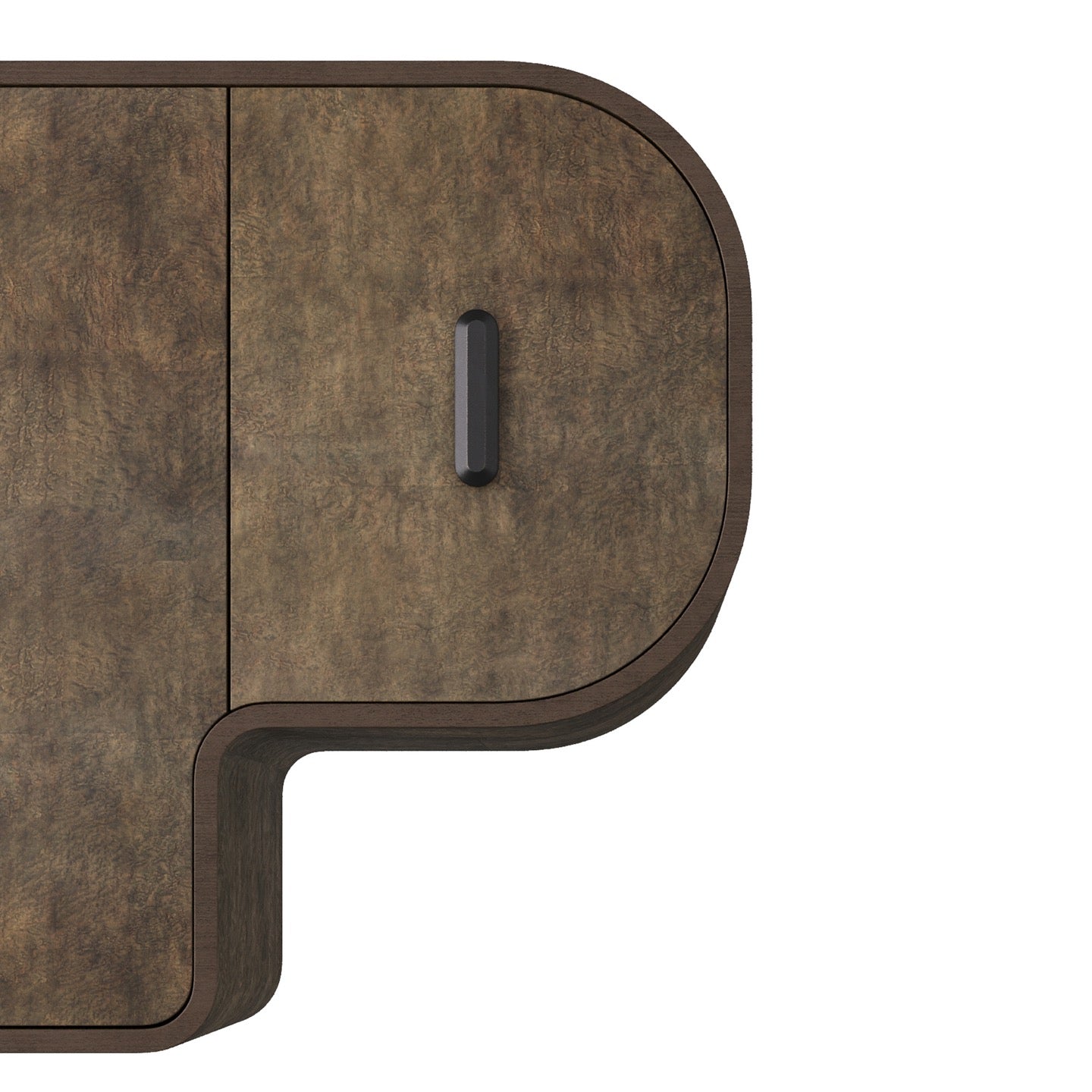
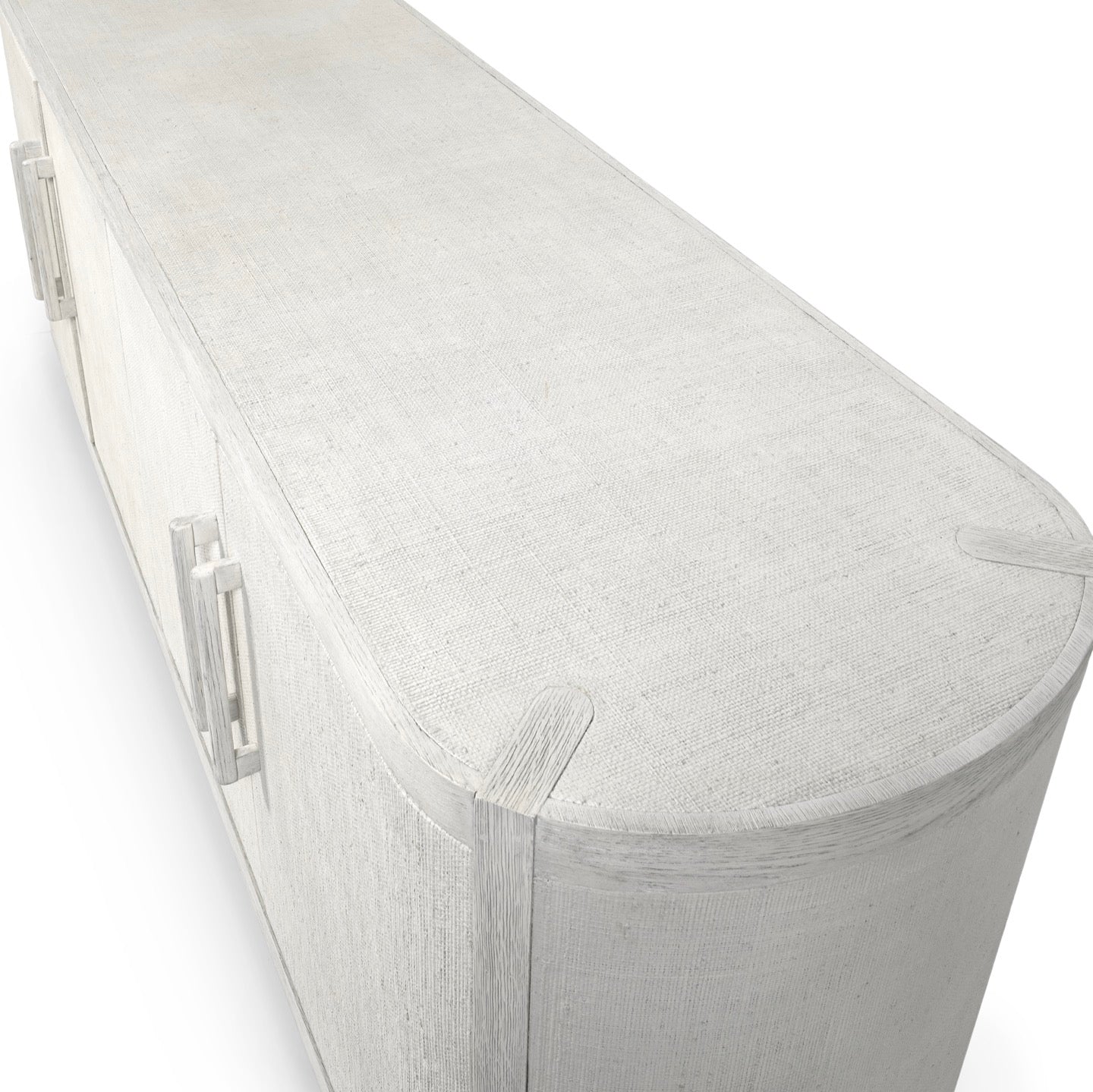
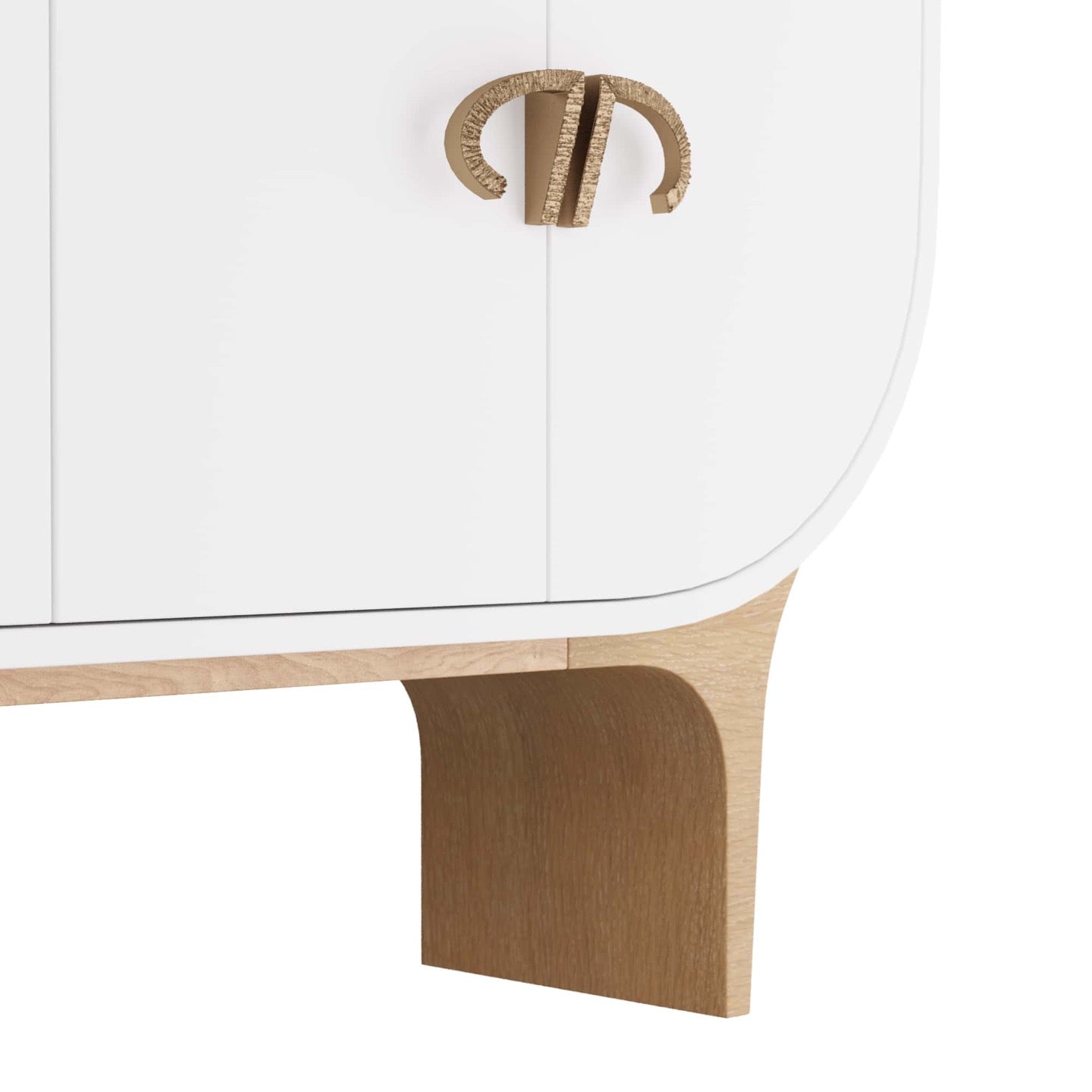
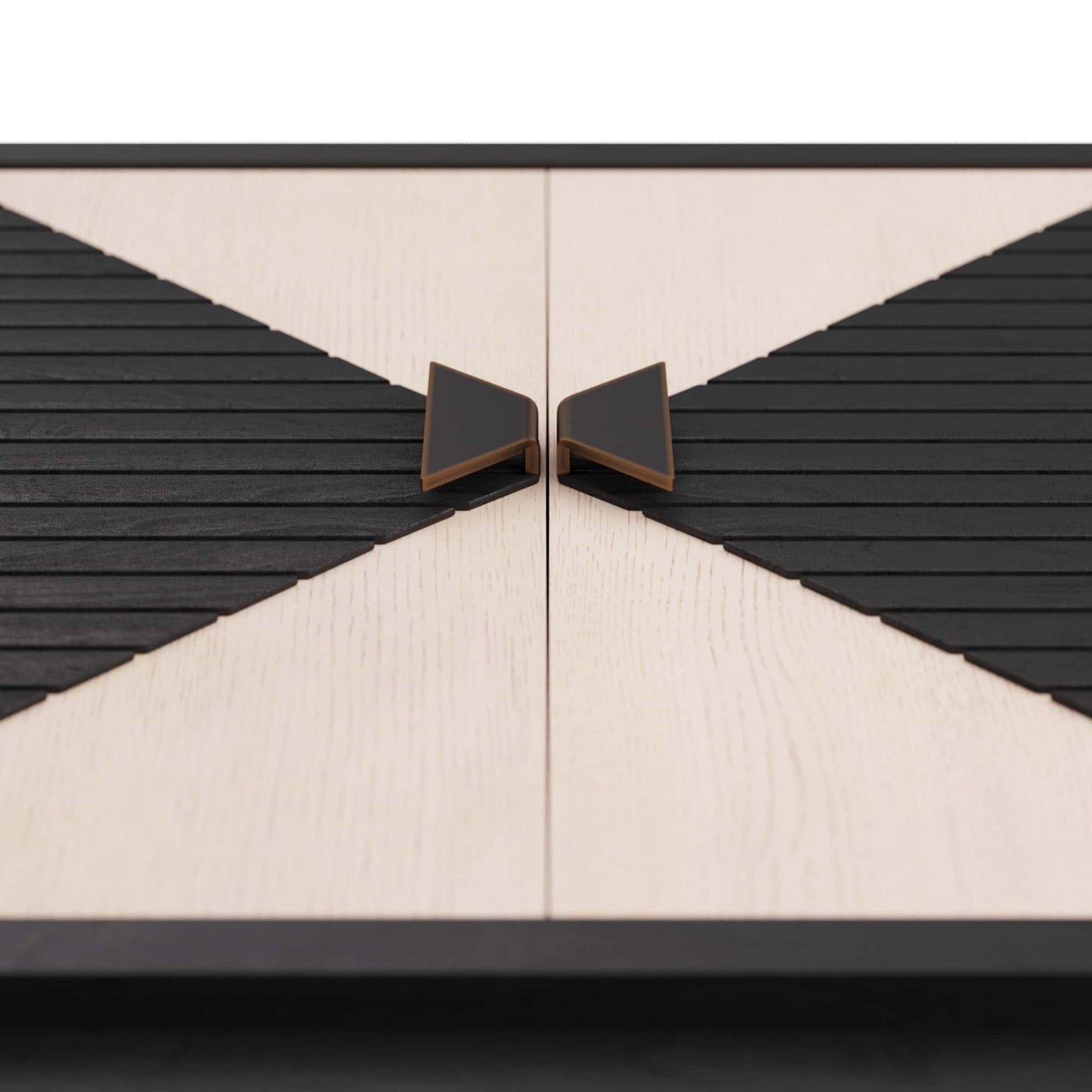
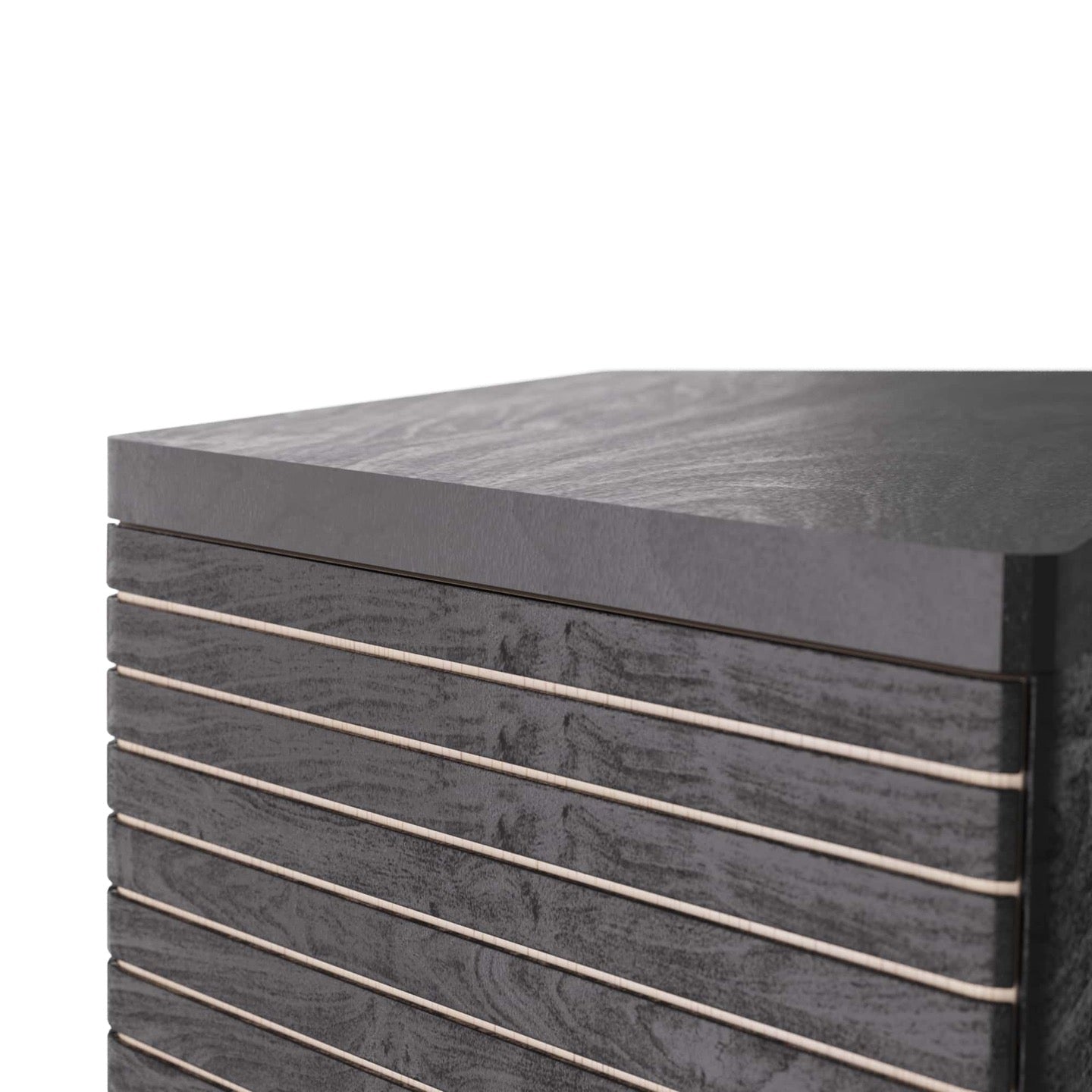
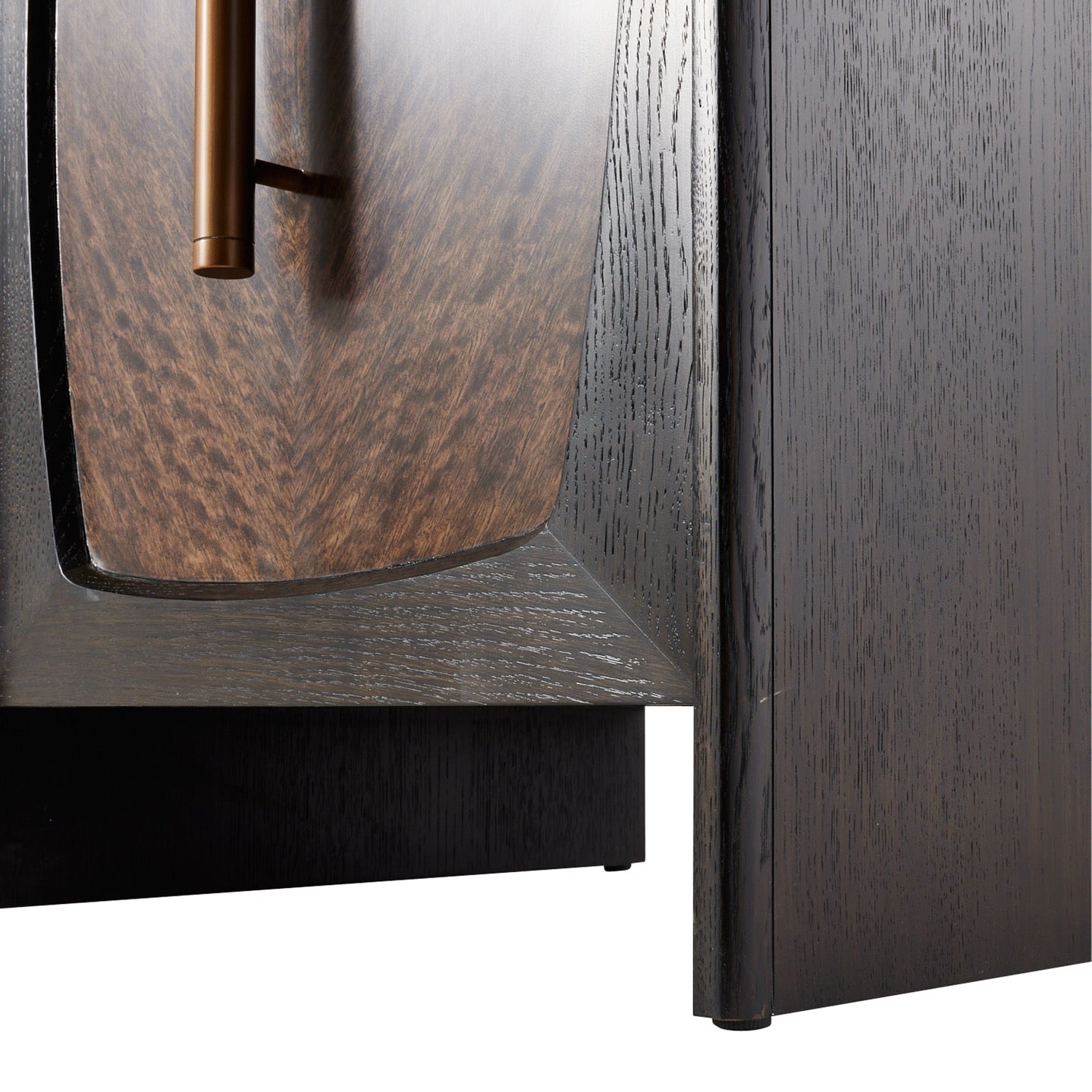
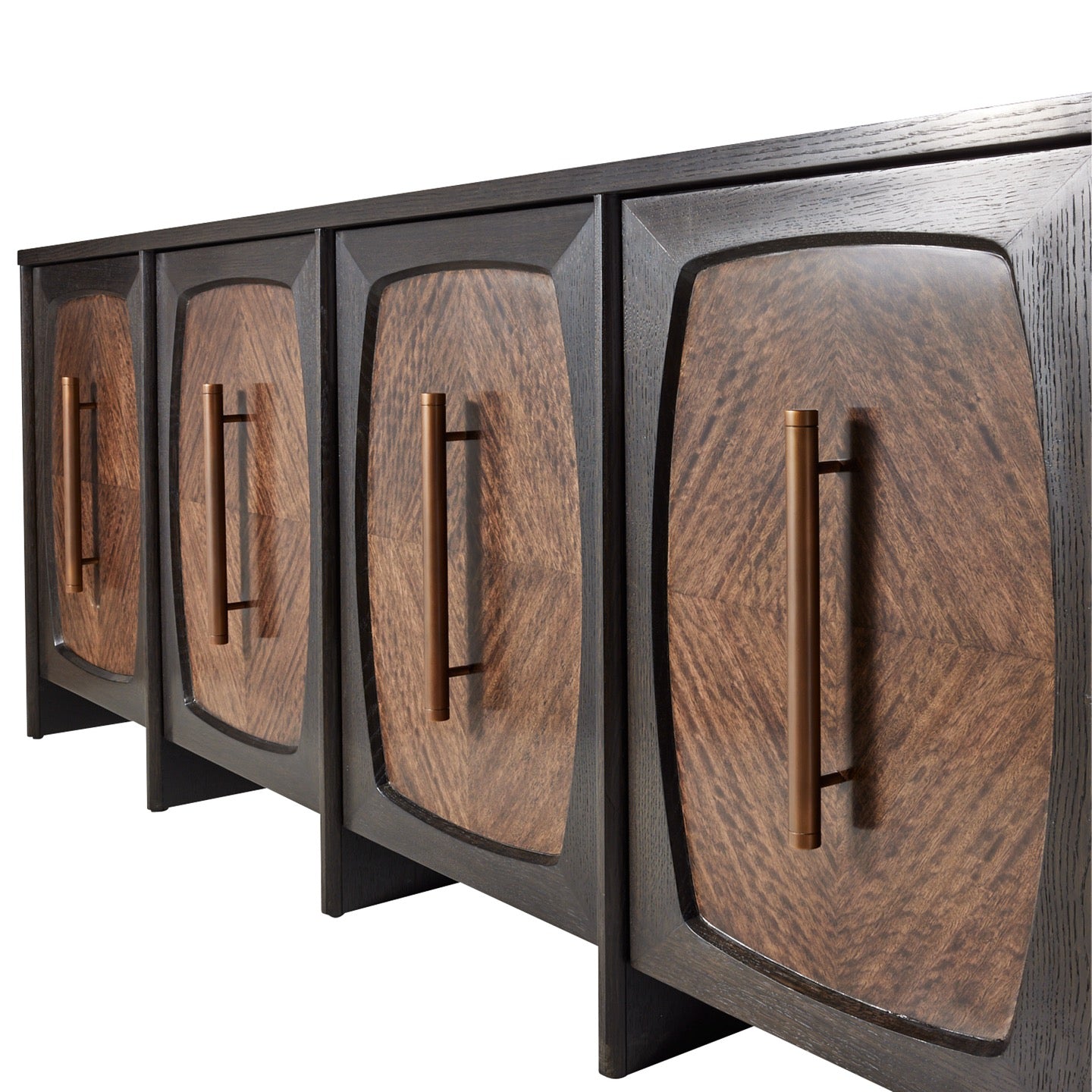
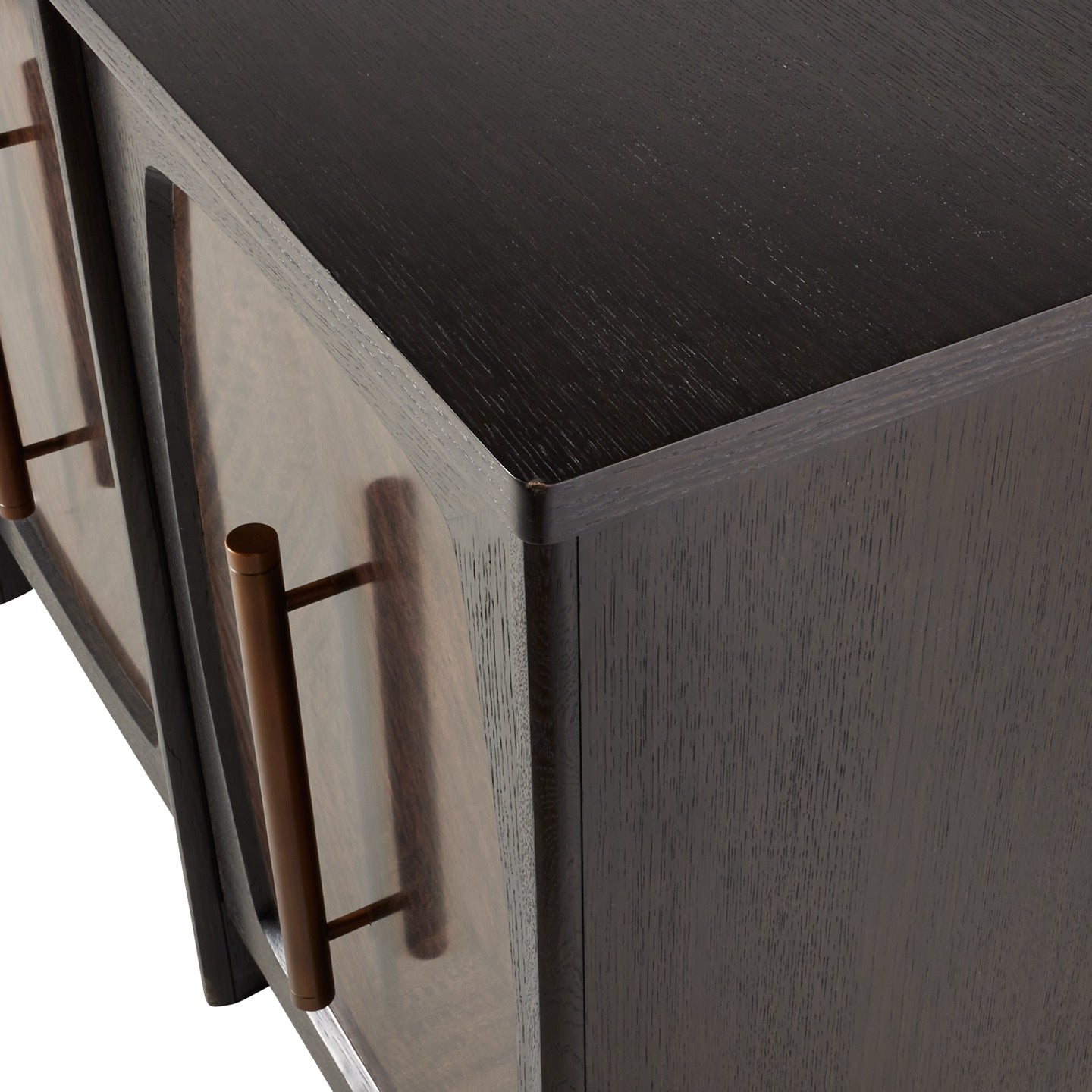
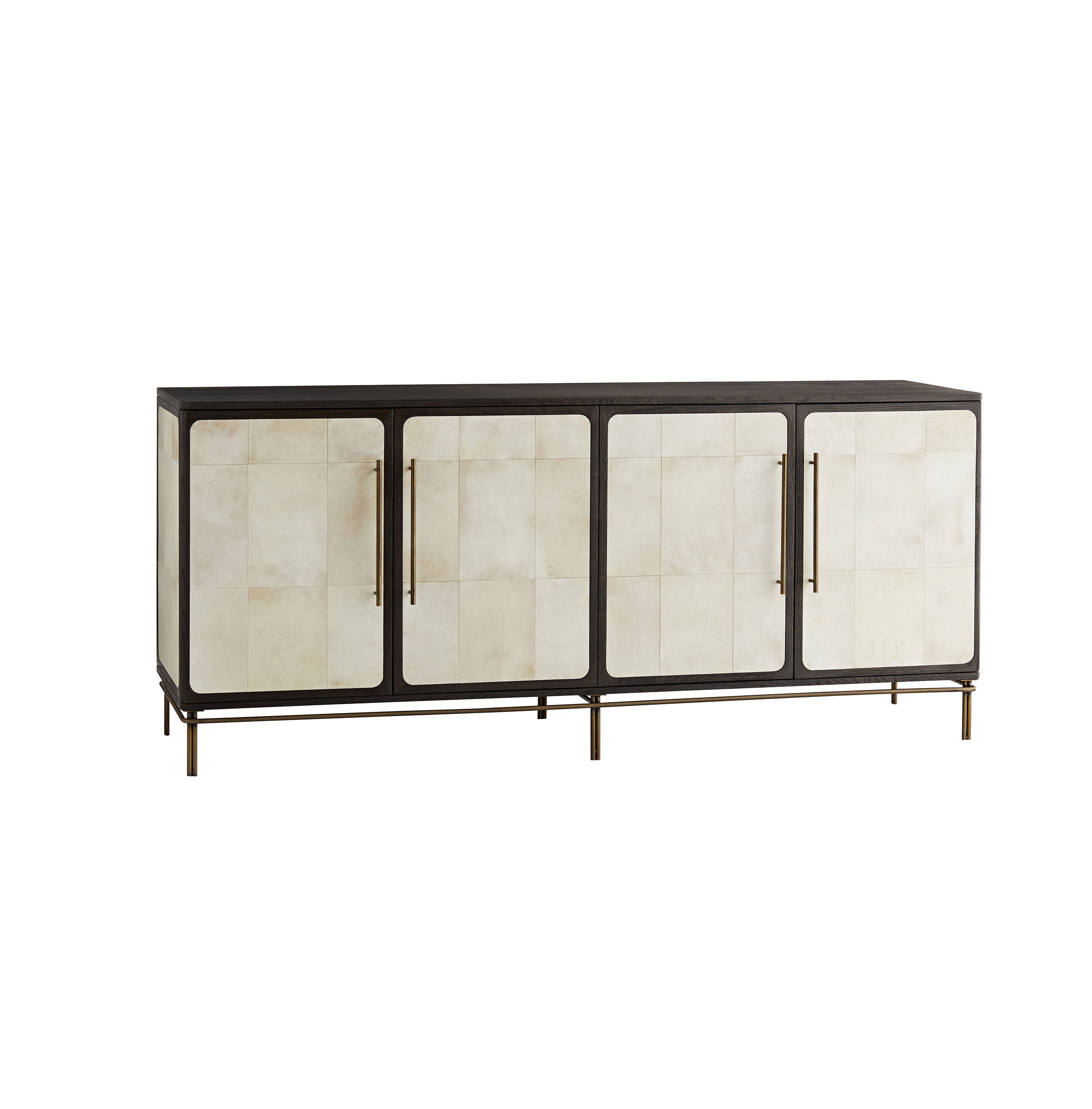
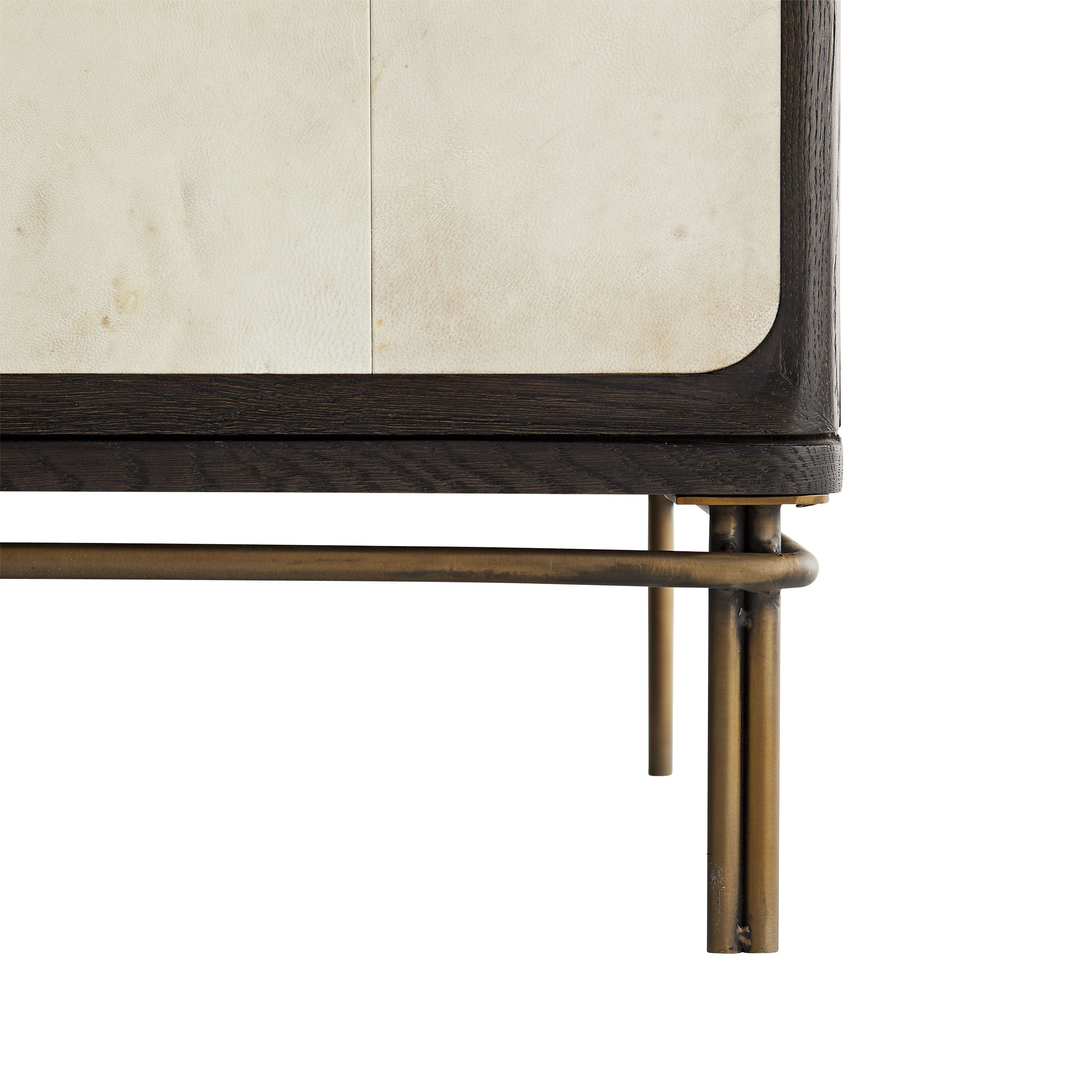
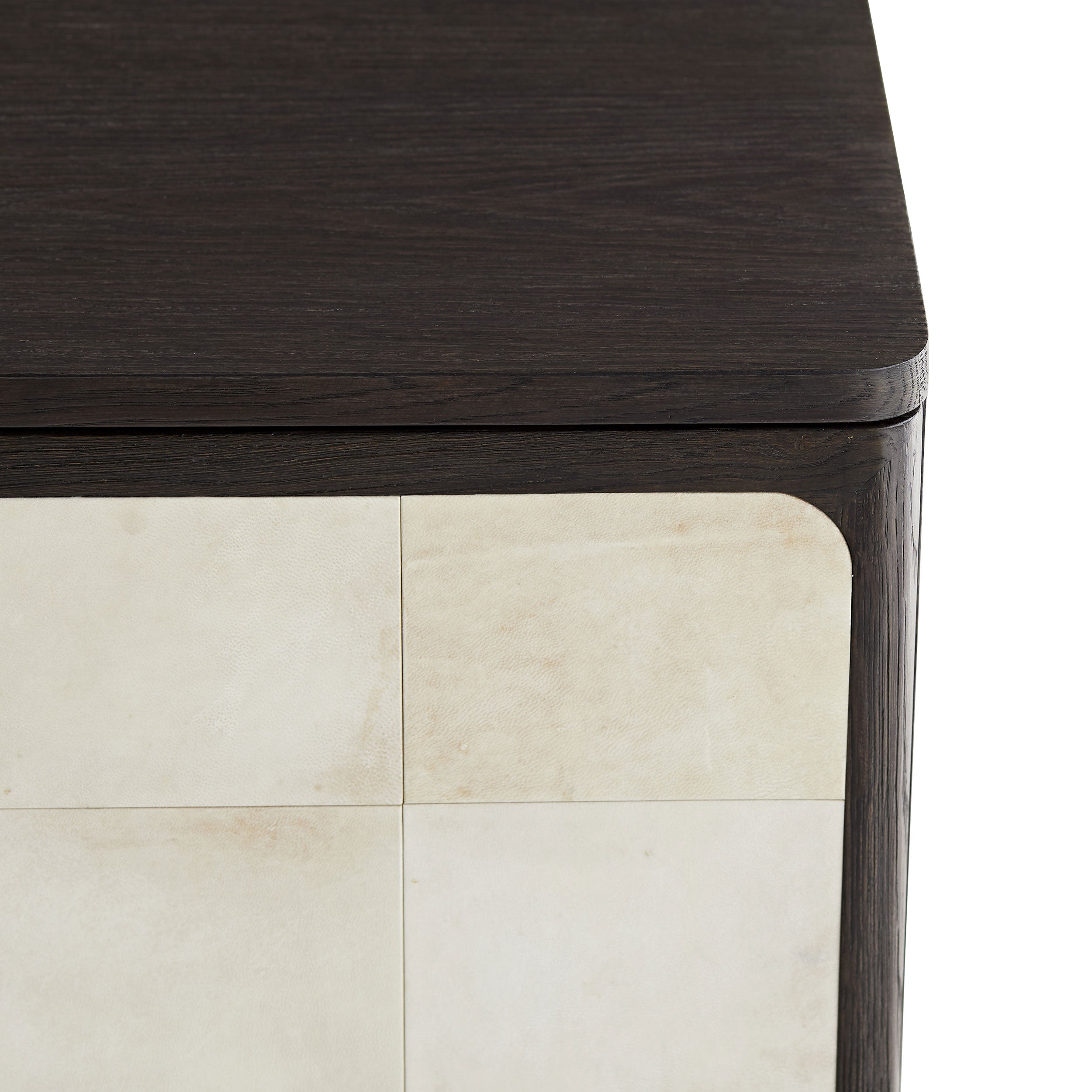
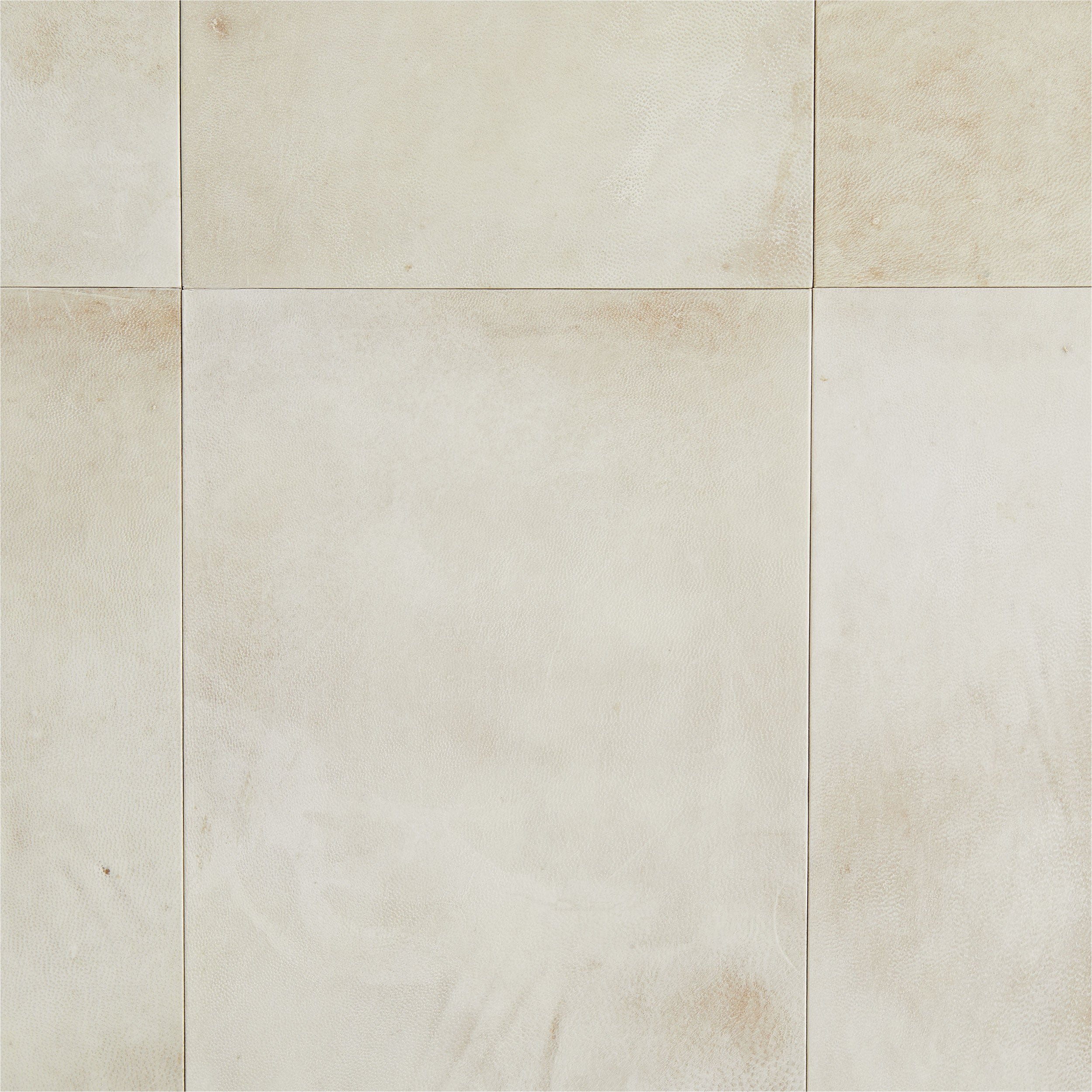
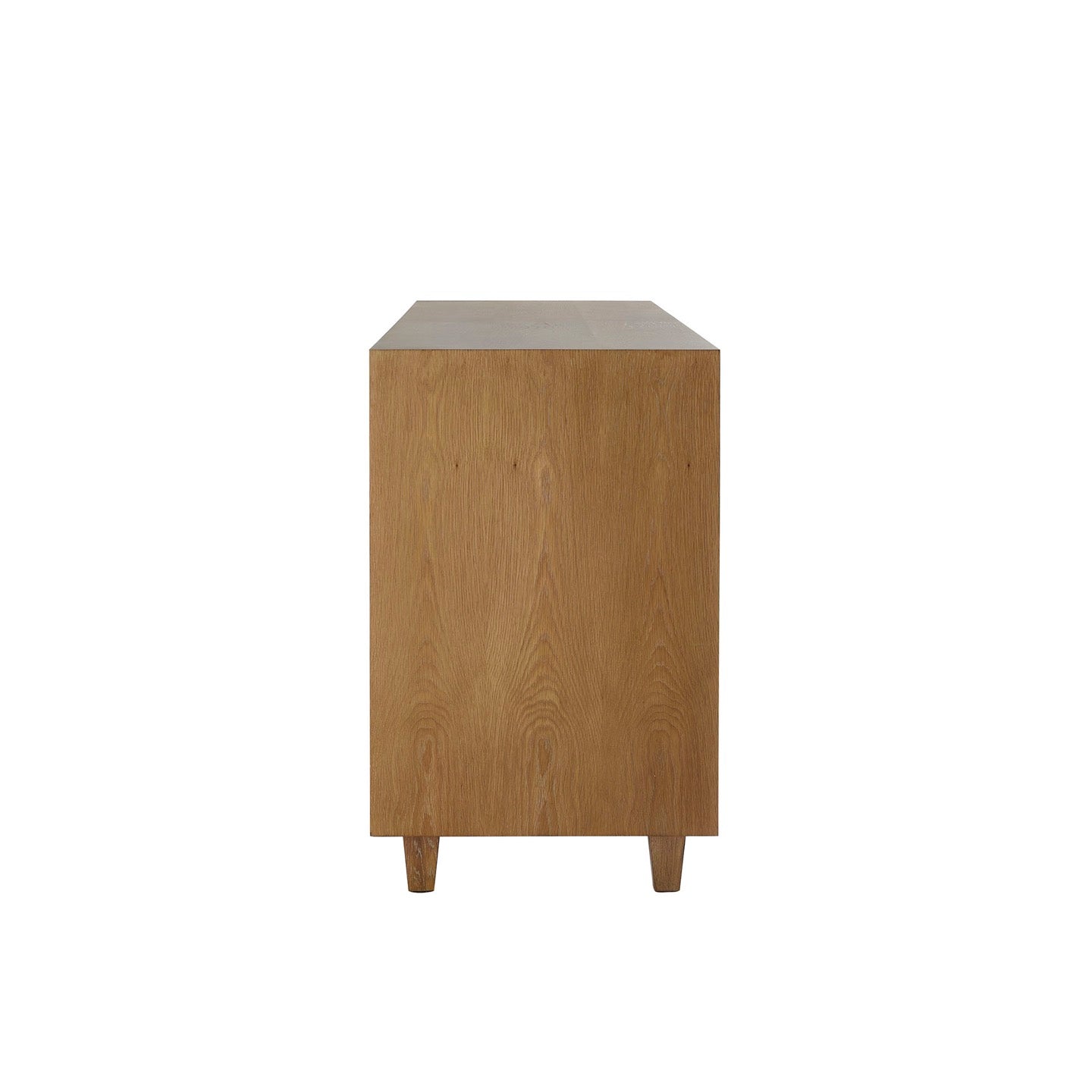
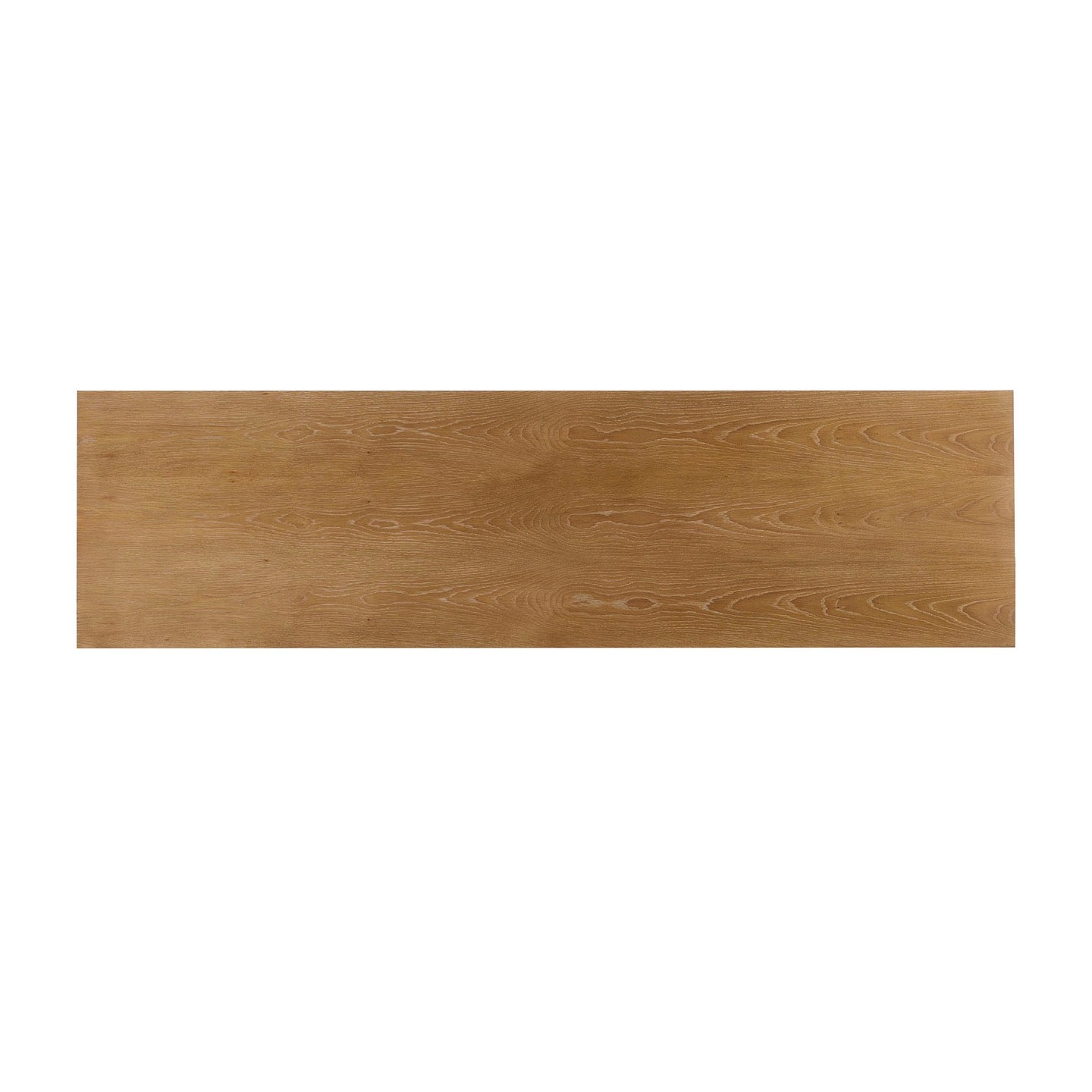
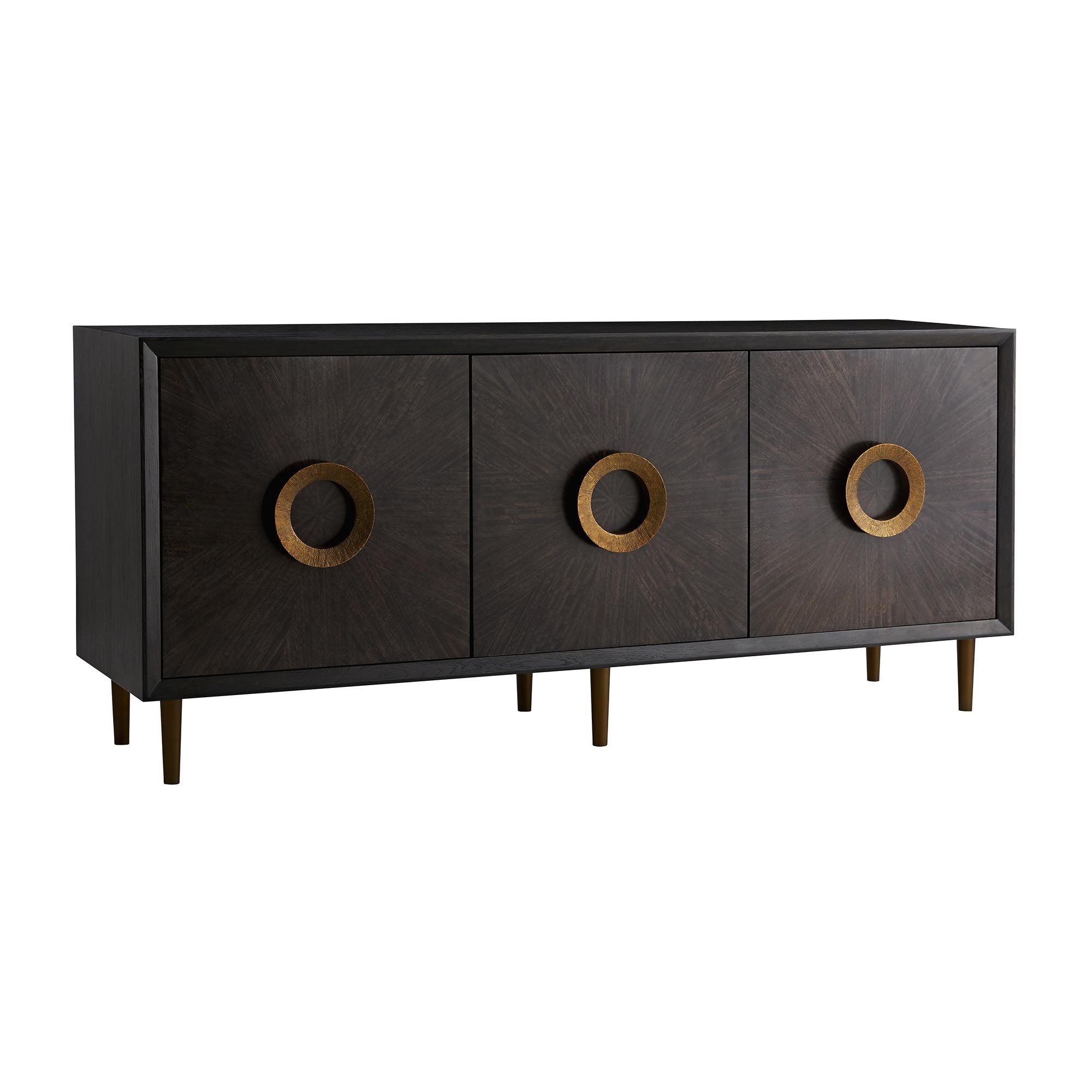
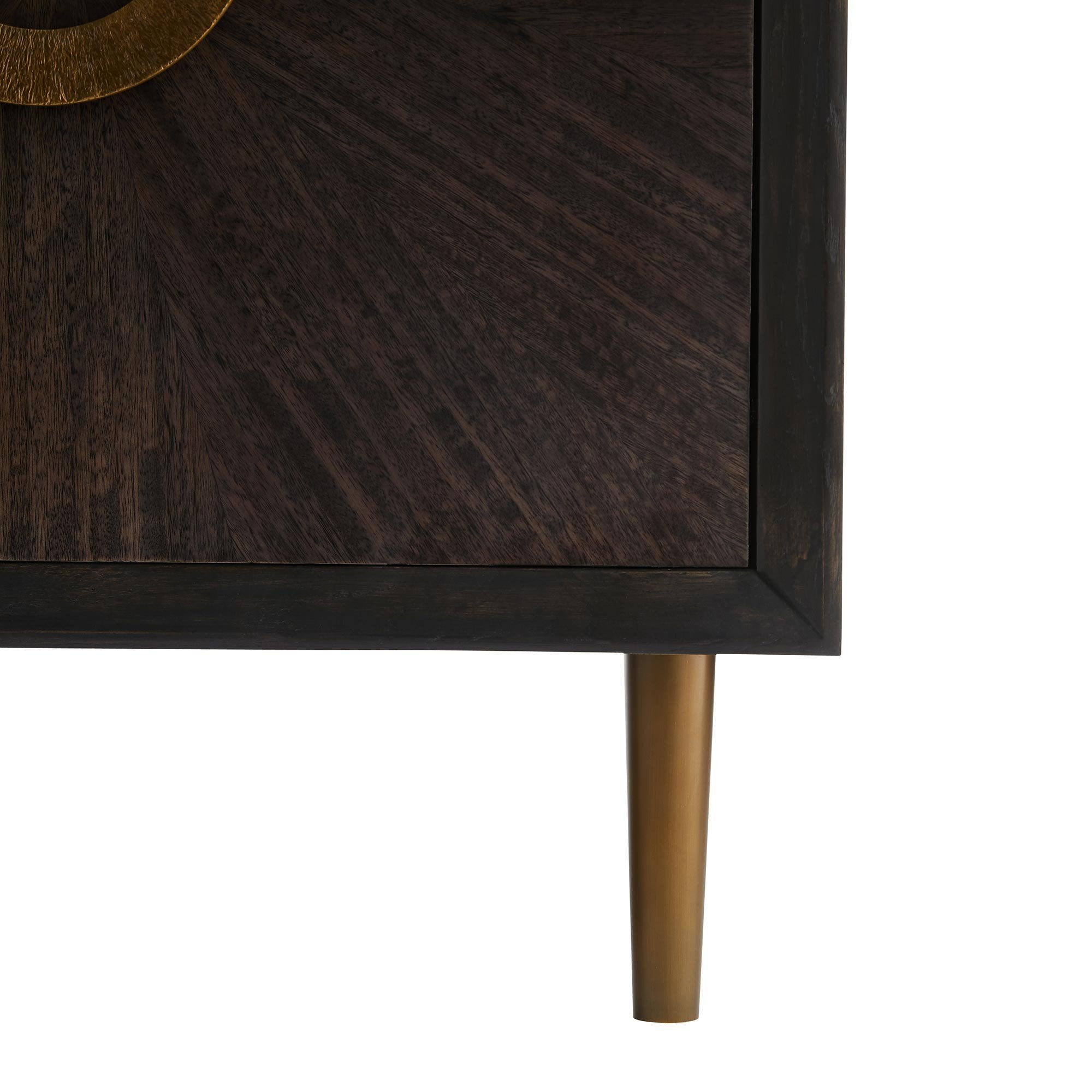
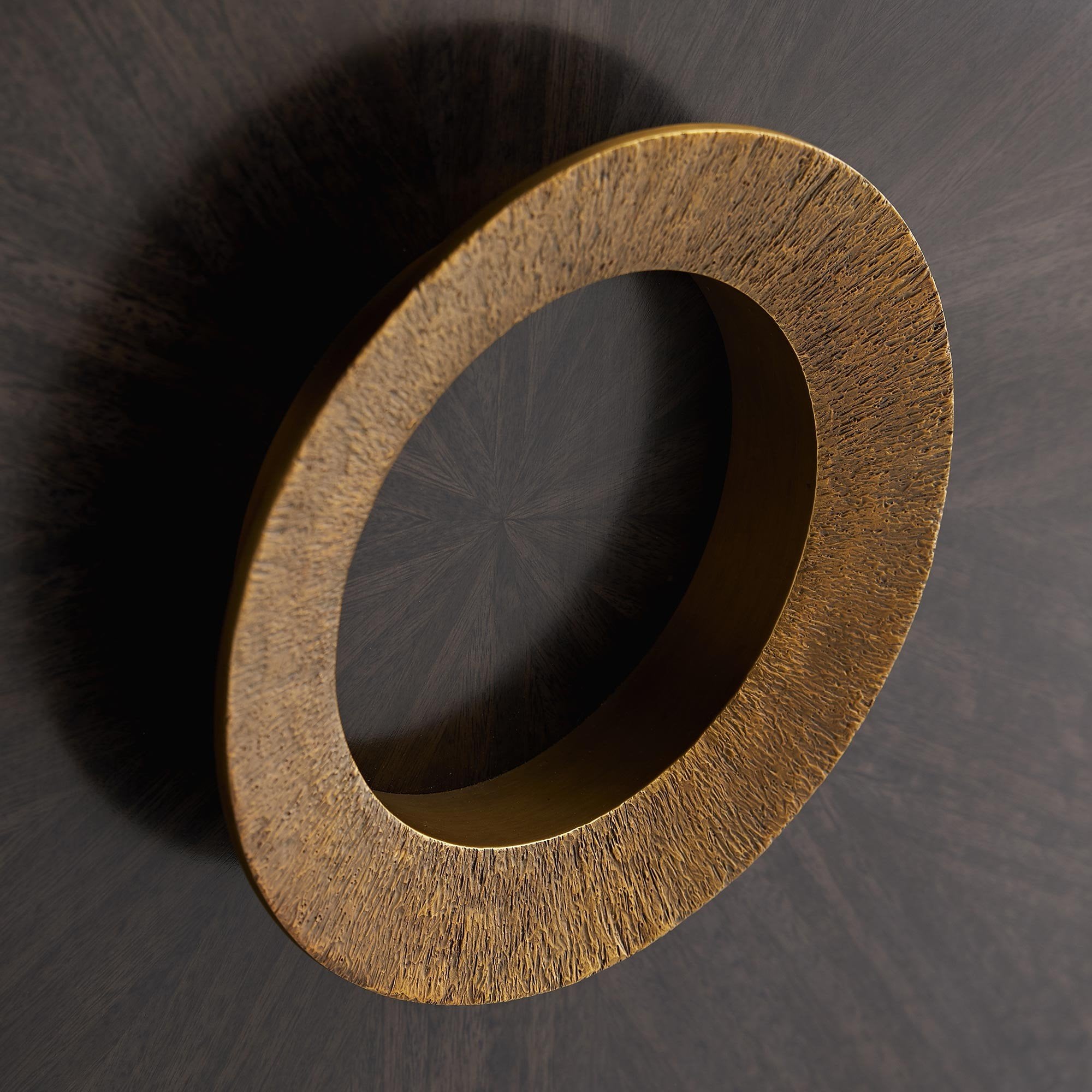
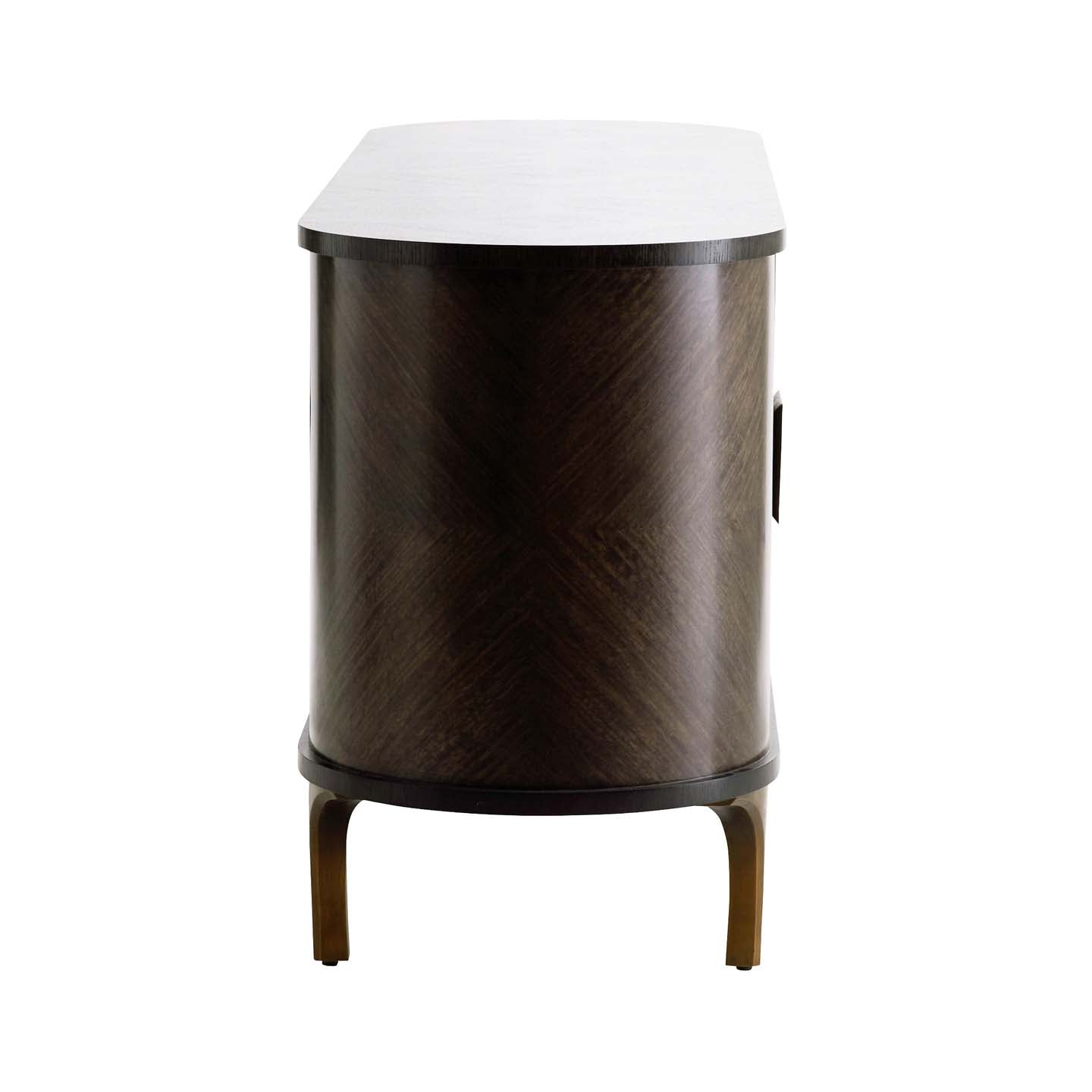
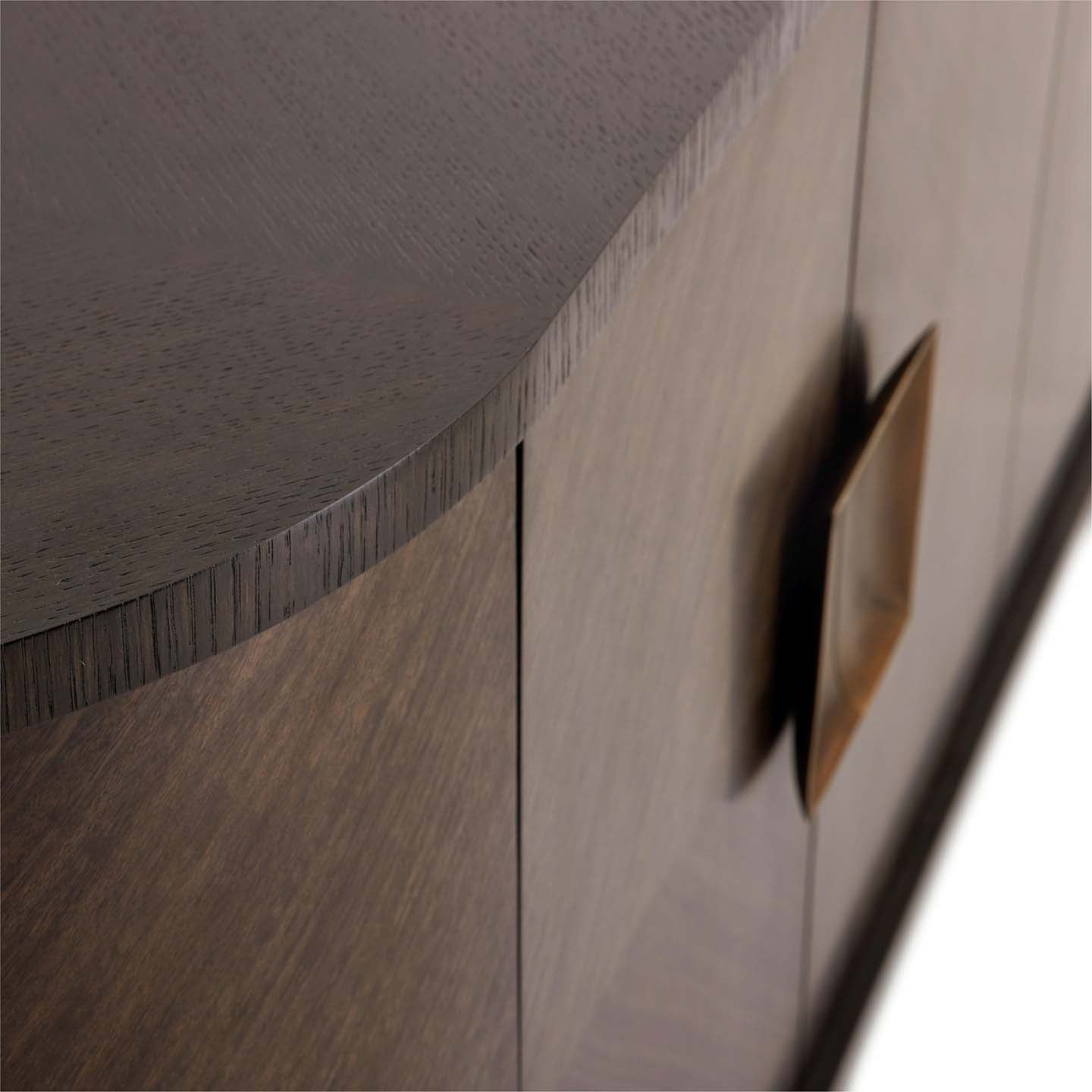
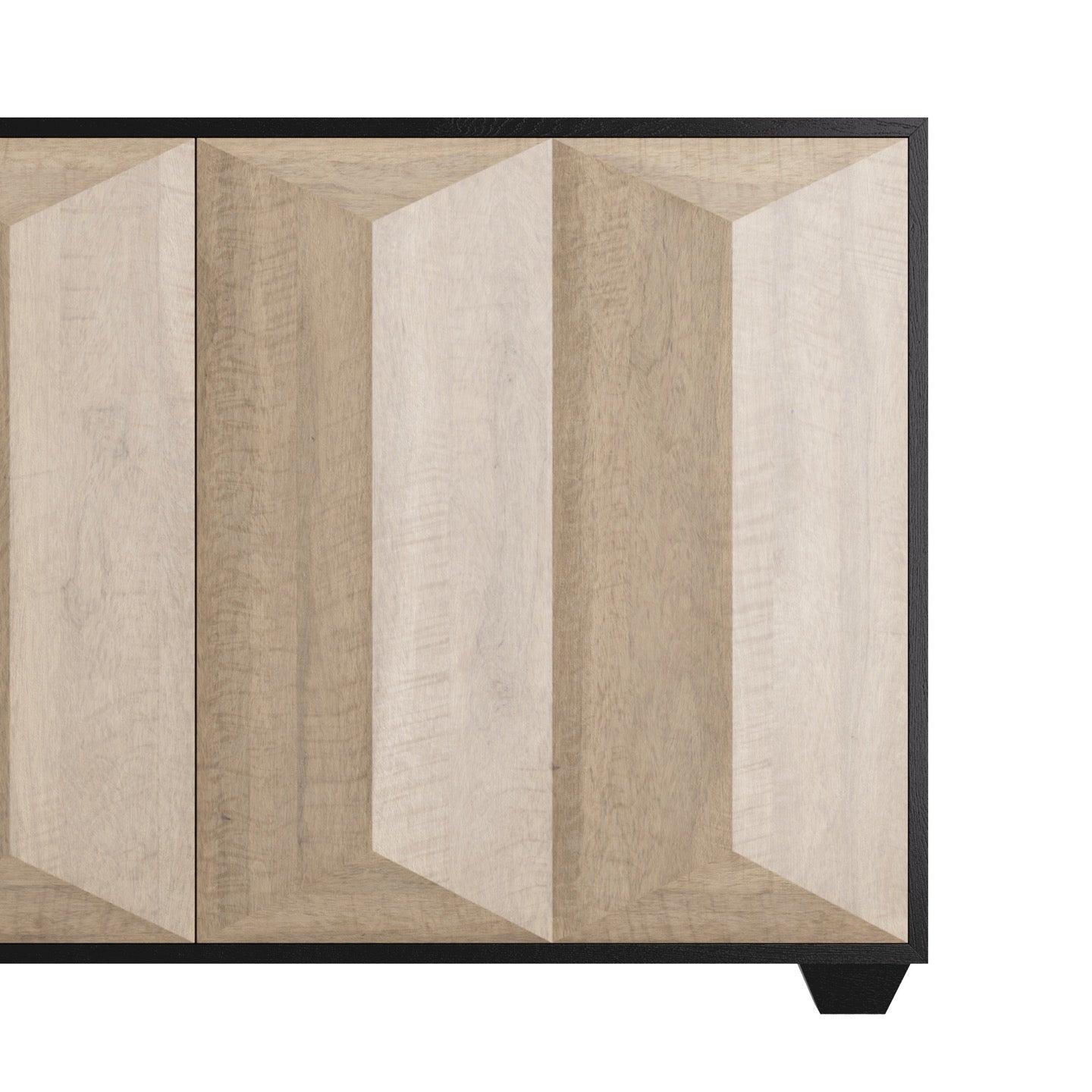
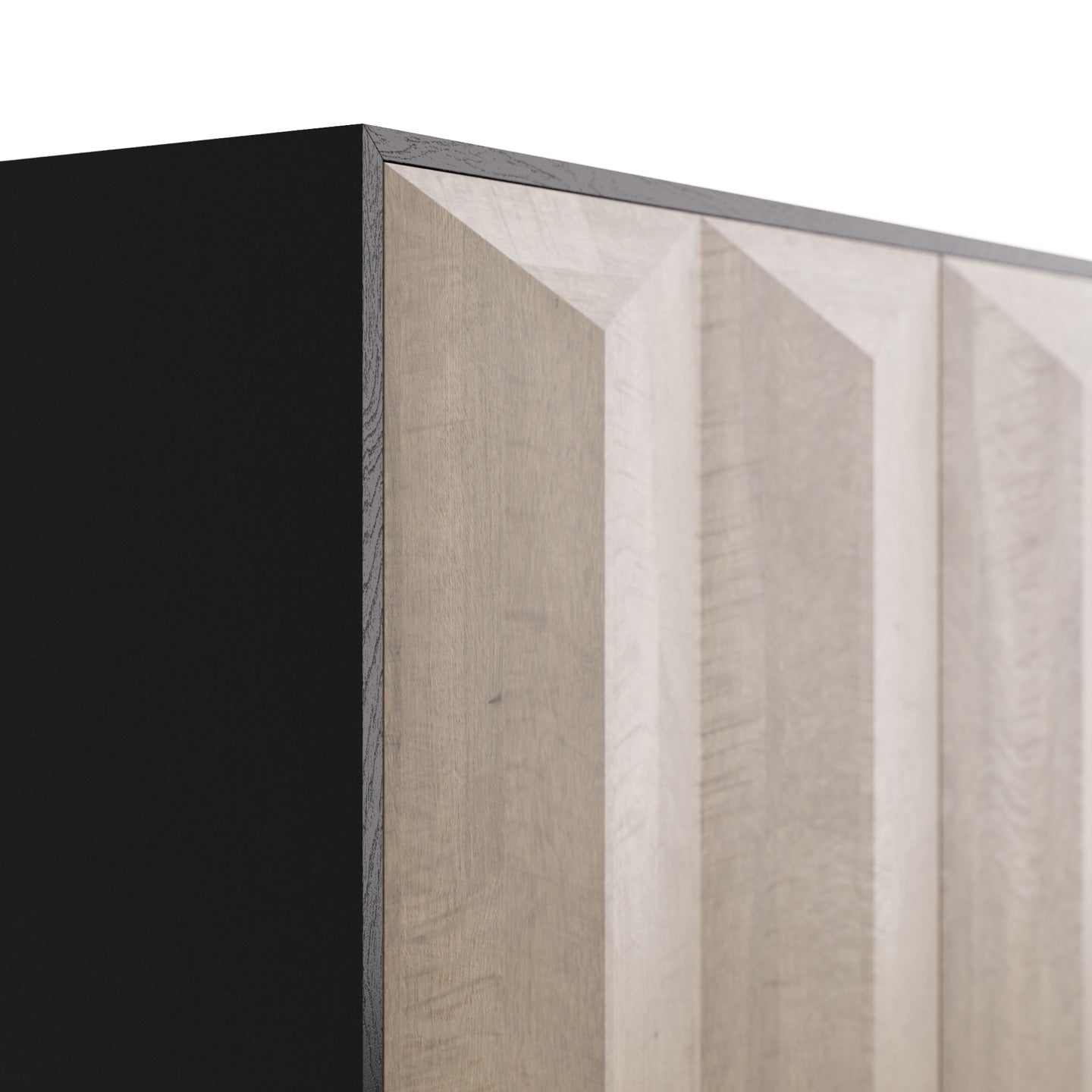
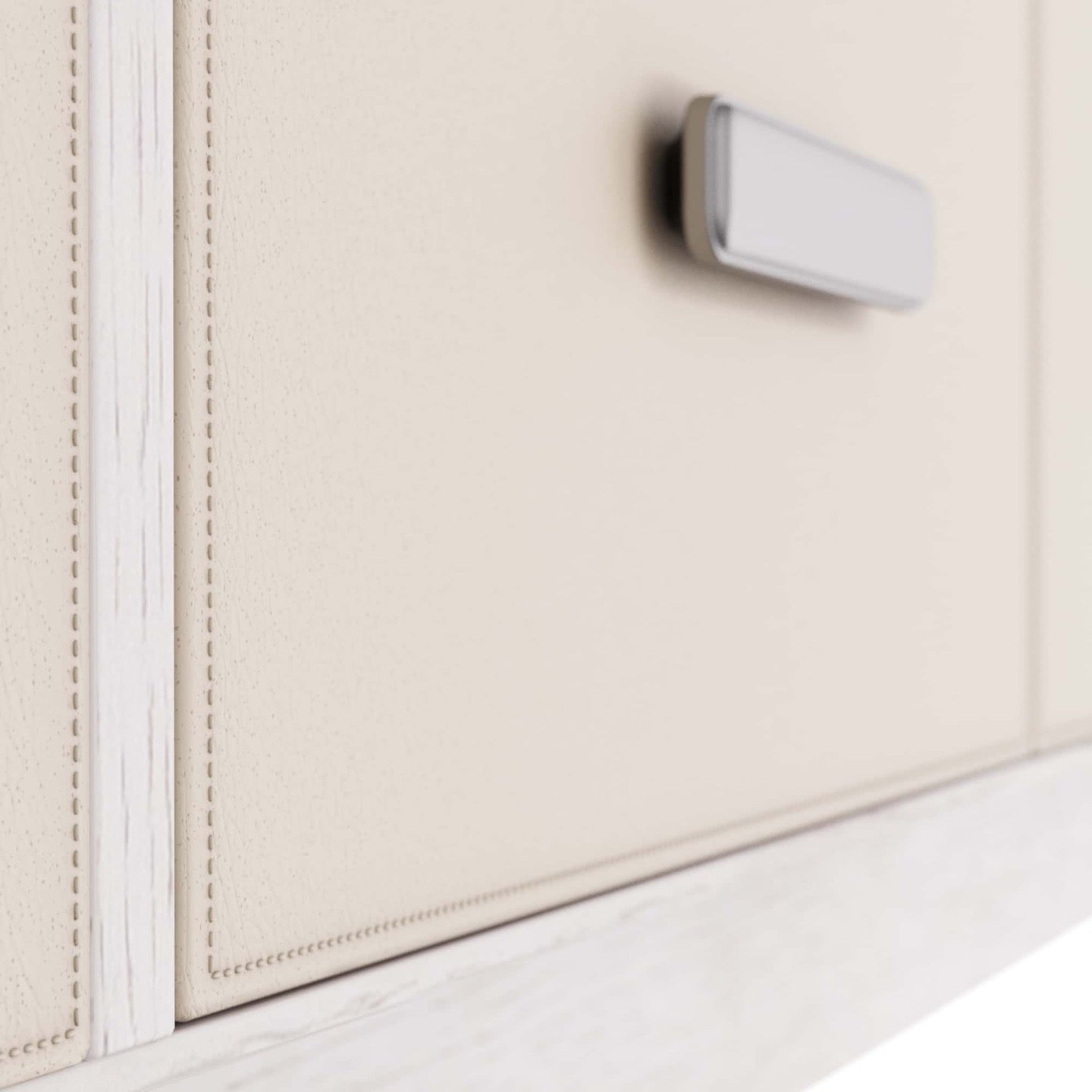
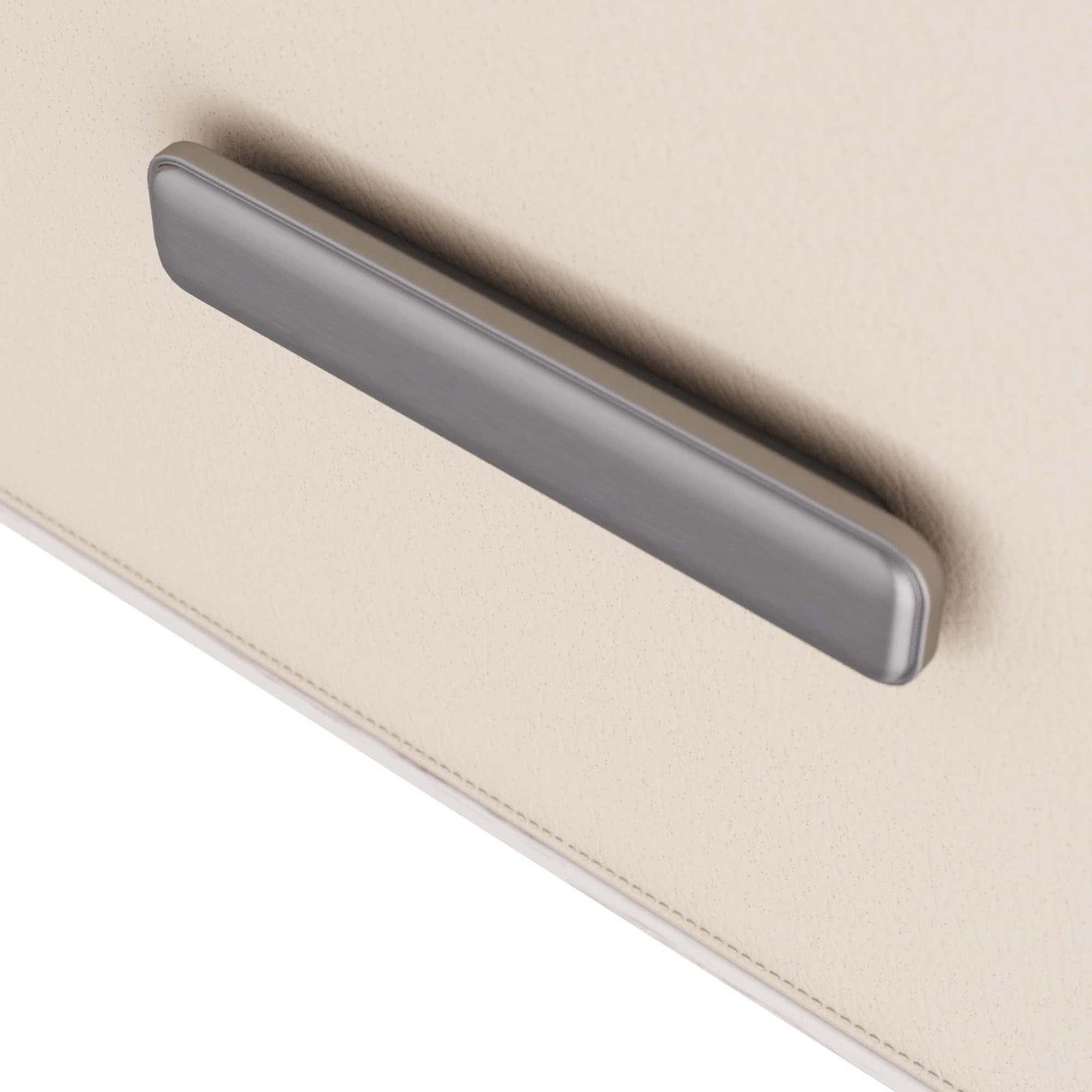
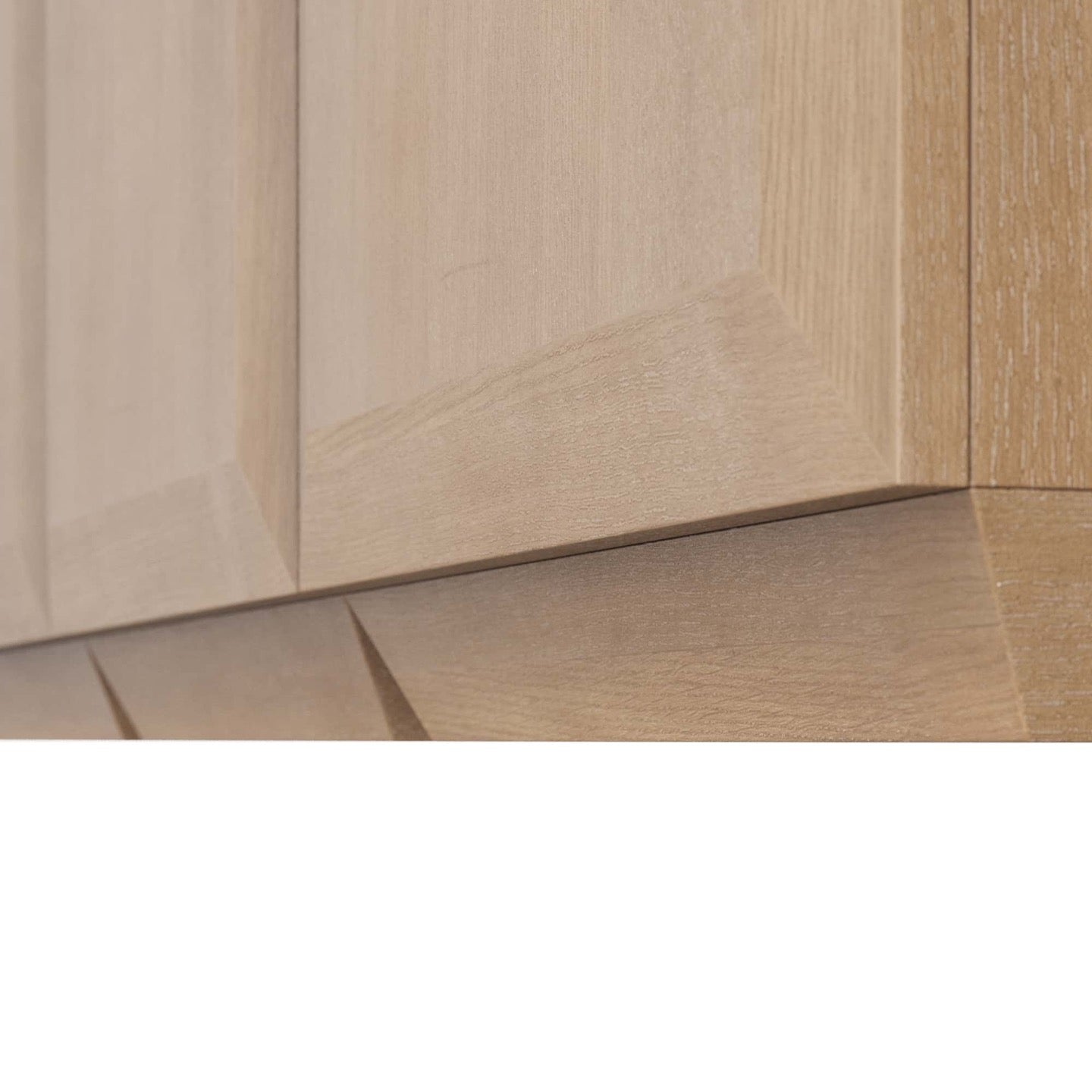
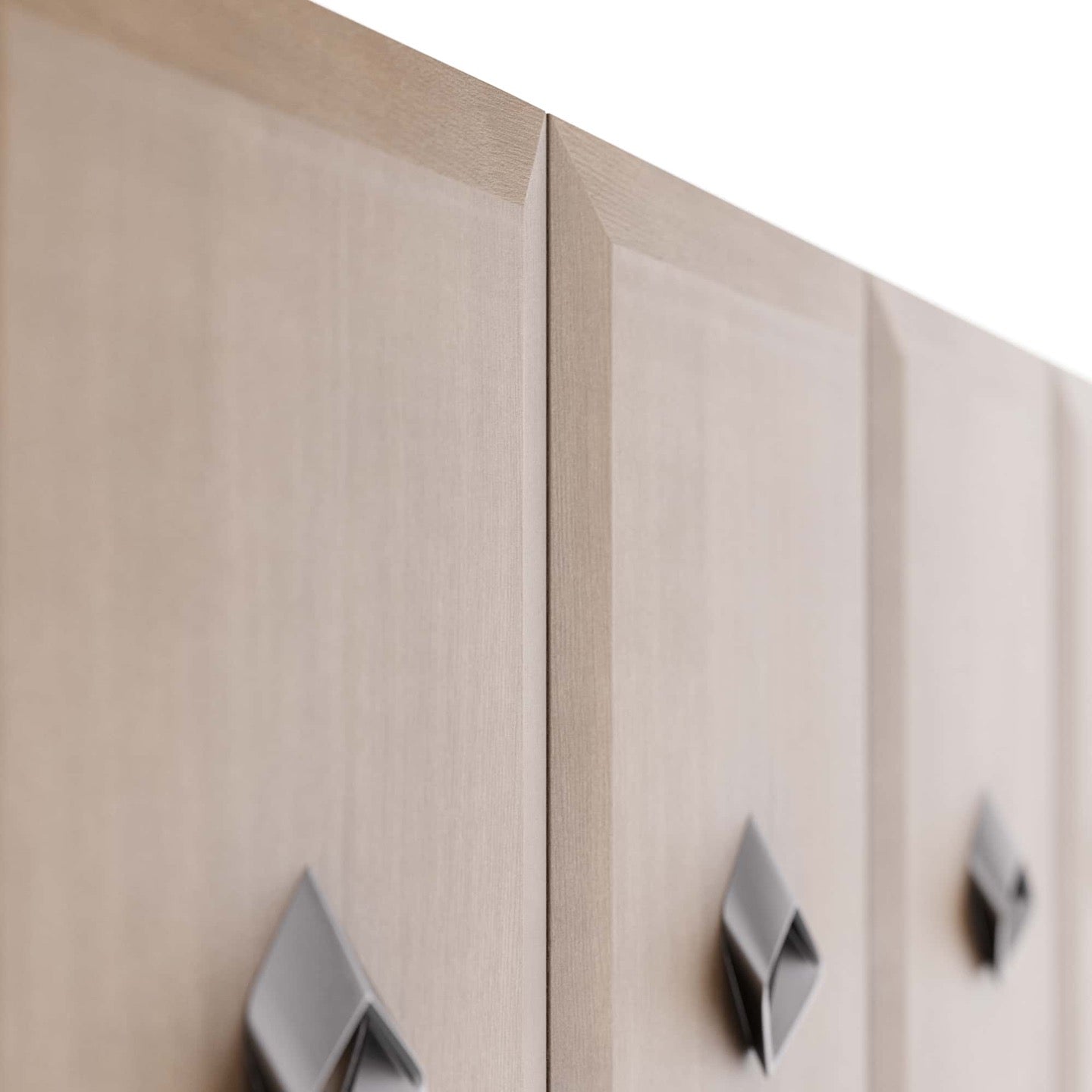
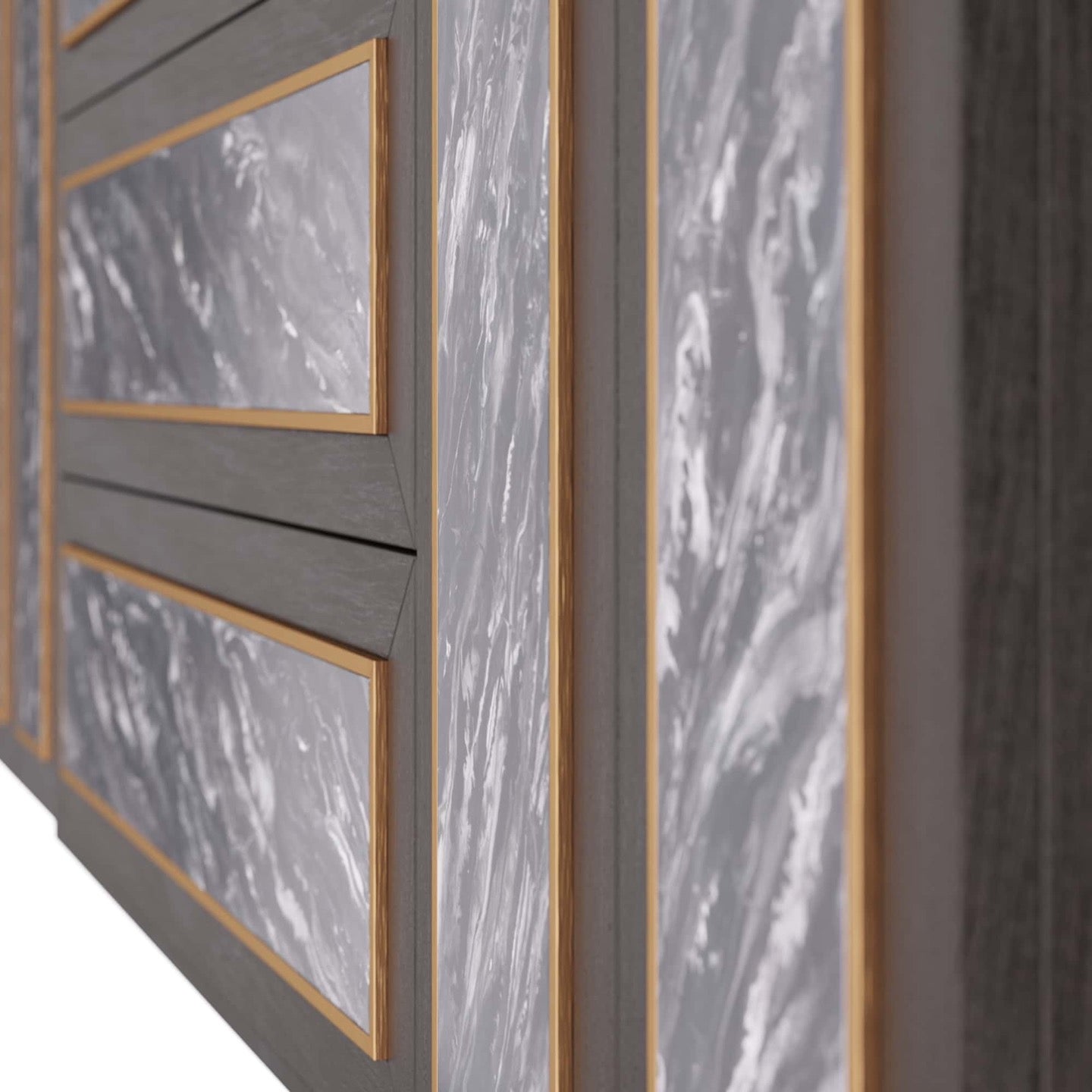
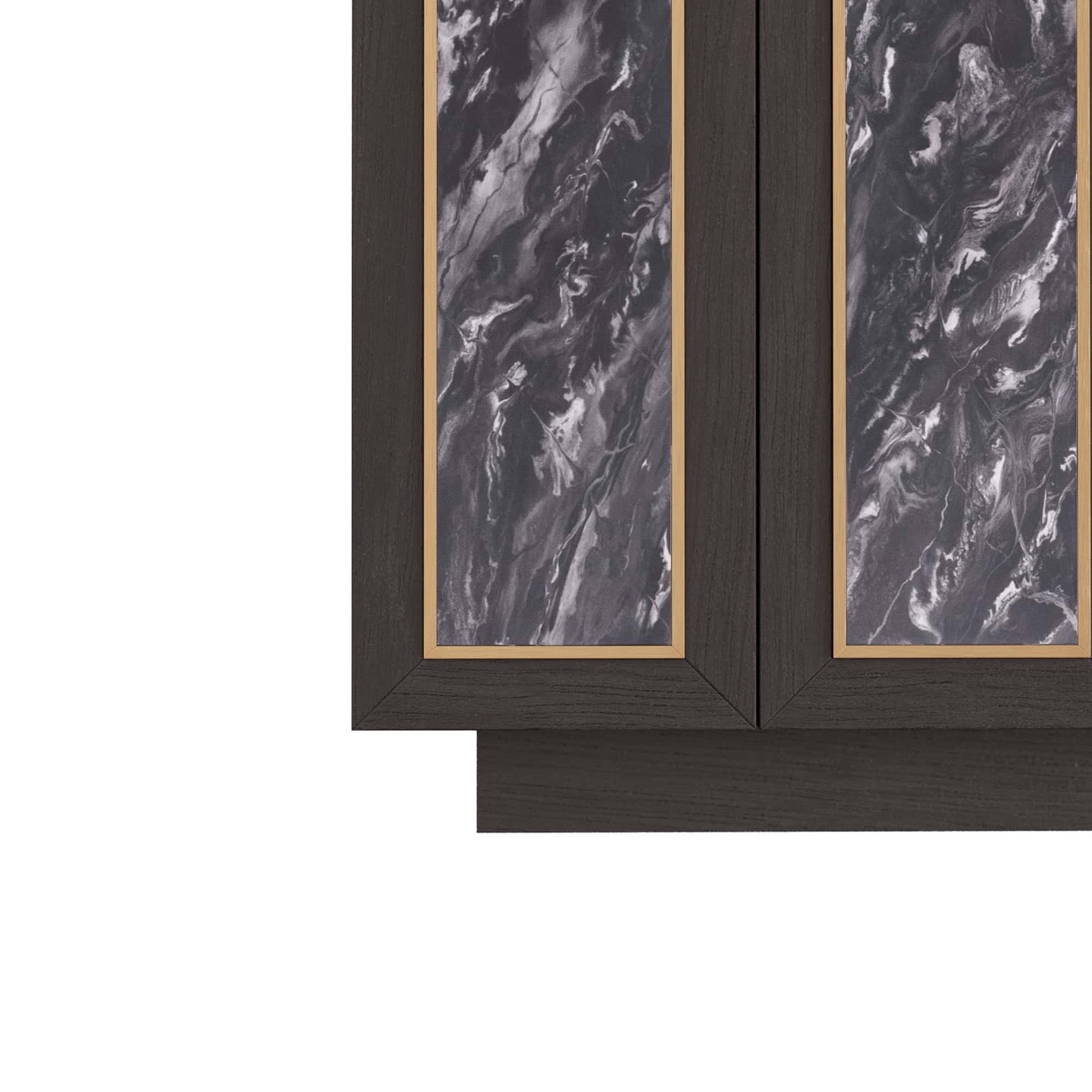
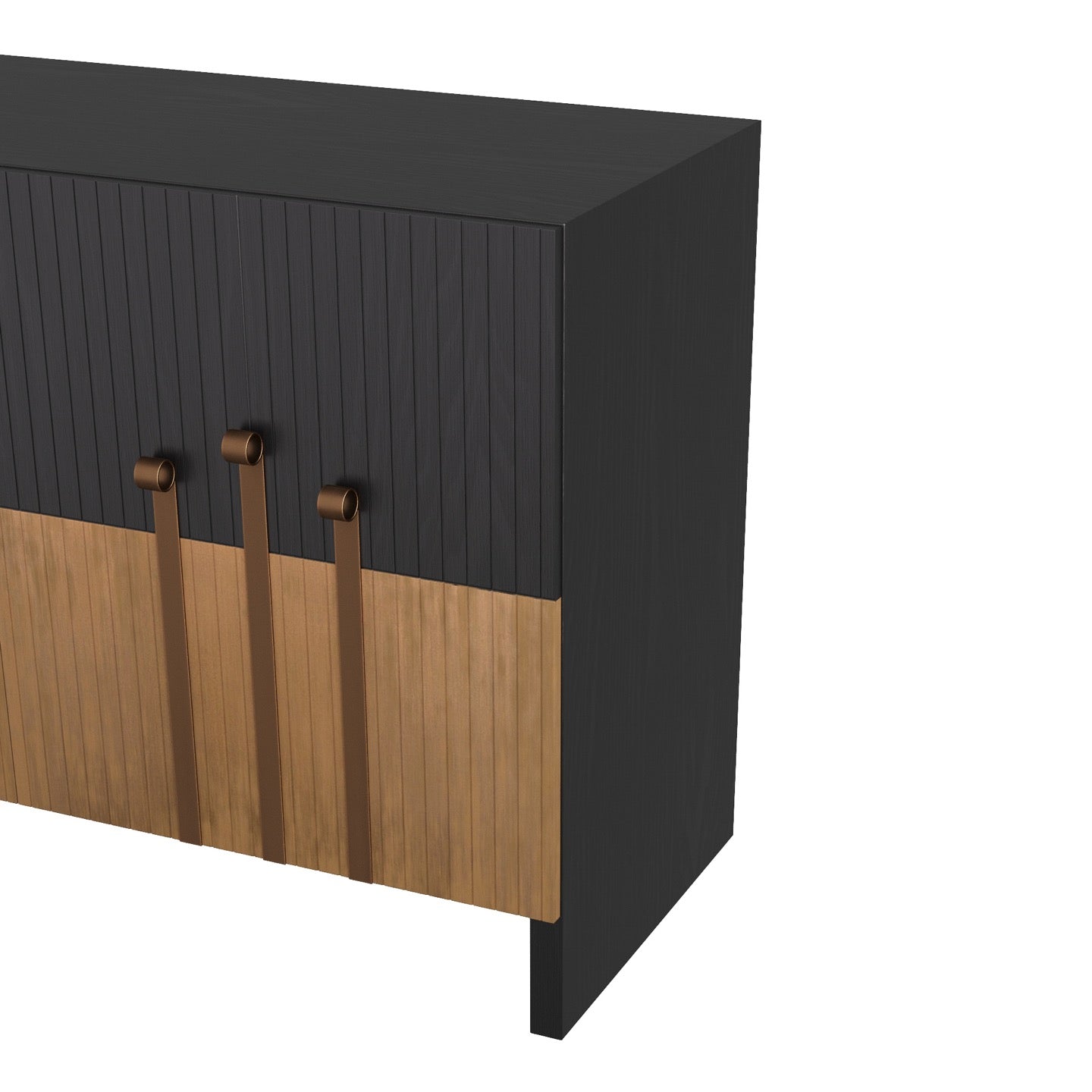
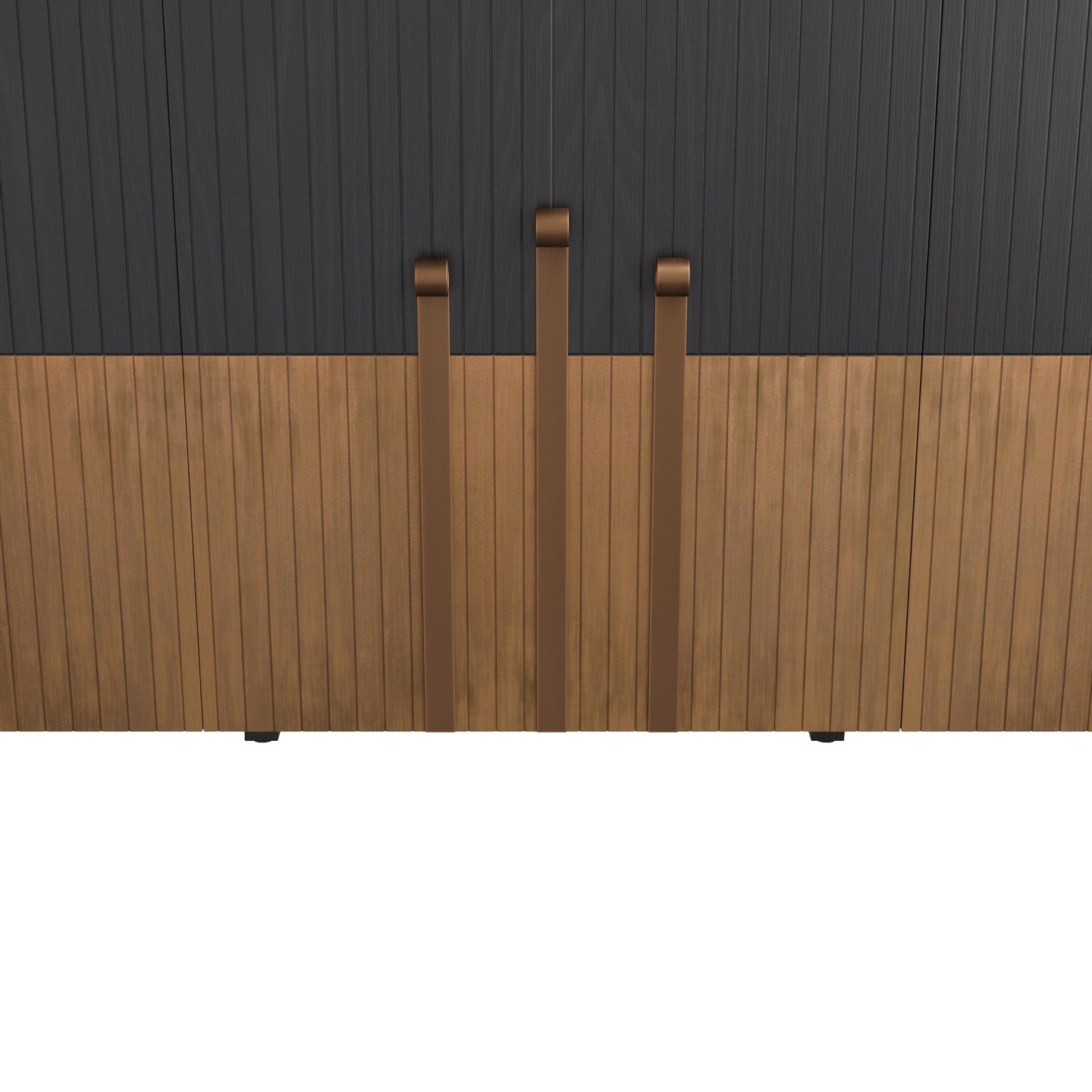
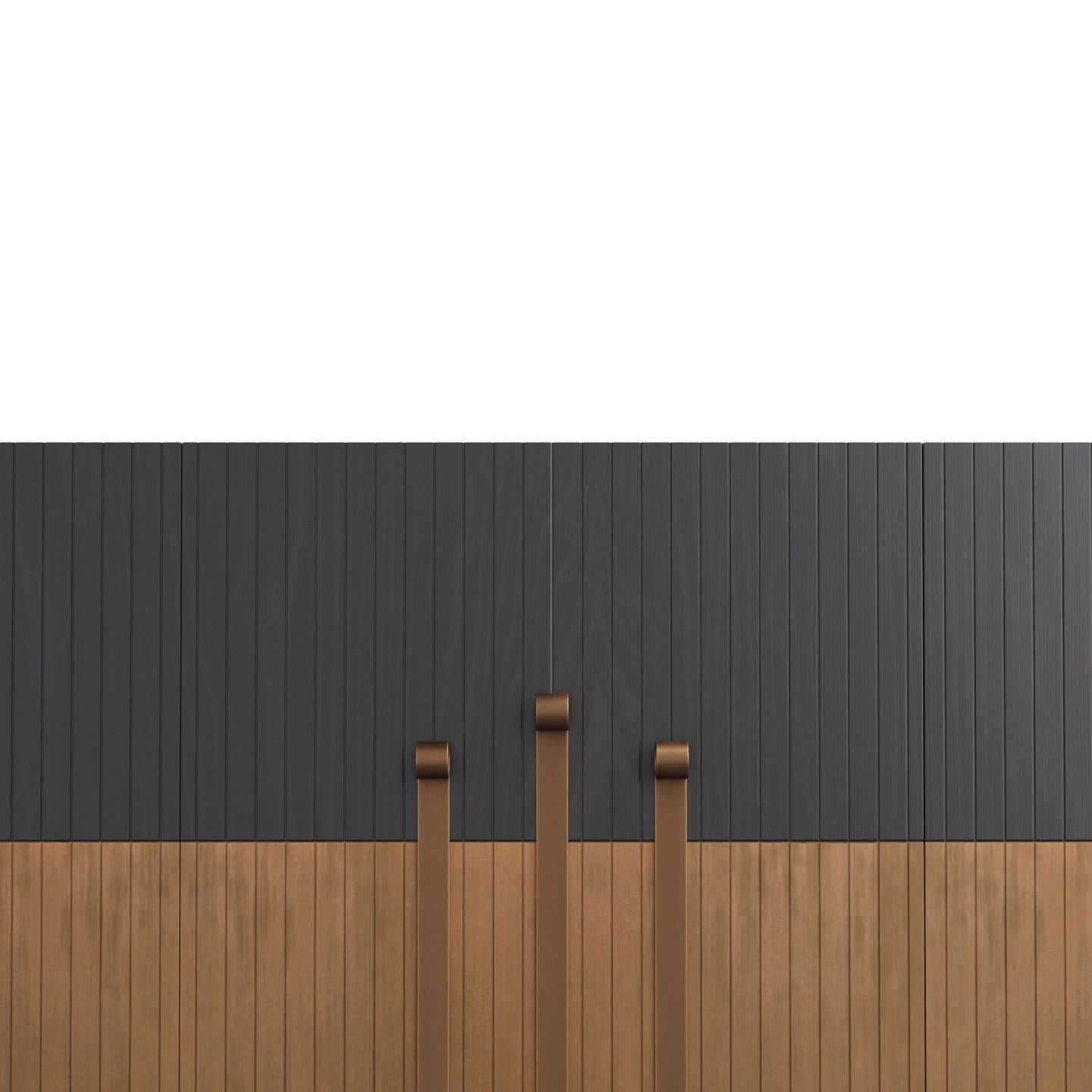
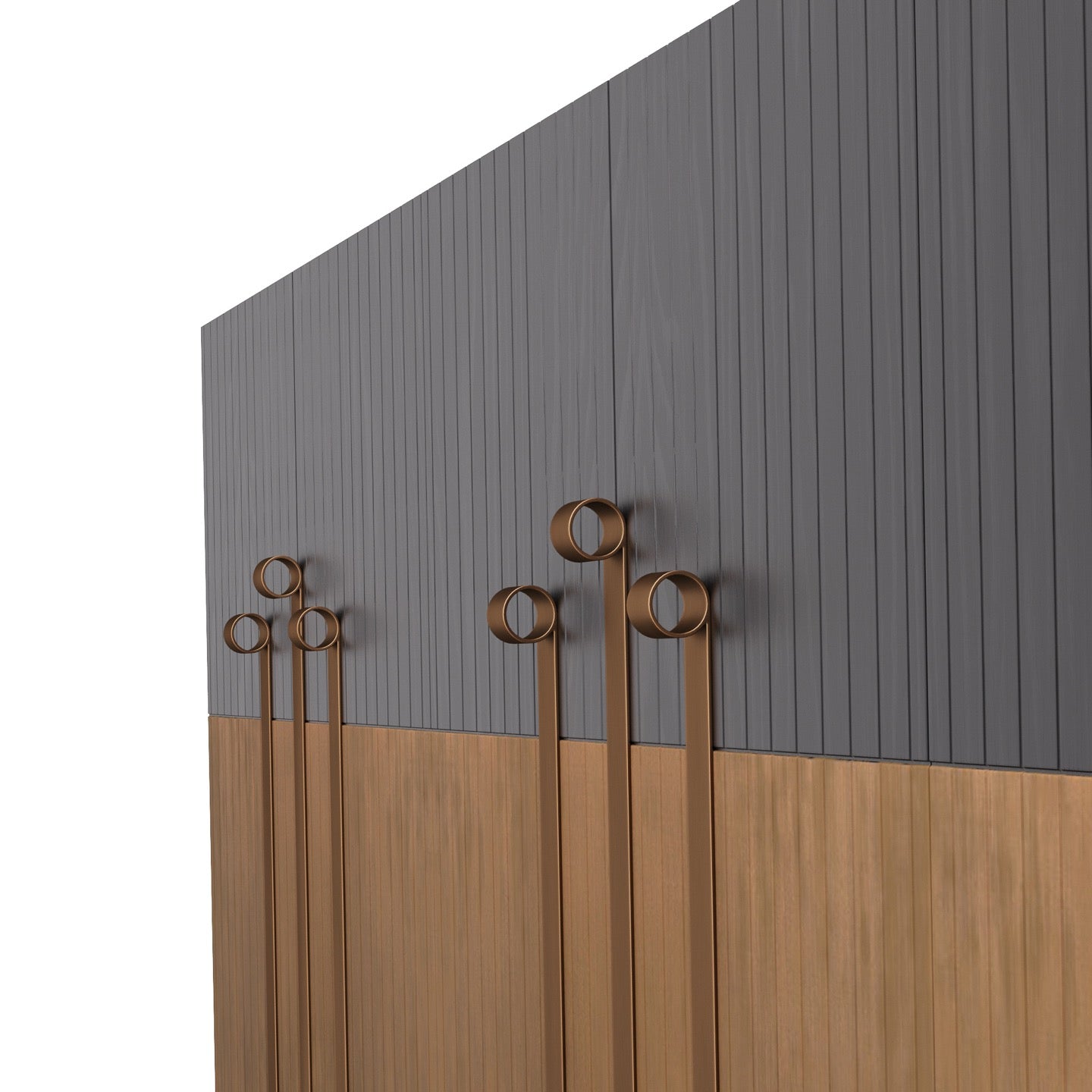
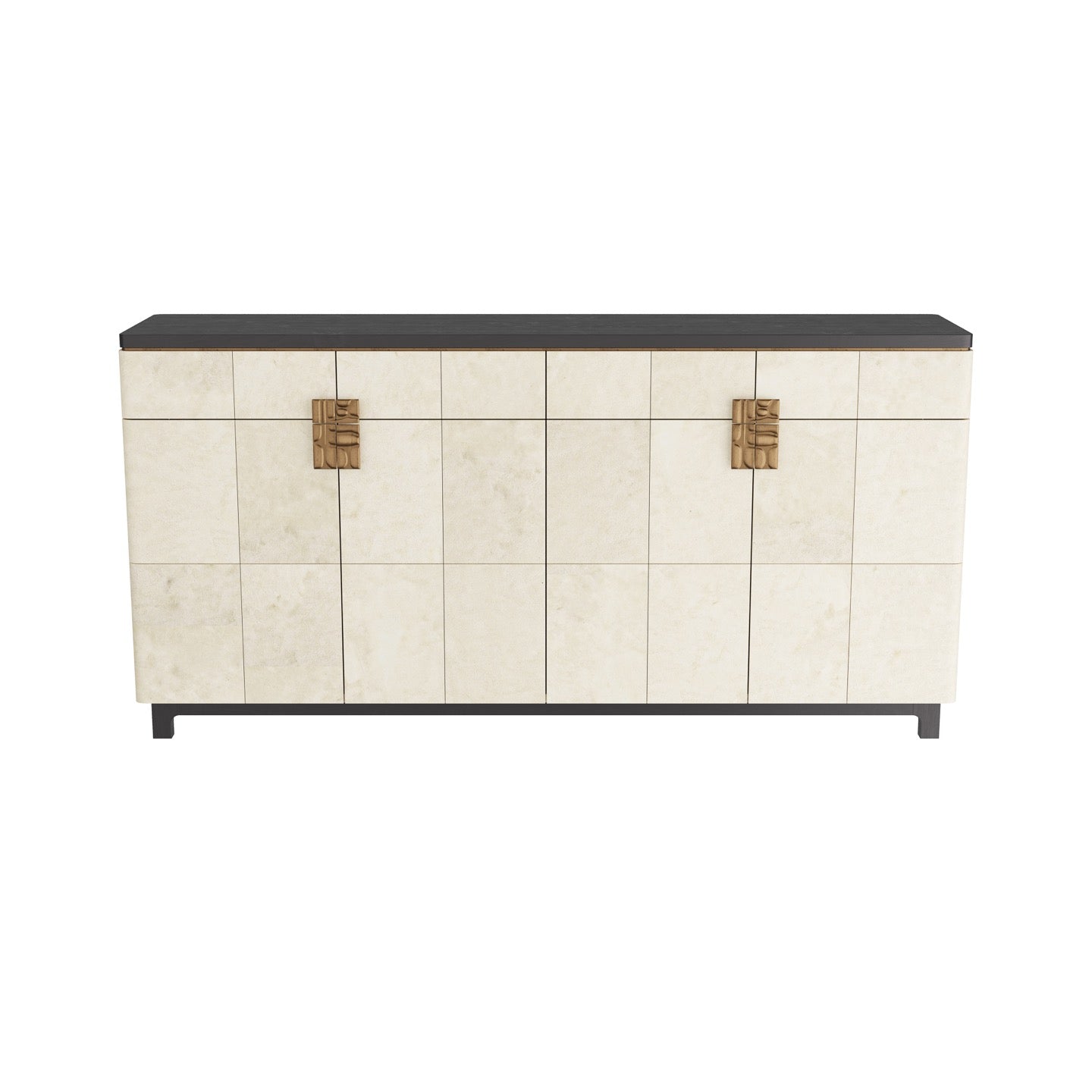
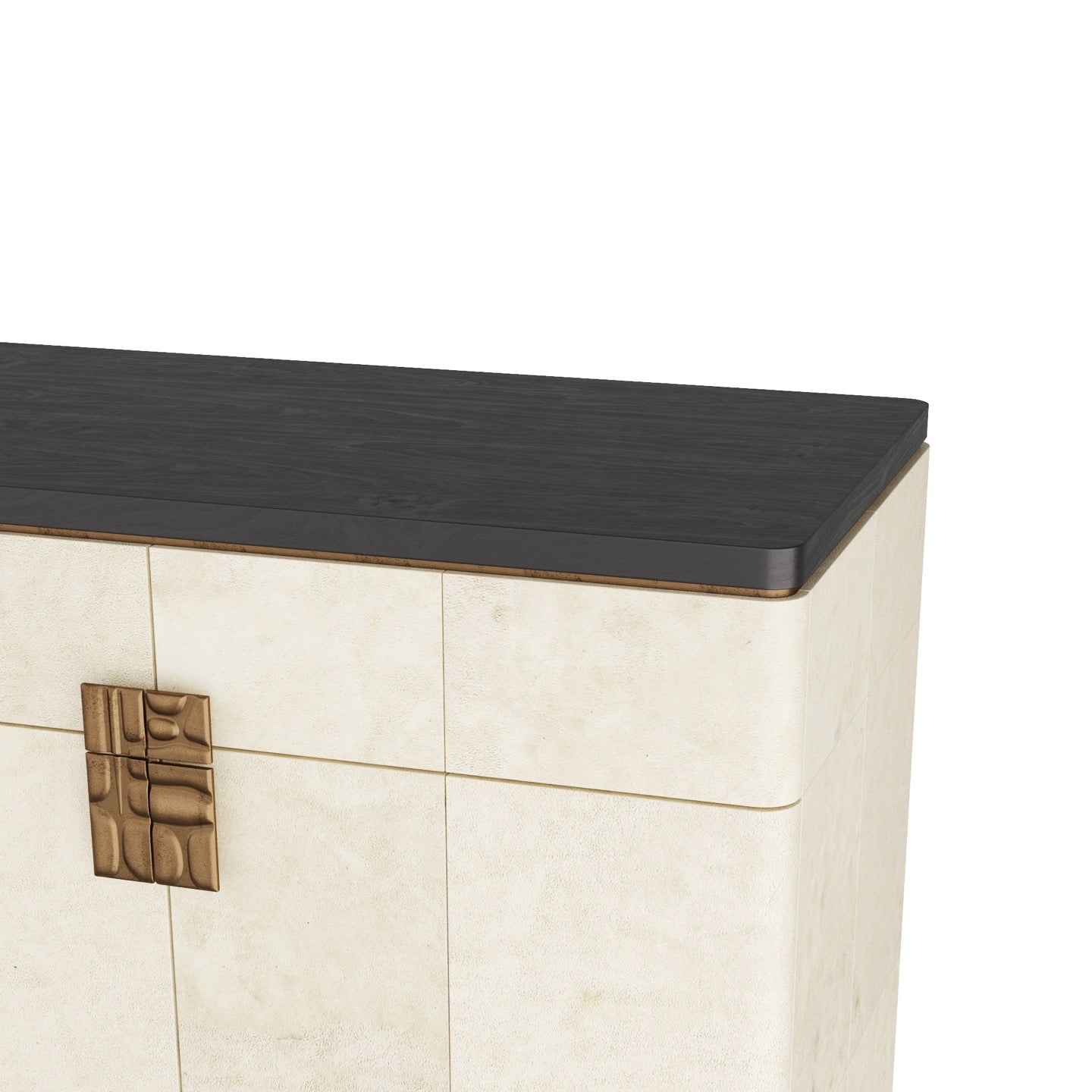
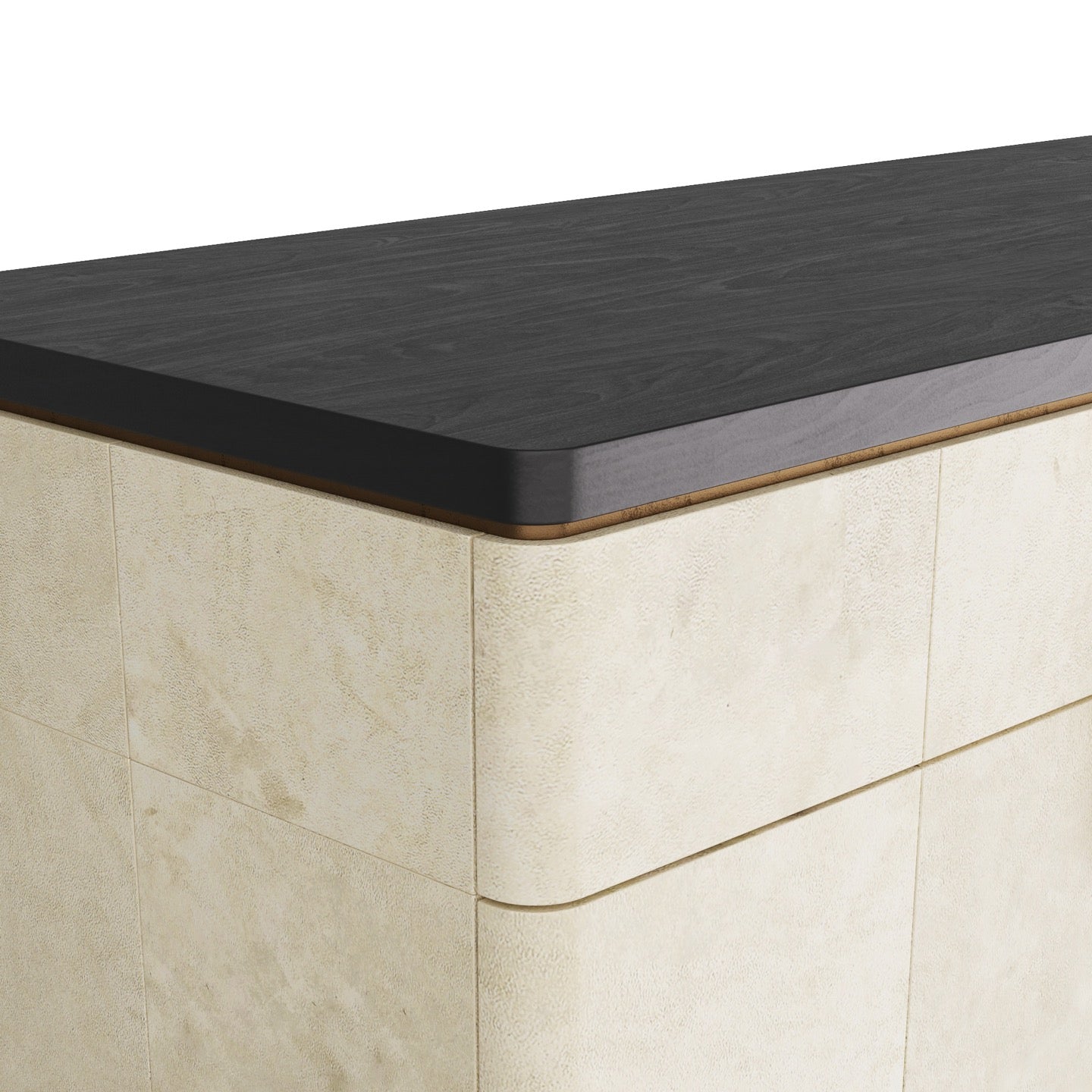
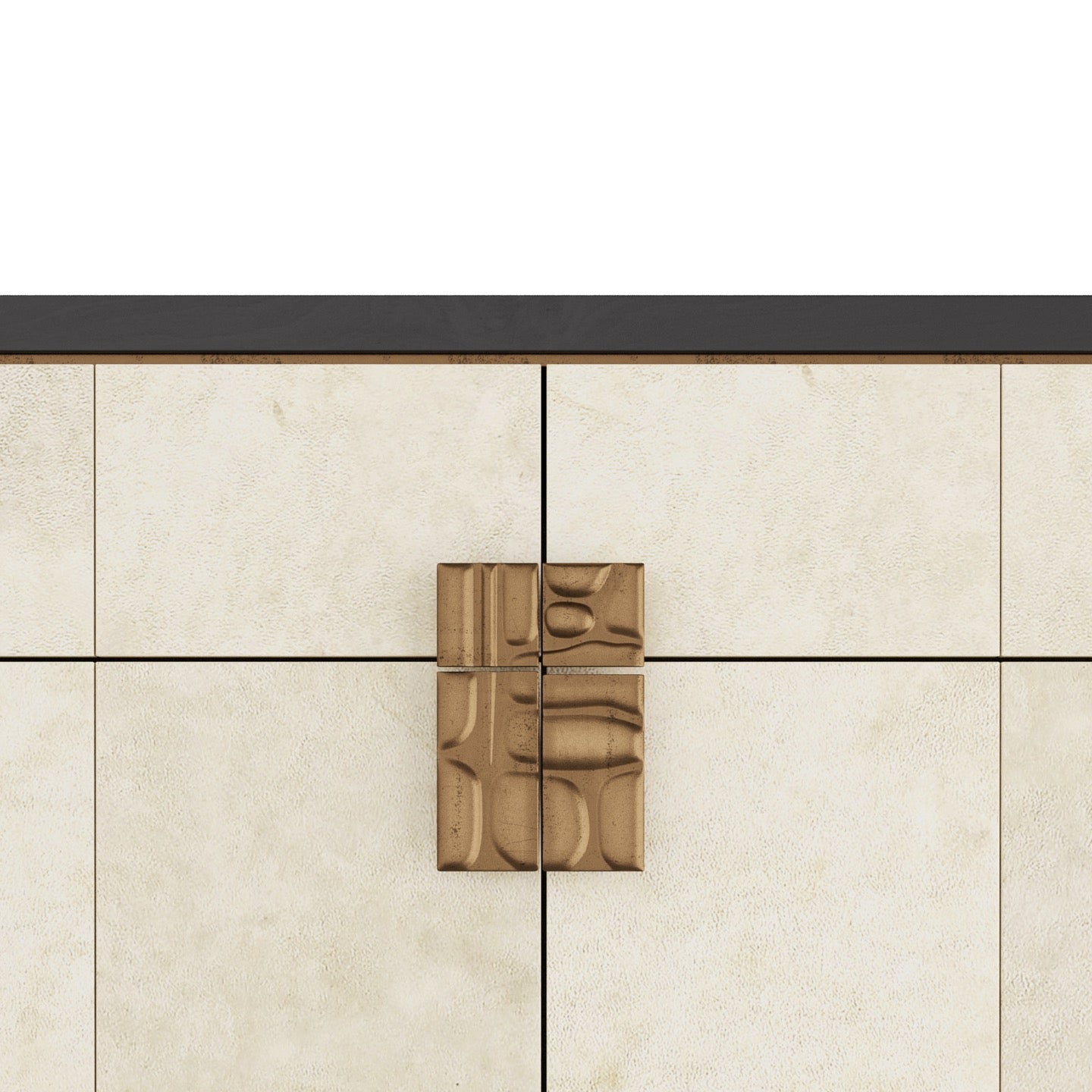
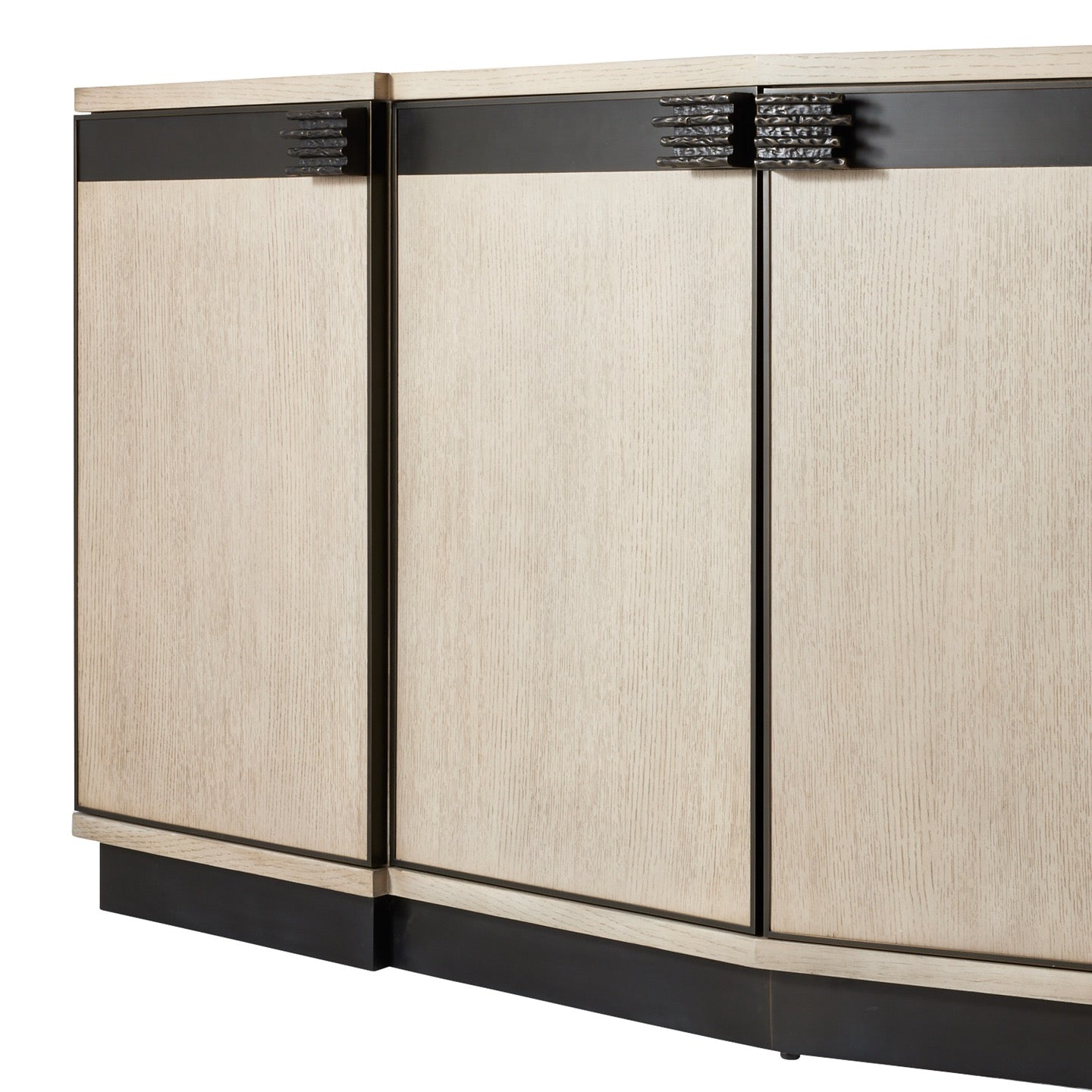
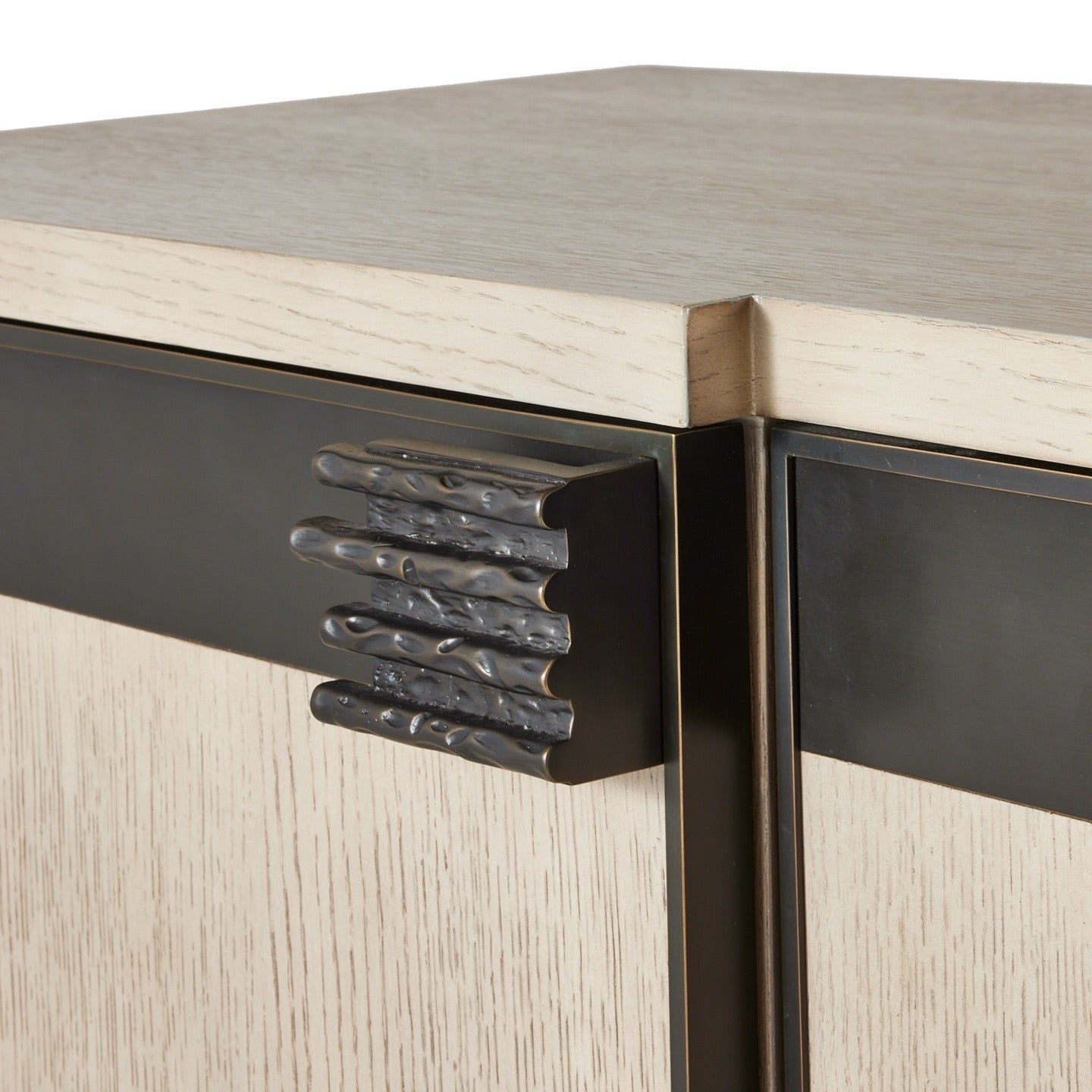
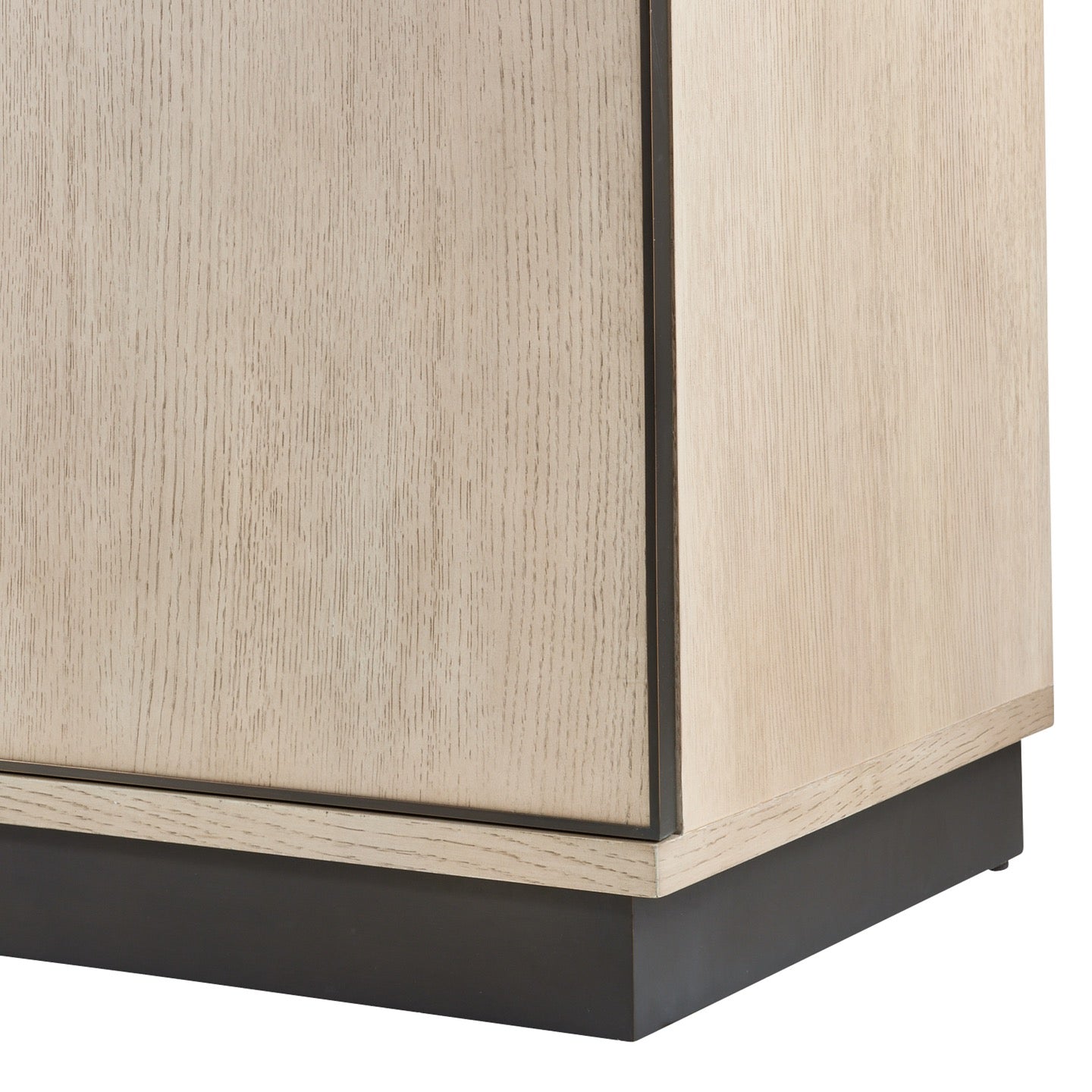
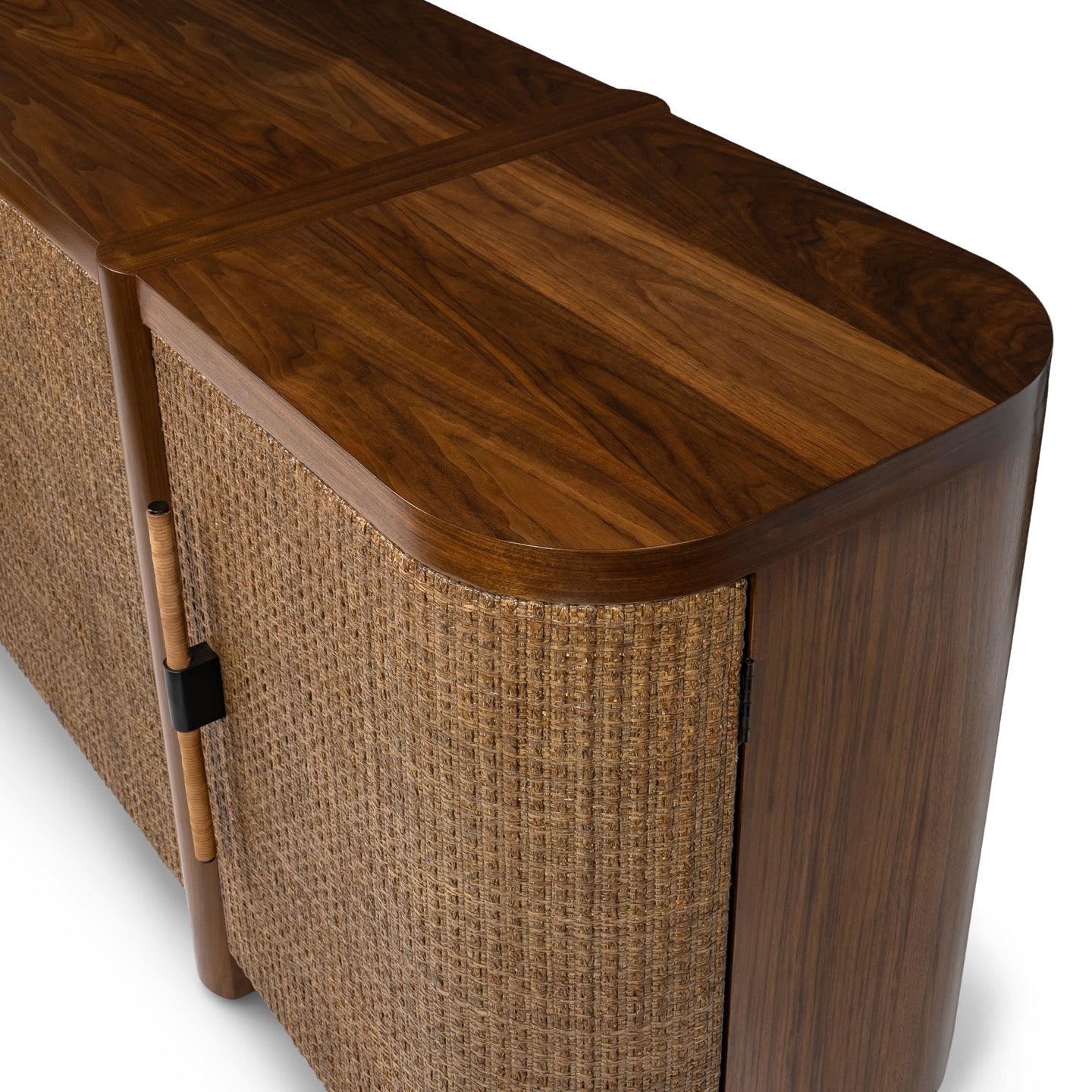
Materials include oak, brass, bronze, leather and raffia. Laminated and cast detailing adds further texture and individuality. Texture, finish and fabrication give the sideboards collection depth and a distinctive sense of character.
Scale, placement and everyday use
Review internal shelves, door clearance, cable access and the weight of anything placed on top. A sideboard should feel proportionate to the wall and nearby dining table, with enough room for doors and drawers to open freely.
Frequently asked questions
What is the difference between a sideboard and a buffet?
The terms are often used interchangeably. A buffet is traditionally associated with dining-room serving and storage, while a sideboard can be used throughout the home.