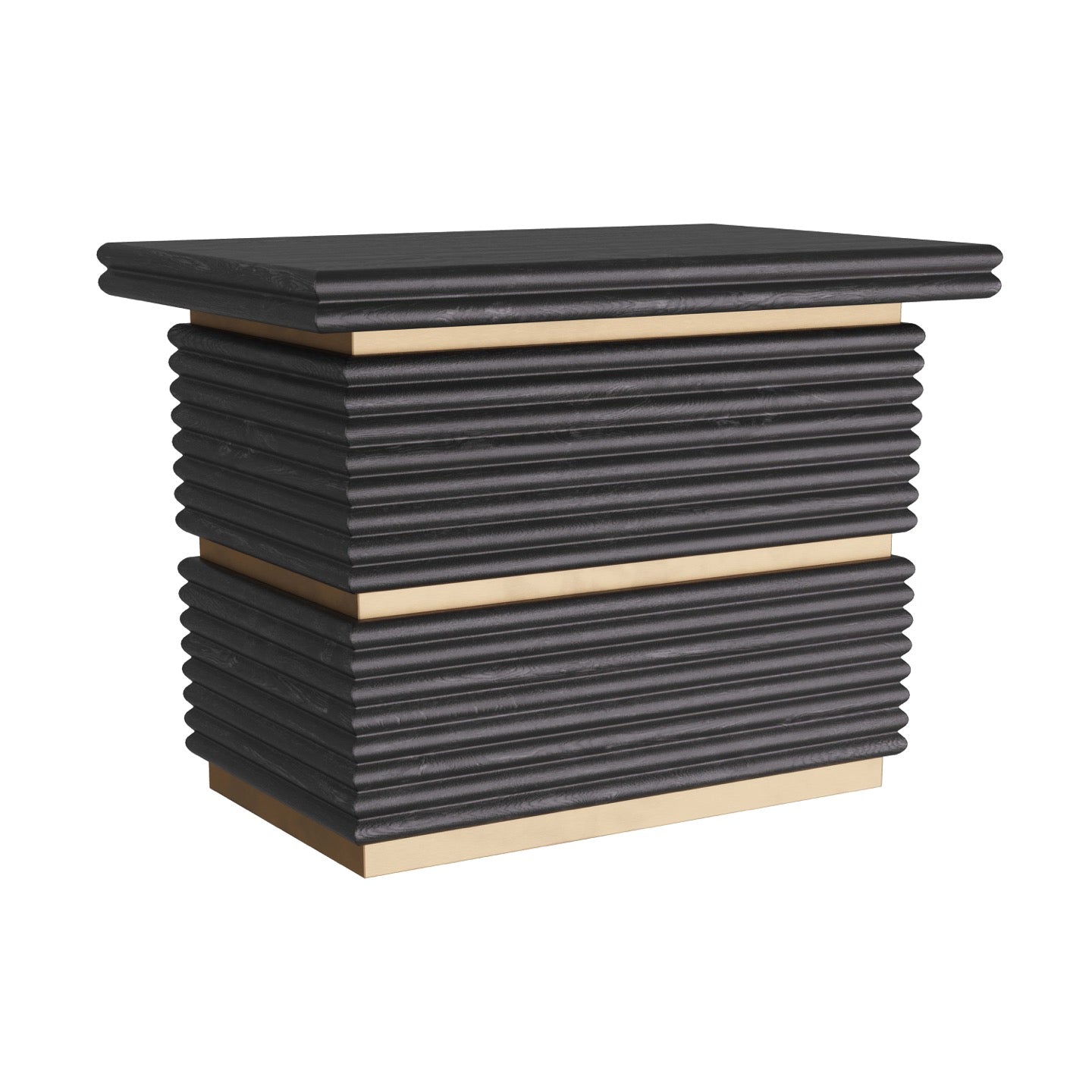
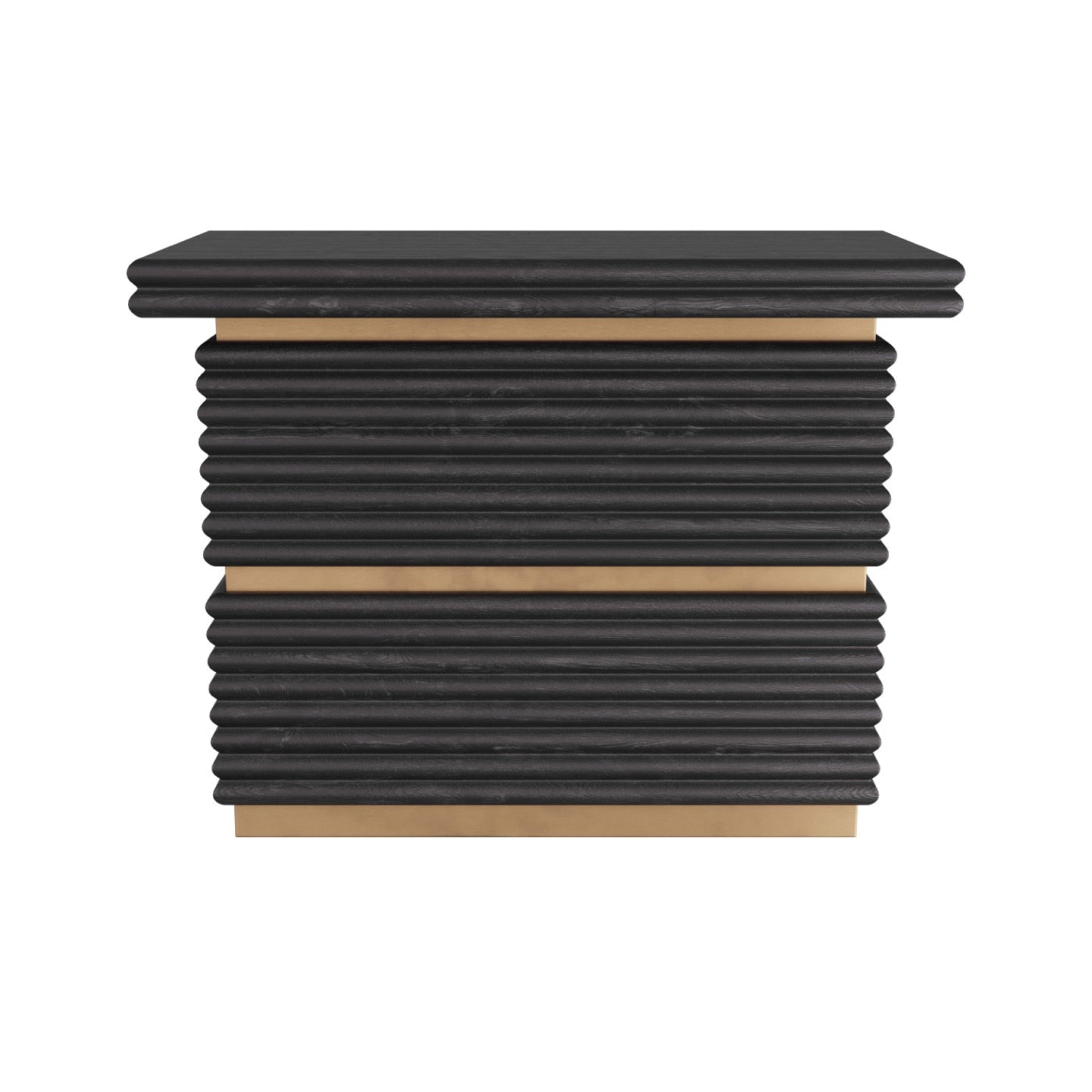
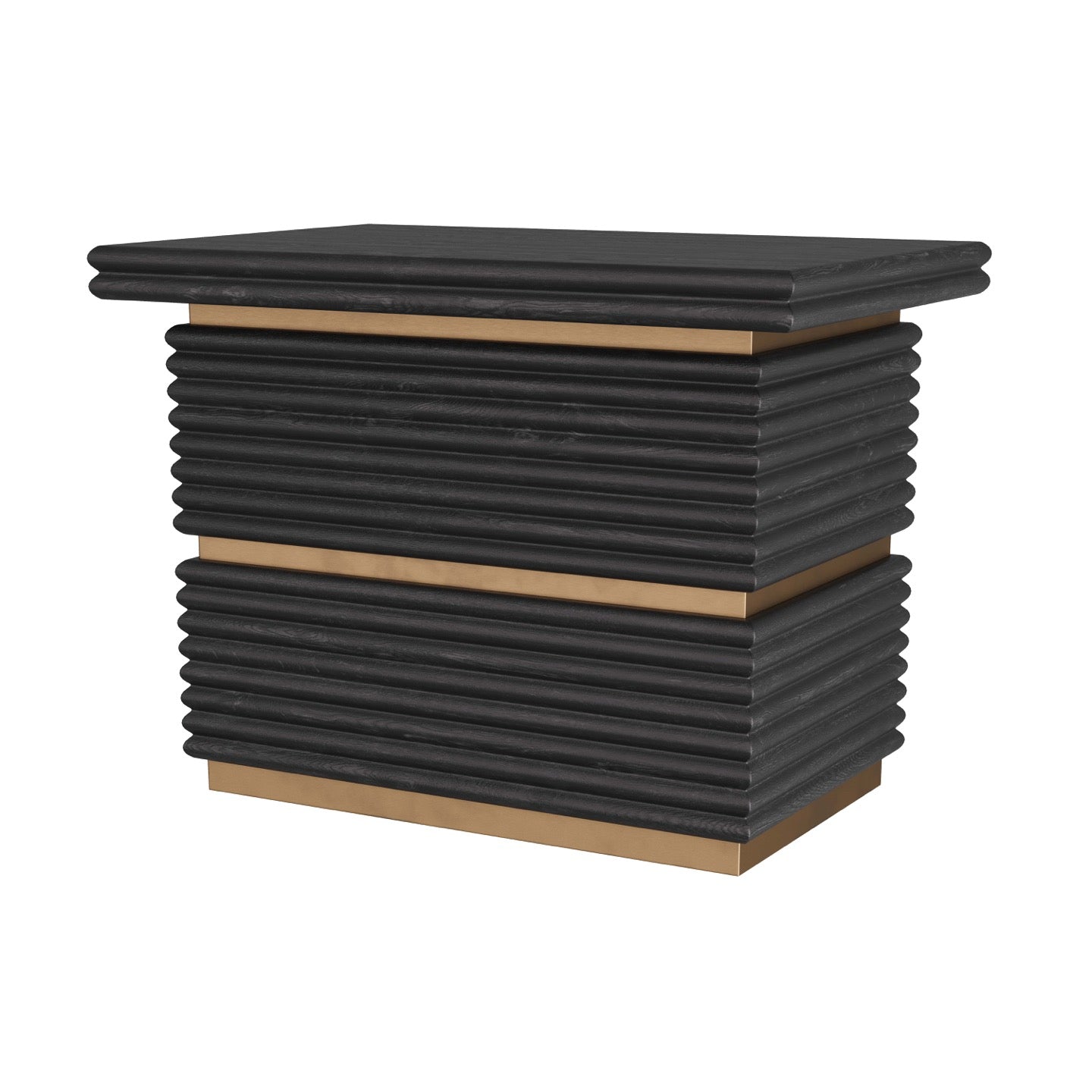
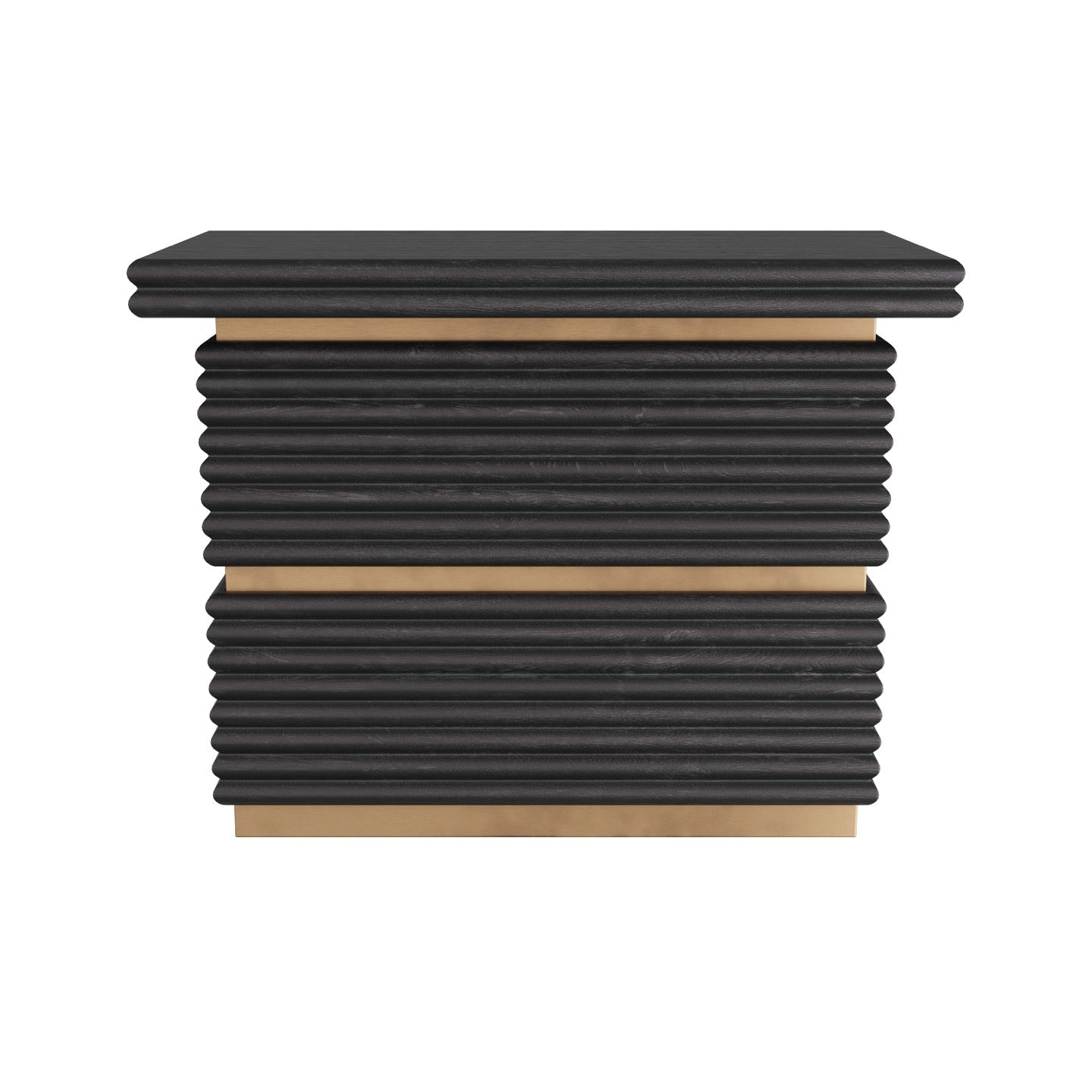
What to look for in side tables
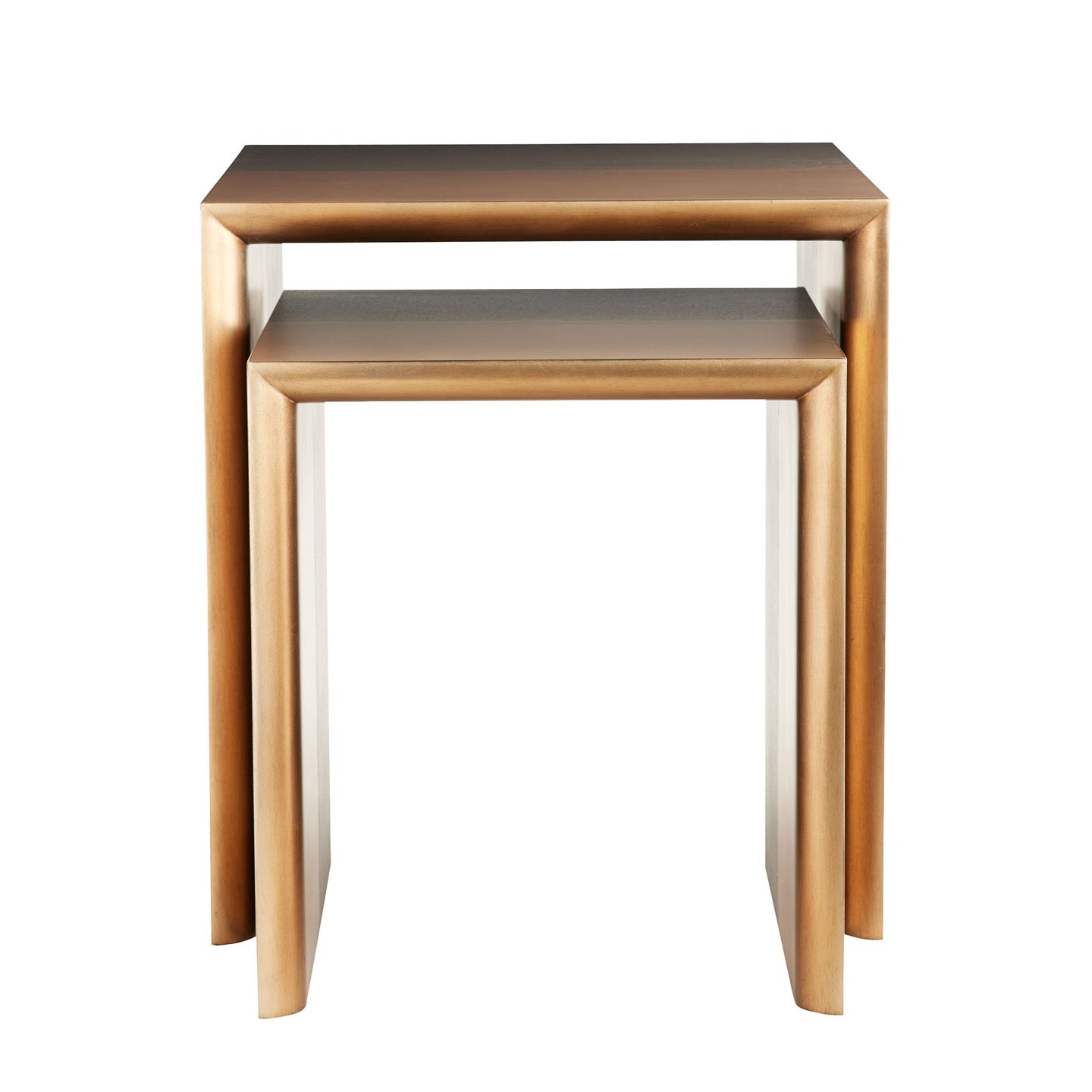
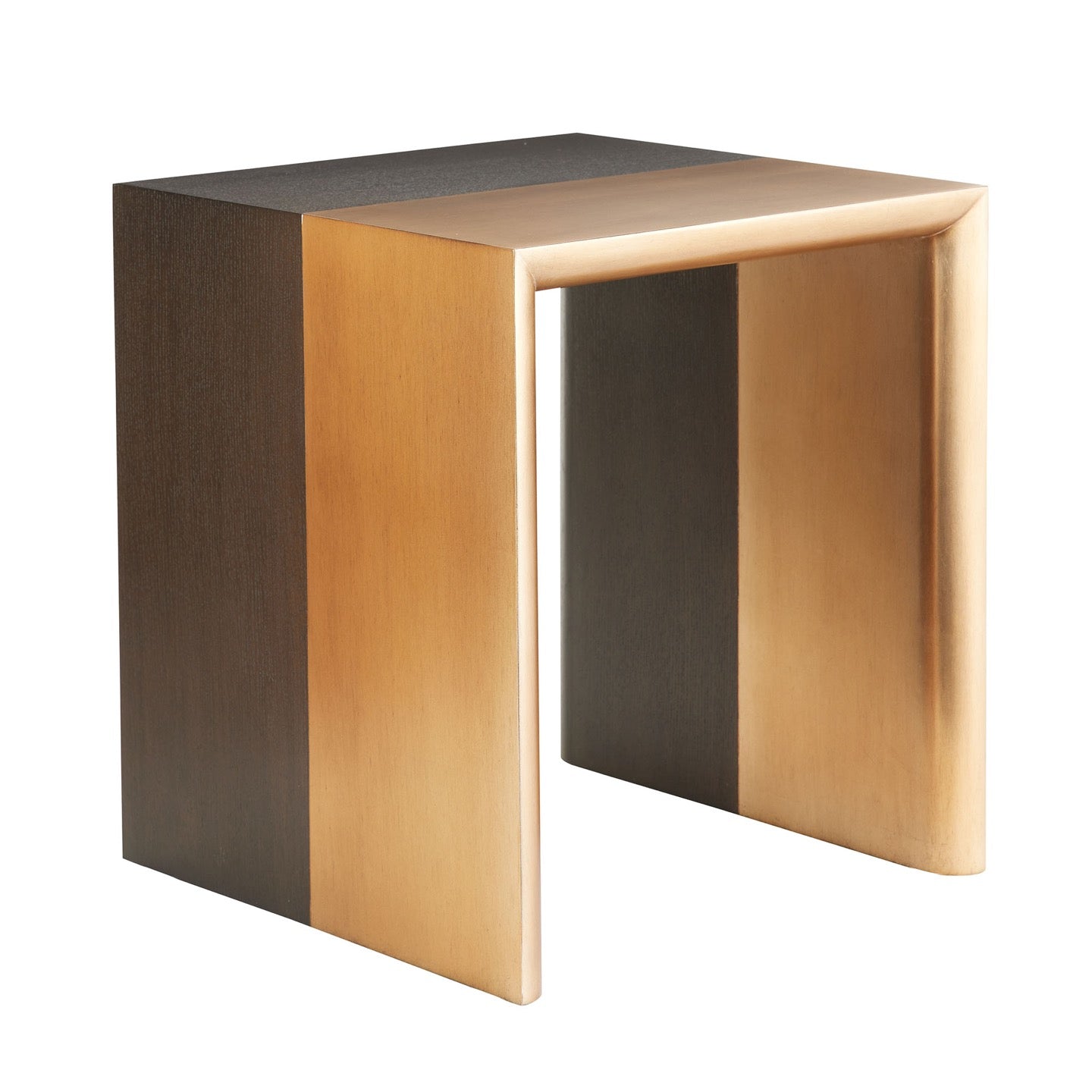
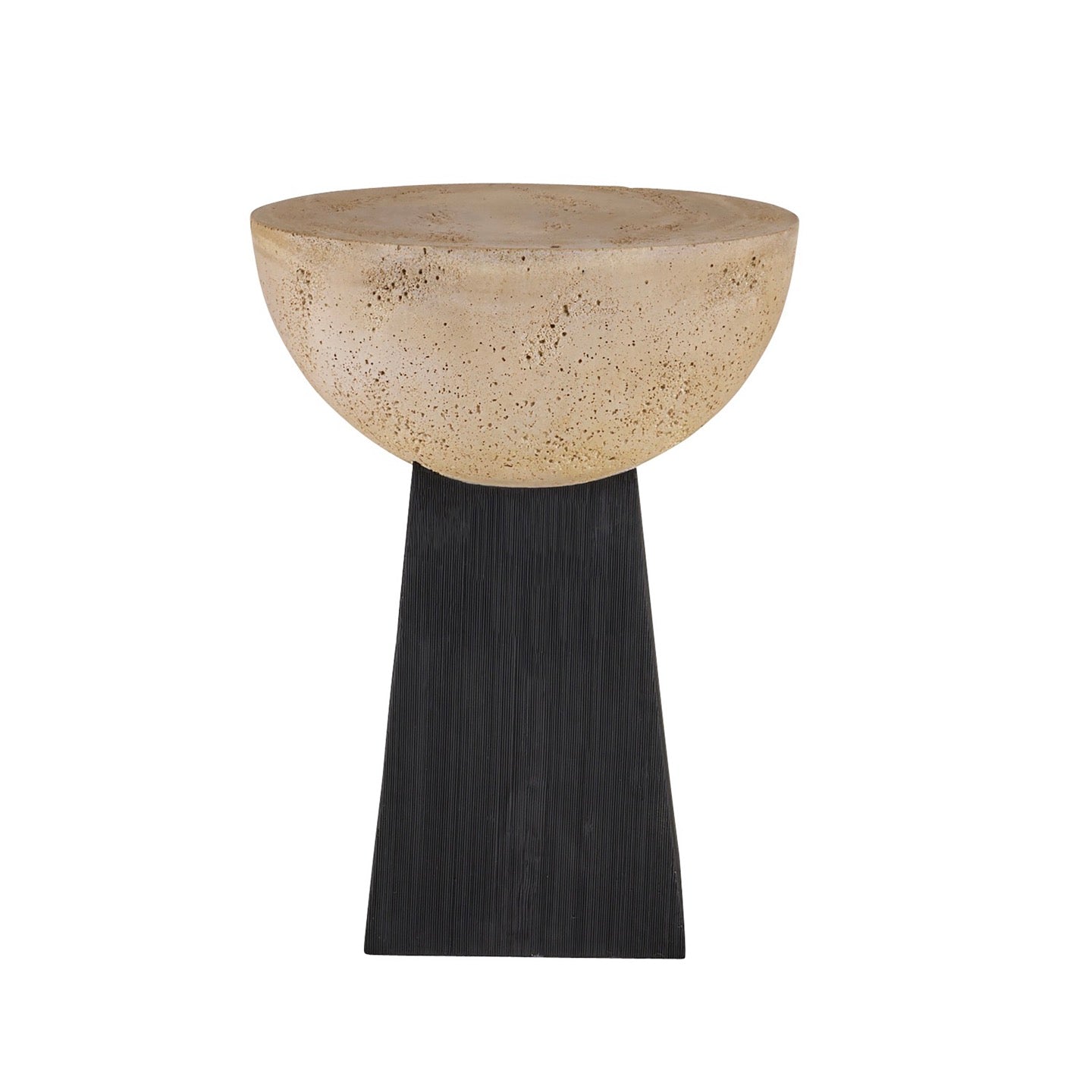
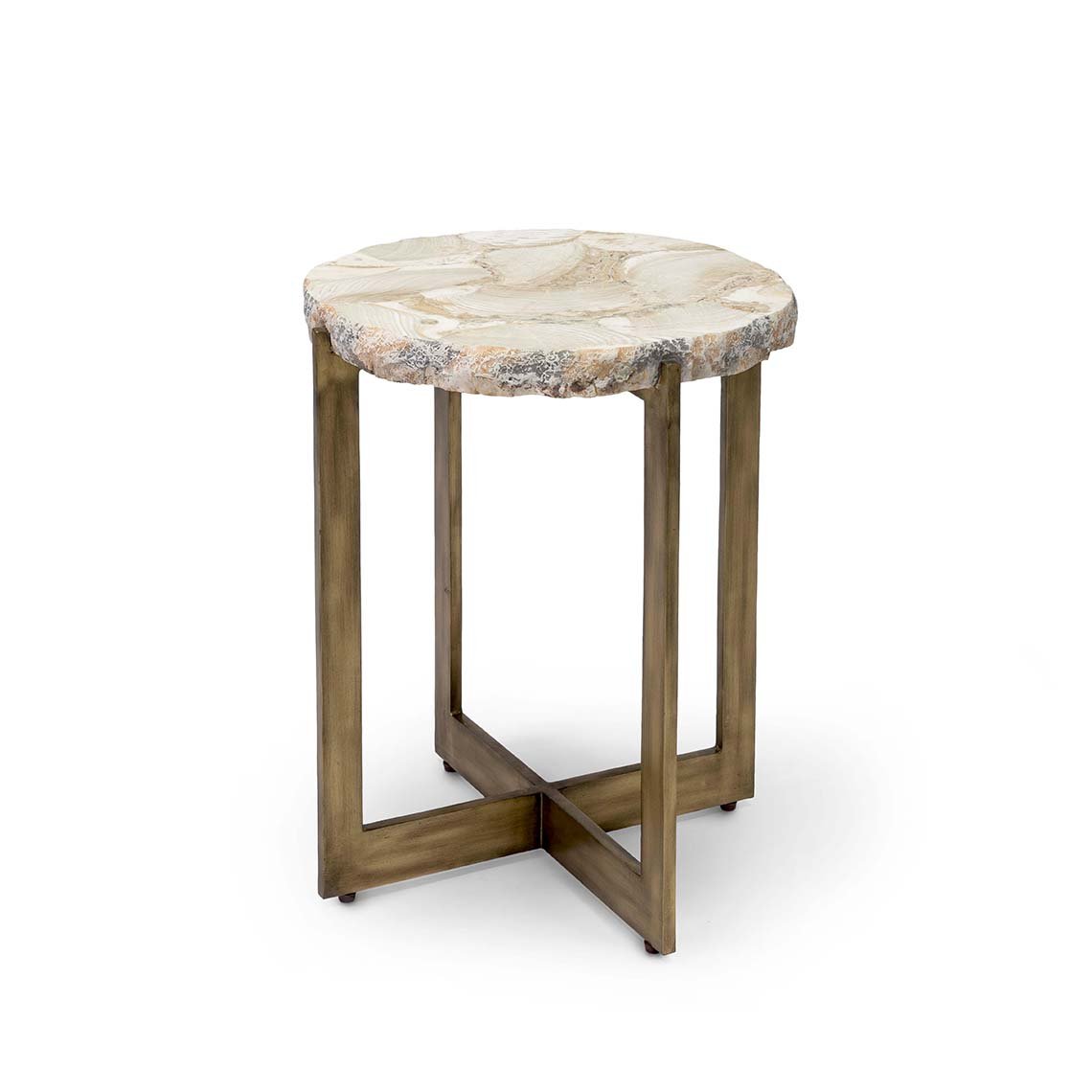
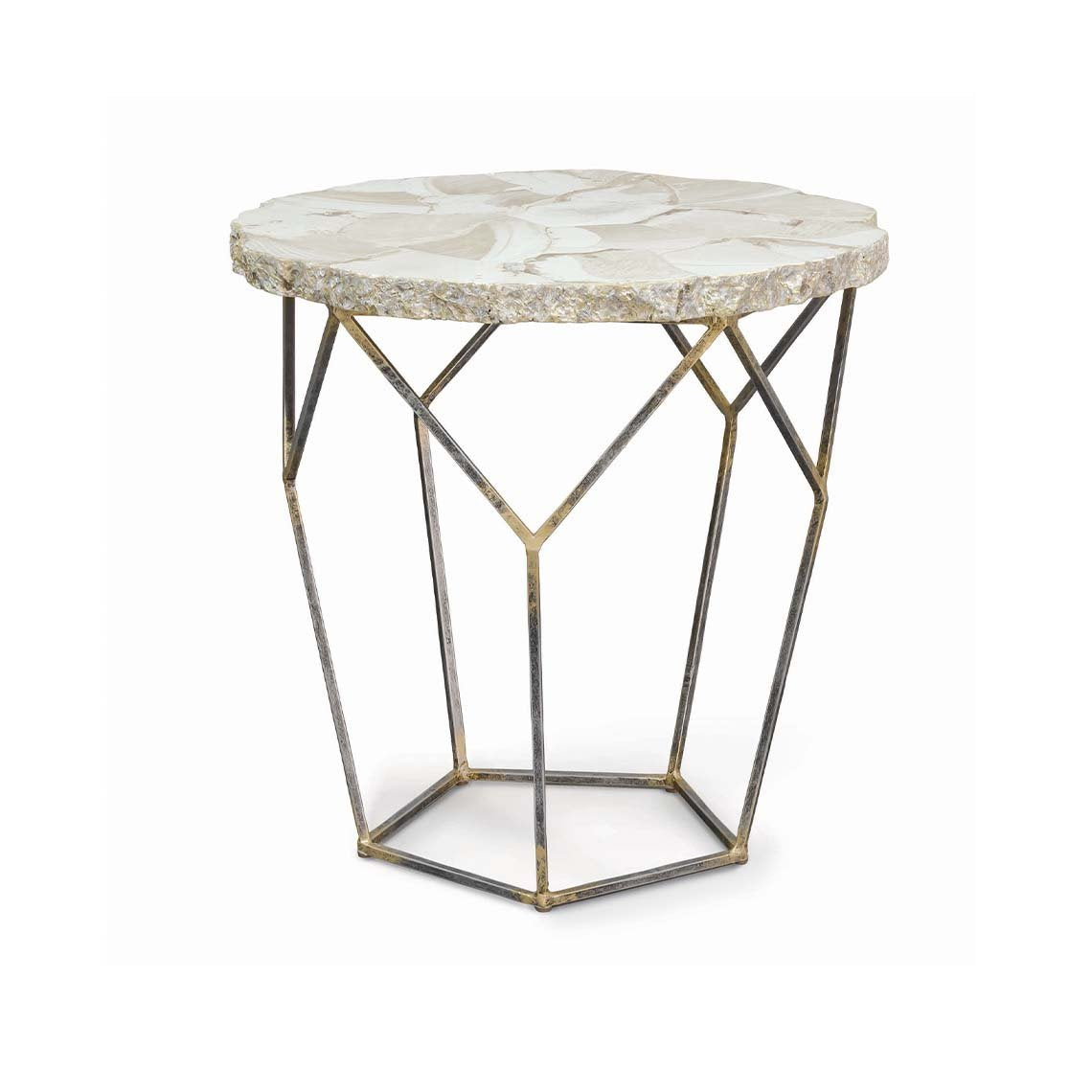
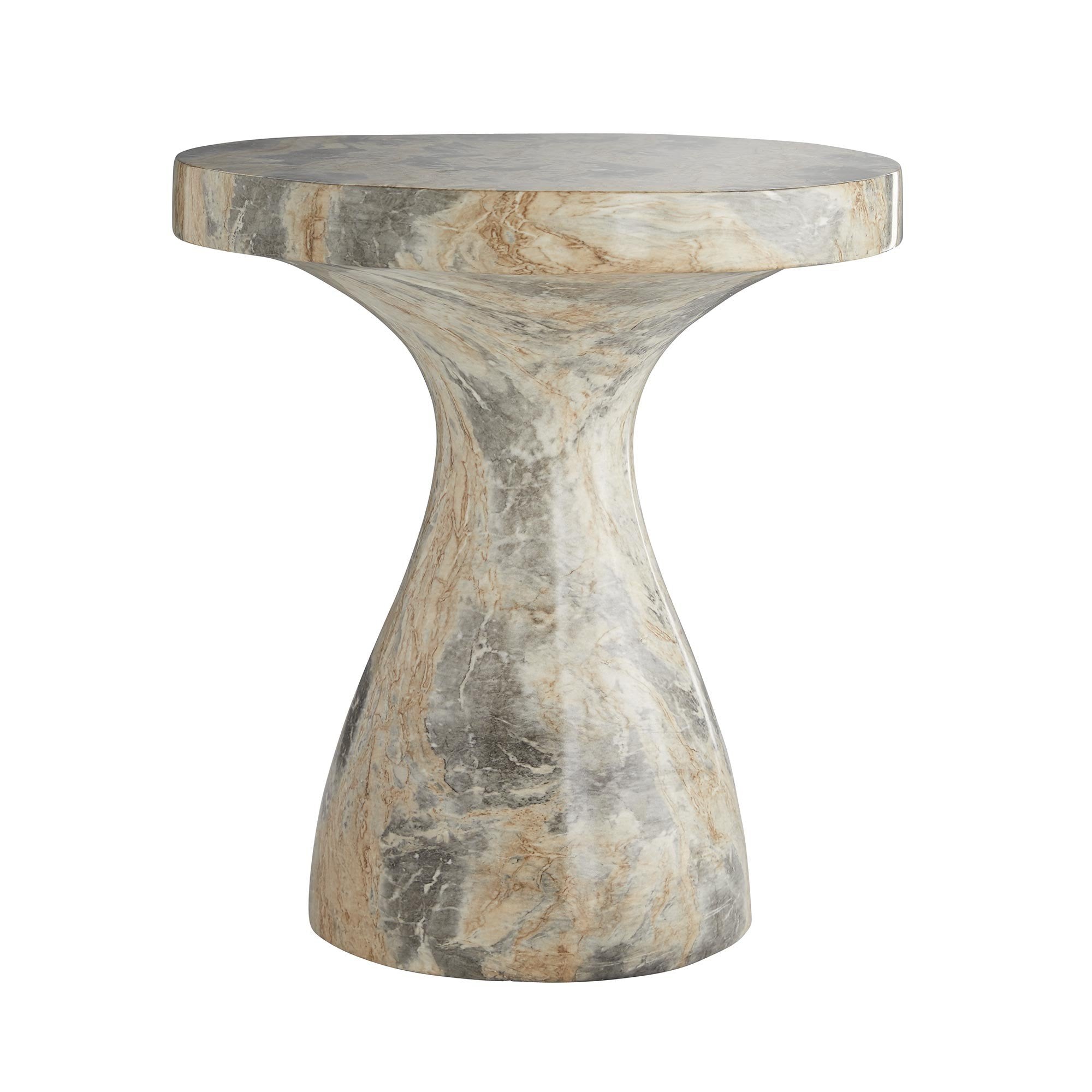
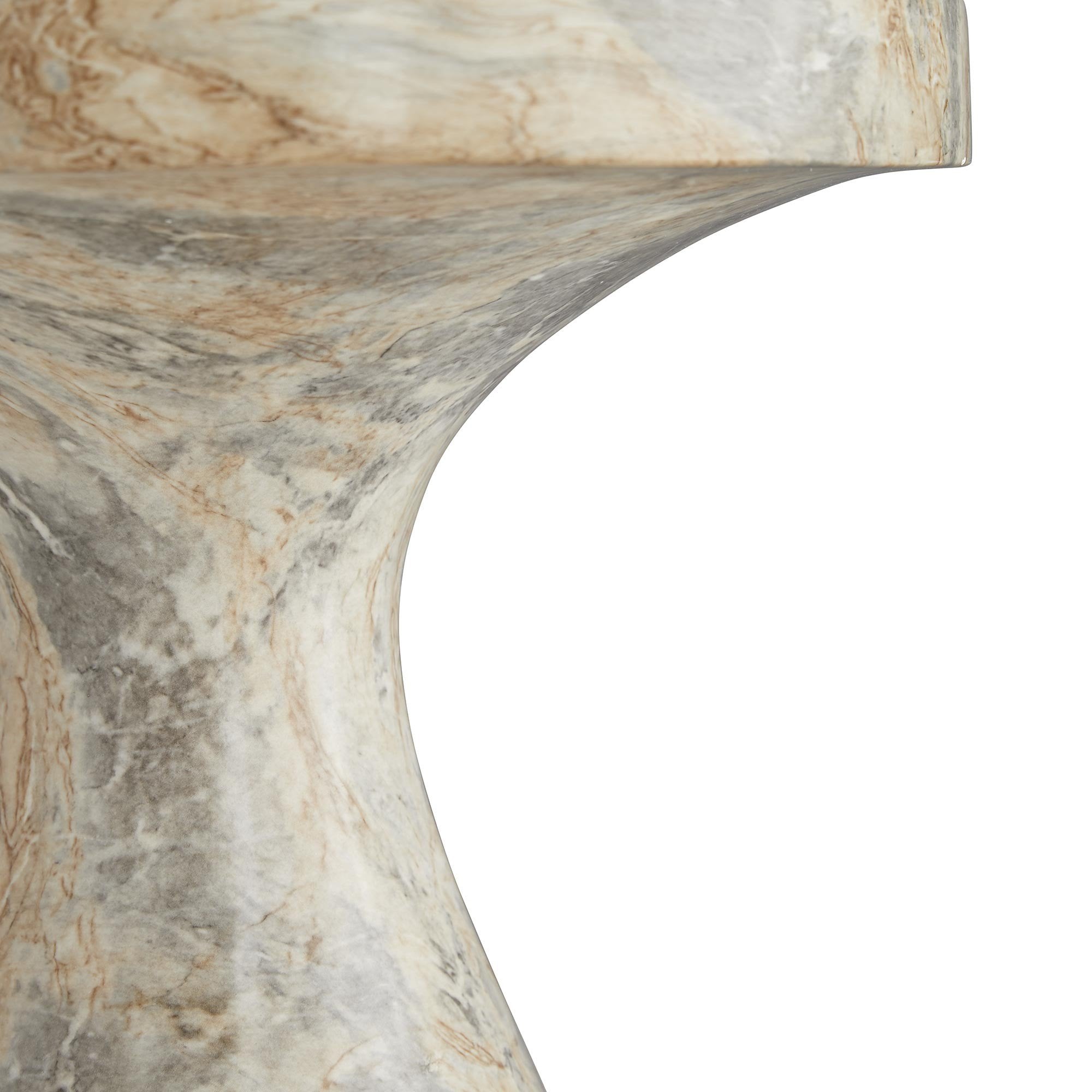
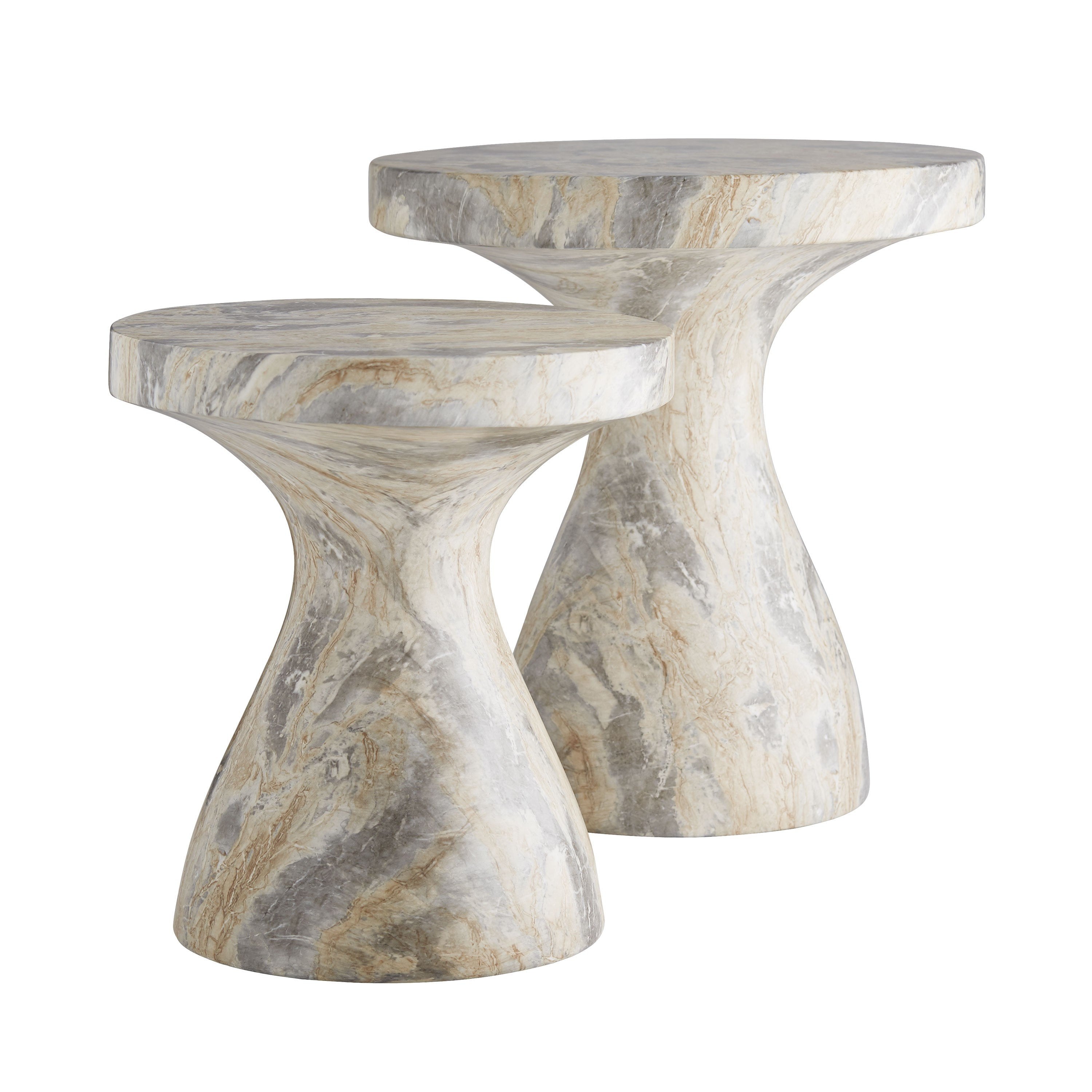
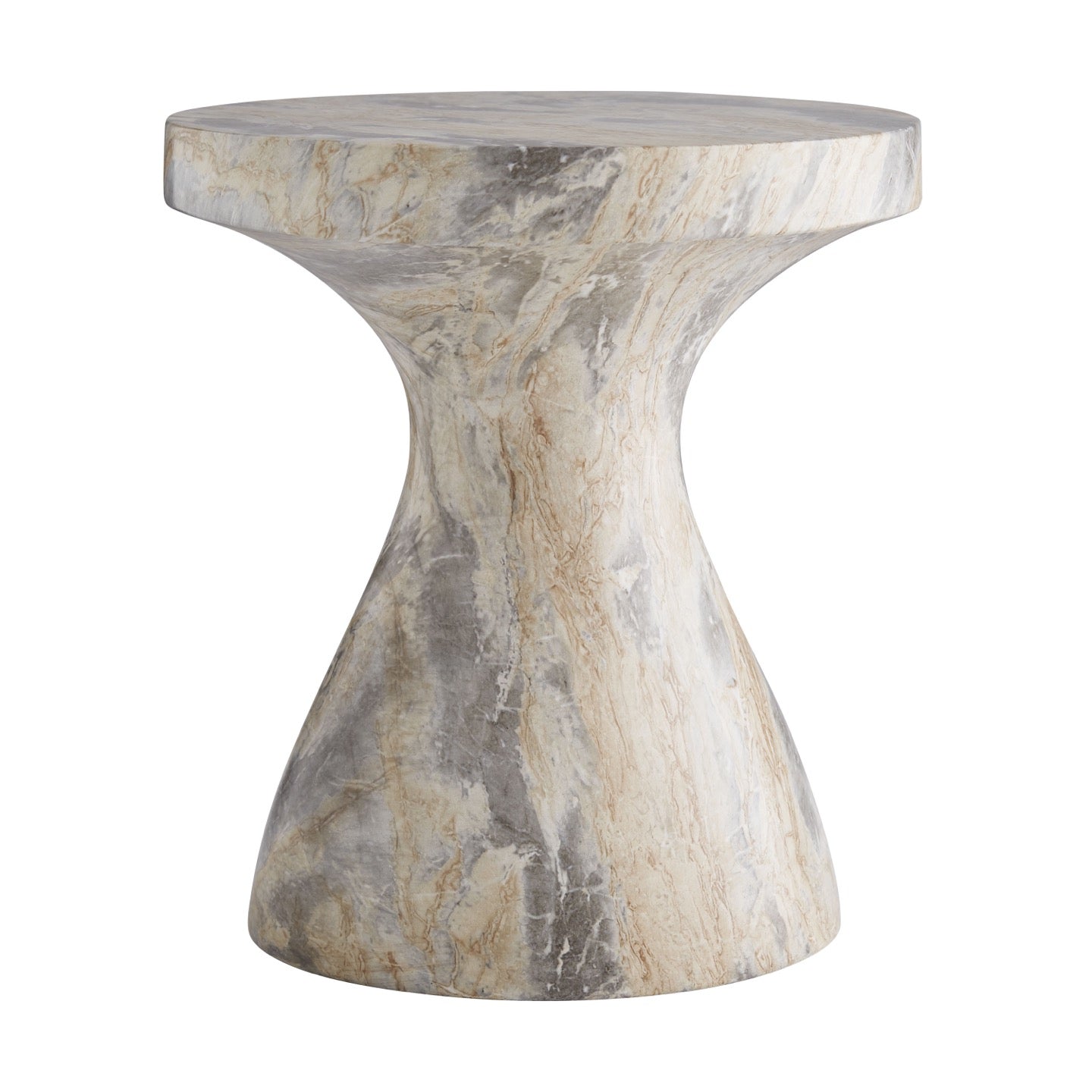
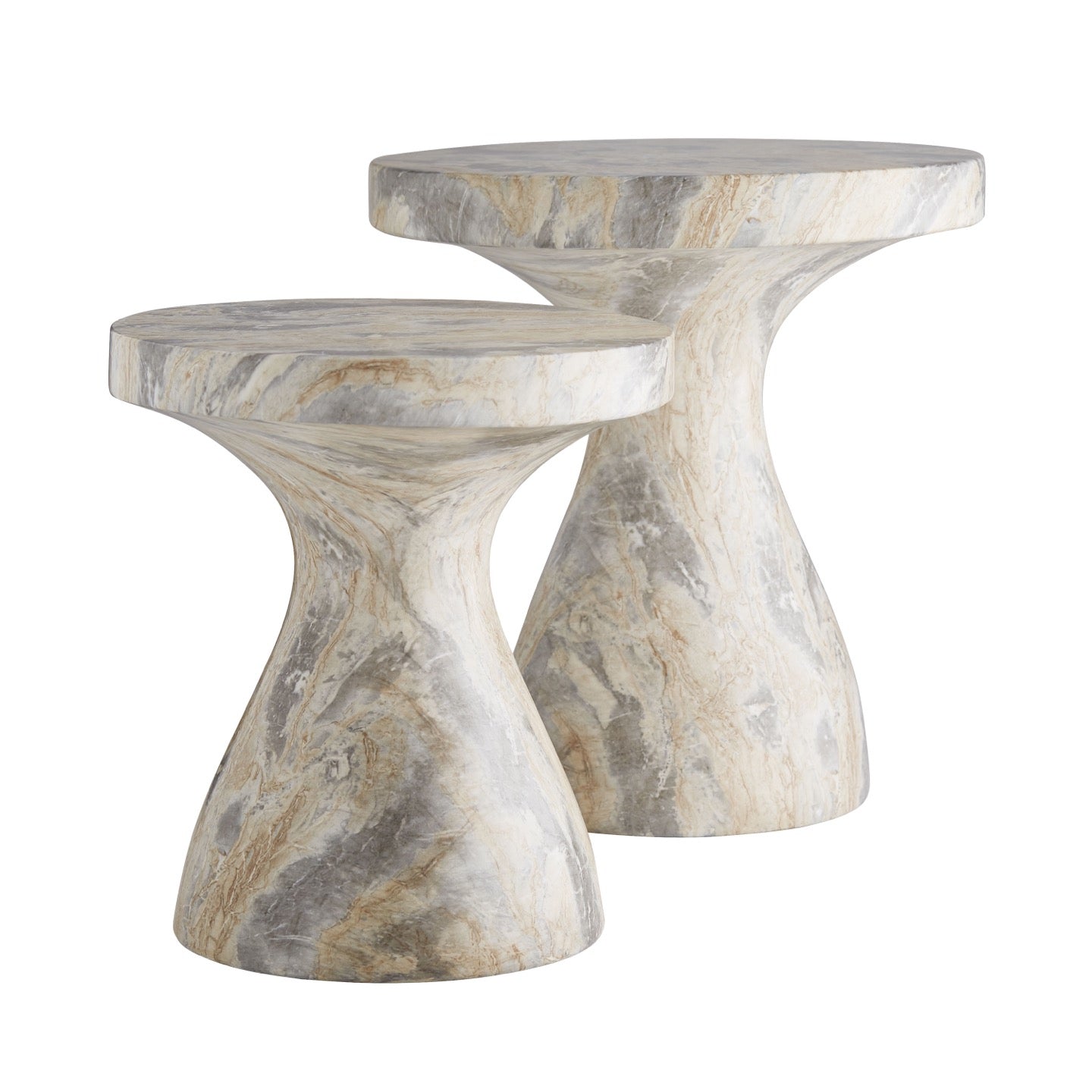
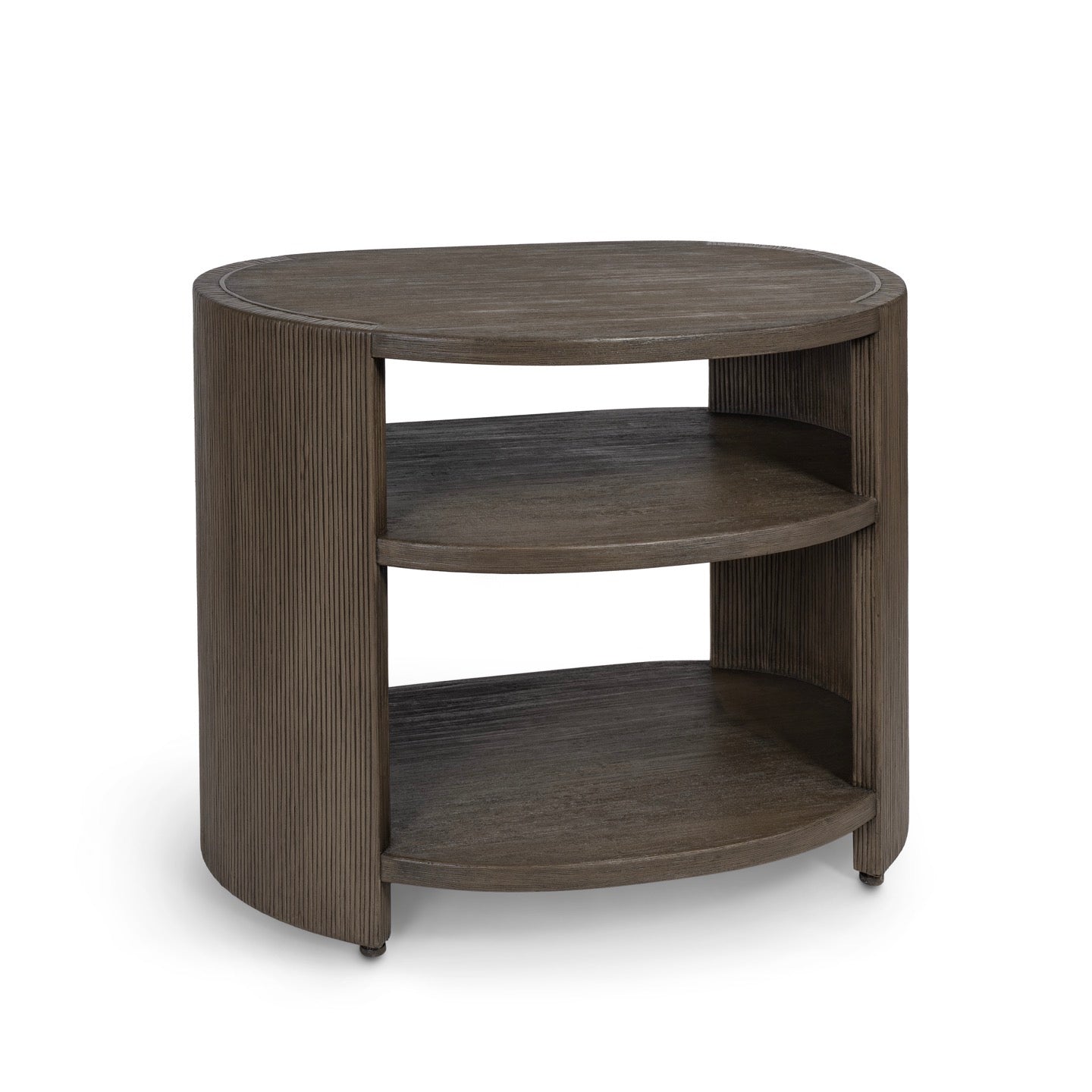
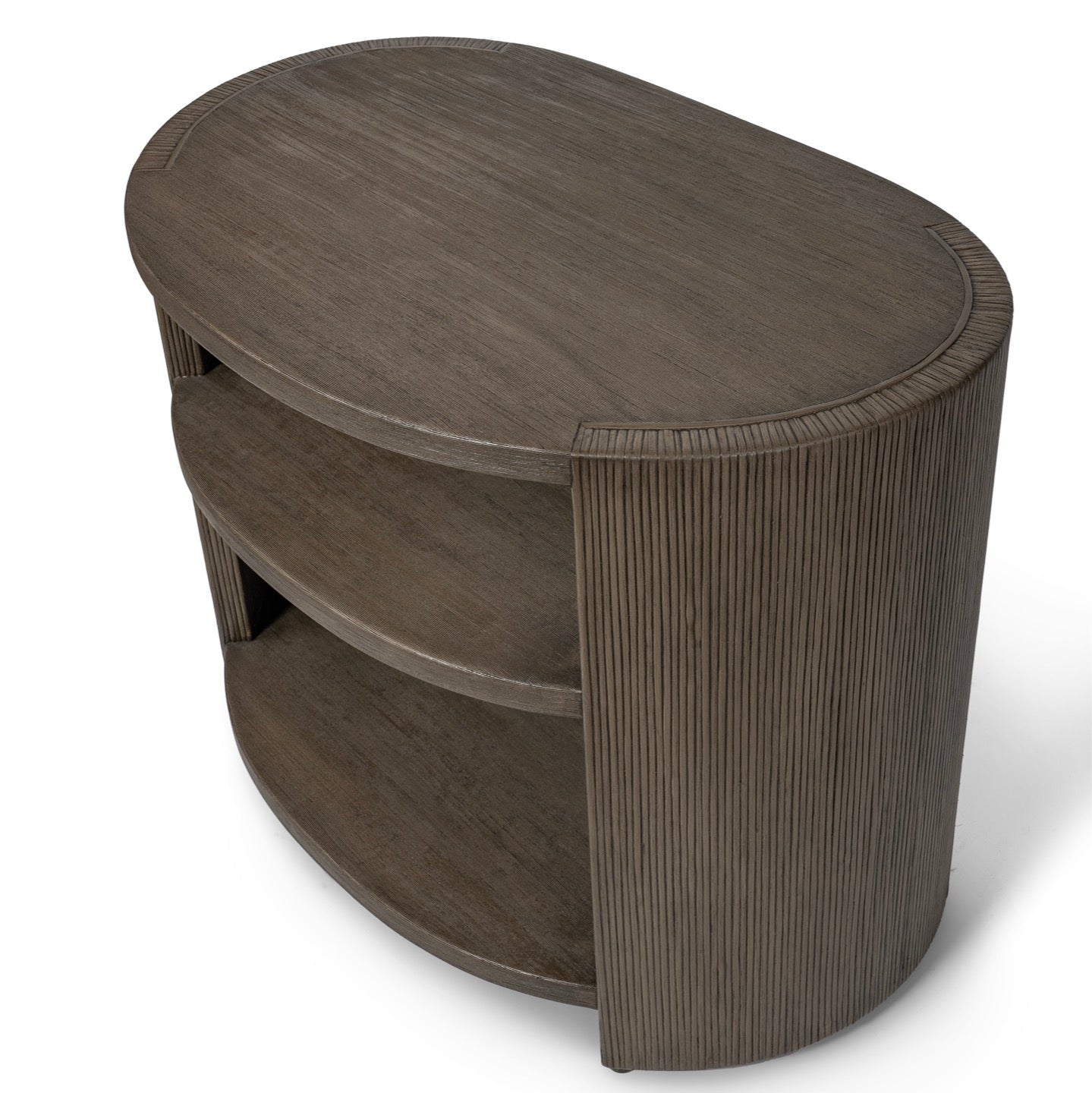
Pedestal, drum, tripod and open-frame bases affect legroom and visual weight differently, while top material determines how suitable the surface is for drinks, lamps or decorative objects.
Materials and craftsmanship
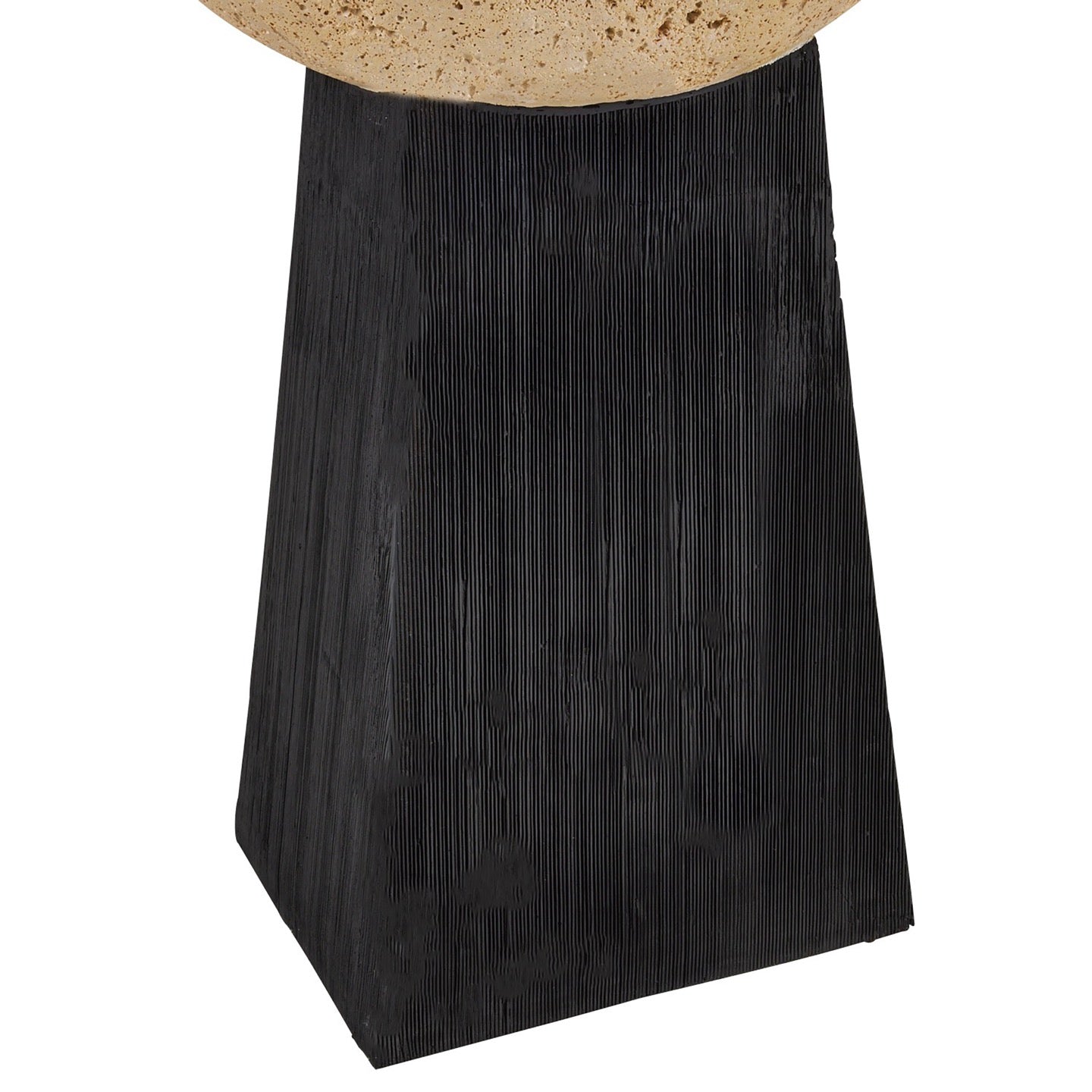
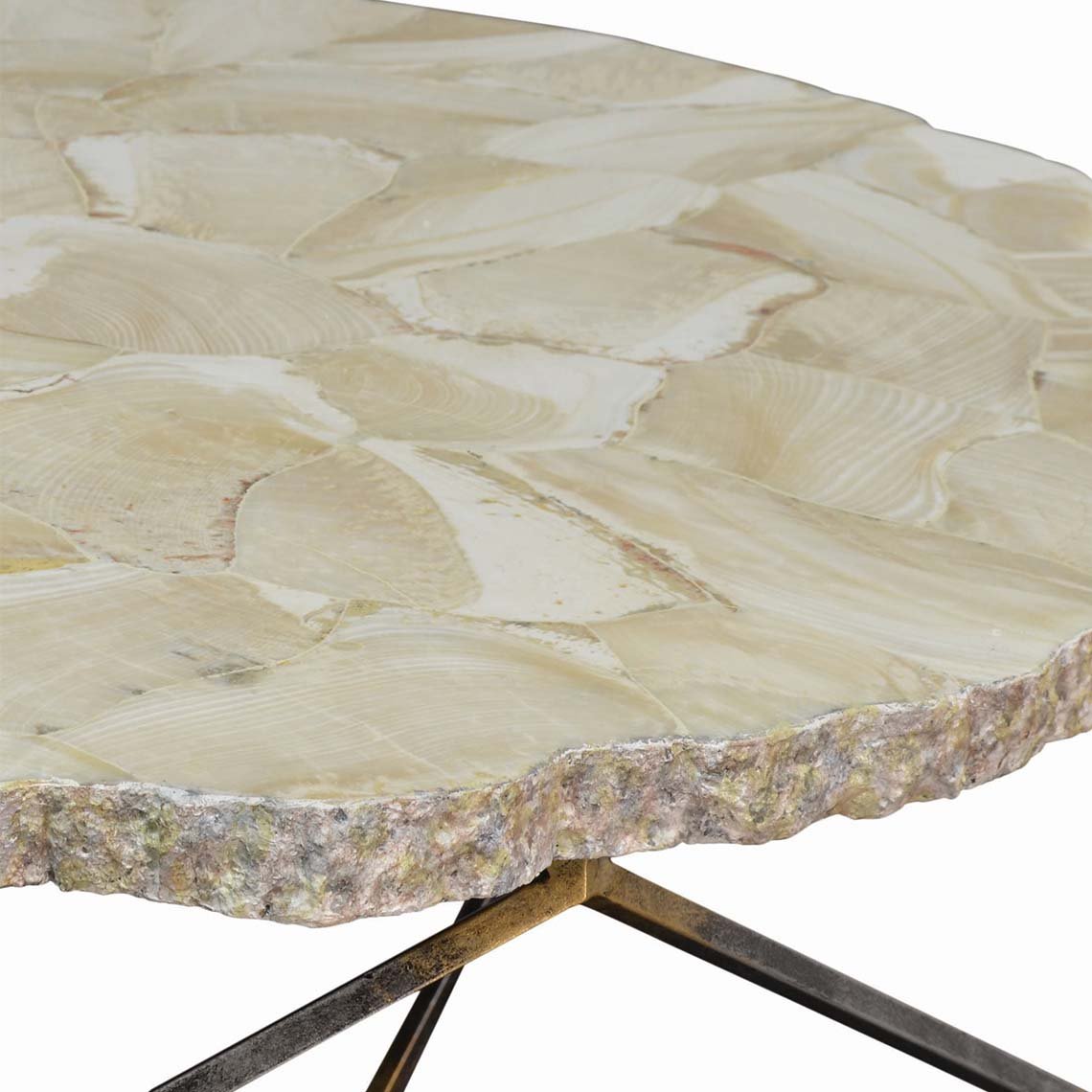
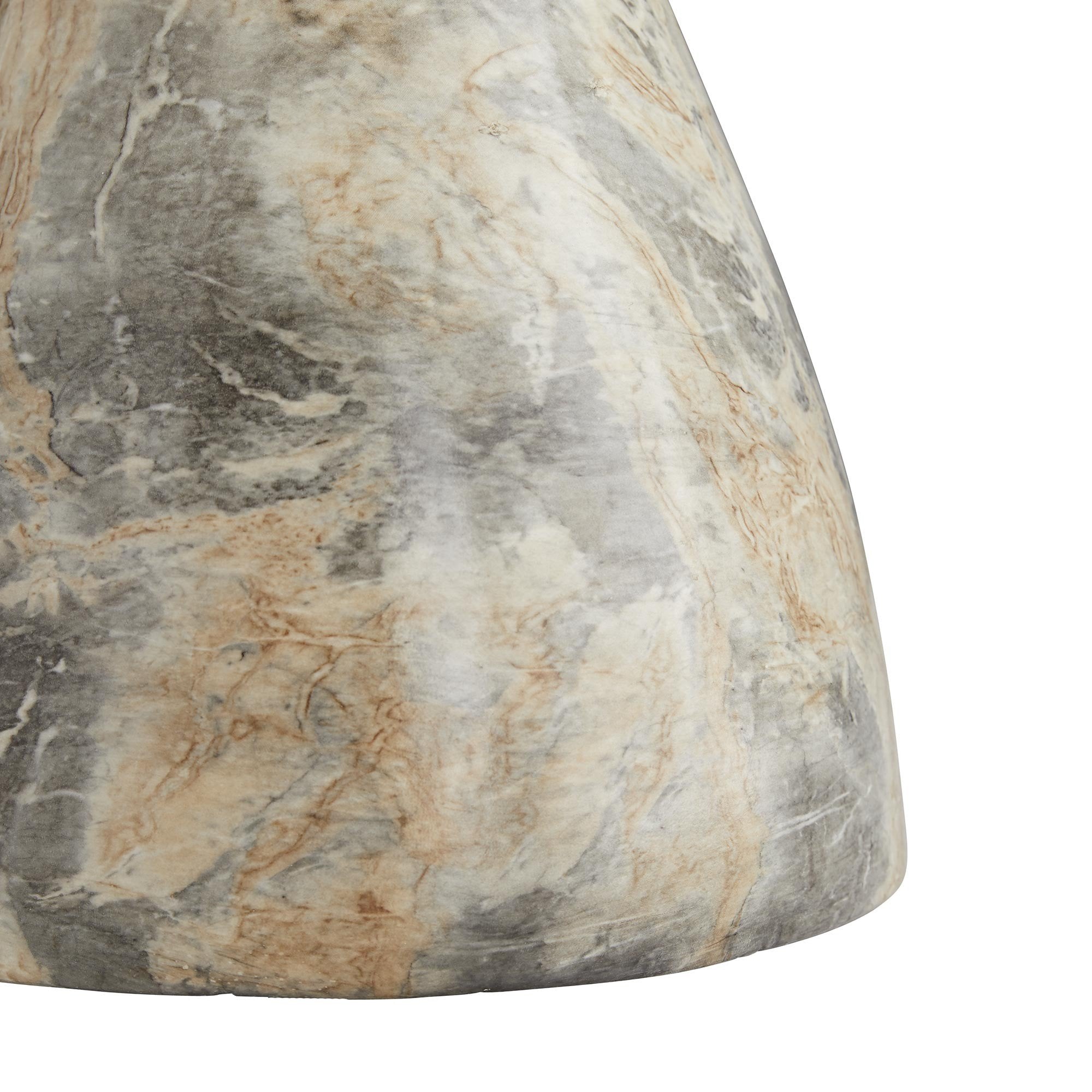
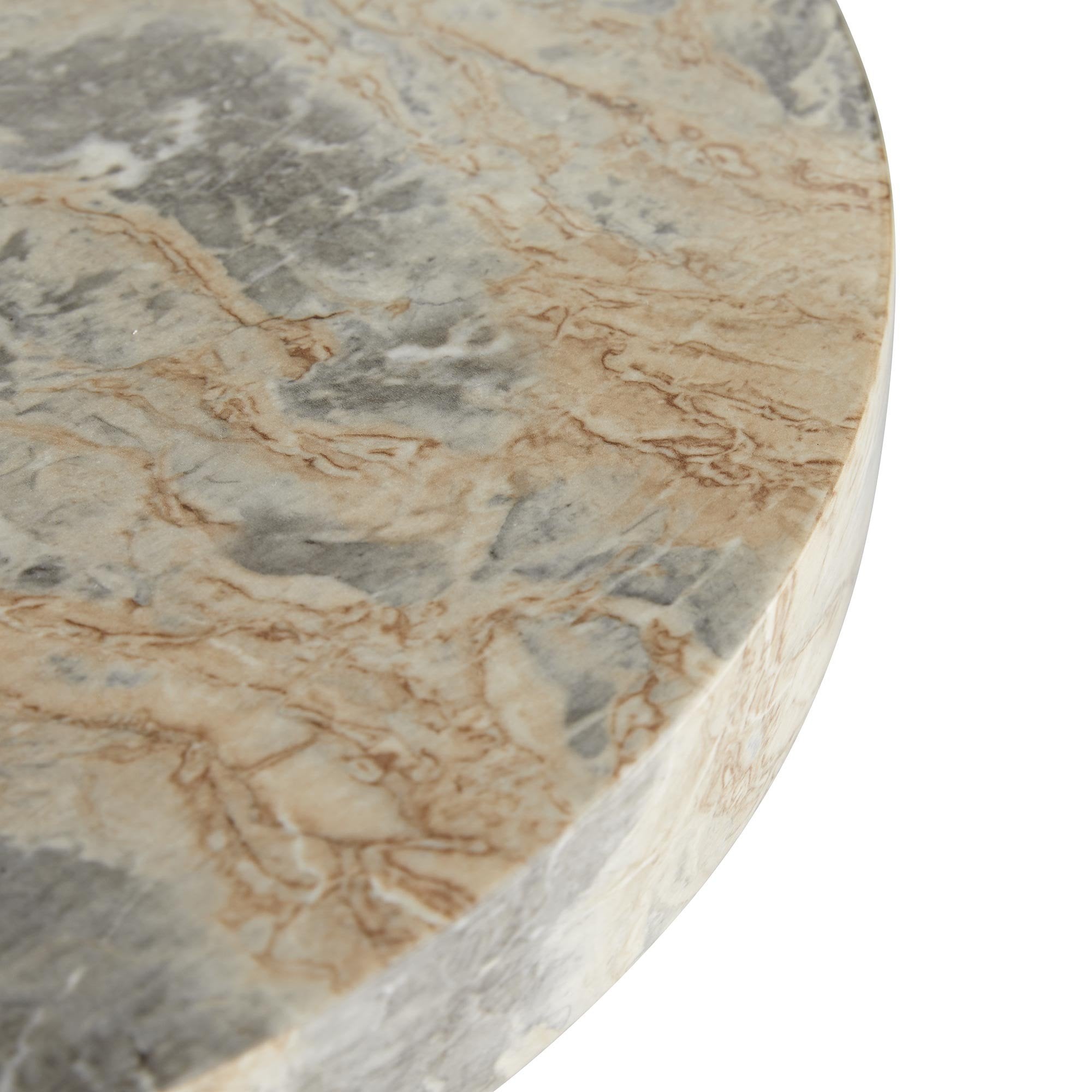
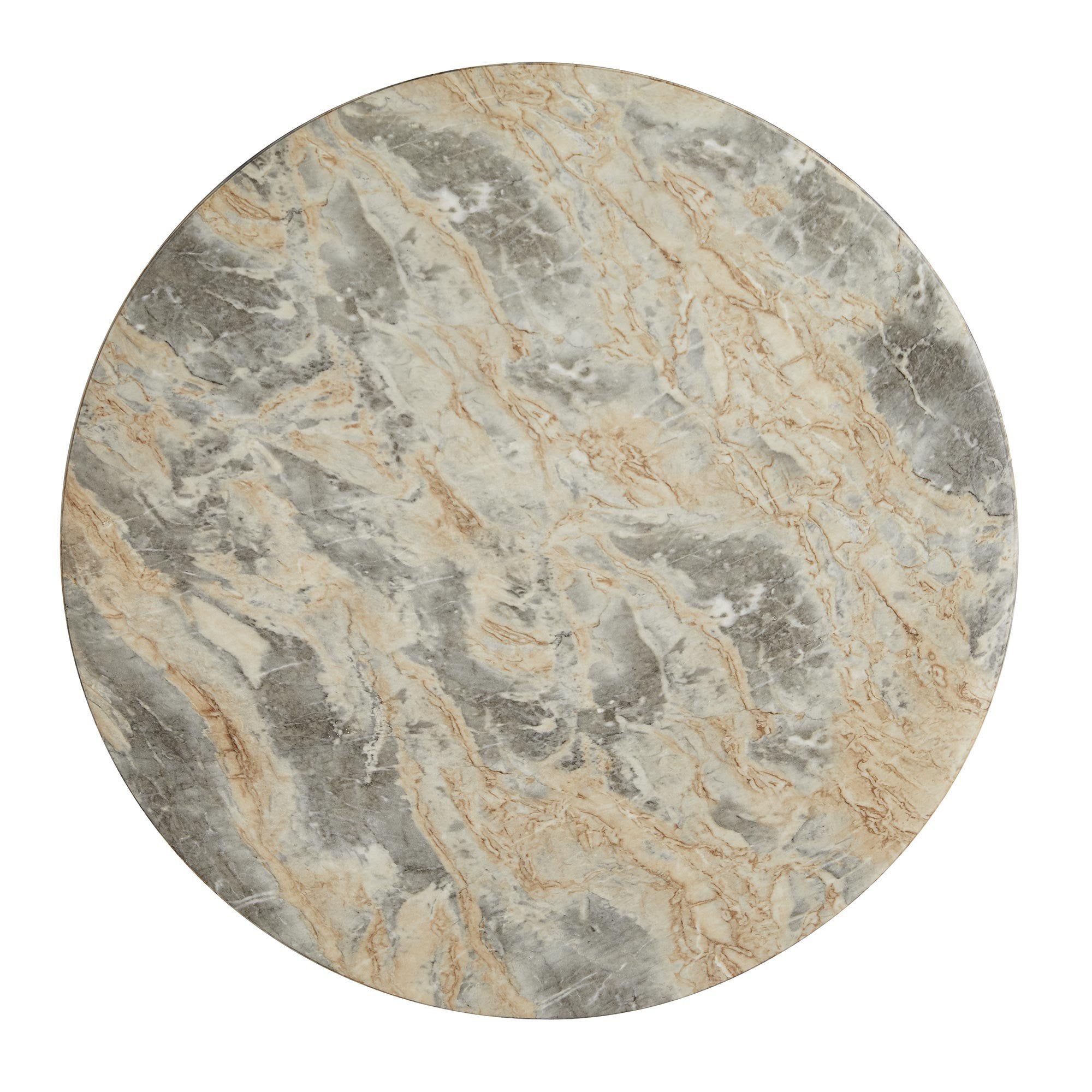
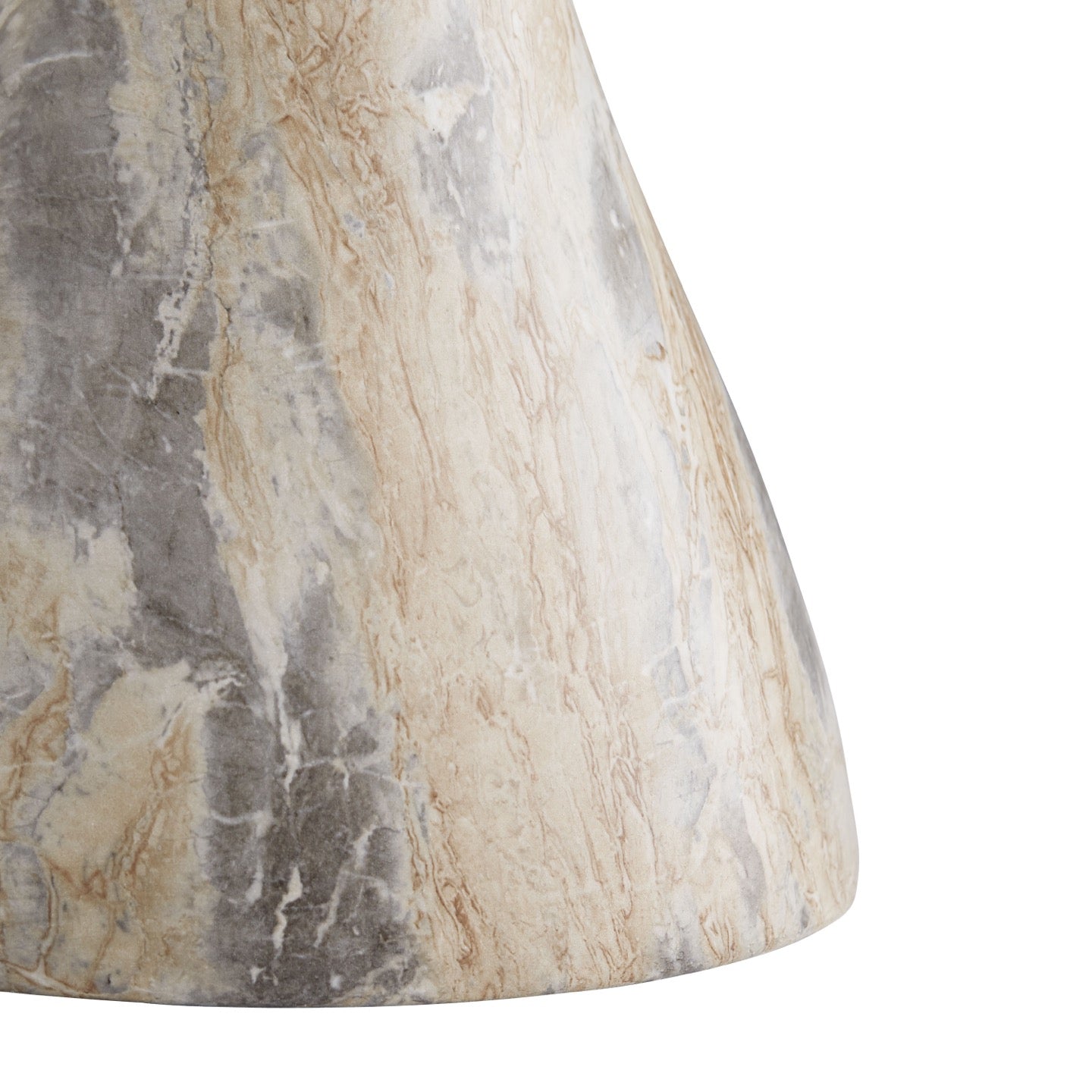
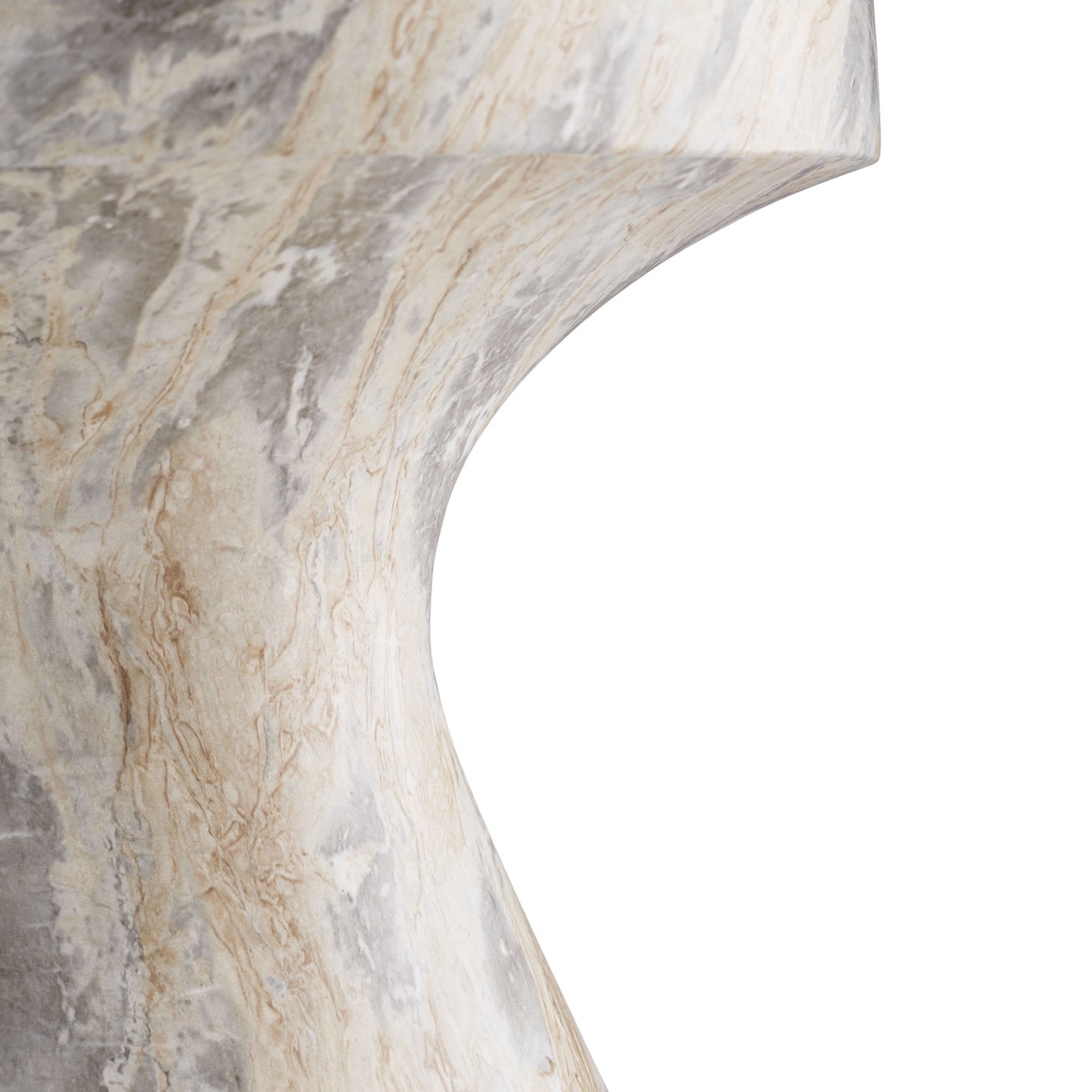
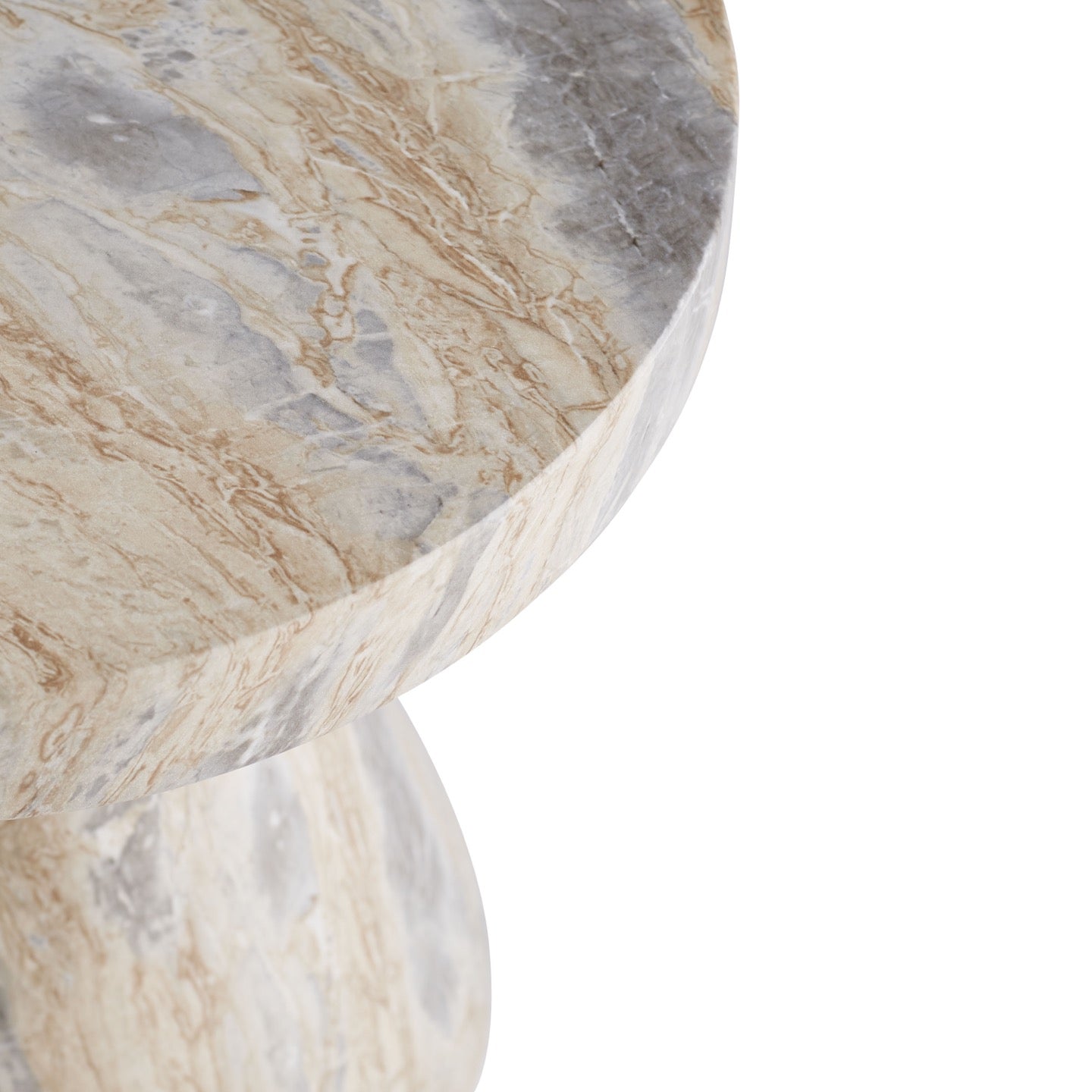
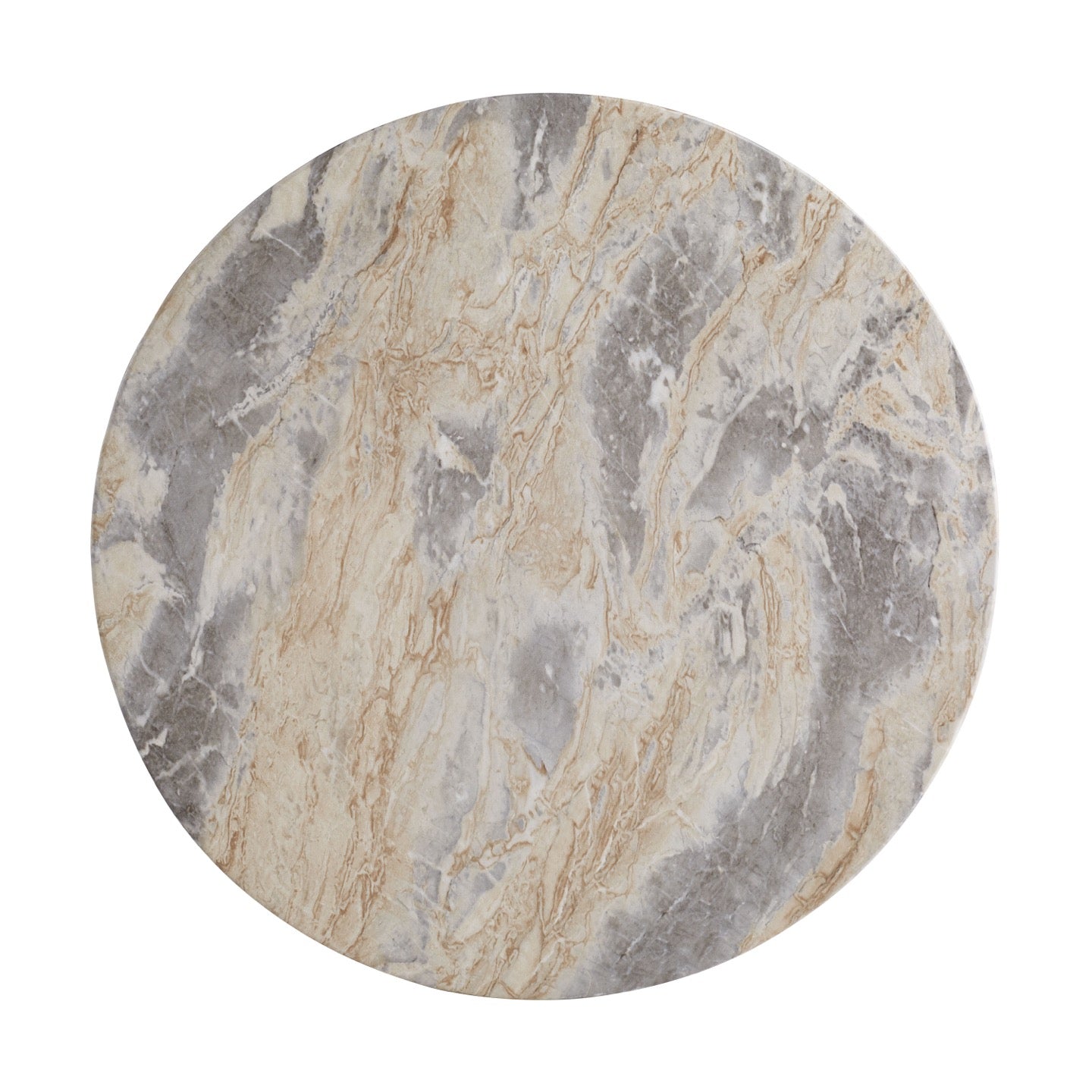
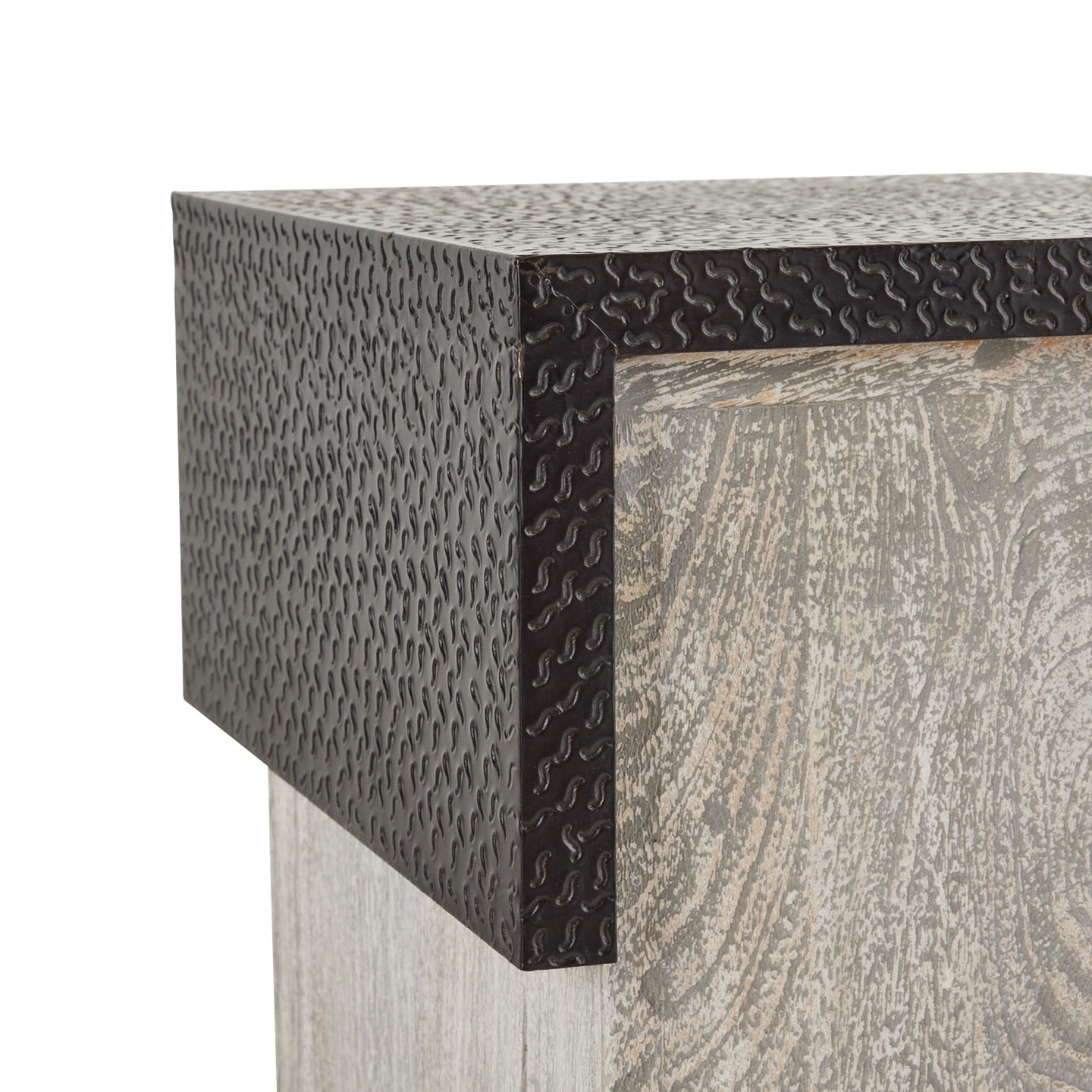
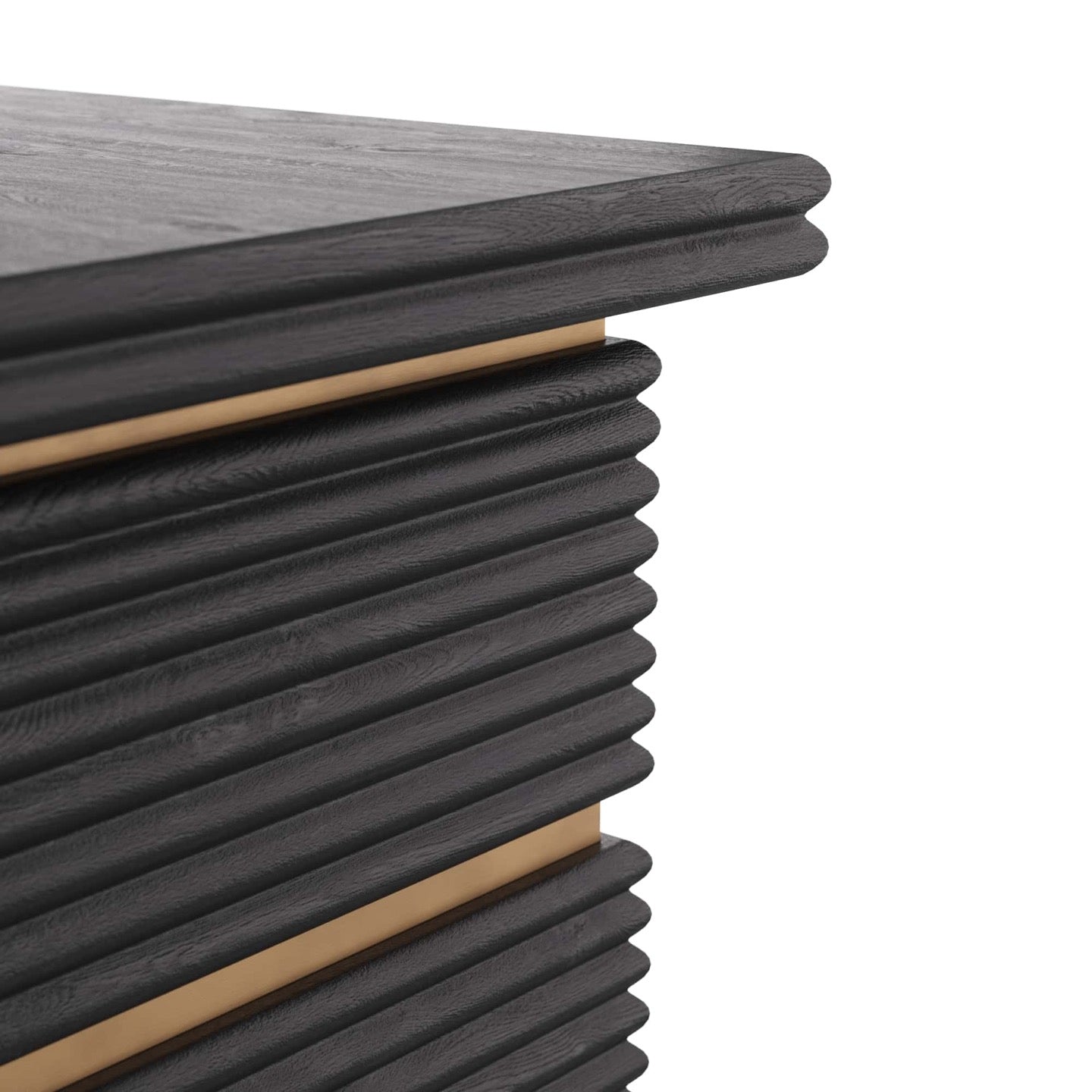
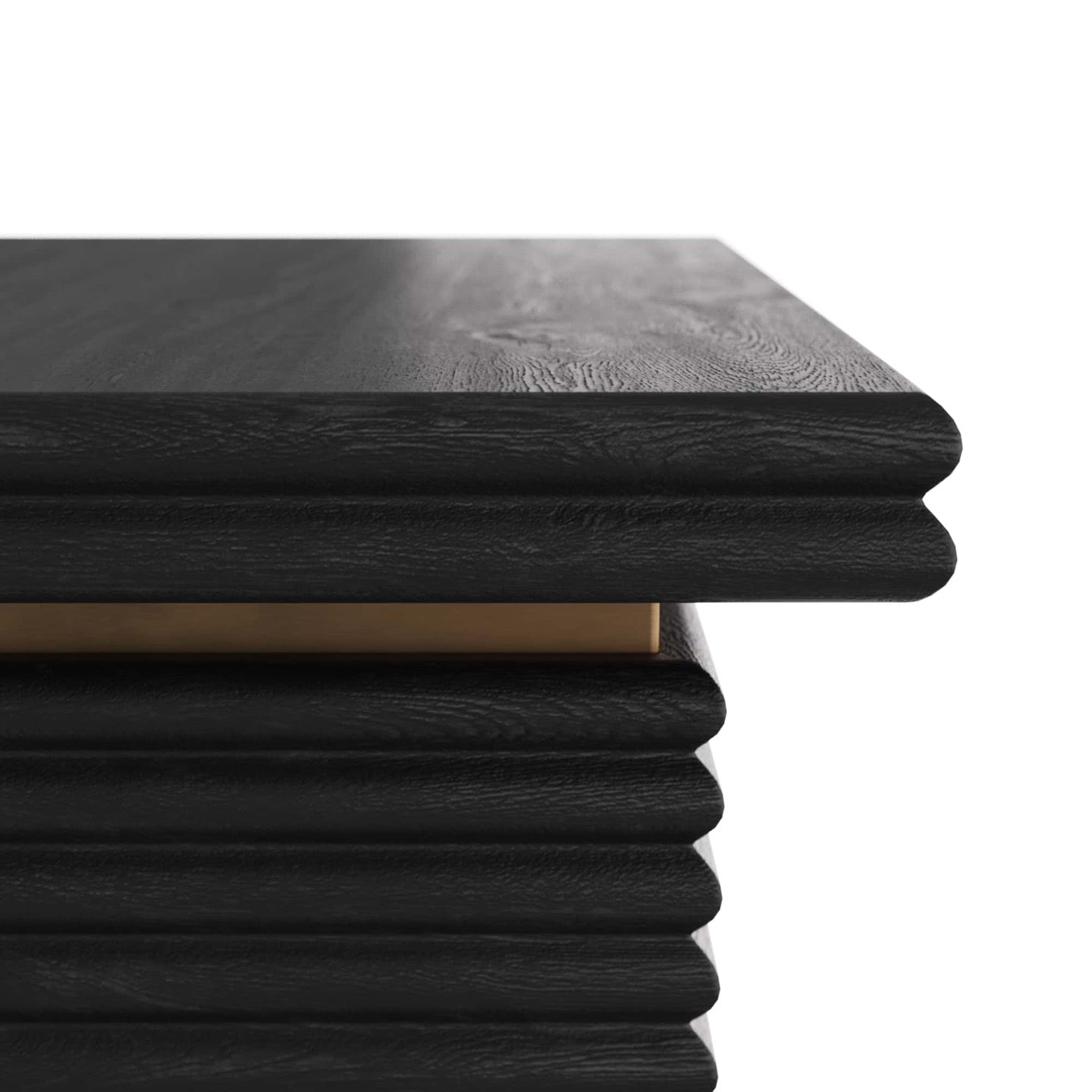
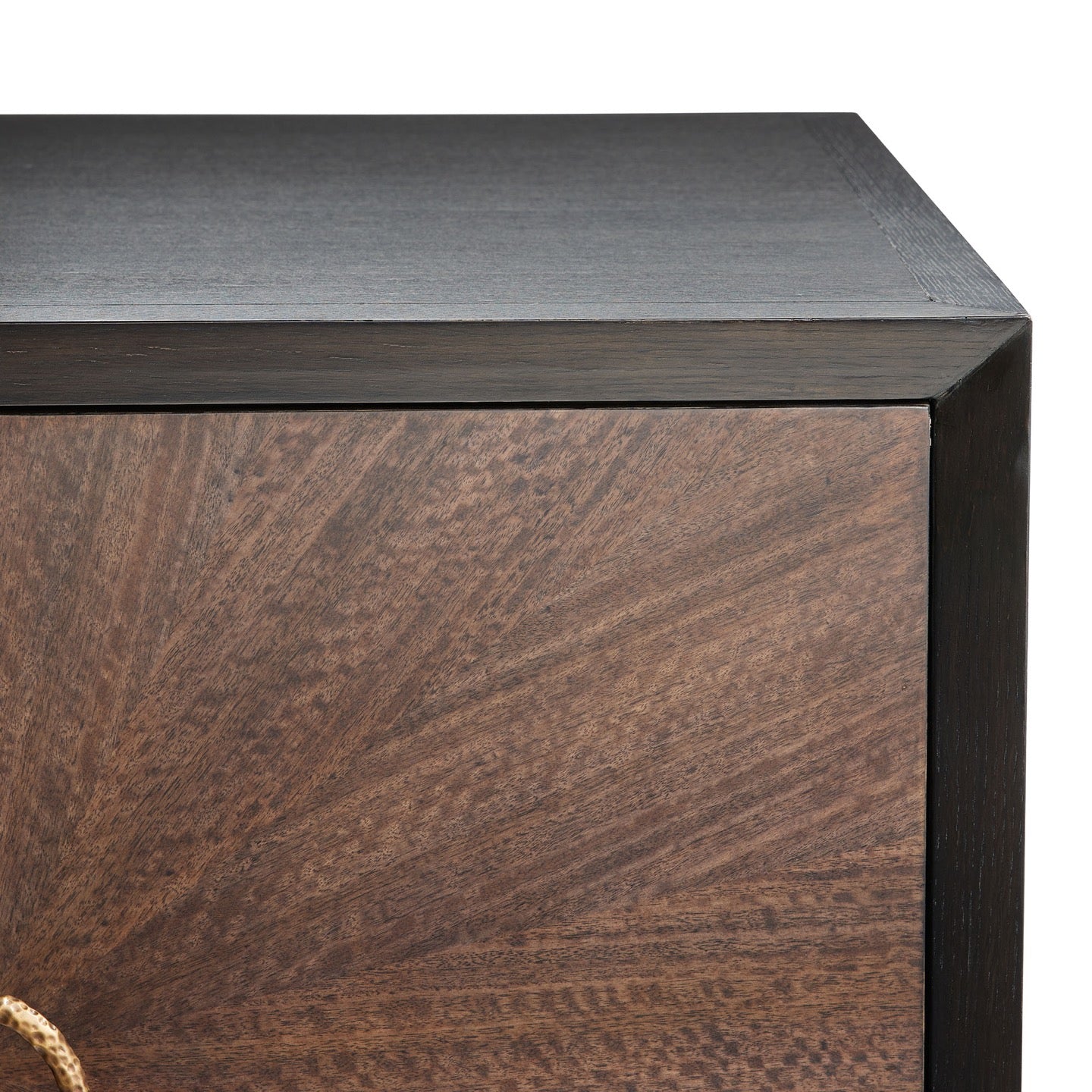
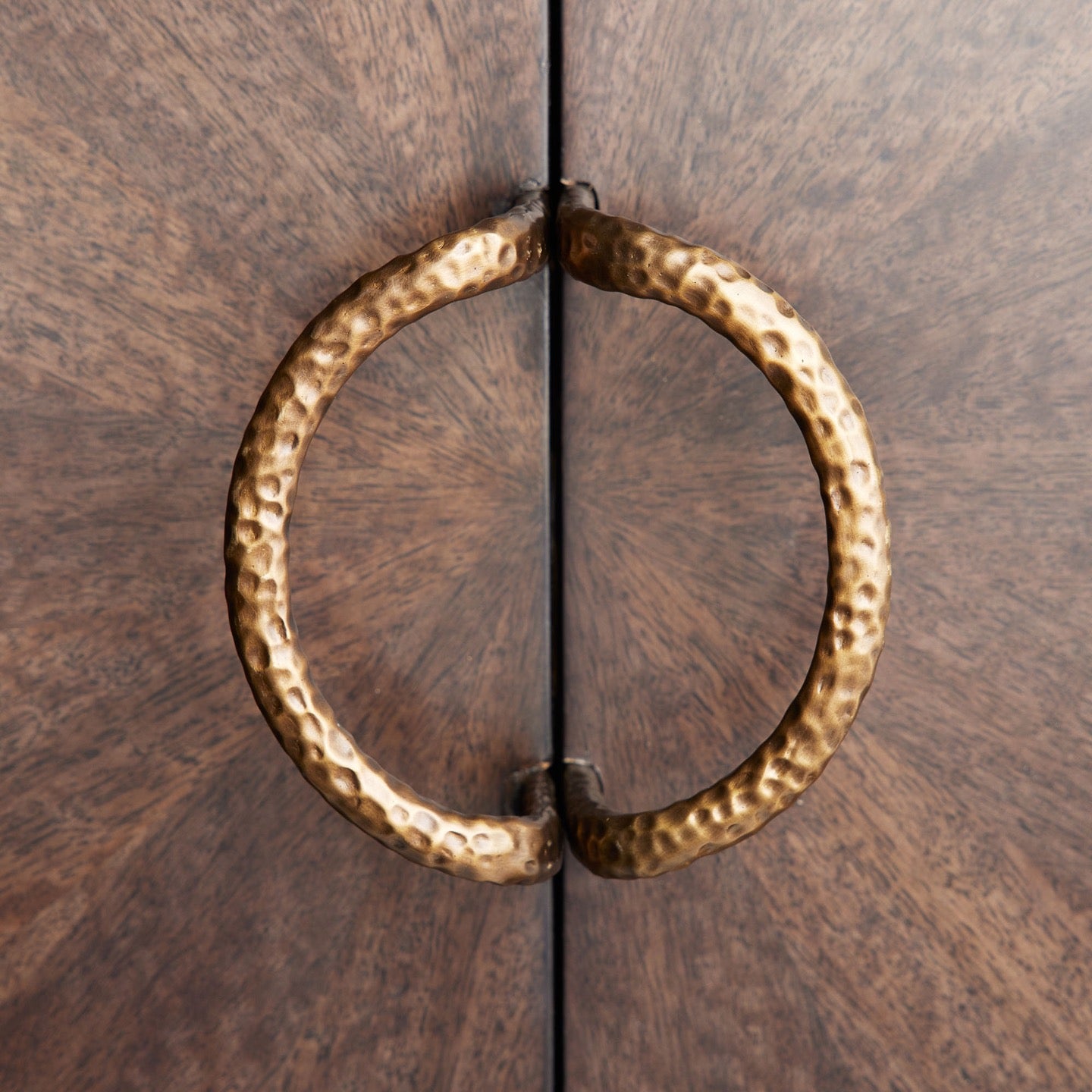
The collection draws on marble, brass, stone, iron and oak. Cast and carved detailing adds further texture and individuality. Material, surface and making technique create a nuanced side tables collection with a strong sense of character.
Scale, placement and everyday use
A side table usually works best close to the arm height of the adjacent chair or sofa. Check the diameter or width against the available clearance, and consider the weight and stability required for lamps, drinks or decorative objects.
Frequently asked questions
How high should a side table be next to a sofa?
As a guide, choose a surface close to the sofa arm height or slightly lower so it is comfortable to reach without dominating the seating.