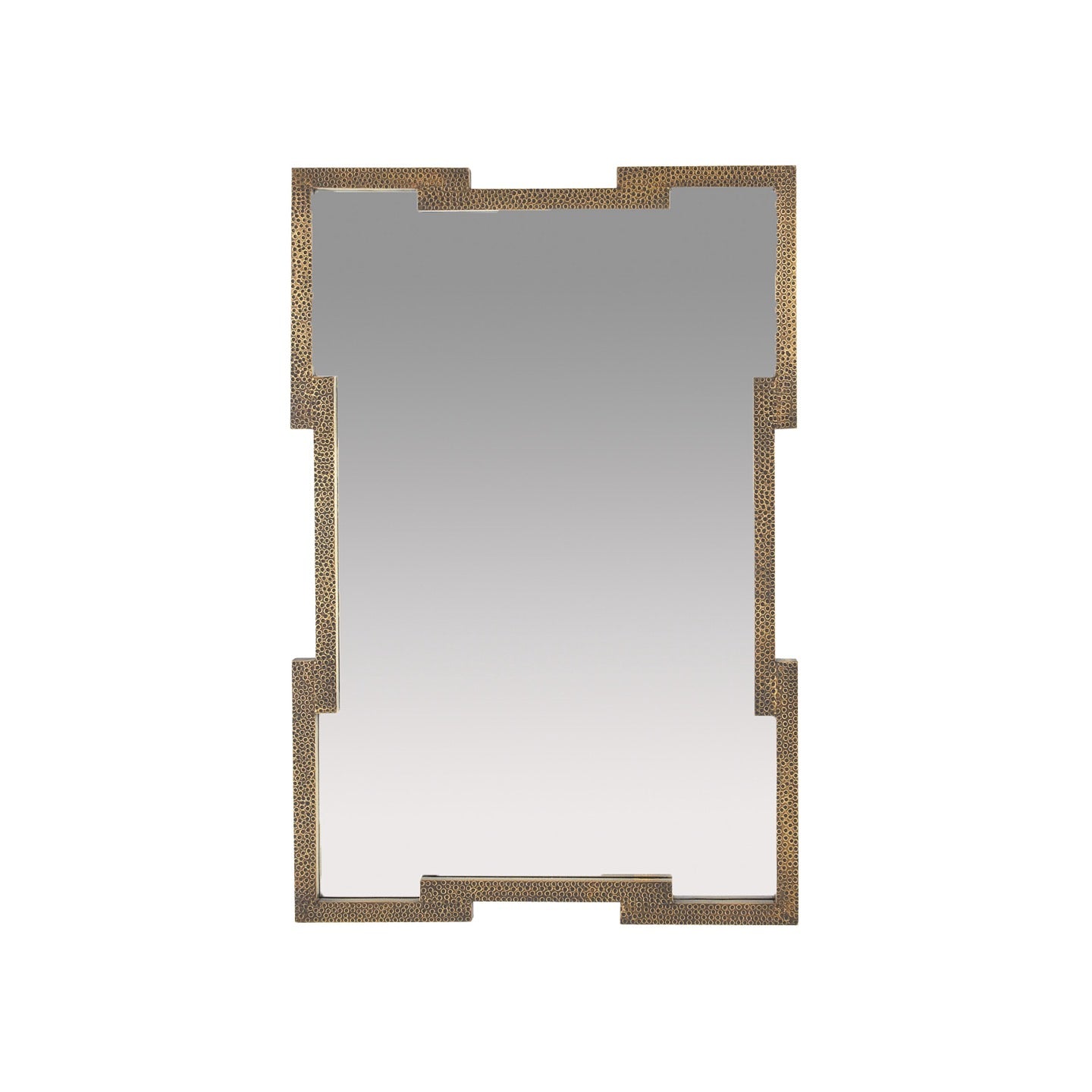
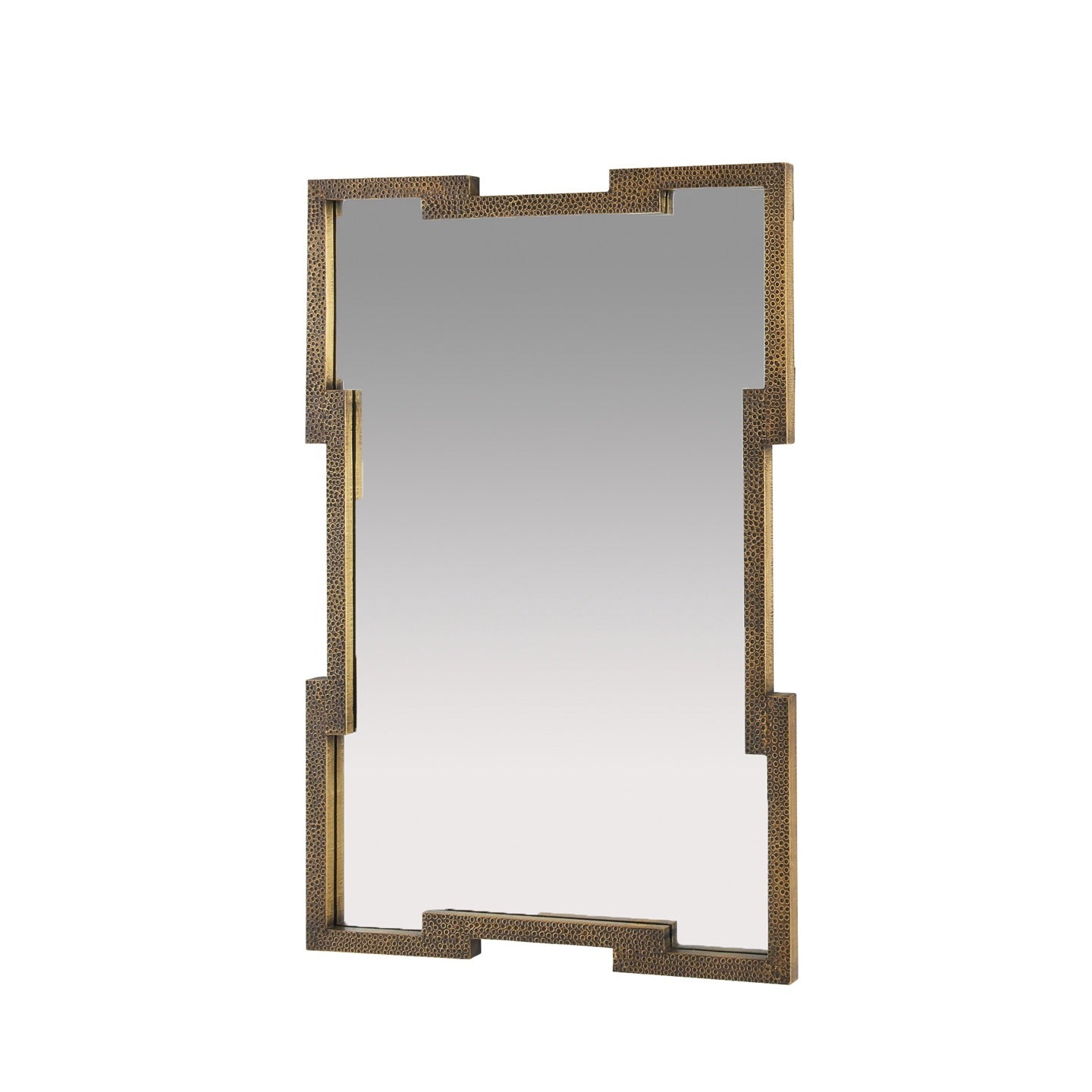
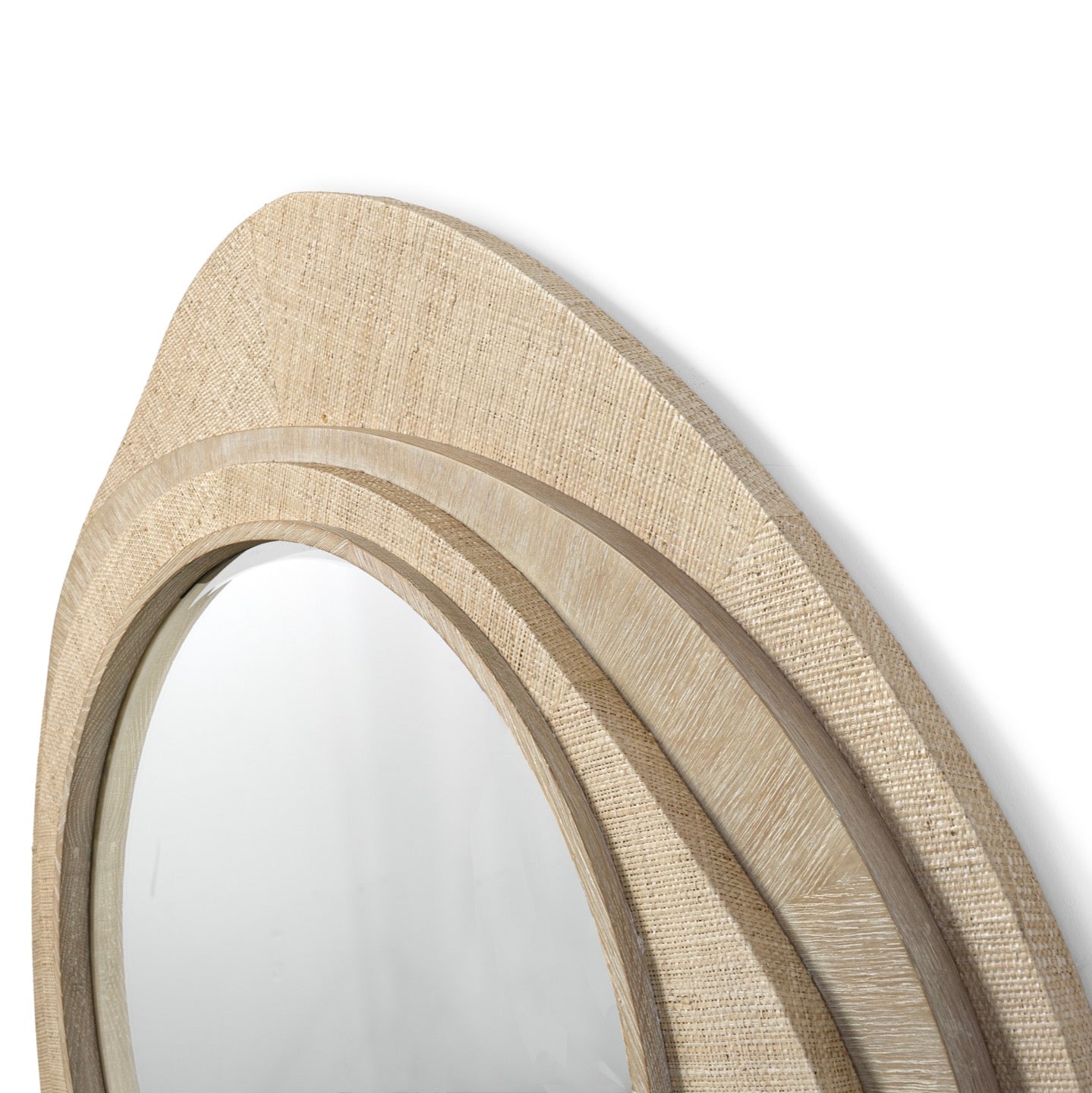
What to look for in mirrors
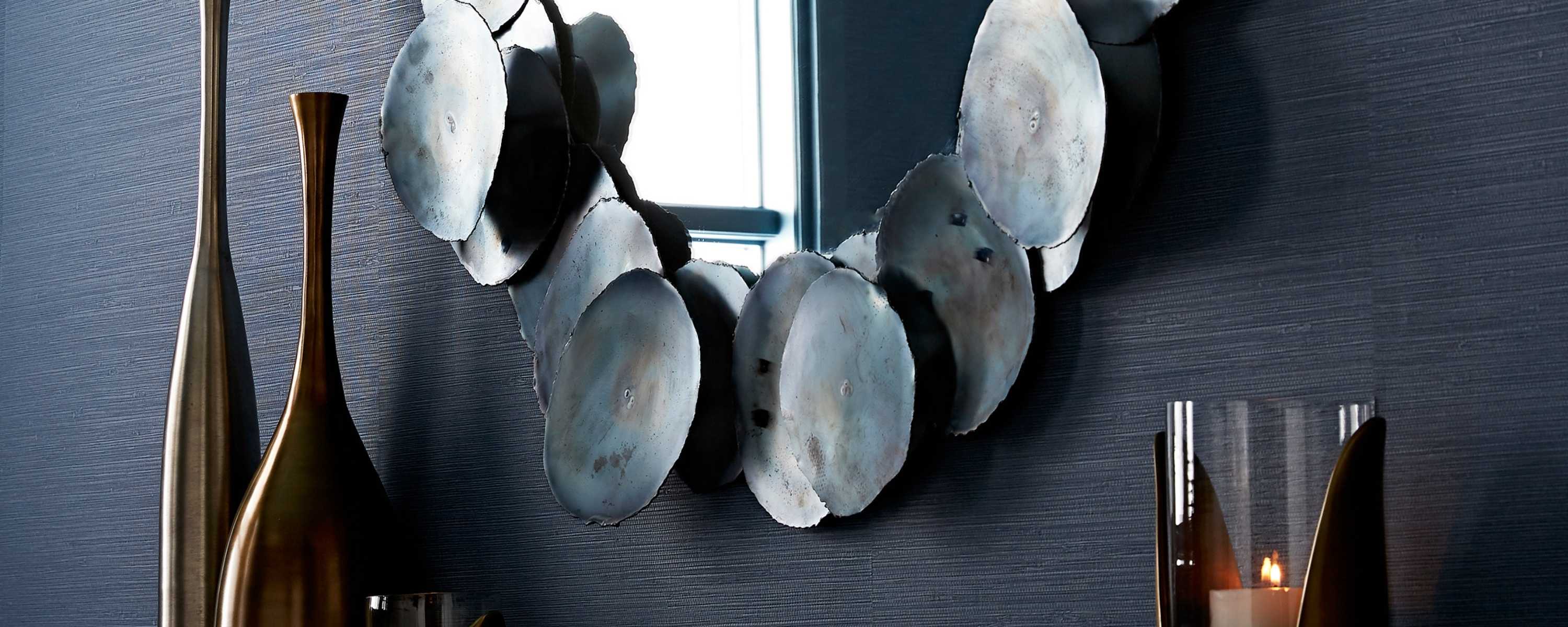
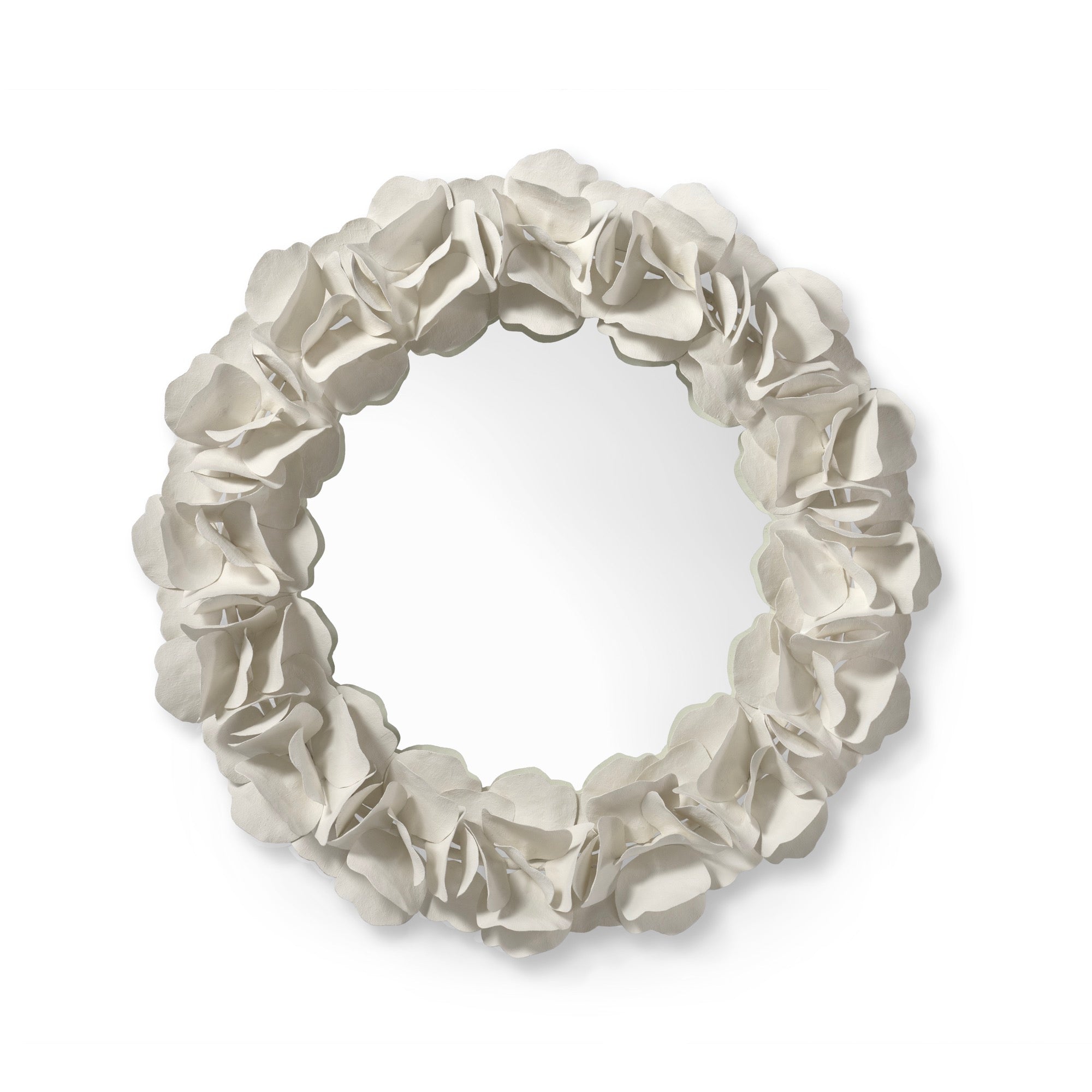
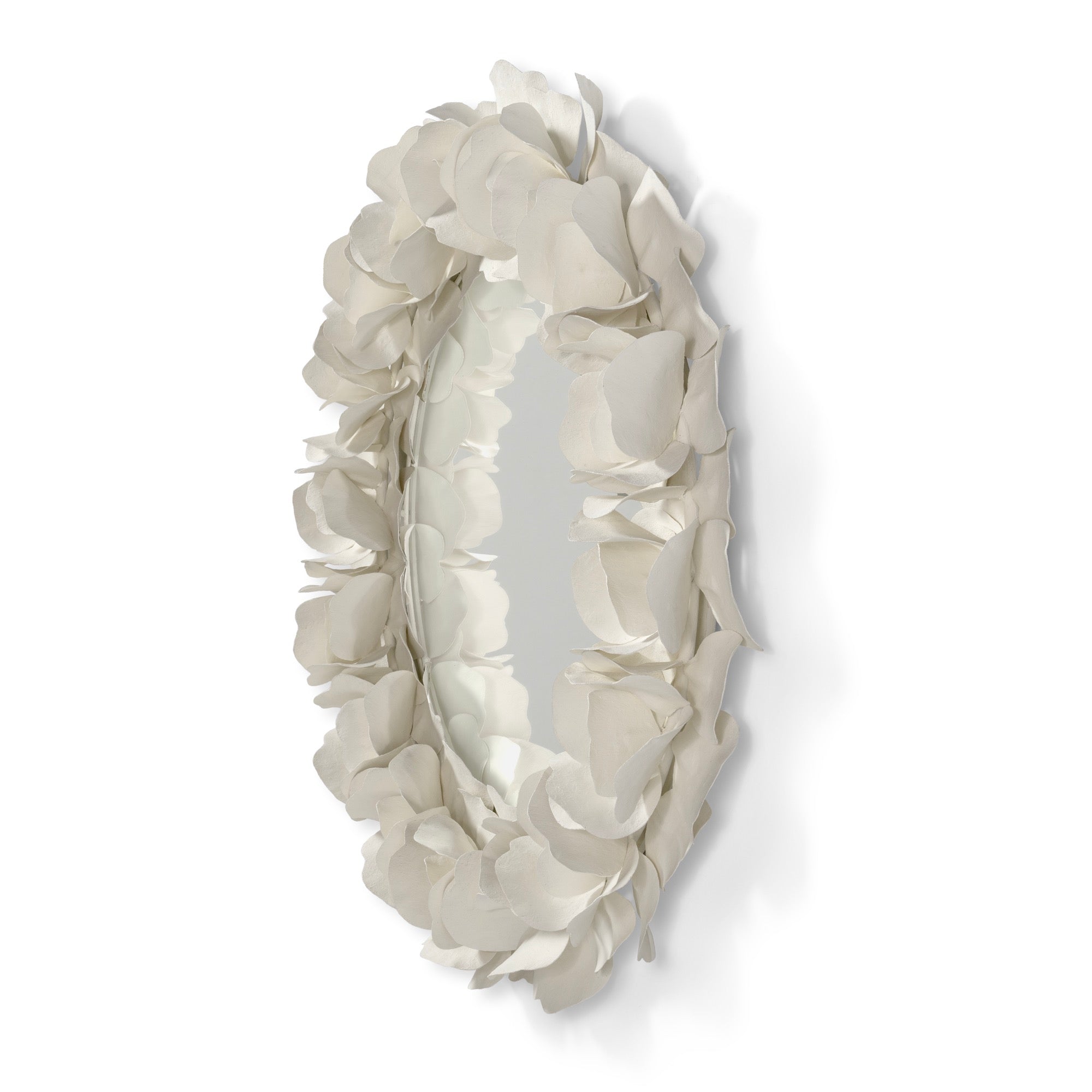
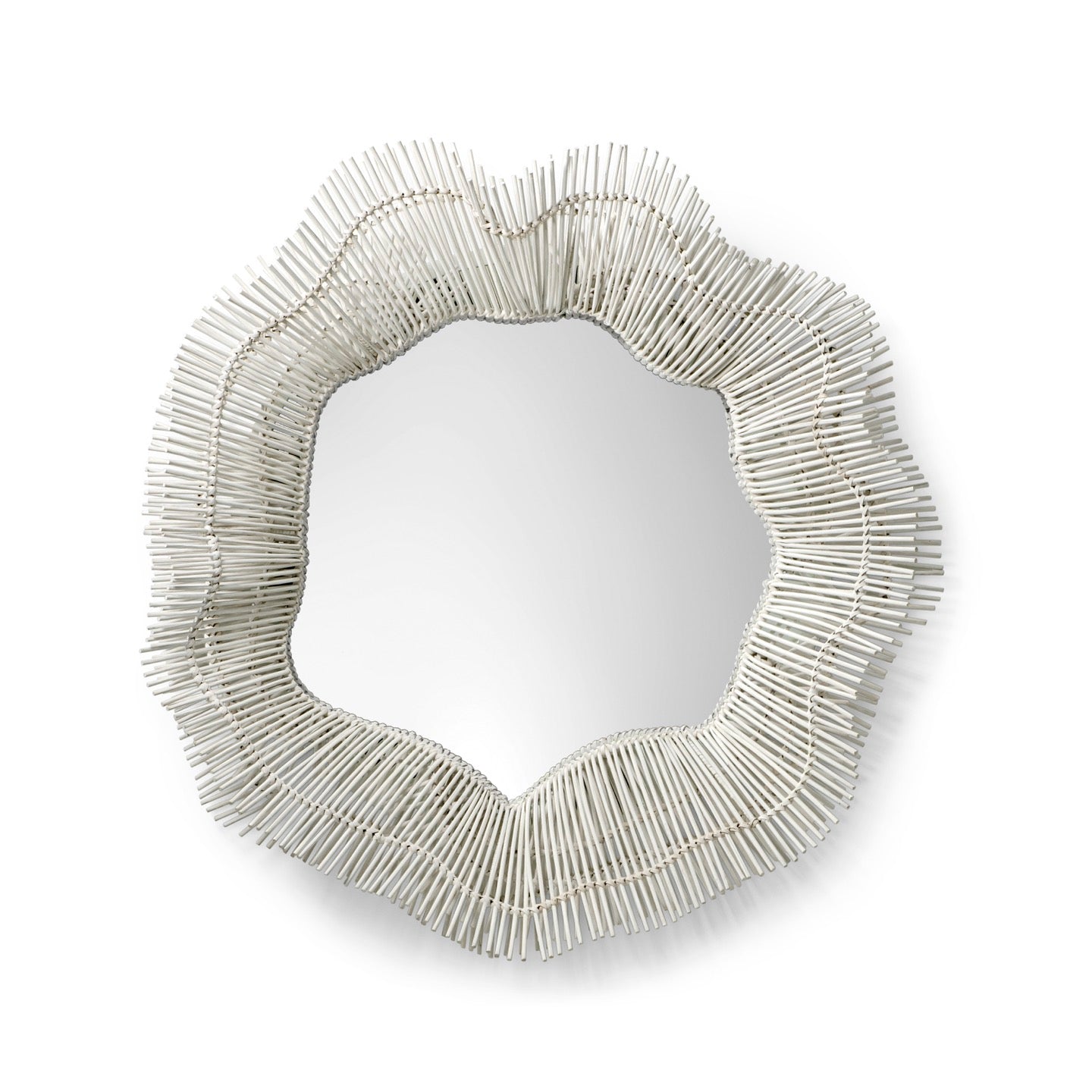
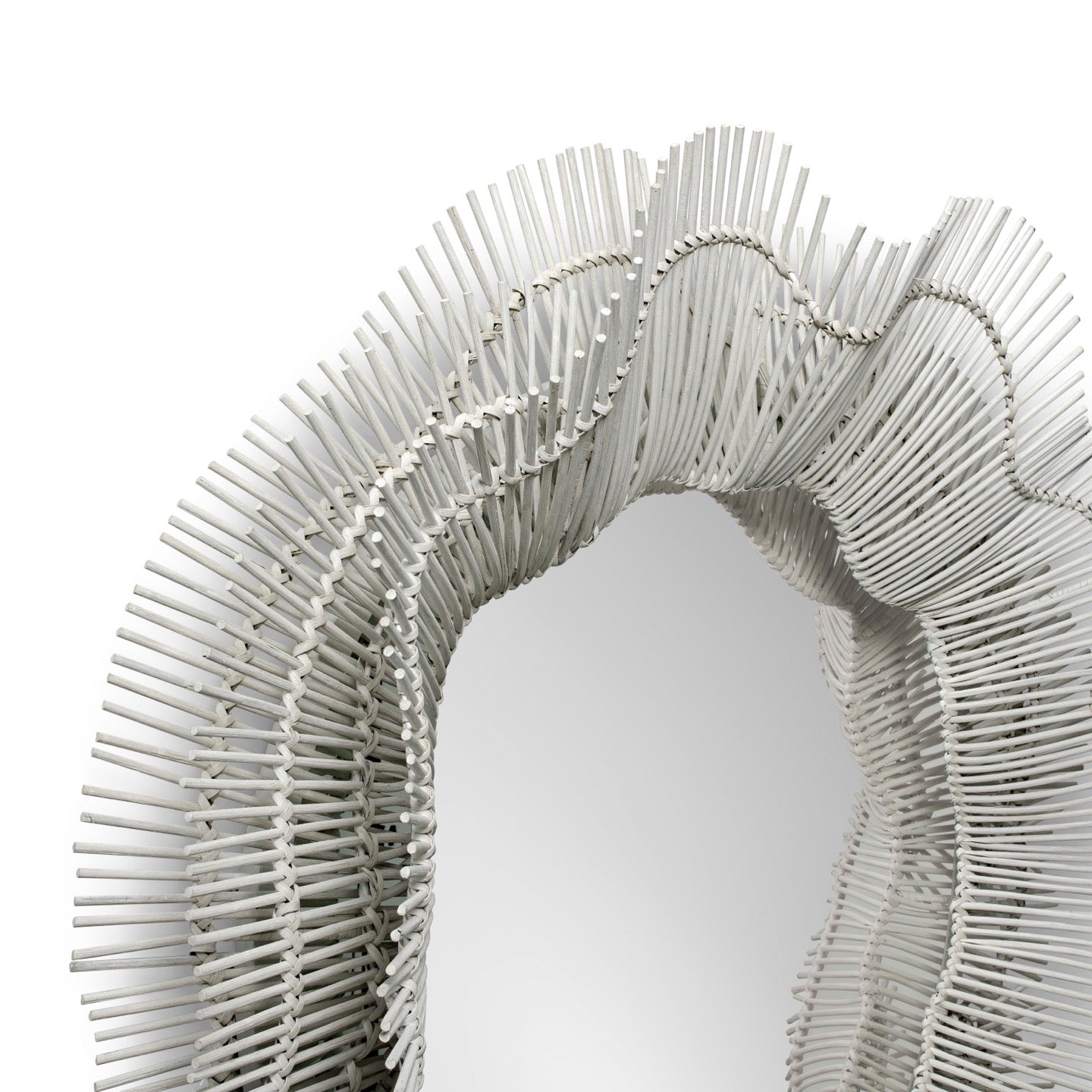
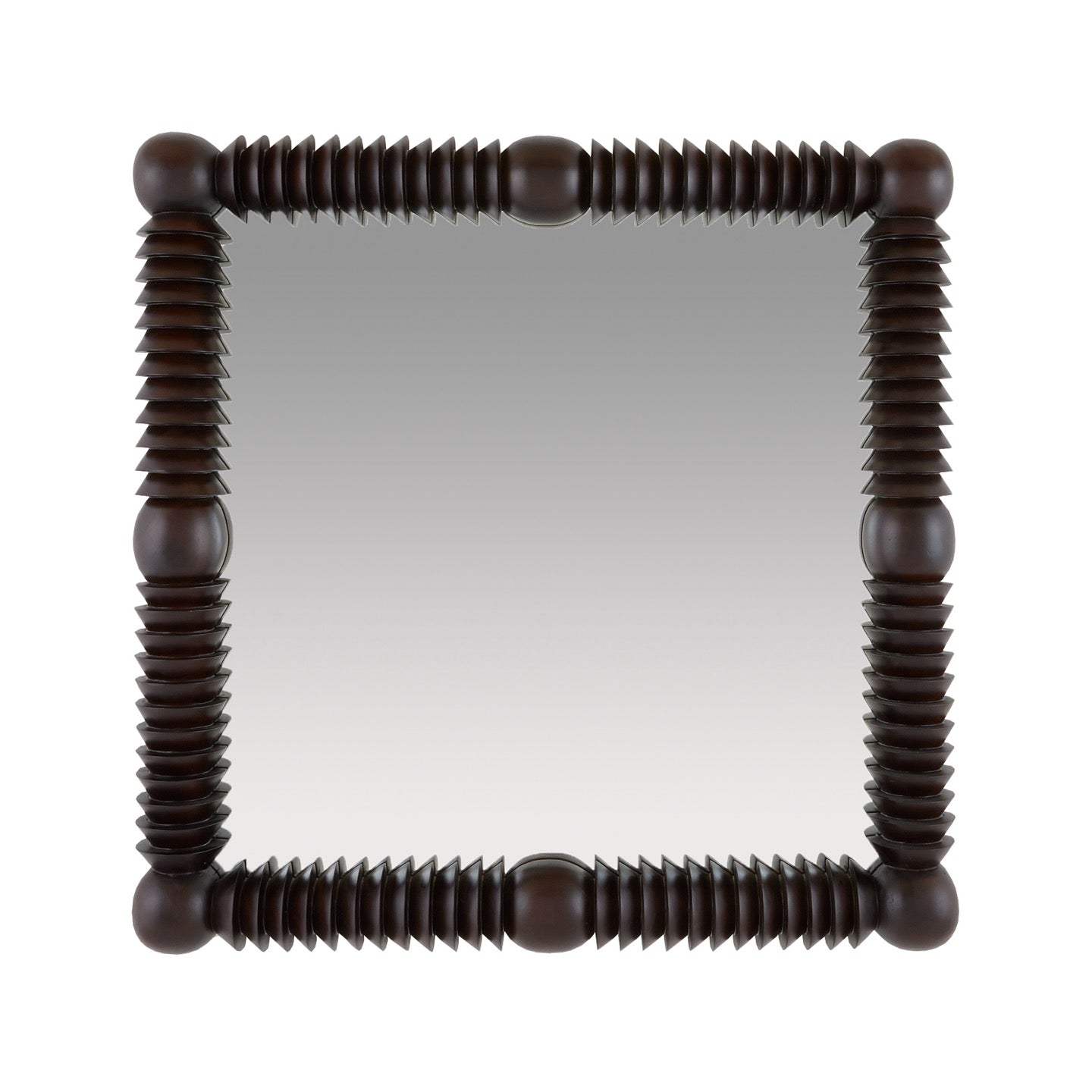
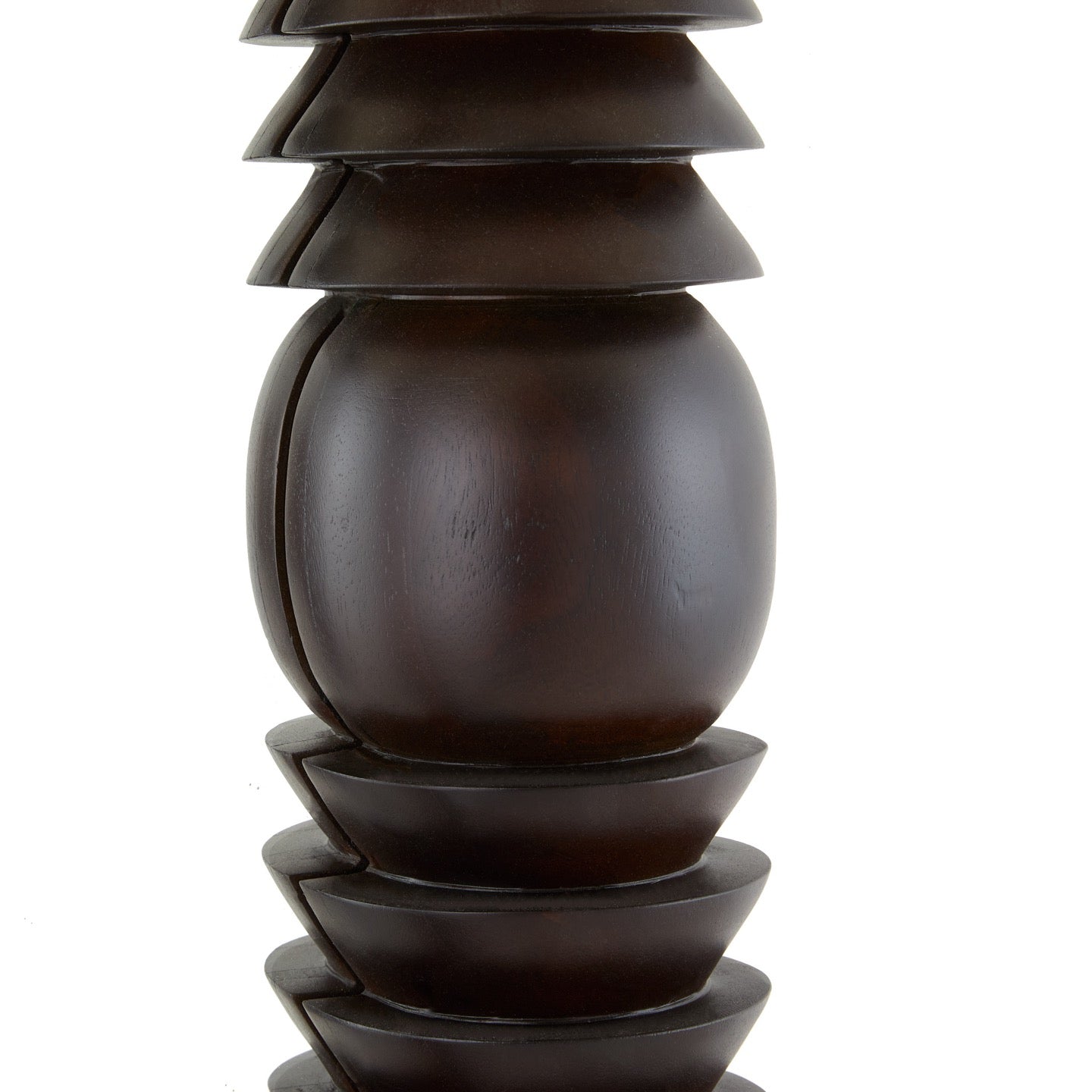
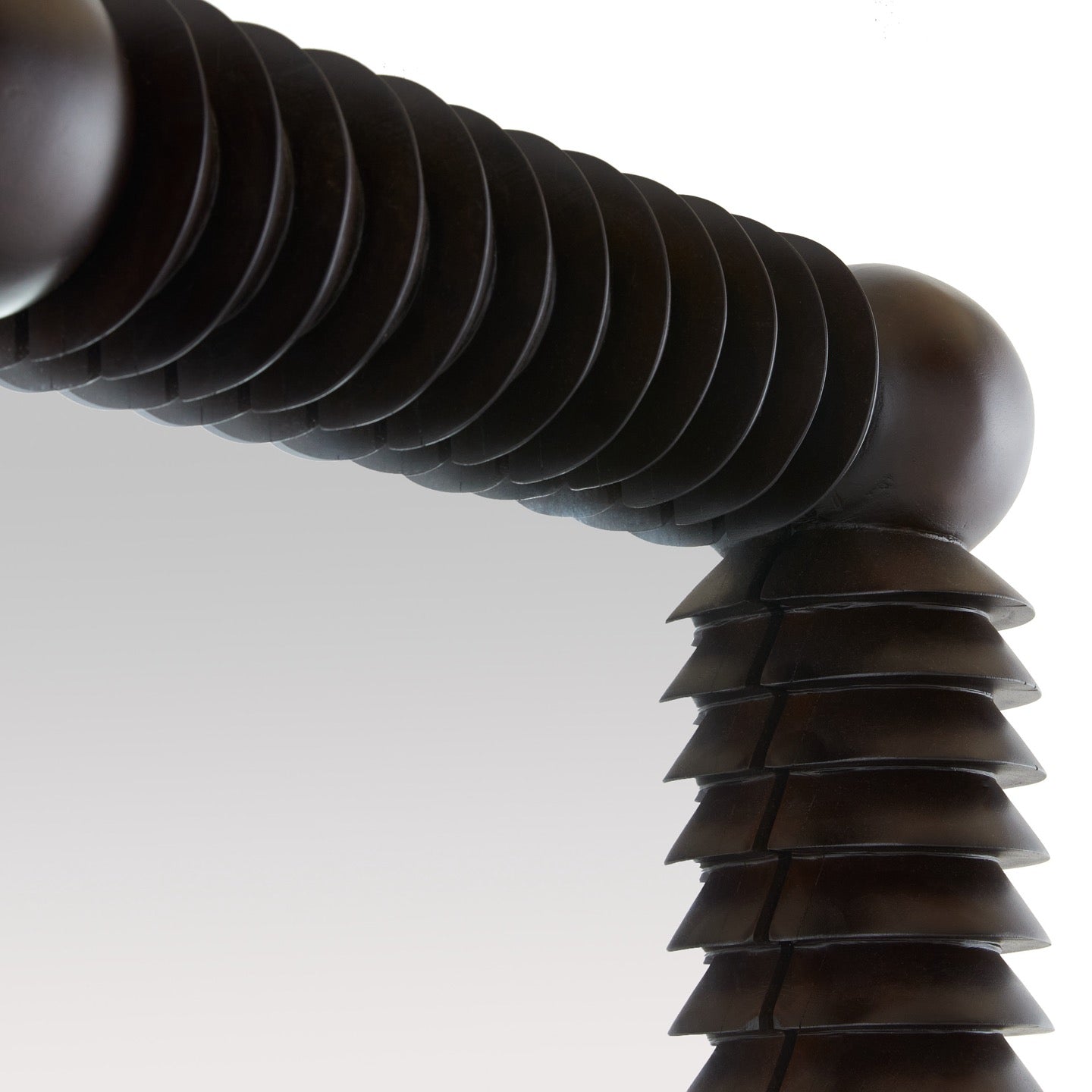
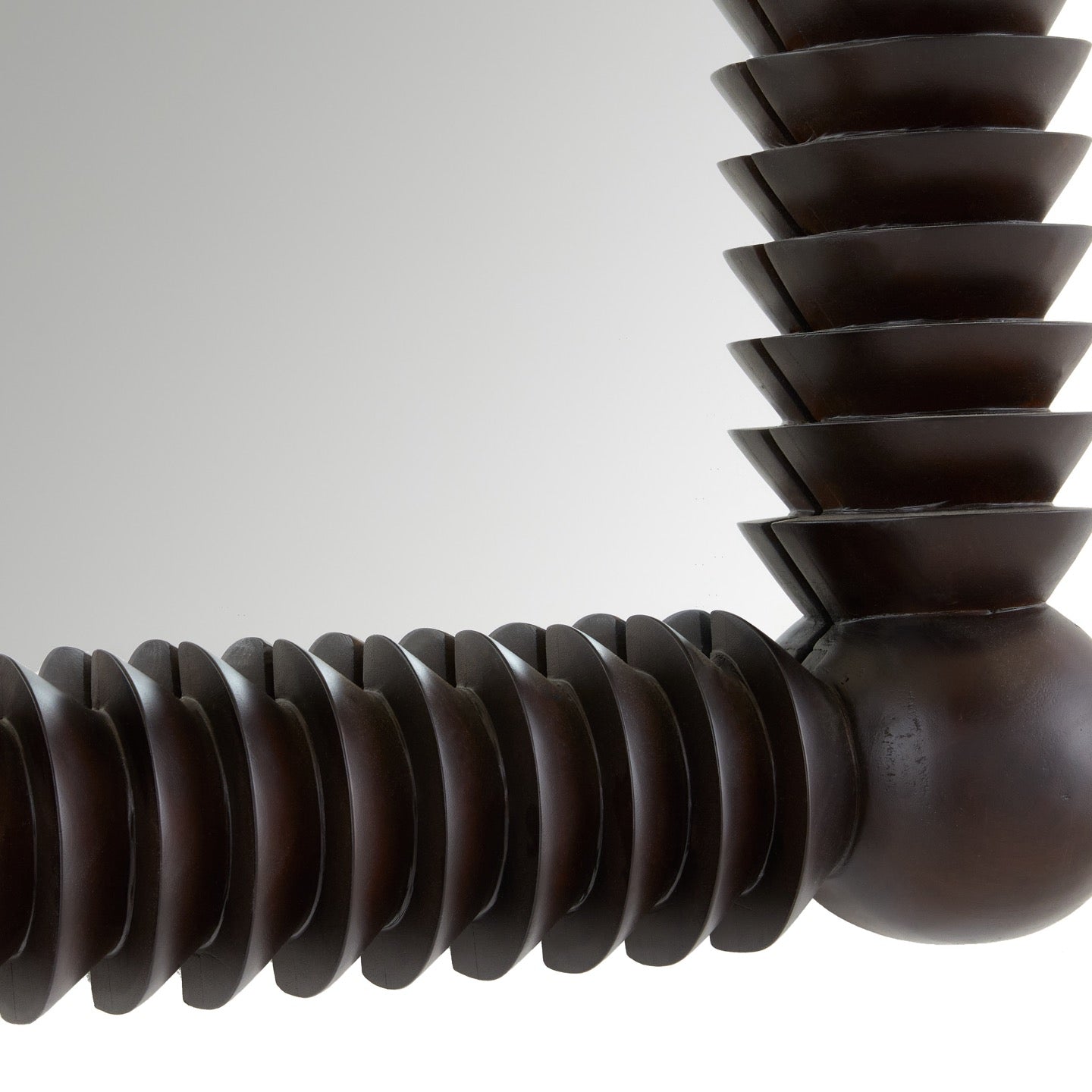
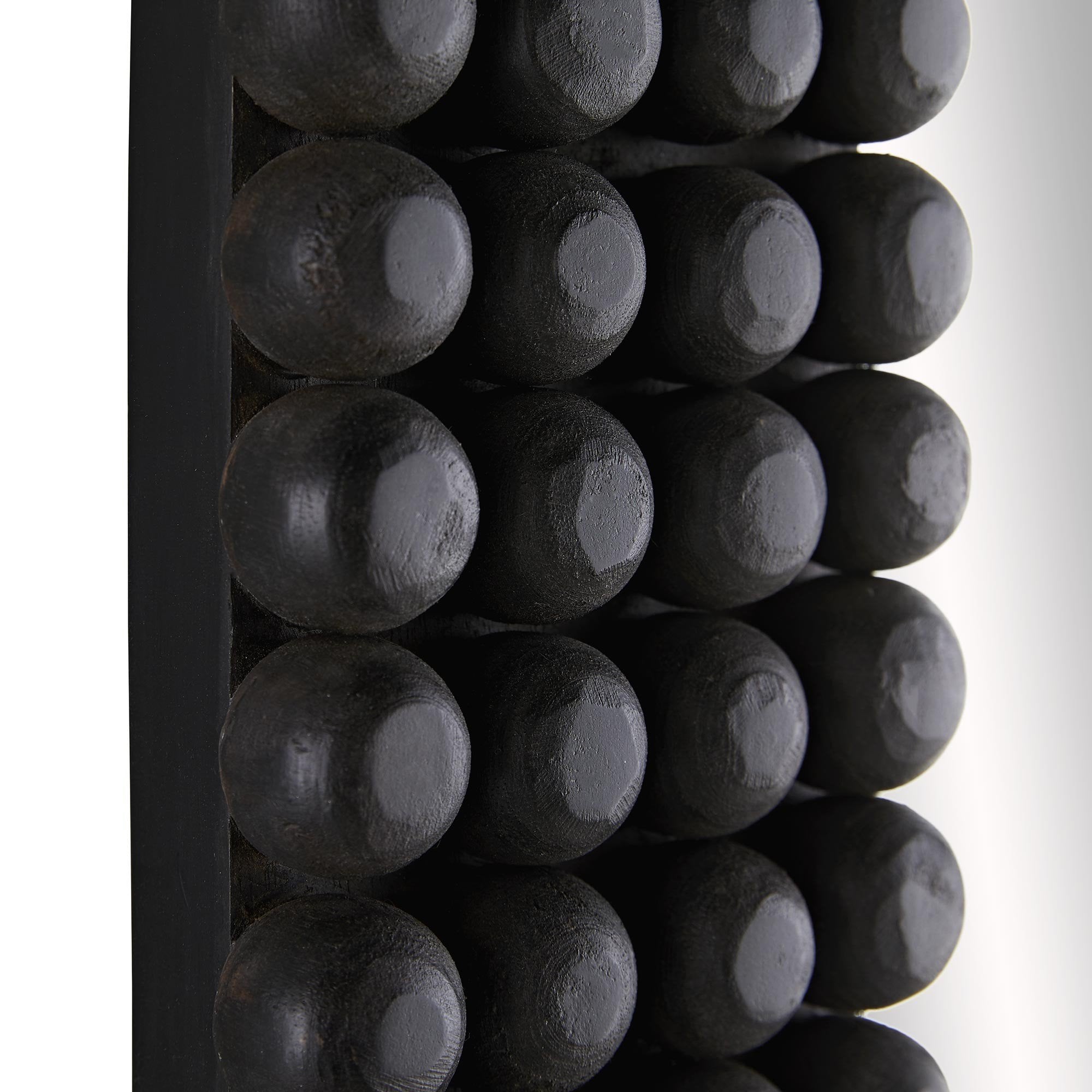
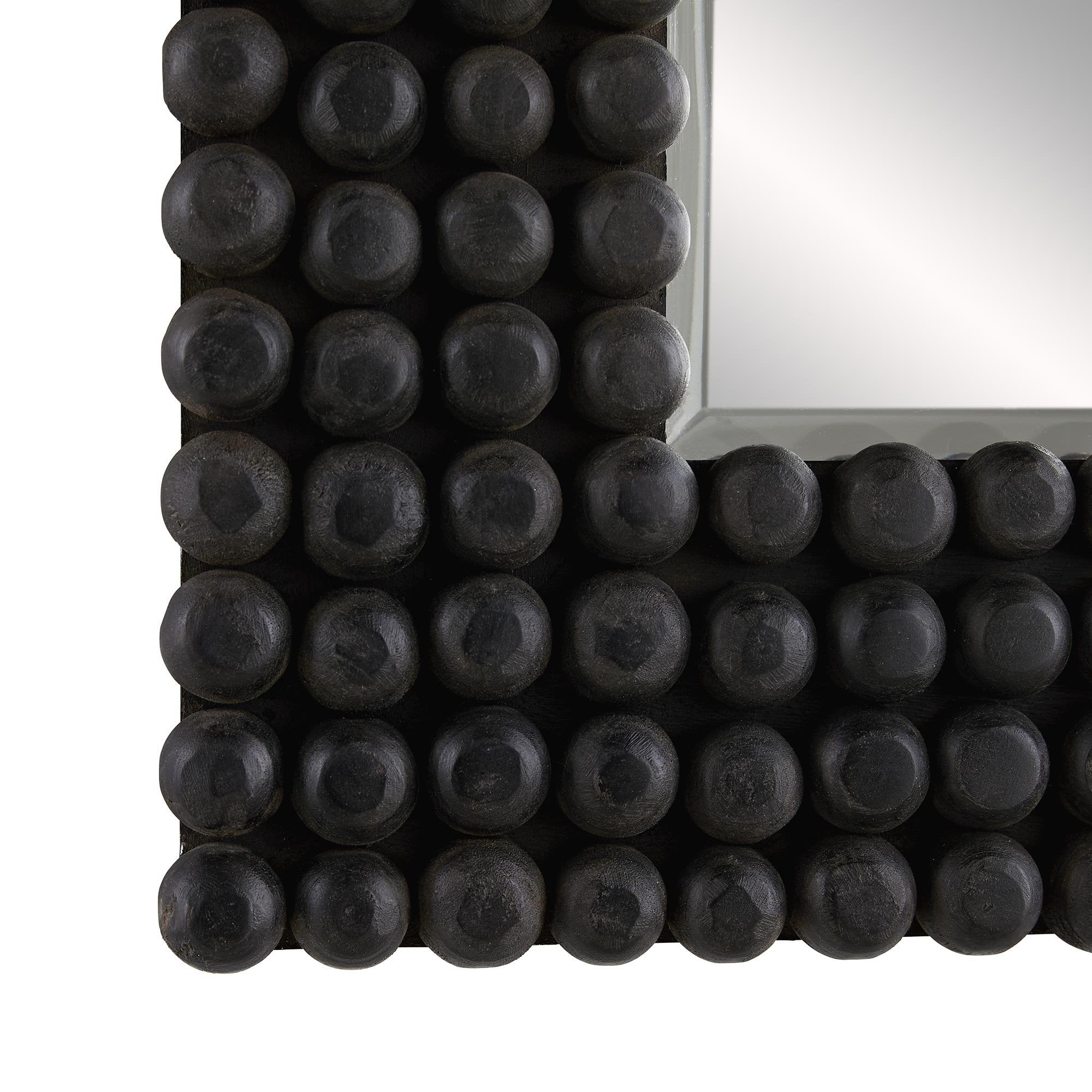
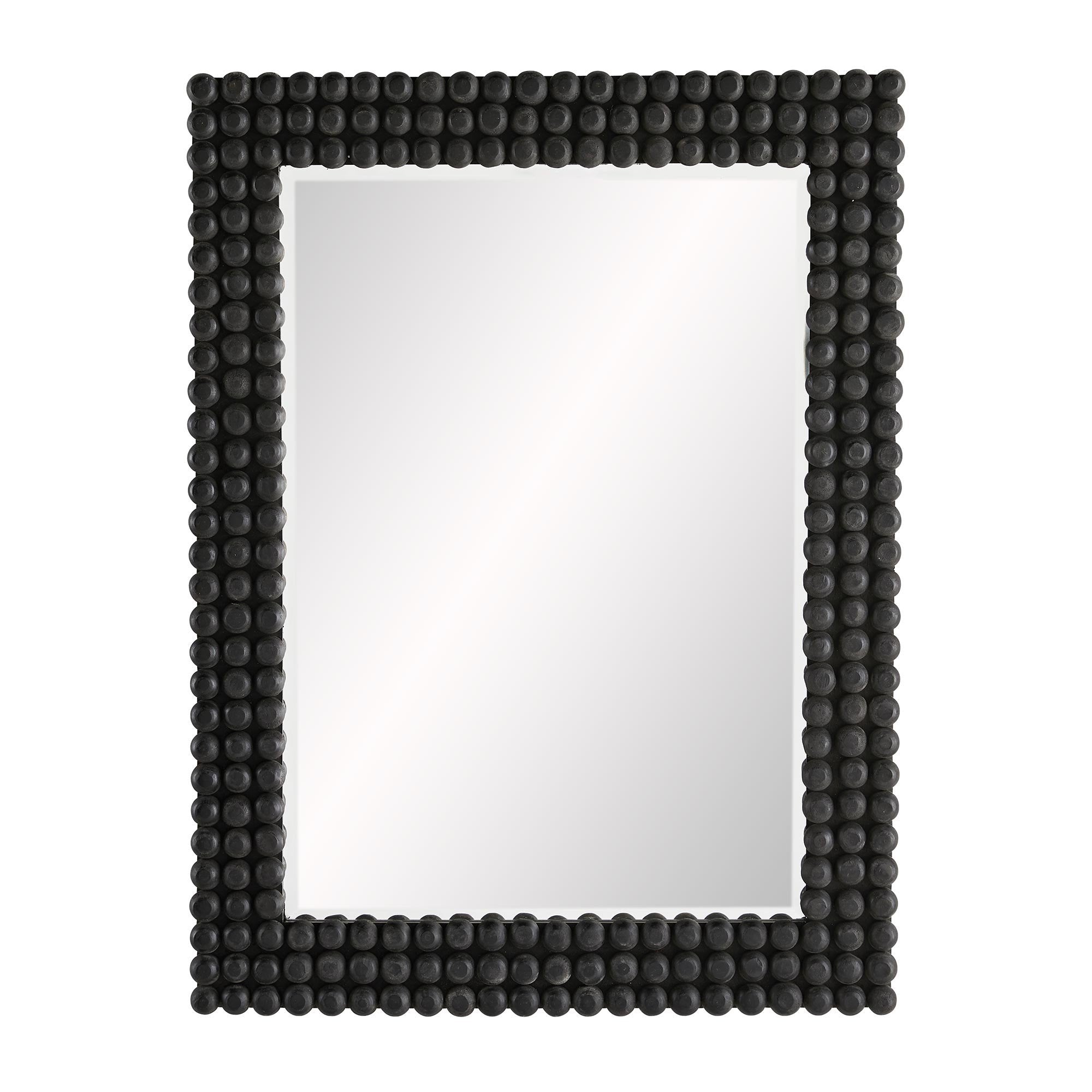
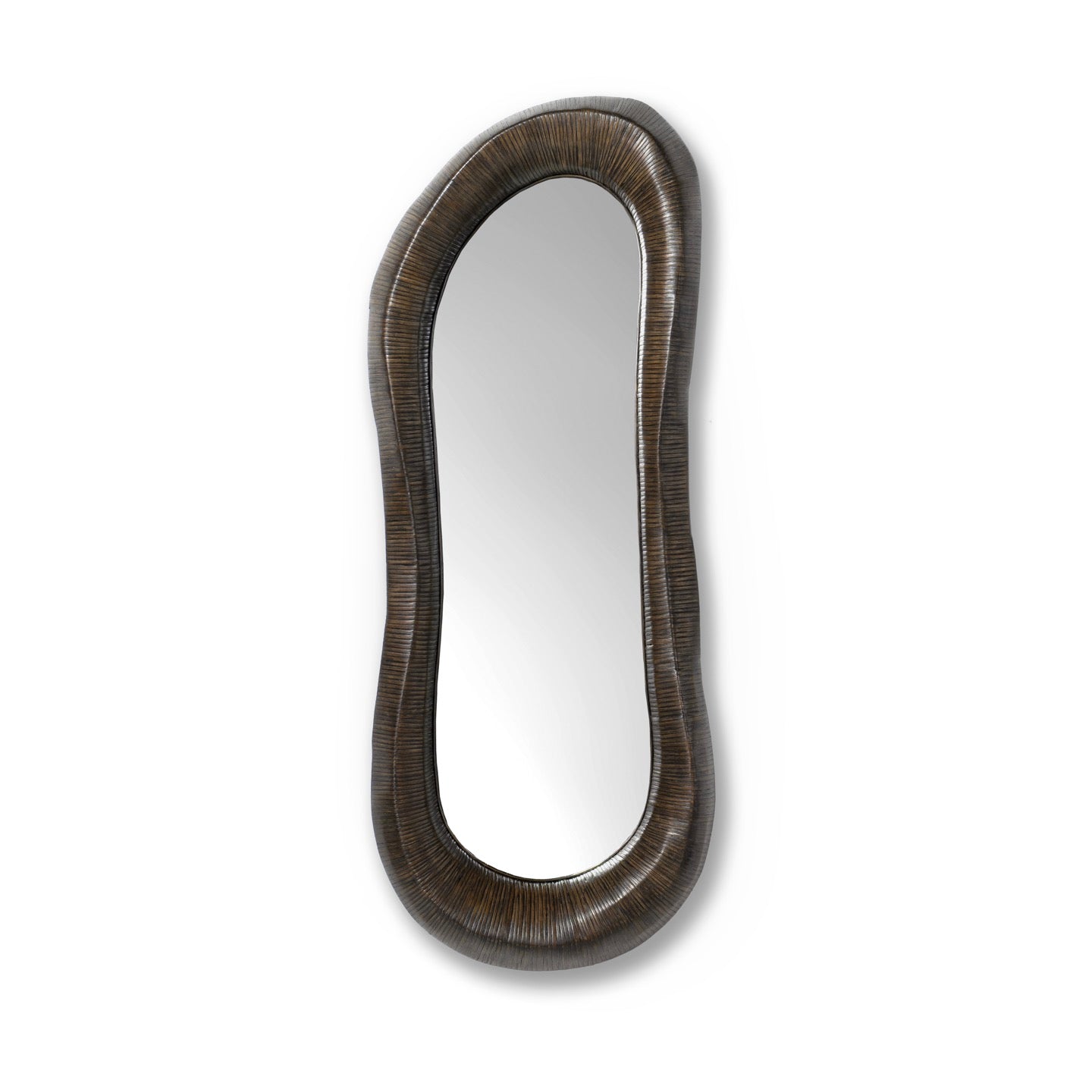
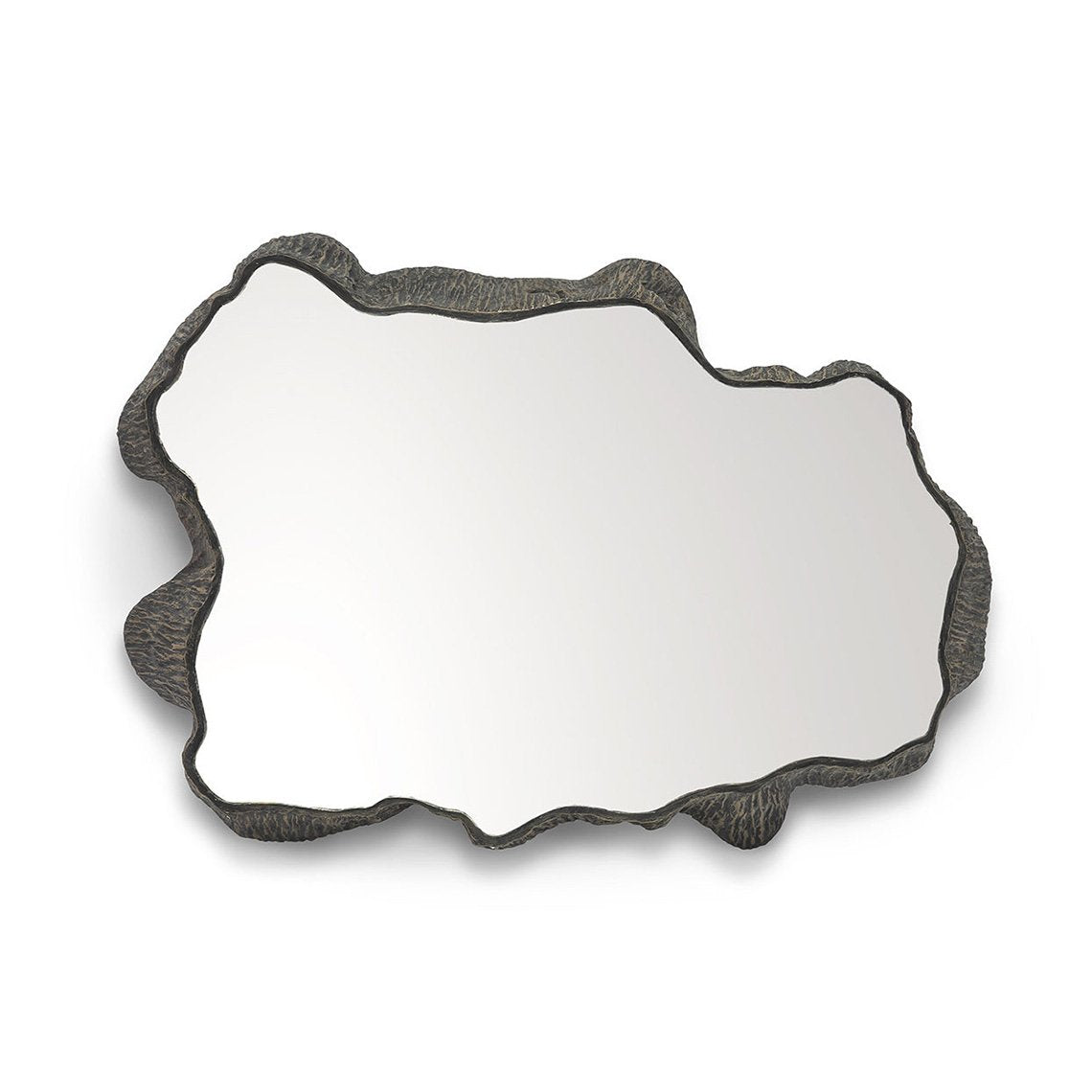
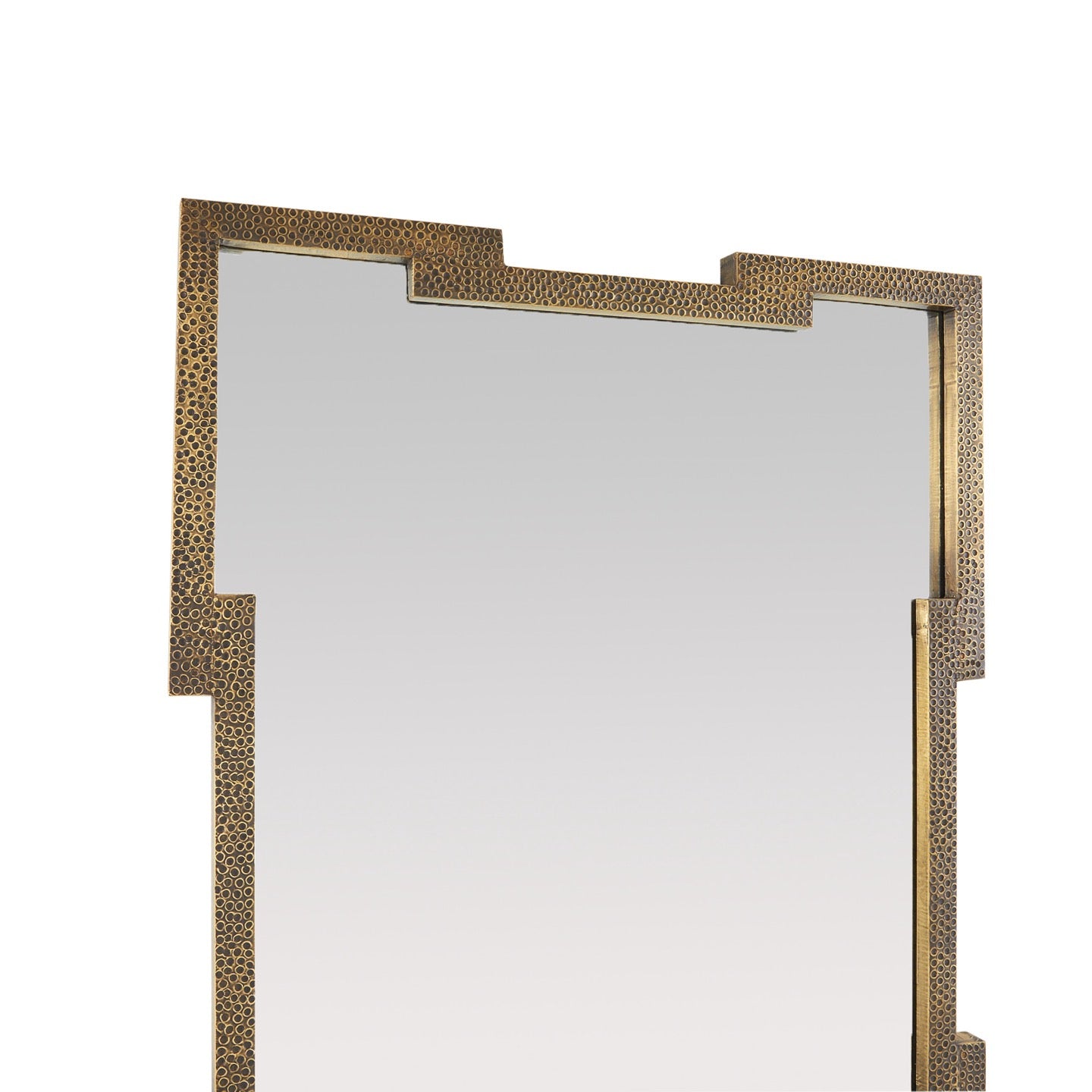
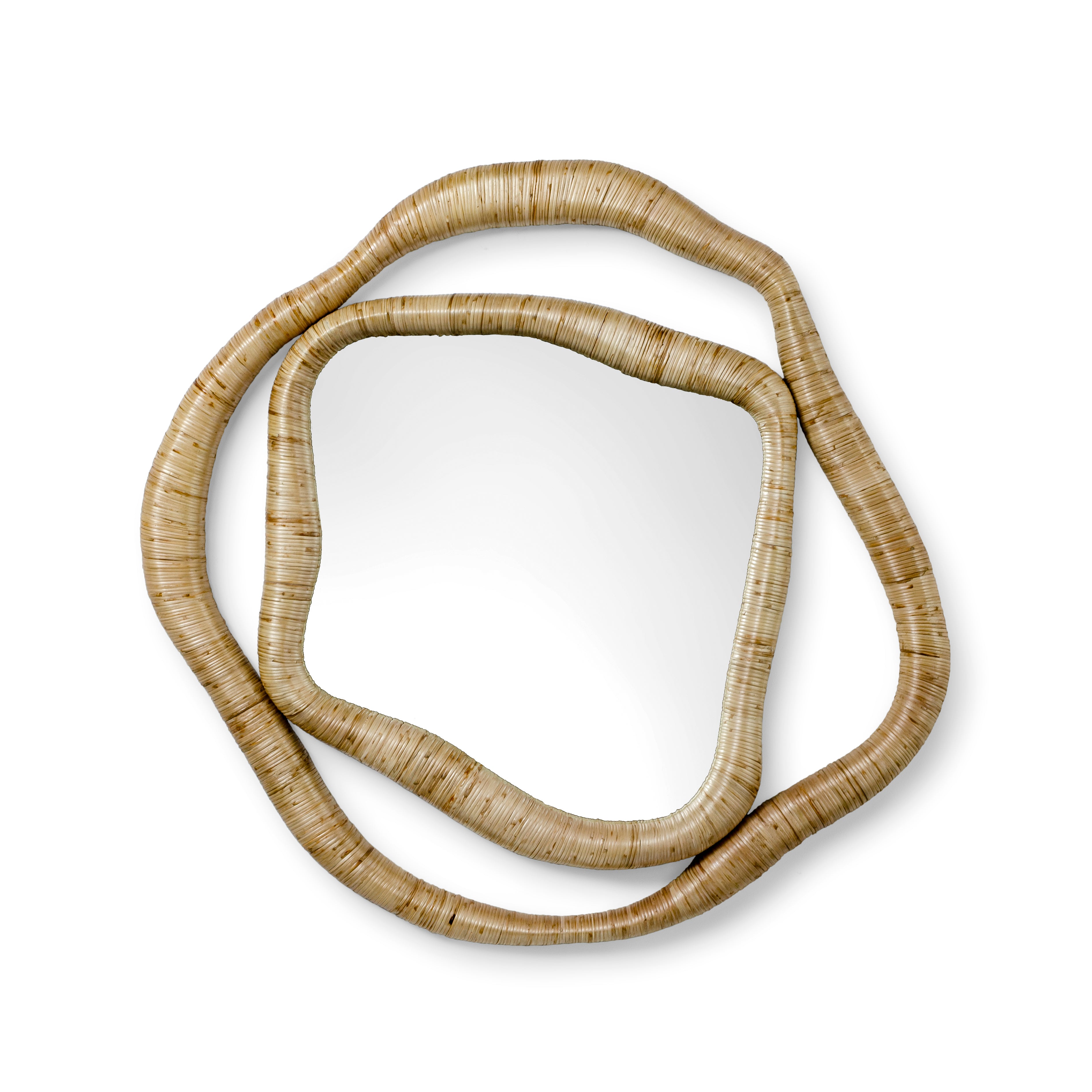
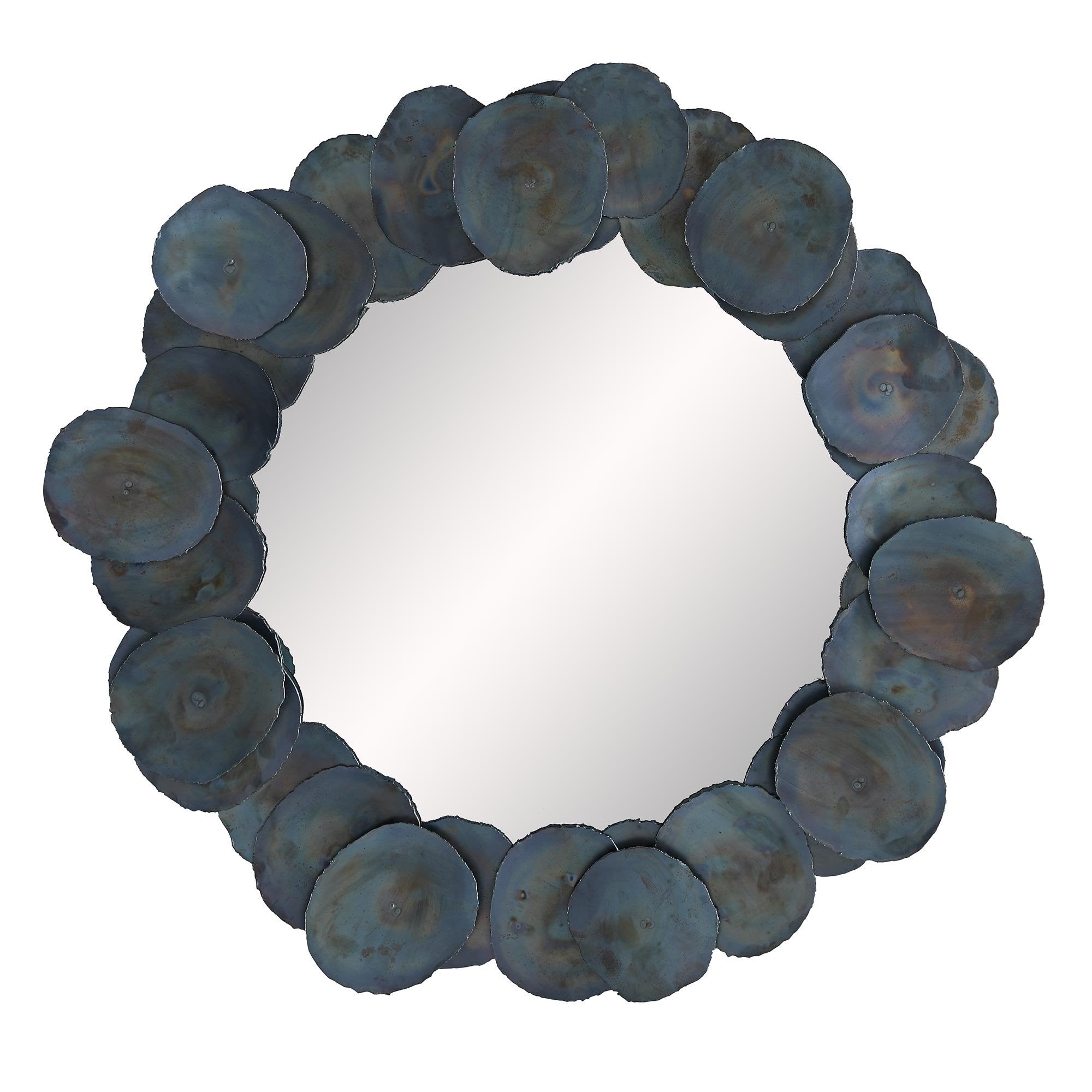
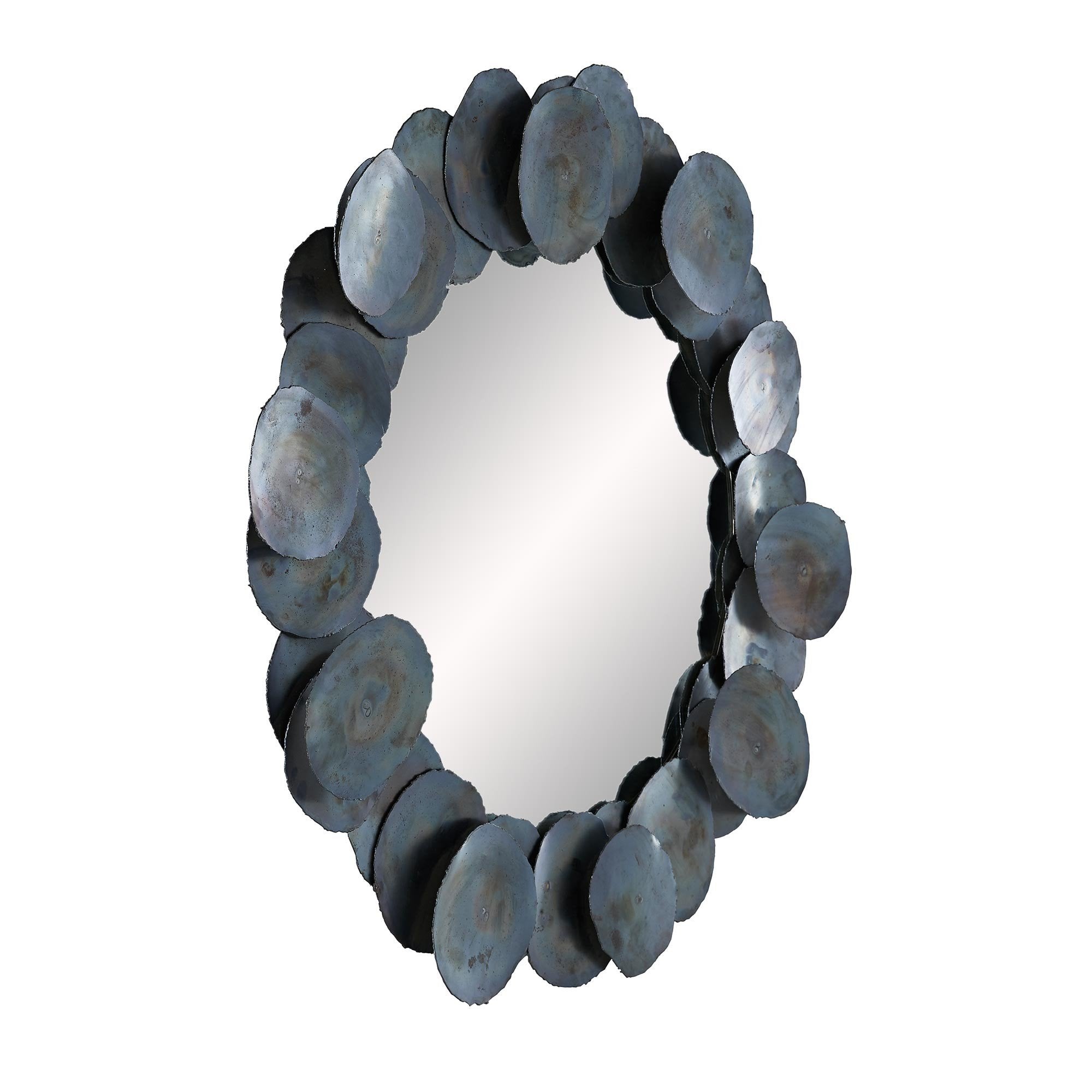
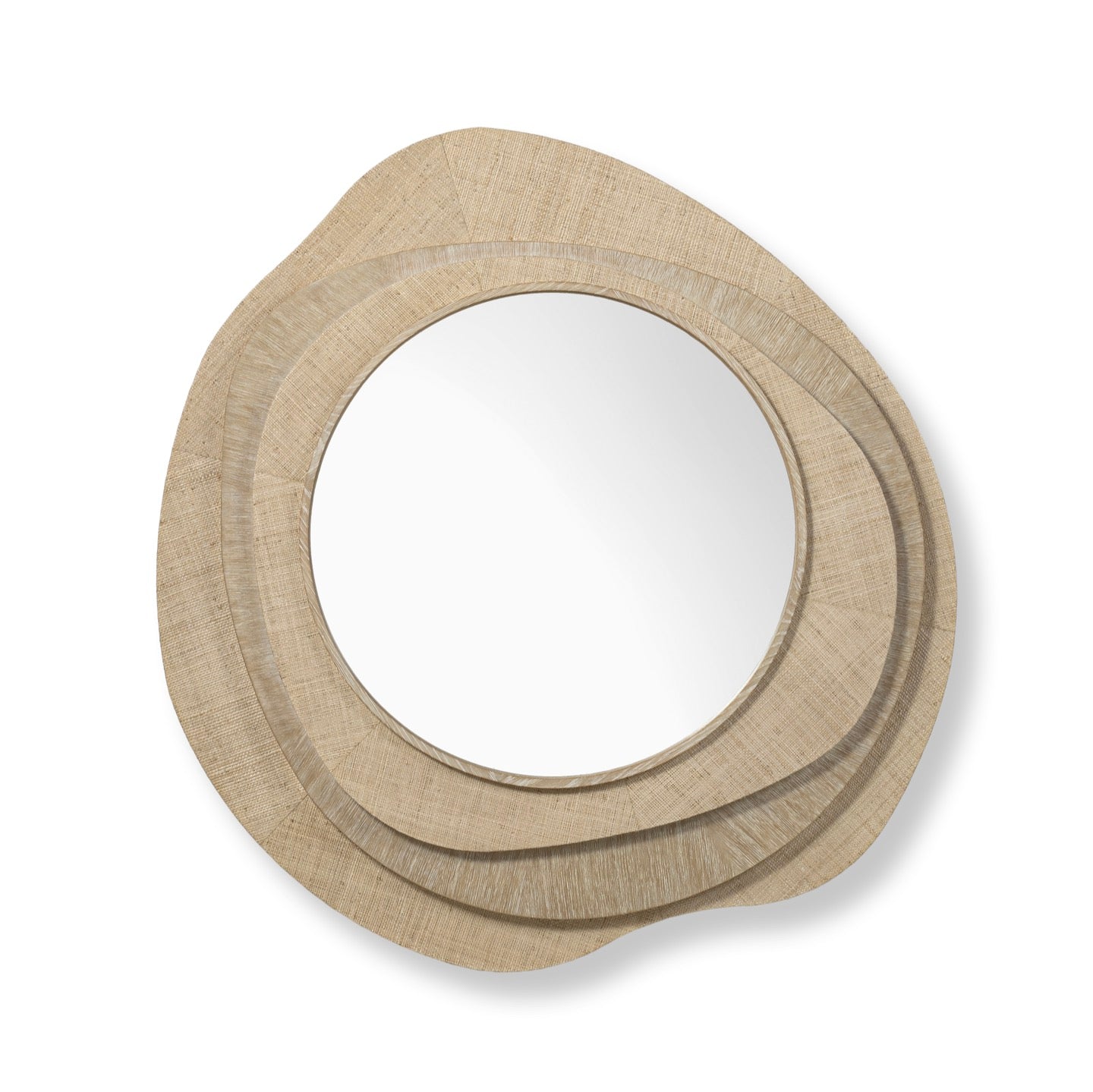
Large simple mirrors maximise reflected light, while sculptural and irregular frames behave more like wall art and can become the focal point above a console or fireplace.
Materials and craftsmanship
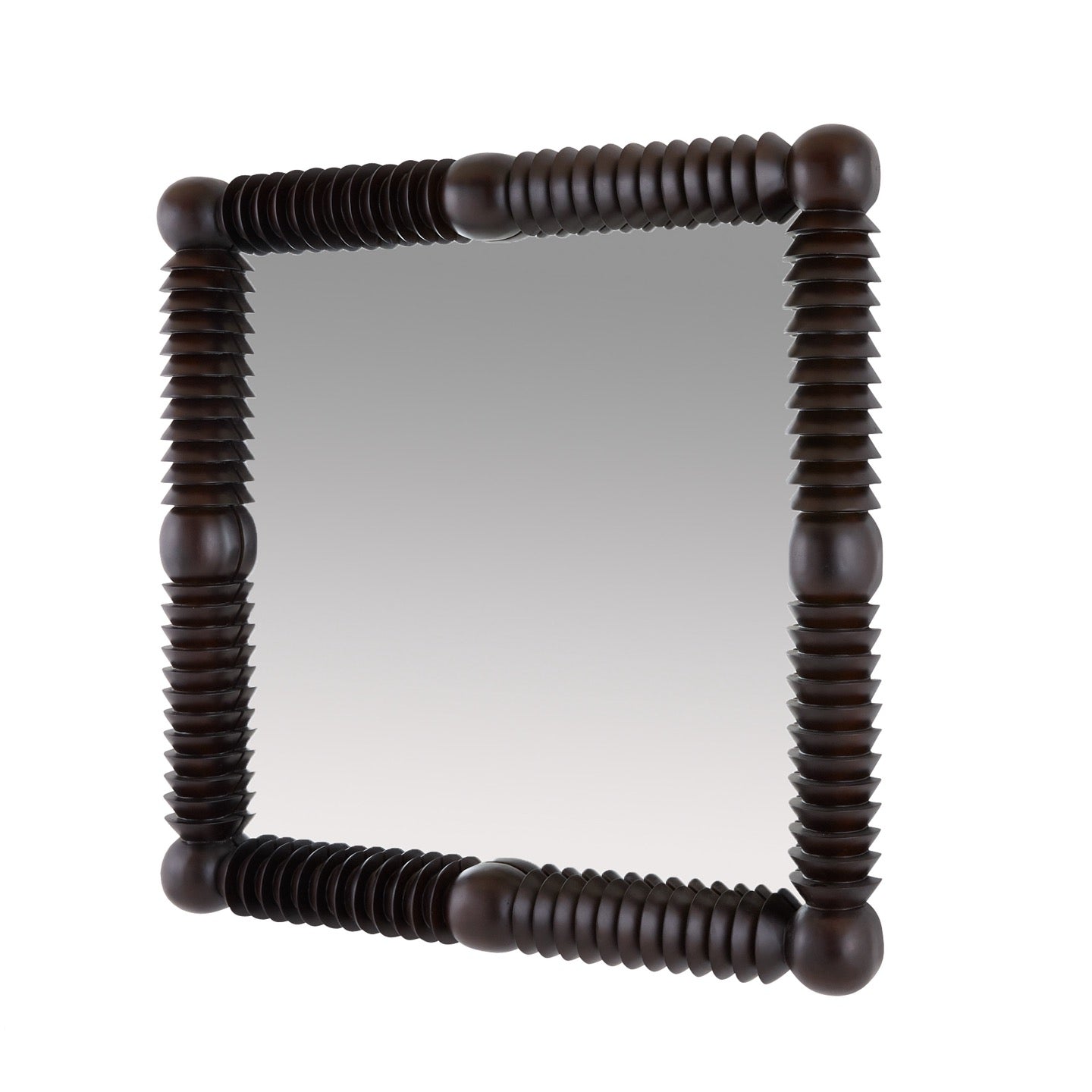
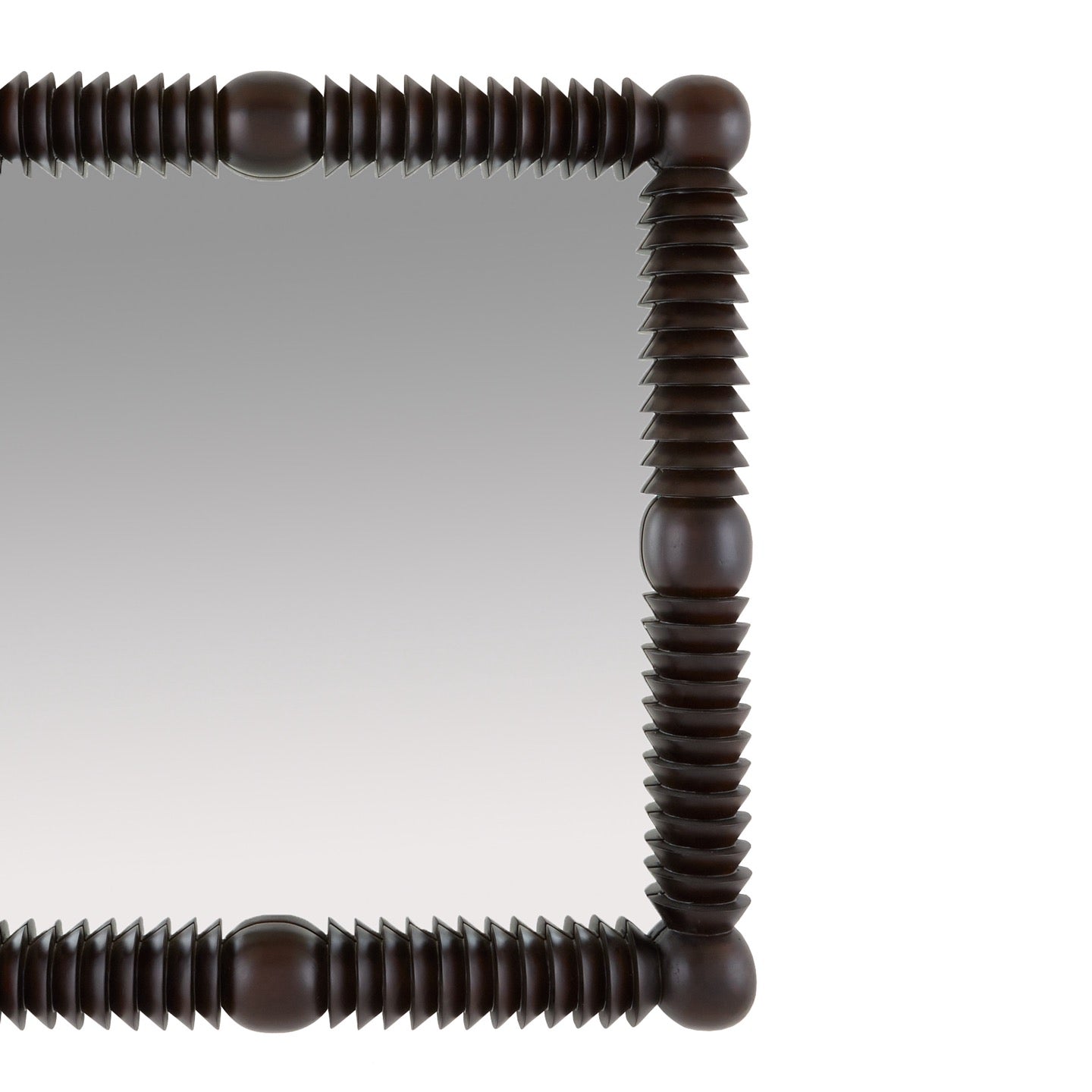
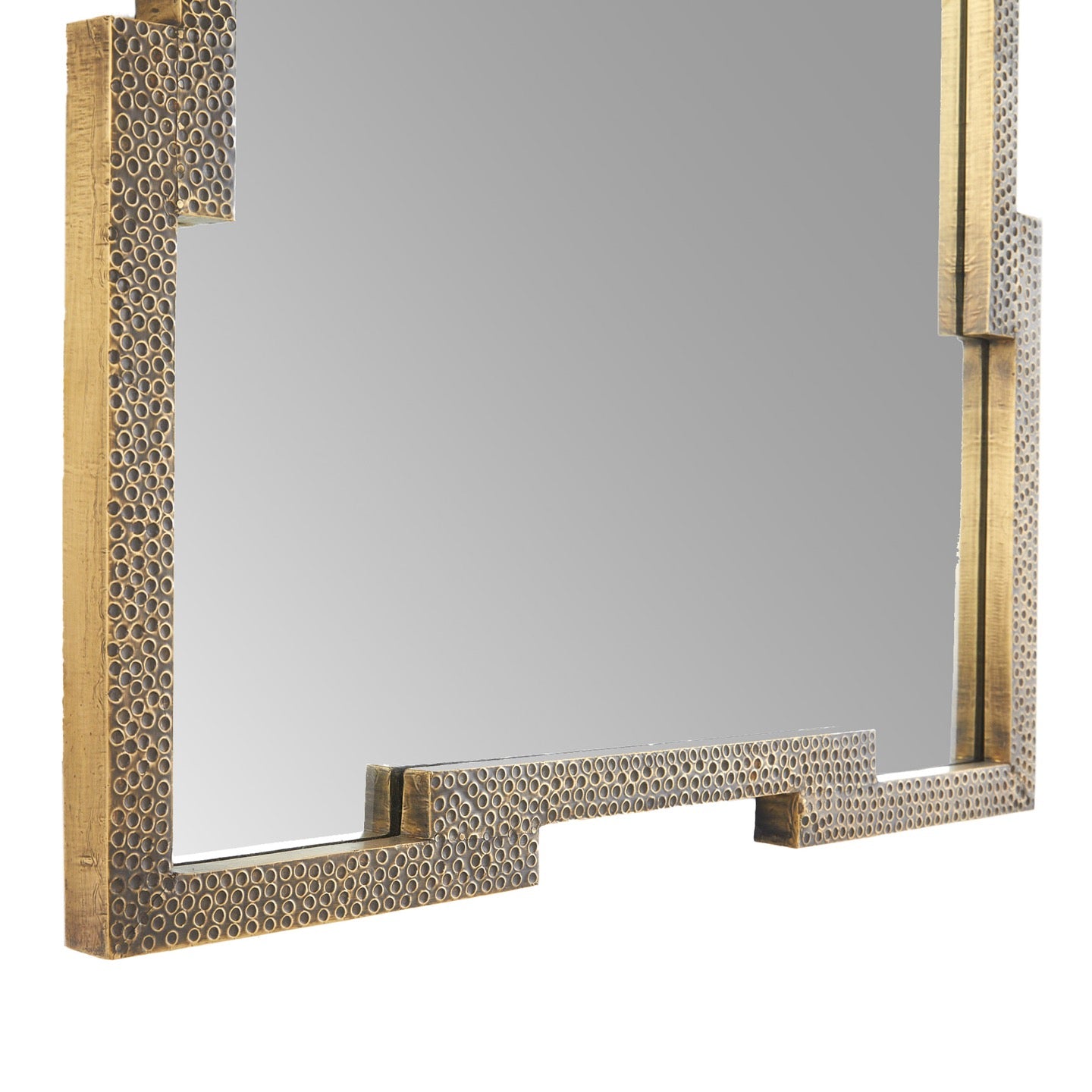
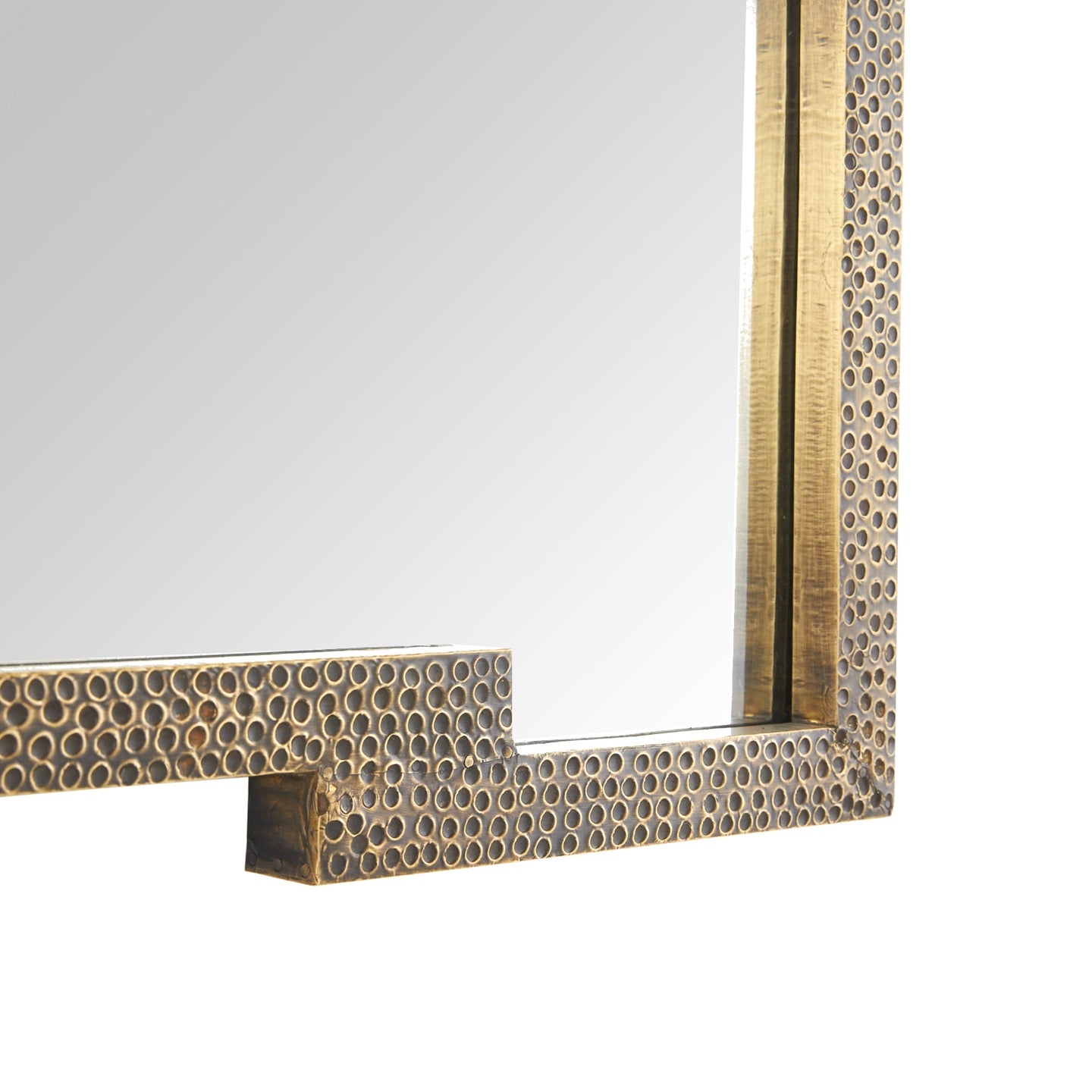
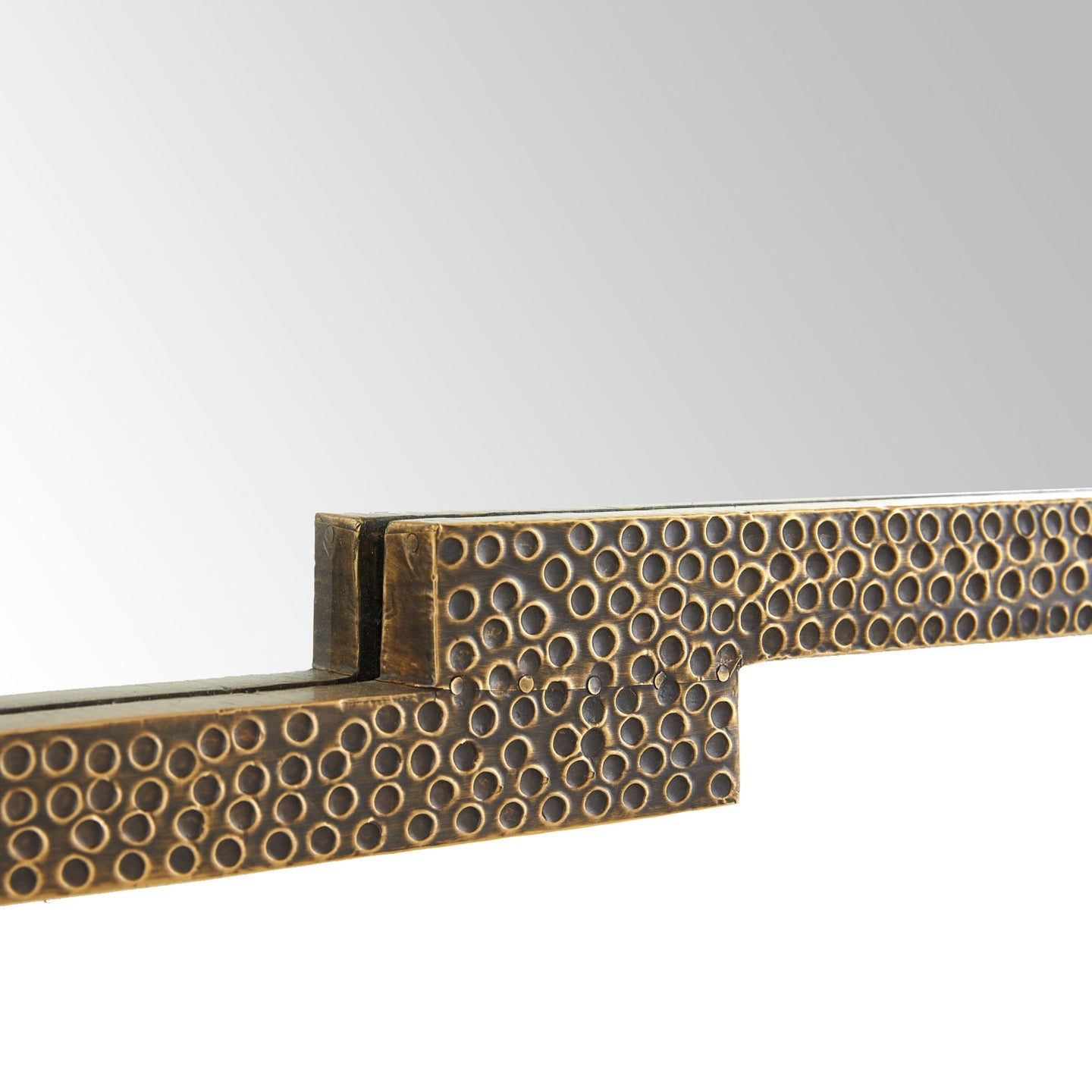
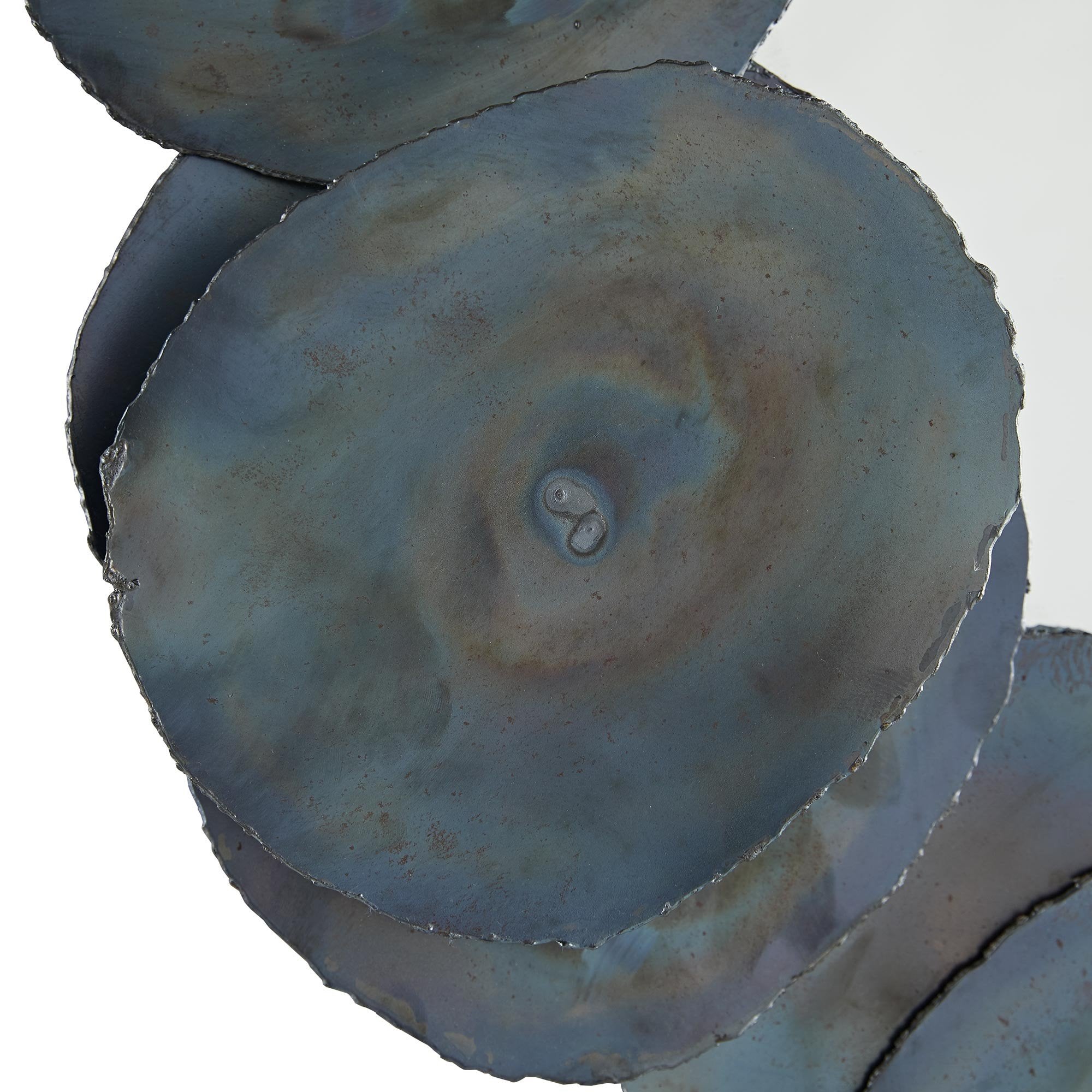
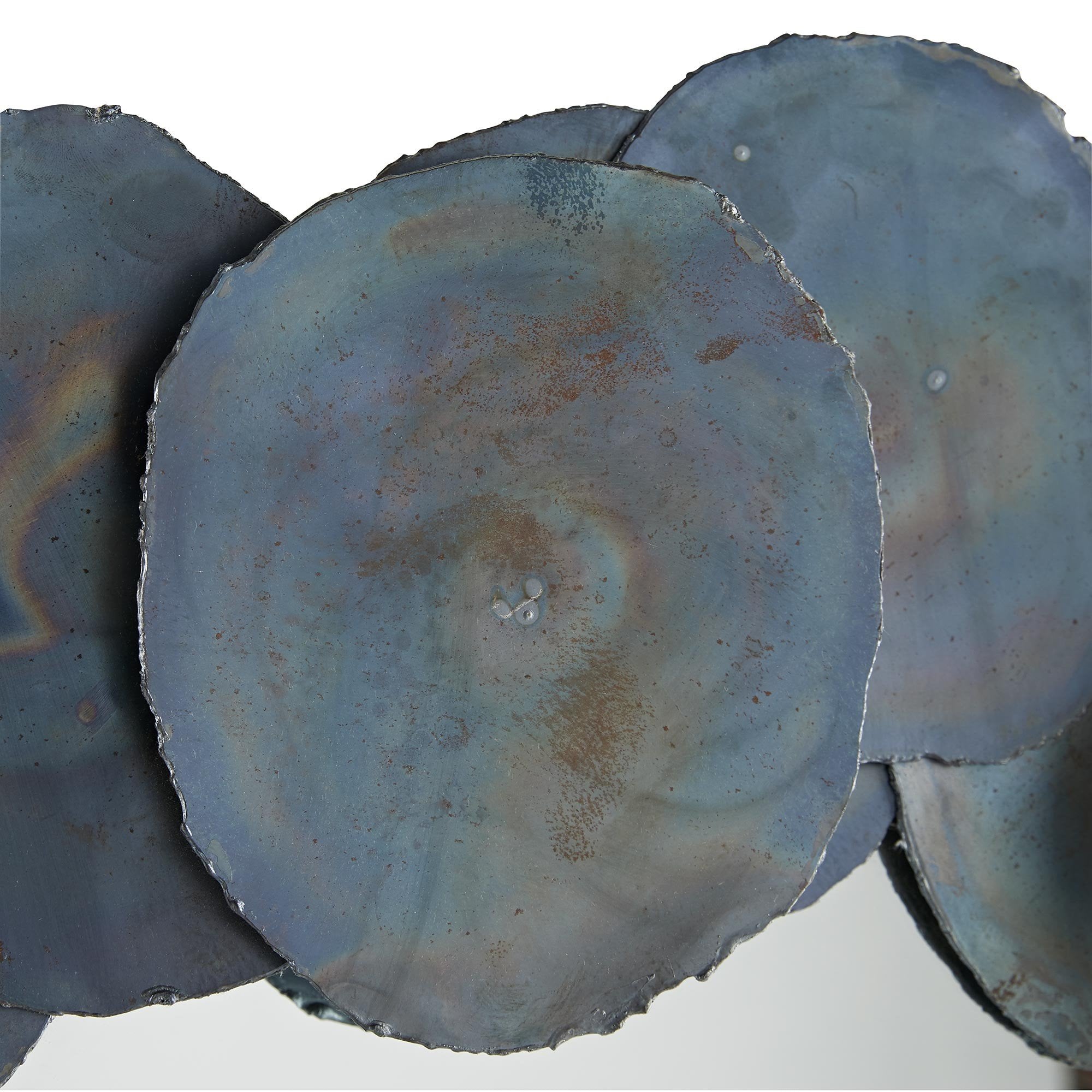
Materials include brass, iron, glass and bronze. Carved detailing adds further texture and individuality. Varied surfaces and crafted techniques give the mirrors range richness and tactile depth. Check the dimensions, weight, natural variation and hanging requirements of the selected work before placement.
Scale, placement and everyday use
Position a mirror to reflect something intentional, such as daylight, art or an attractive view. Check overall dimensions, weight, orientation and mounting points. In an entry, pair a mirror with a console while keeping the composition proportionate to the wall.
Frequently asked questions
Where should I place a mirror to make a room feel larger?
Place it where it can reflect daylight or a long view into the room. Avoid reflecting clutter or harsh direct light, and use secure fixings suited to the wall and mirror weight.
How high should I hang a mirror?
Relate the mirror to the furniture below it and the main viewing height in the room. Maintain enough separation for the two elements to read as a connected composition.
What should I consider with a heavy mirror?
Confirm the mirror weight, wall construction and supplied hanging method. Large or heavy pieces may require specialist hardware and professional installation.