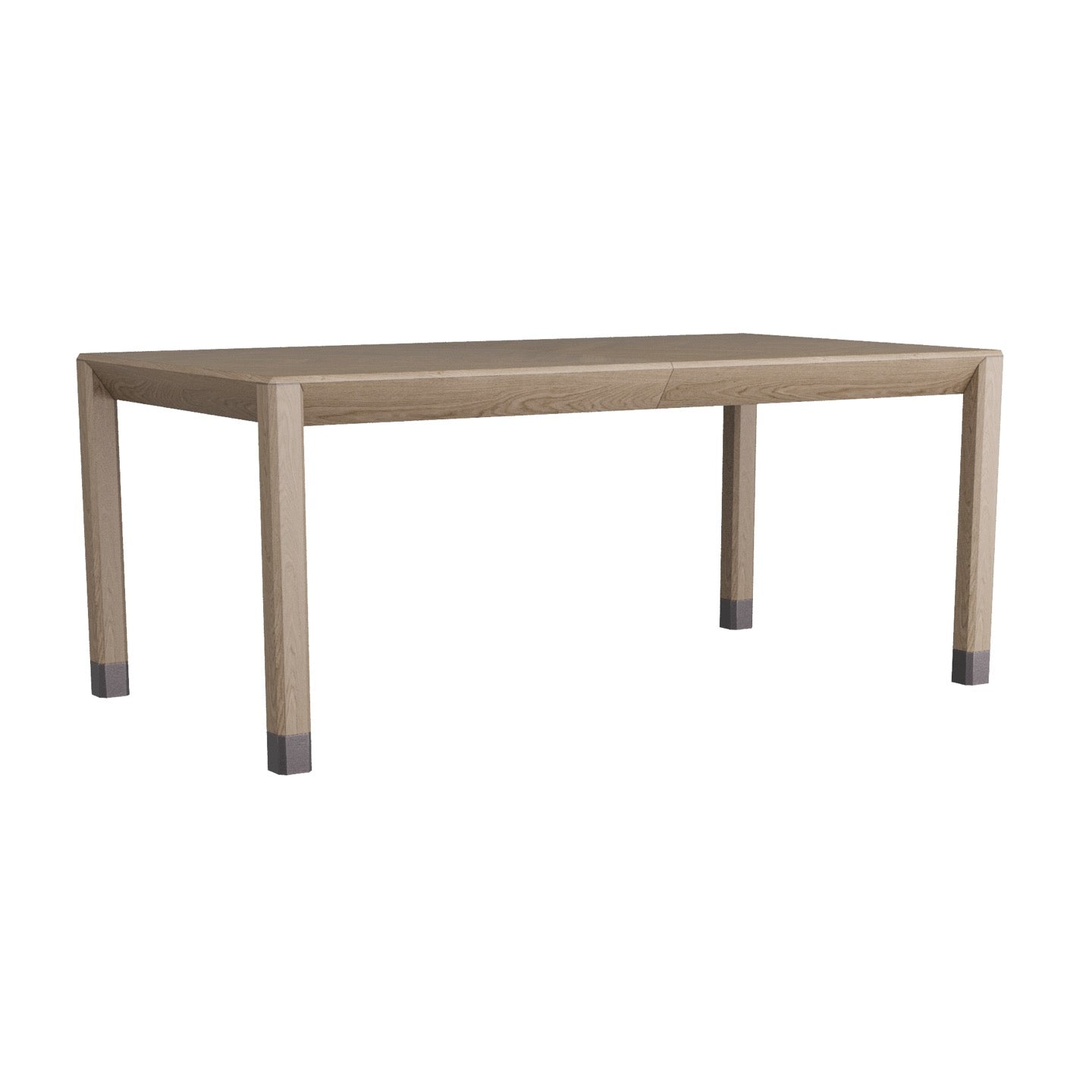
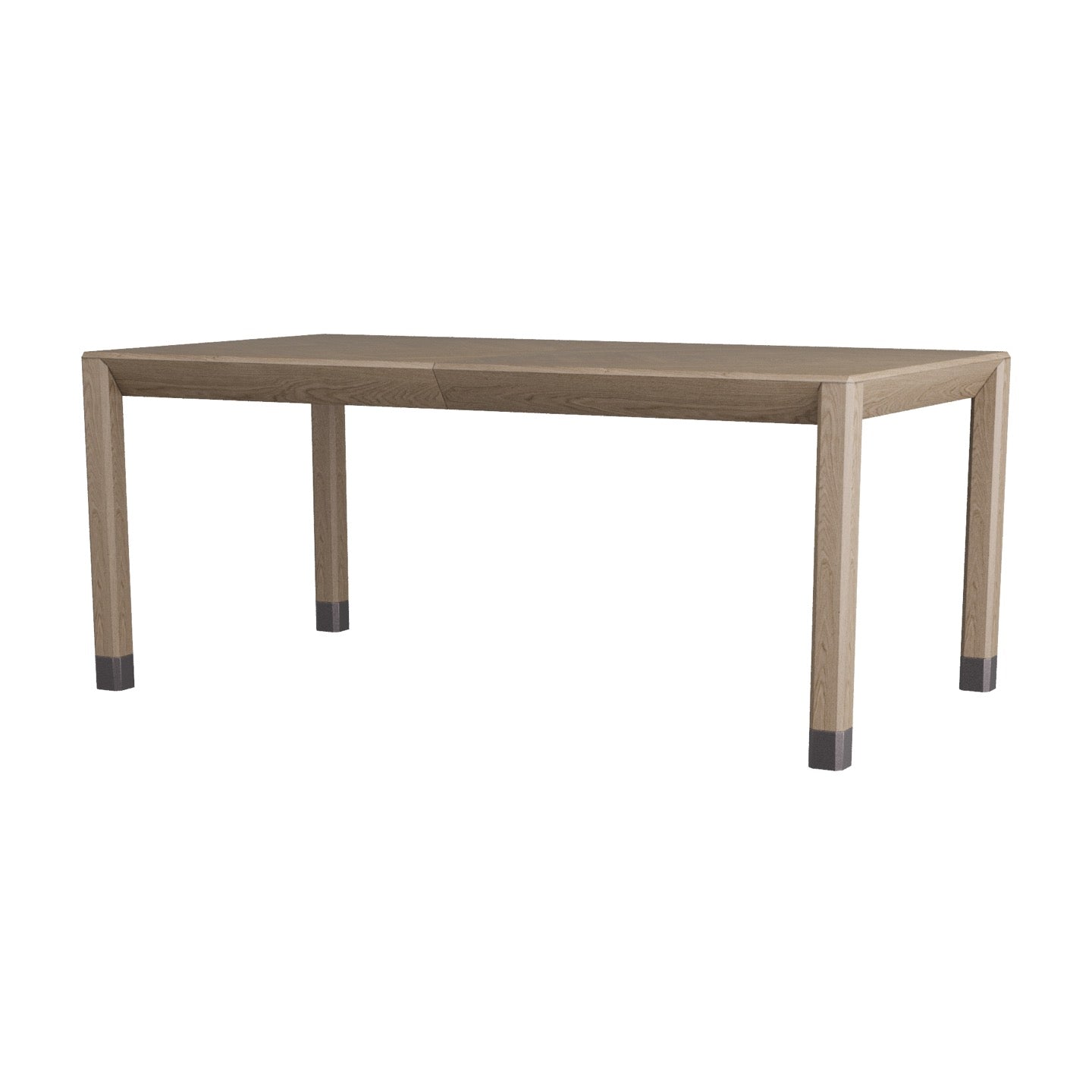
What to look for in dining & entry tables
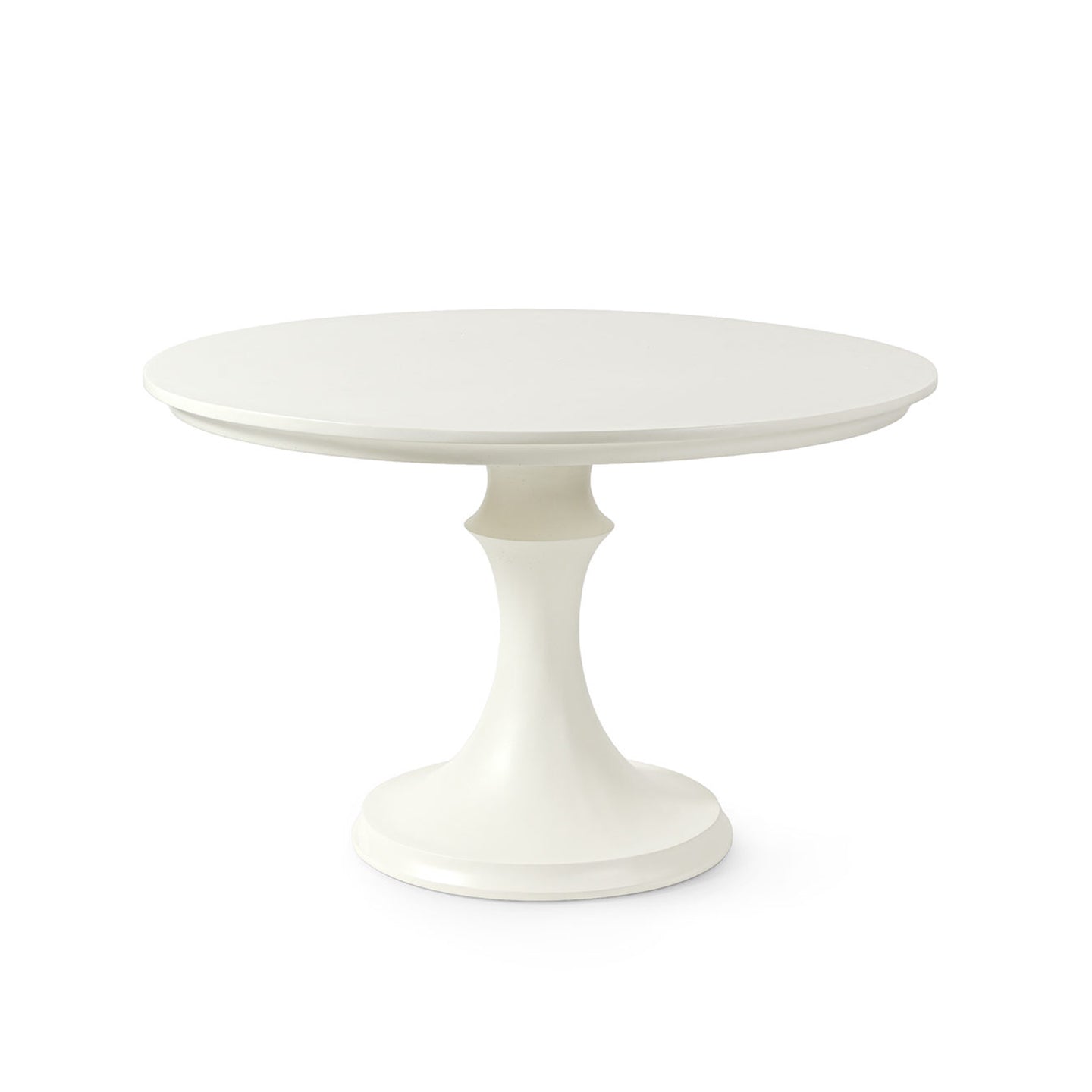
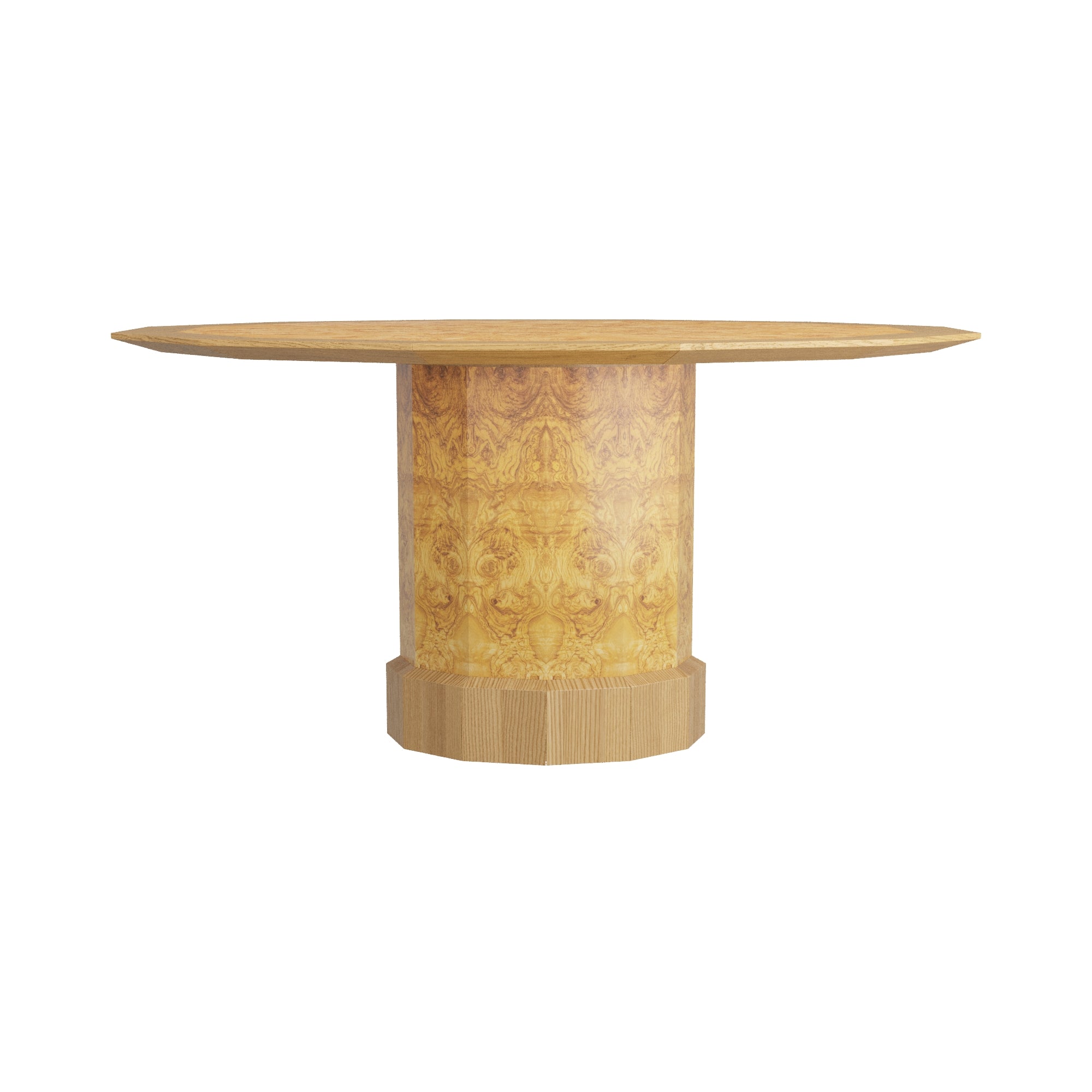
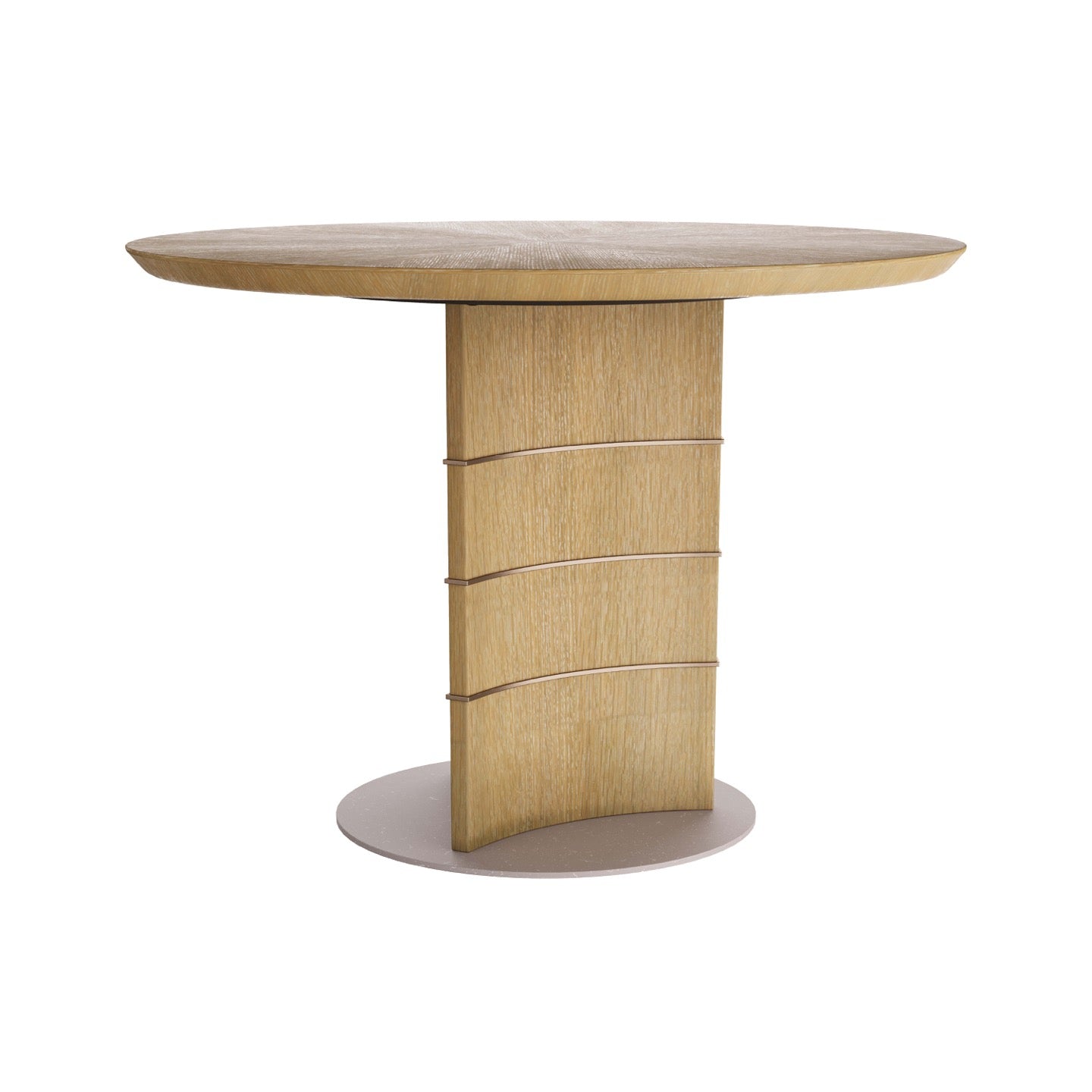
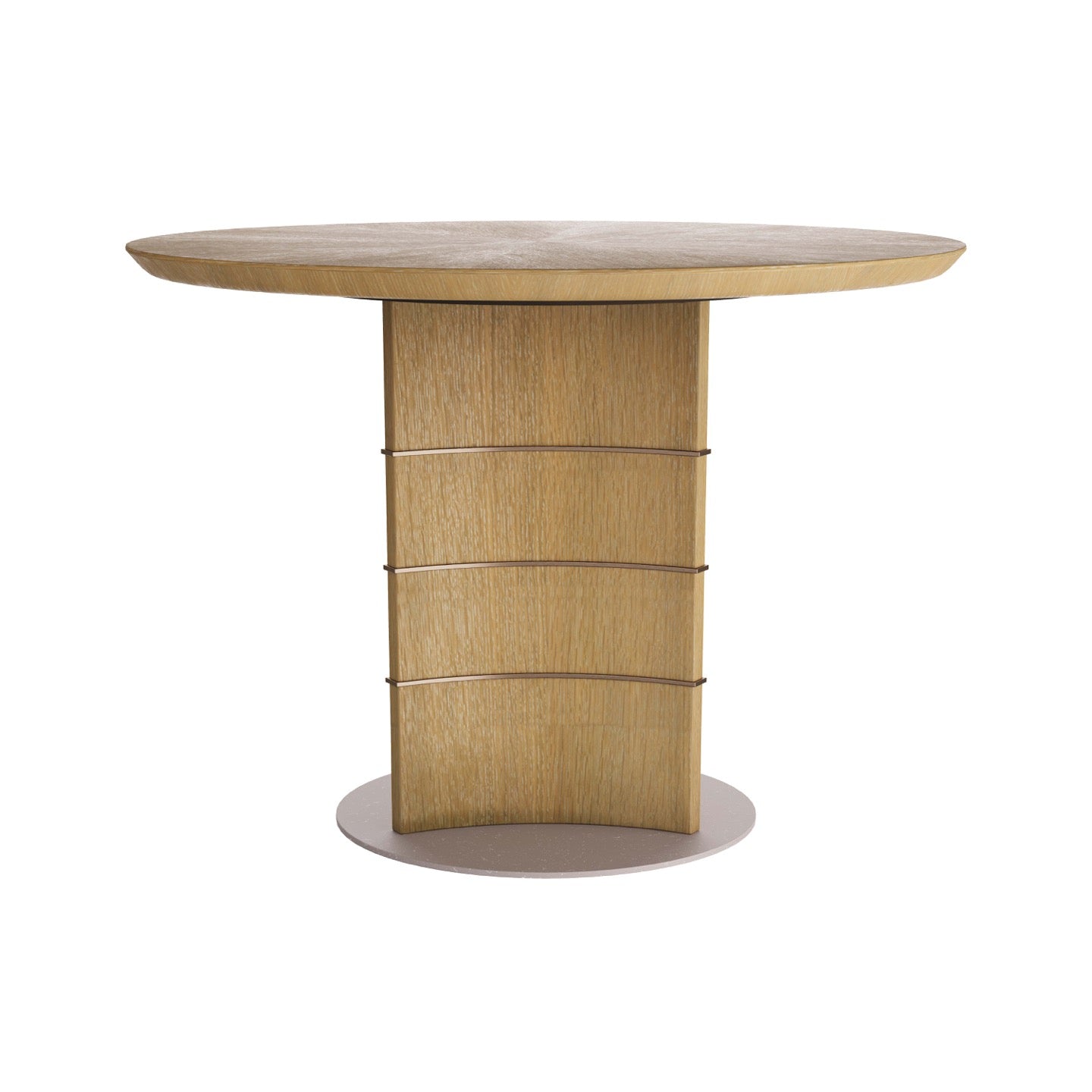
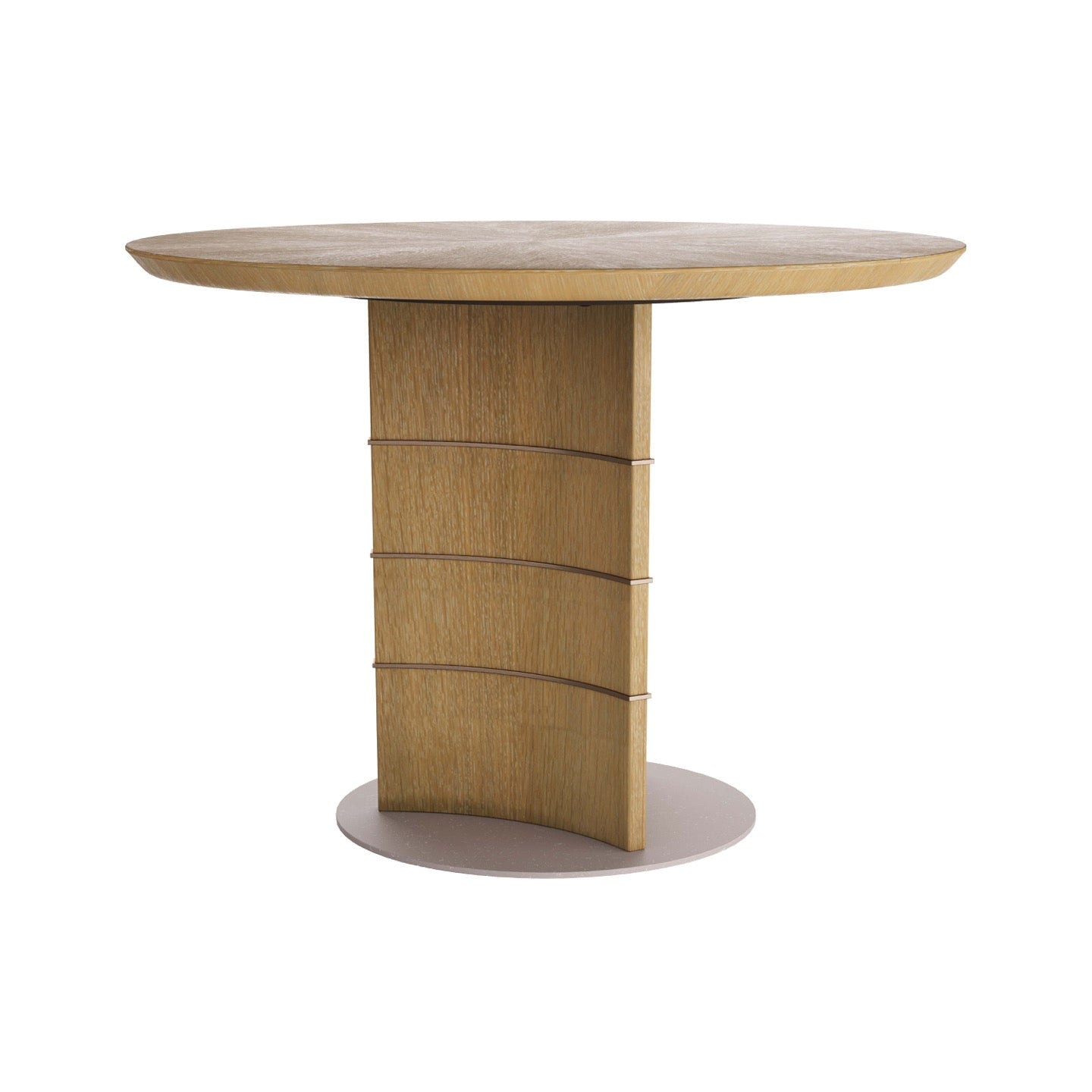
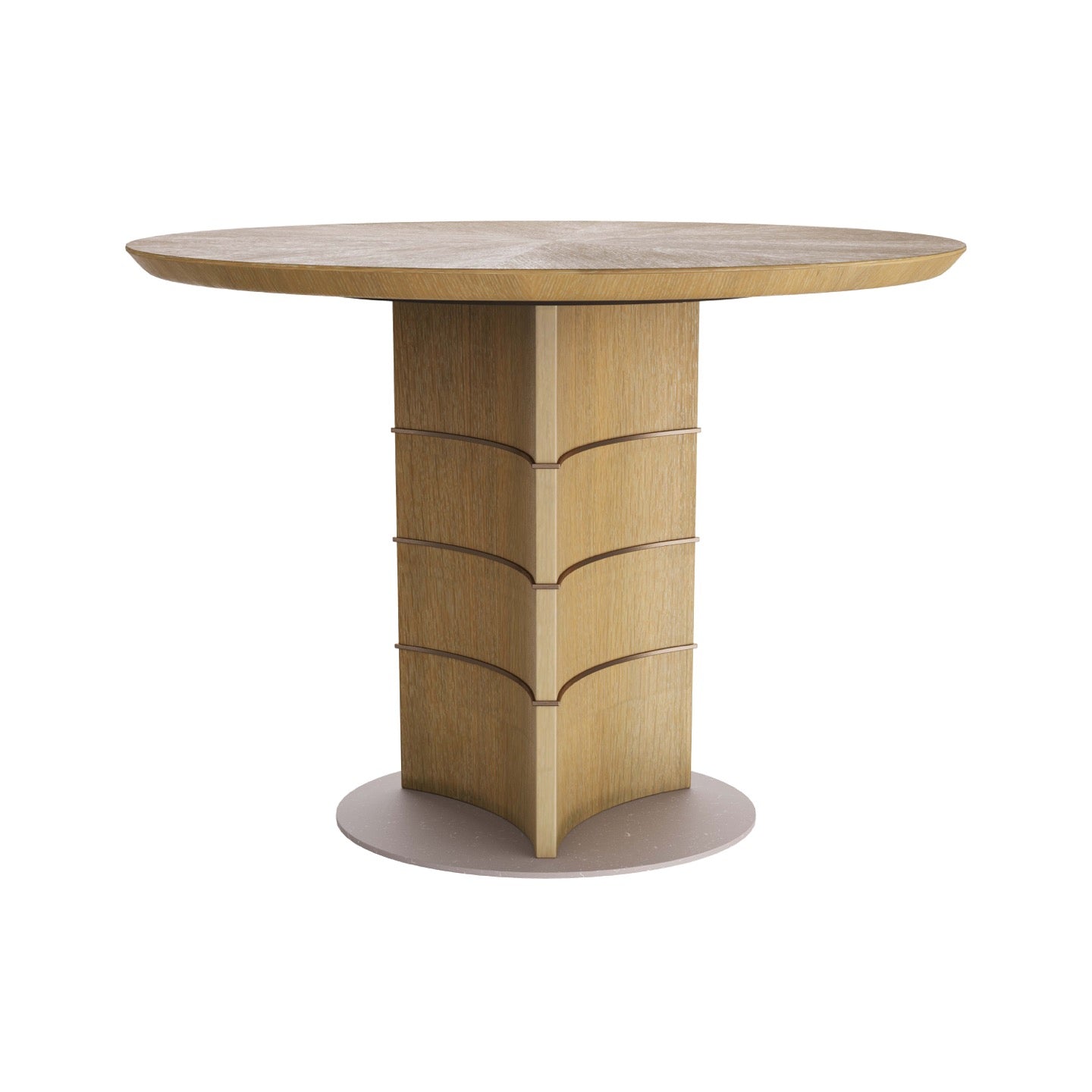
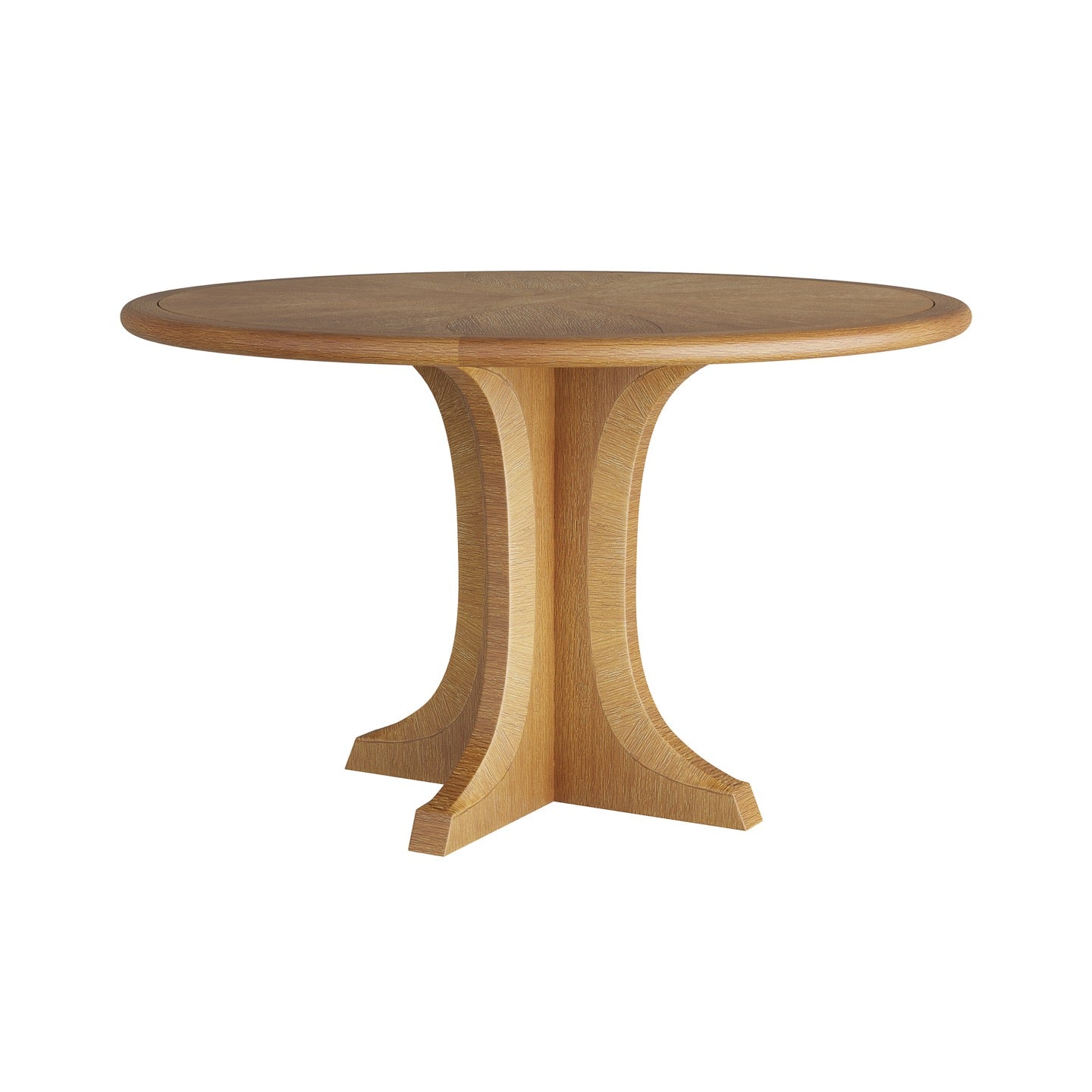
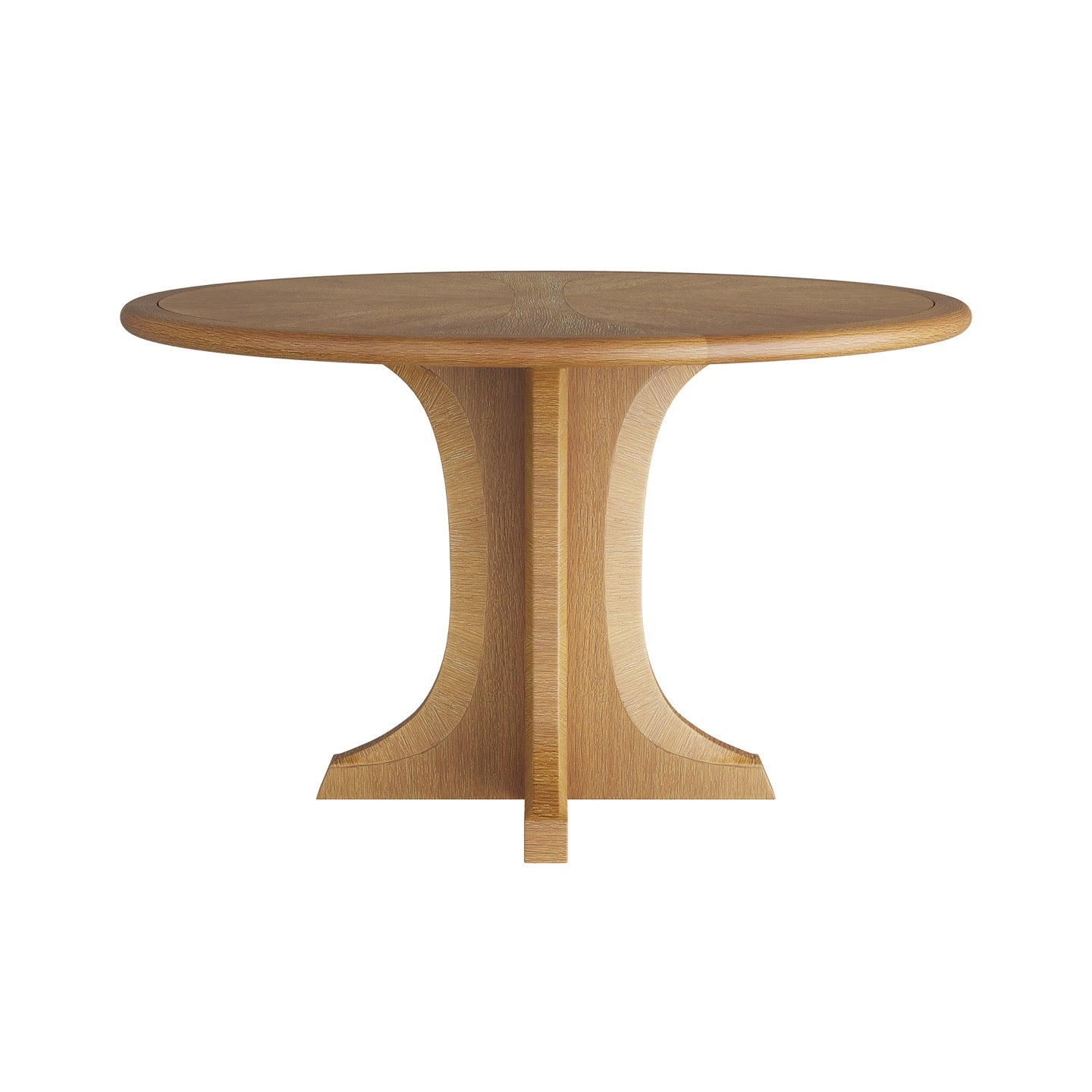
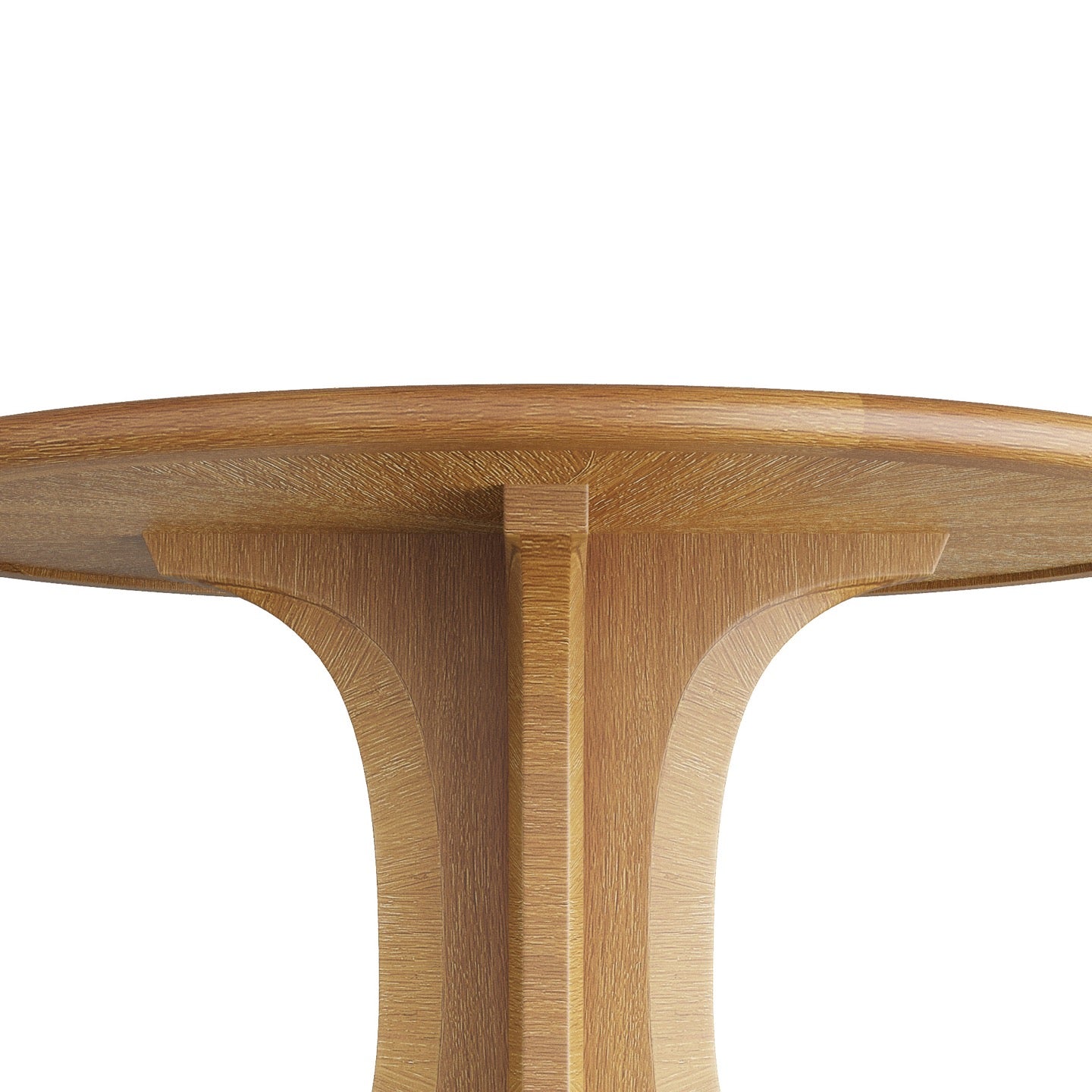
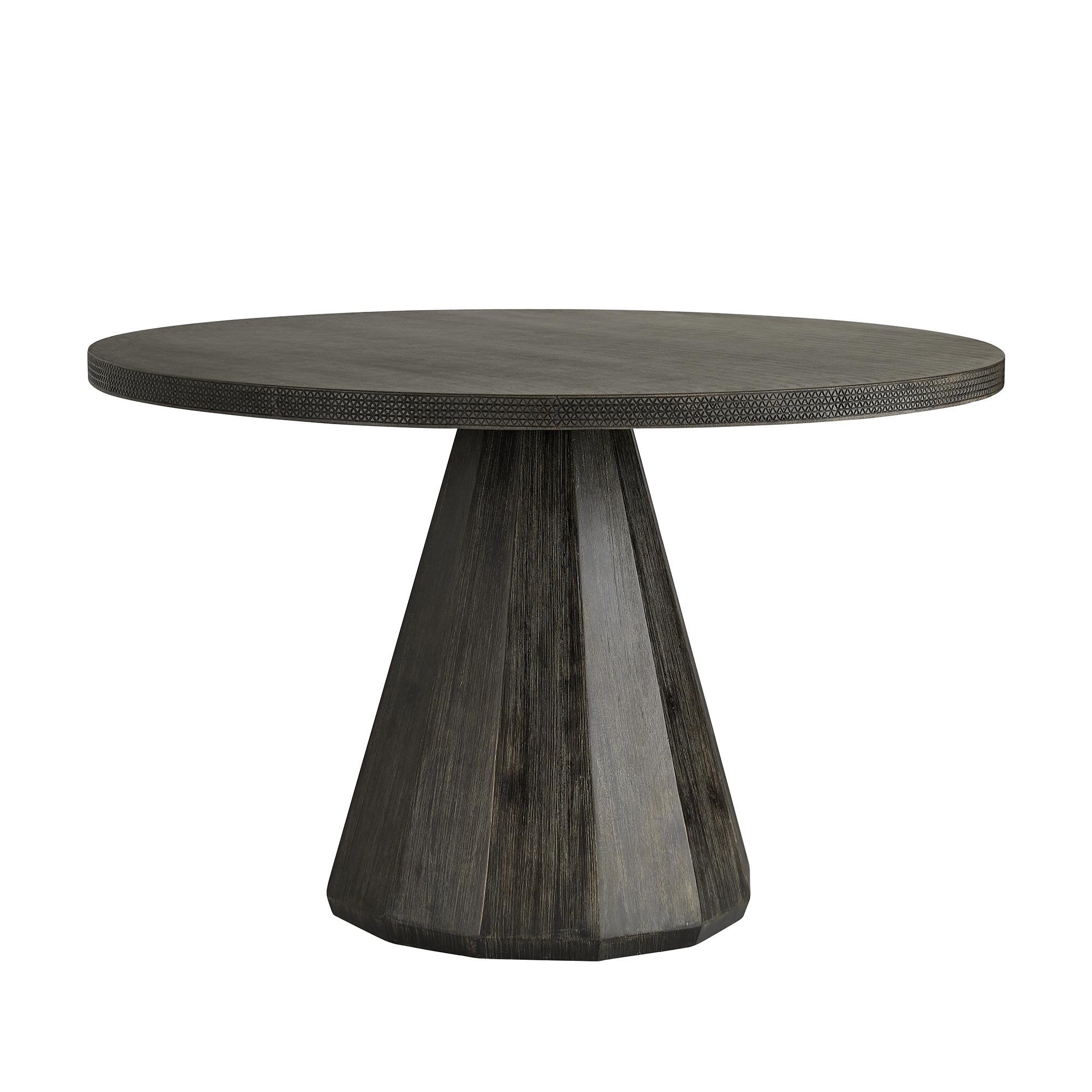
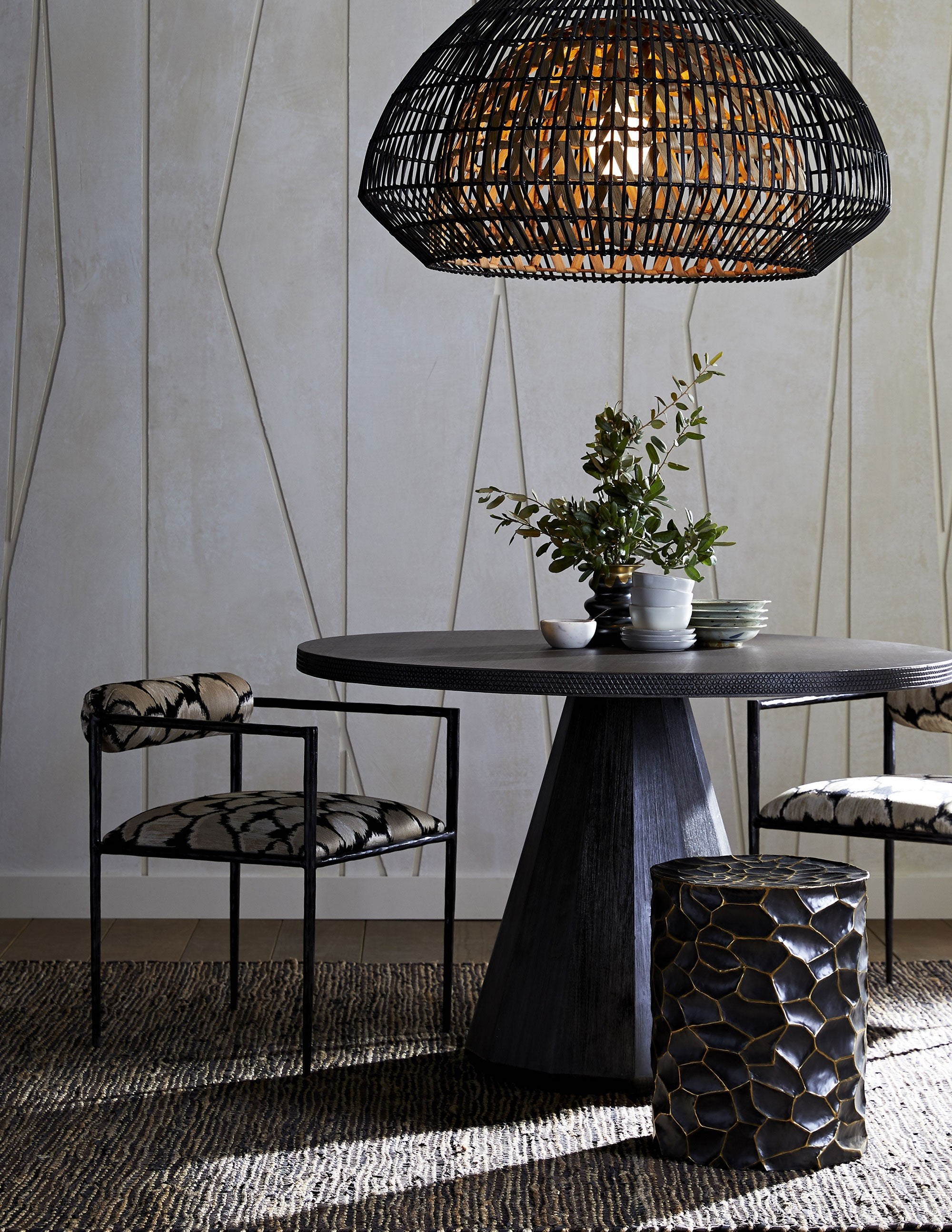
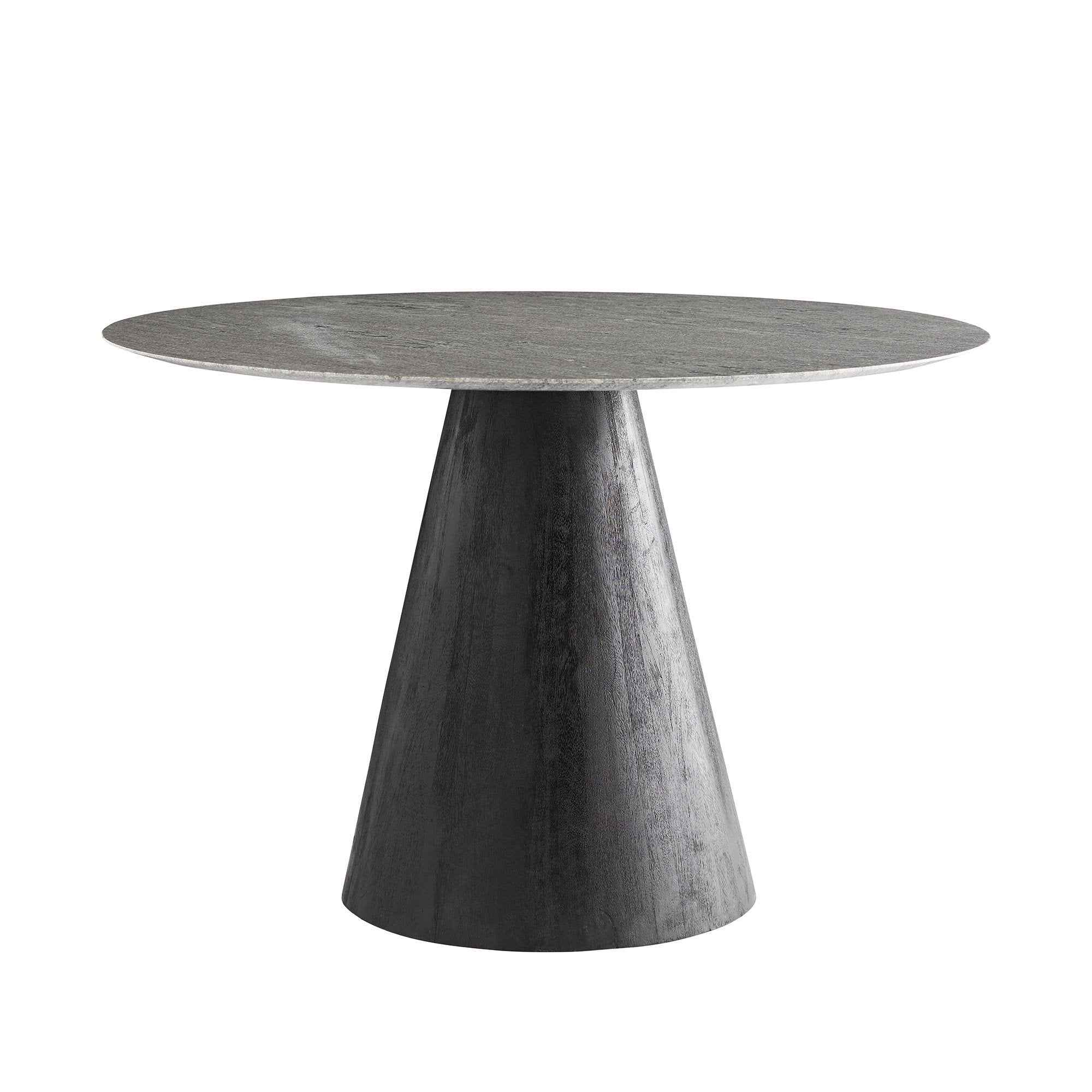
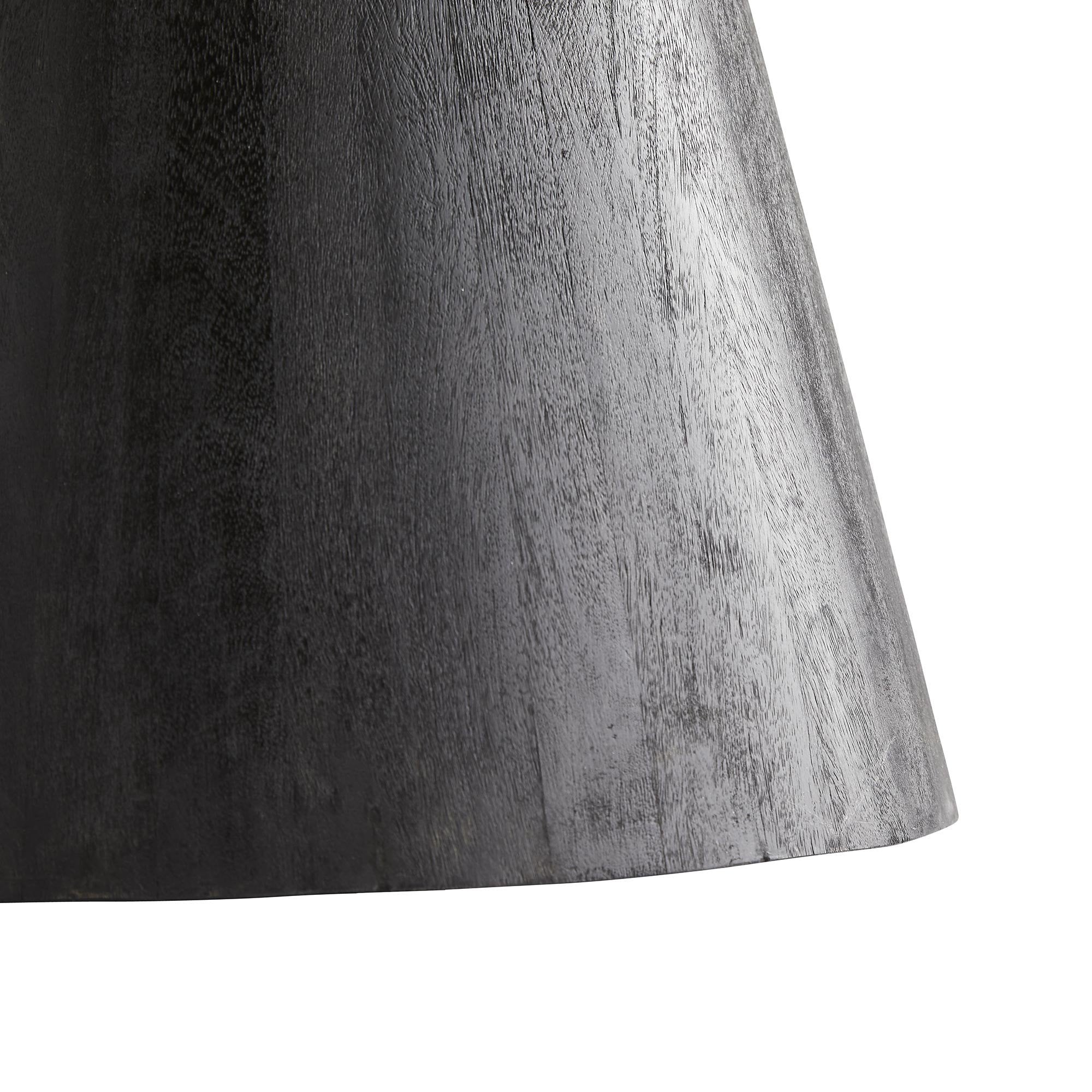
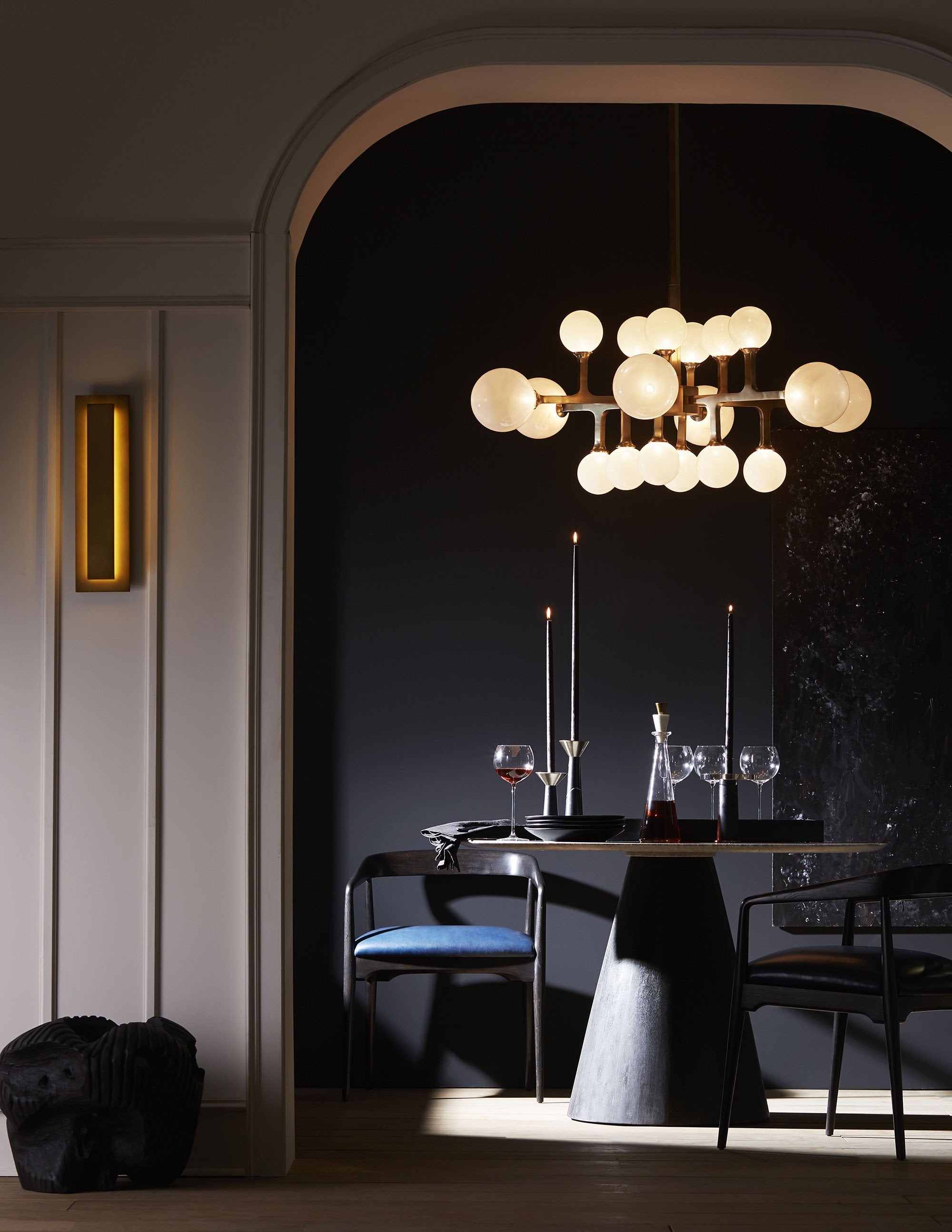
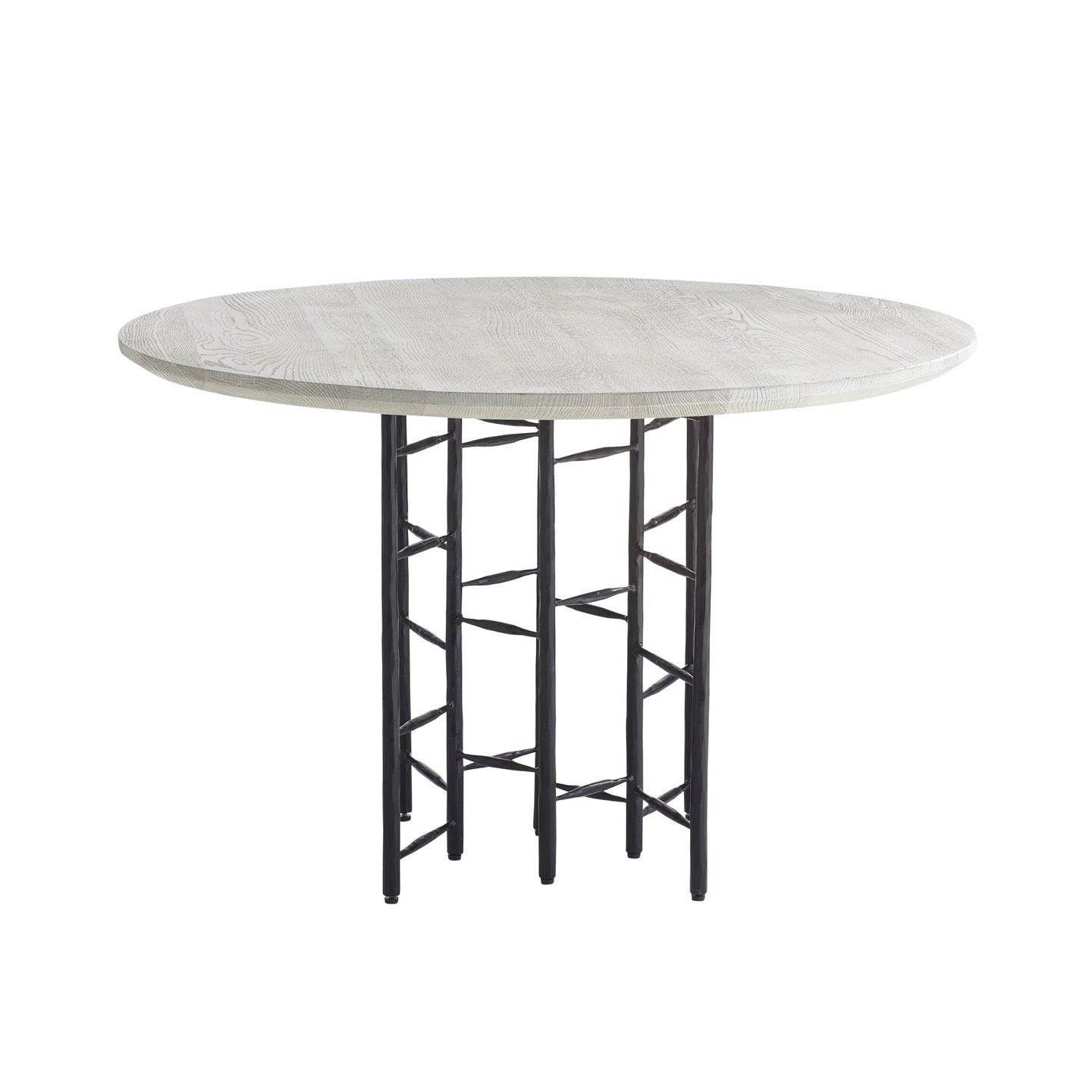
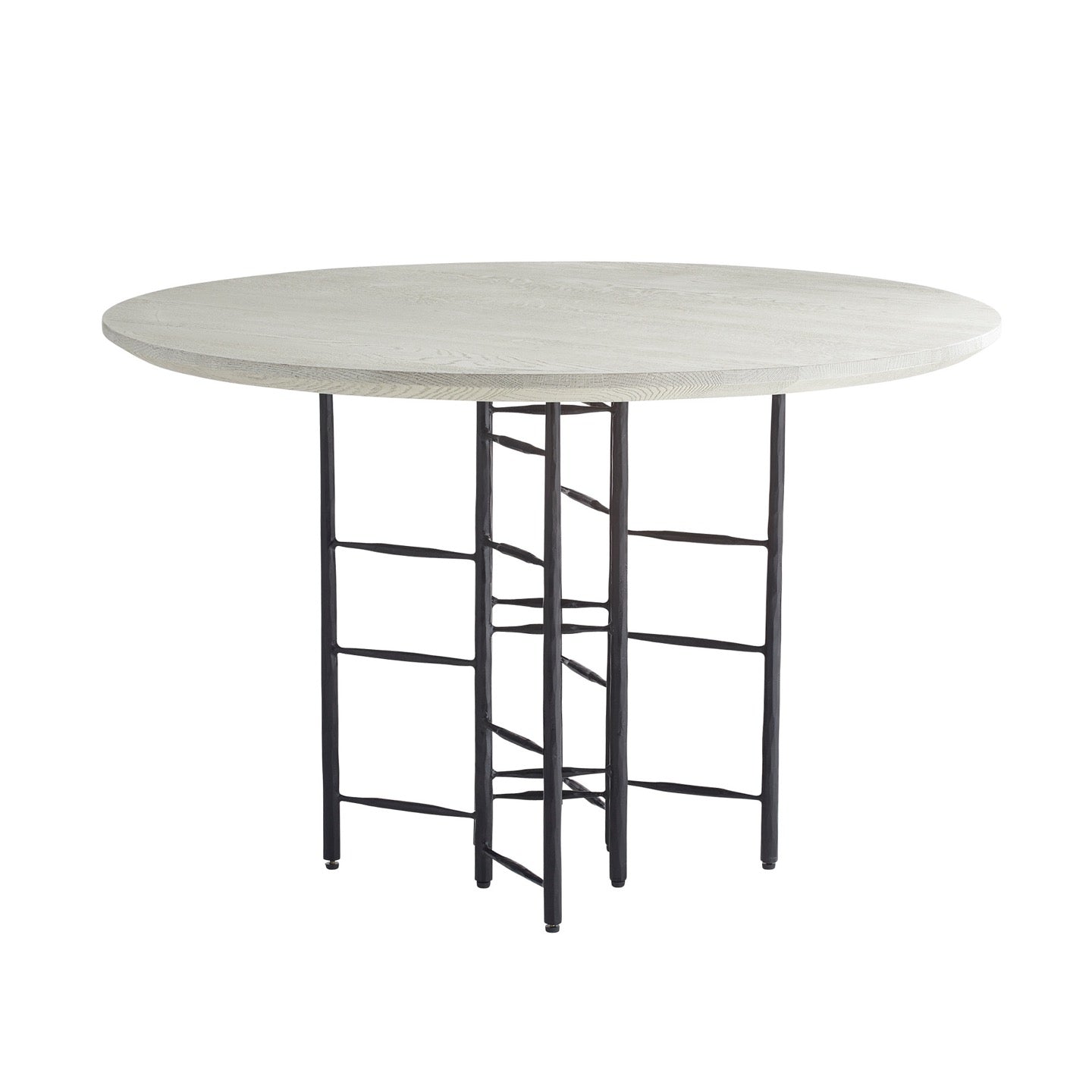
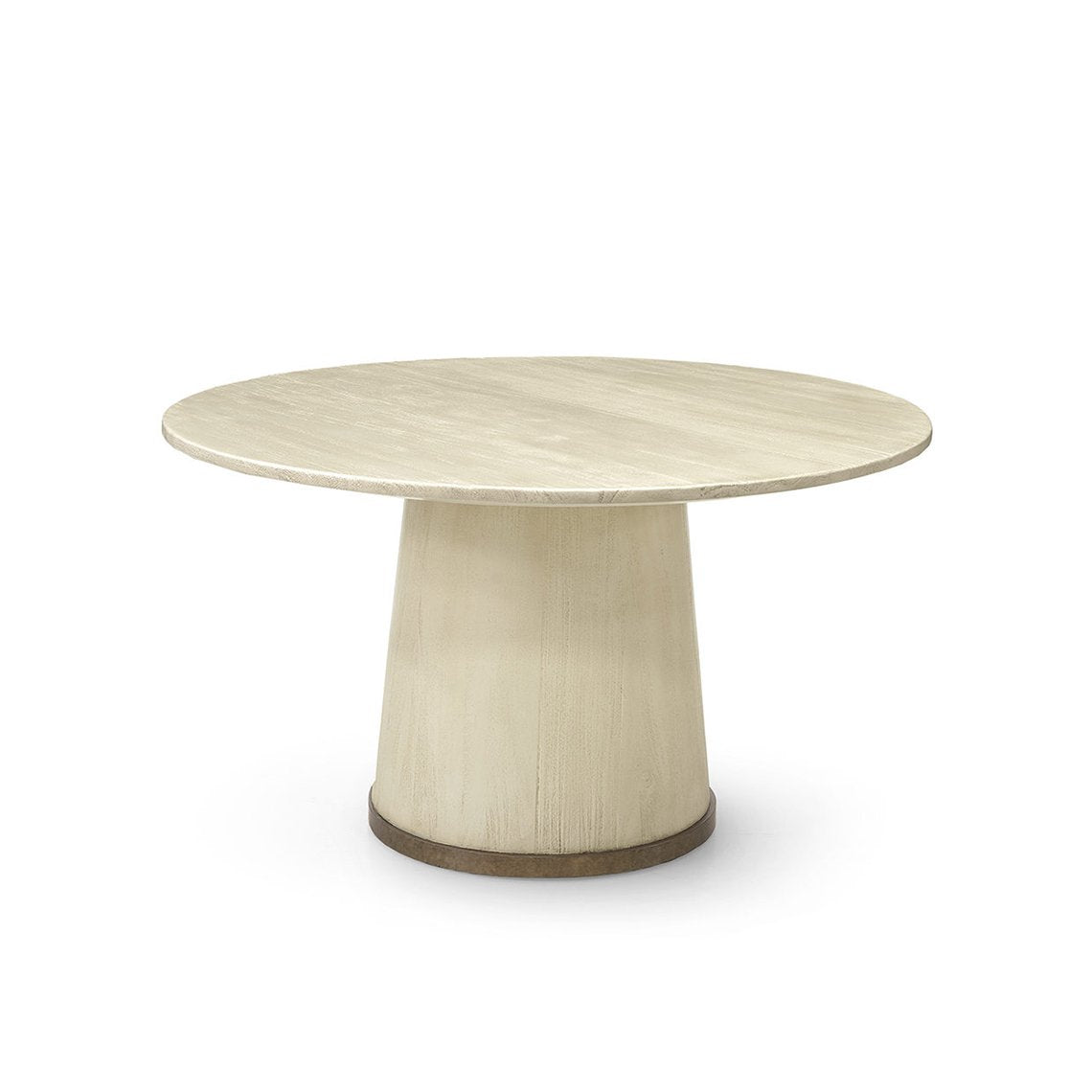
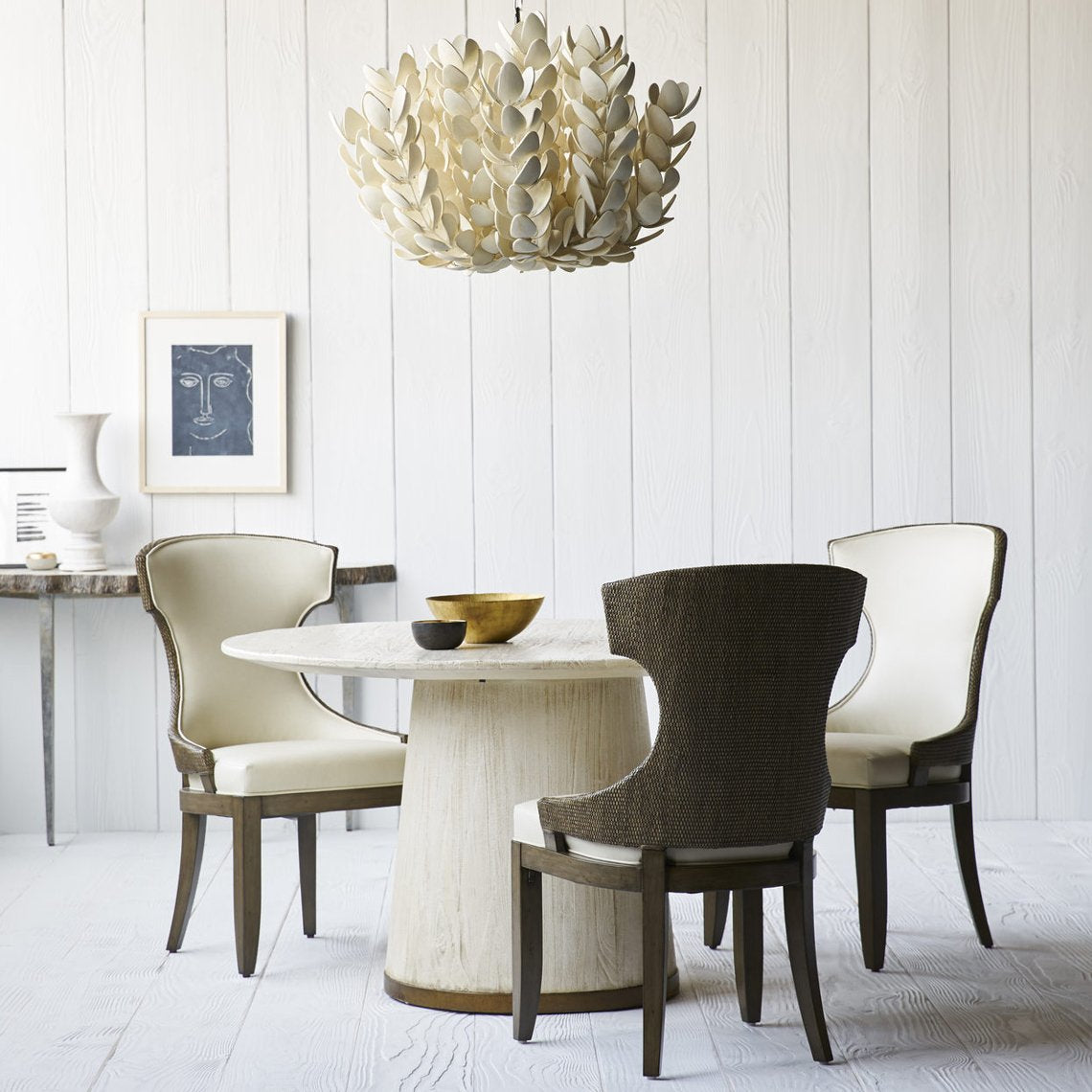
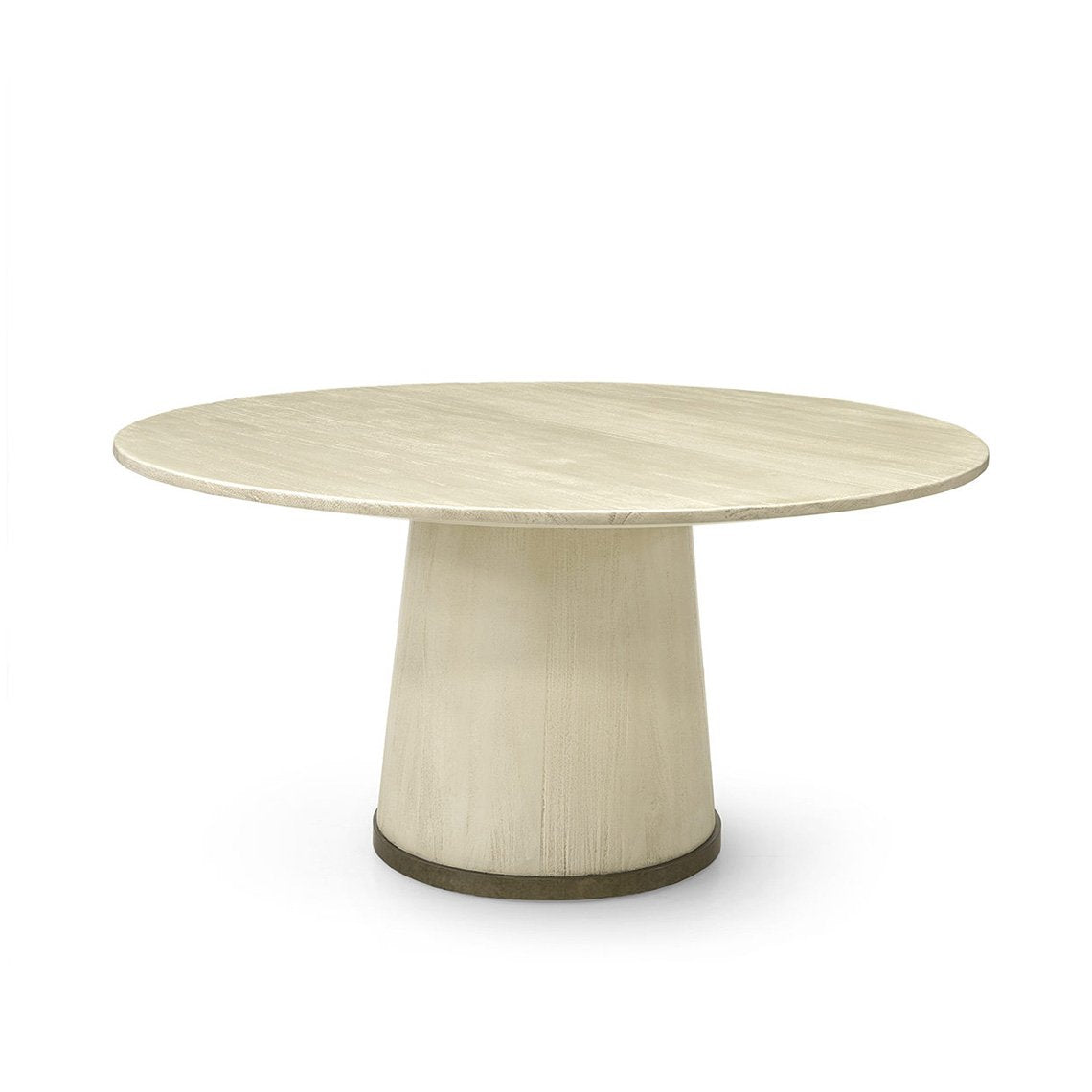
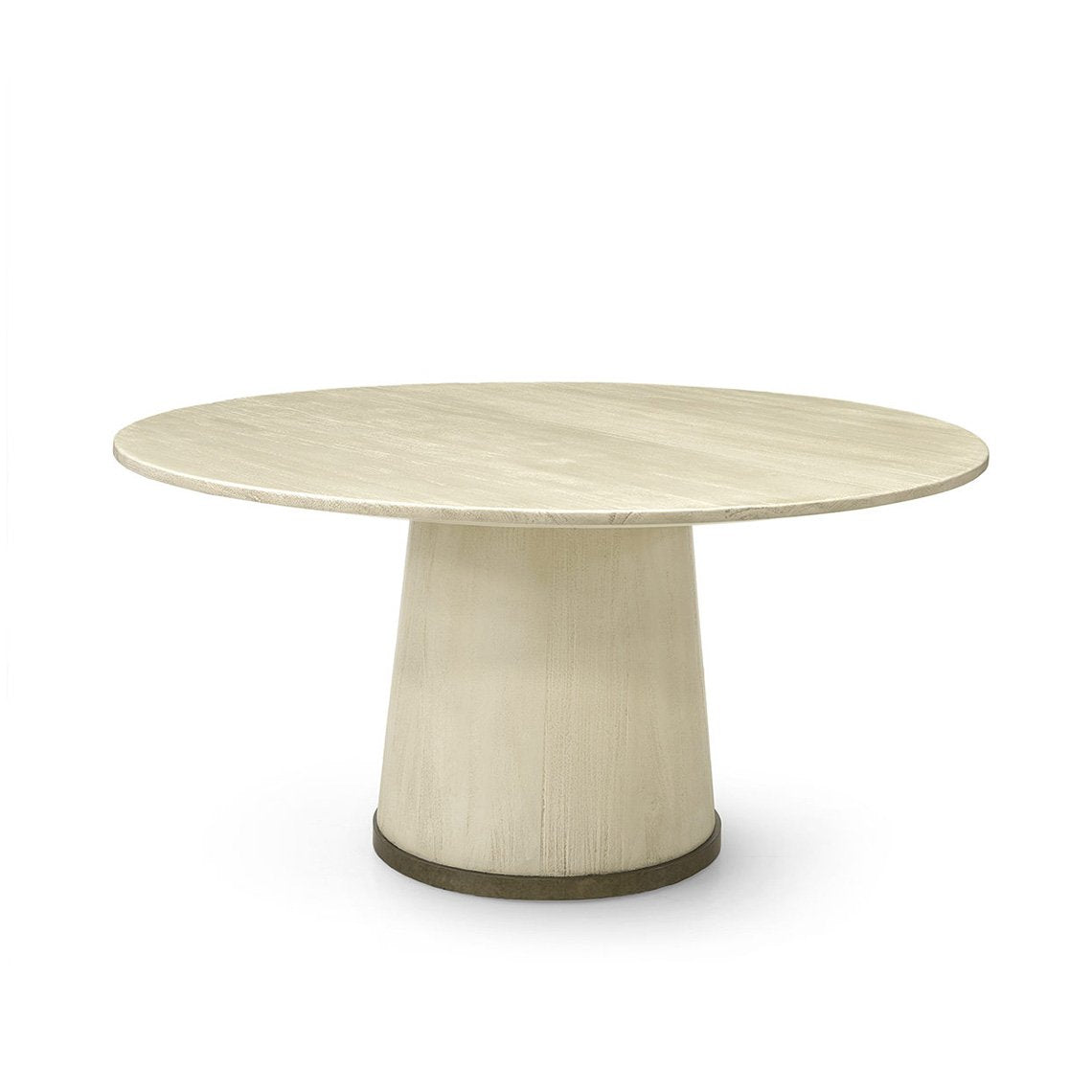
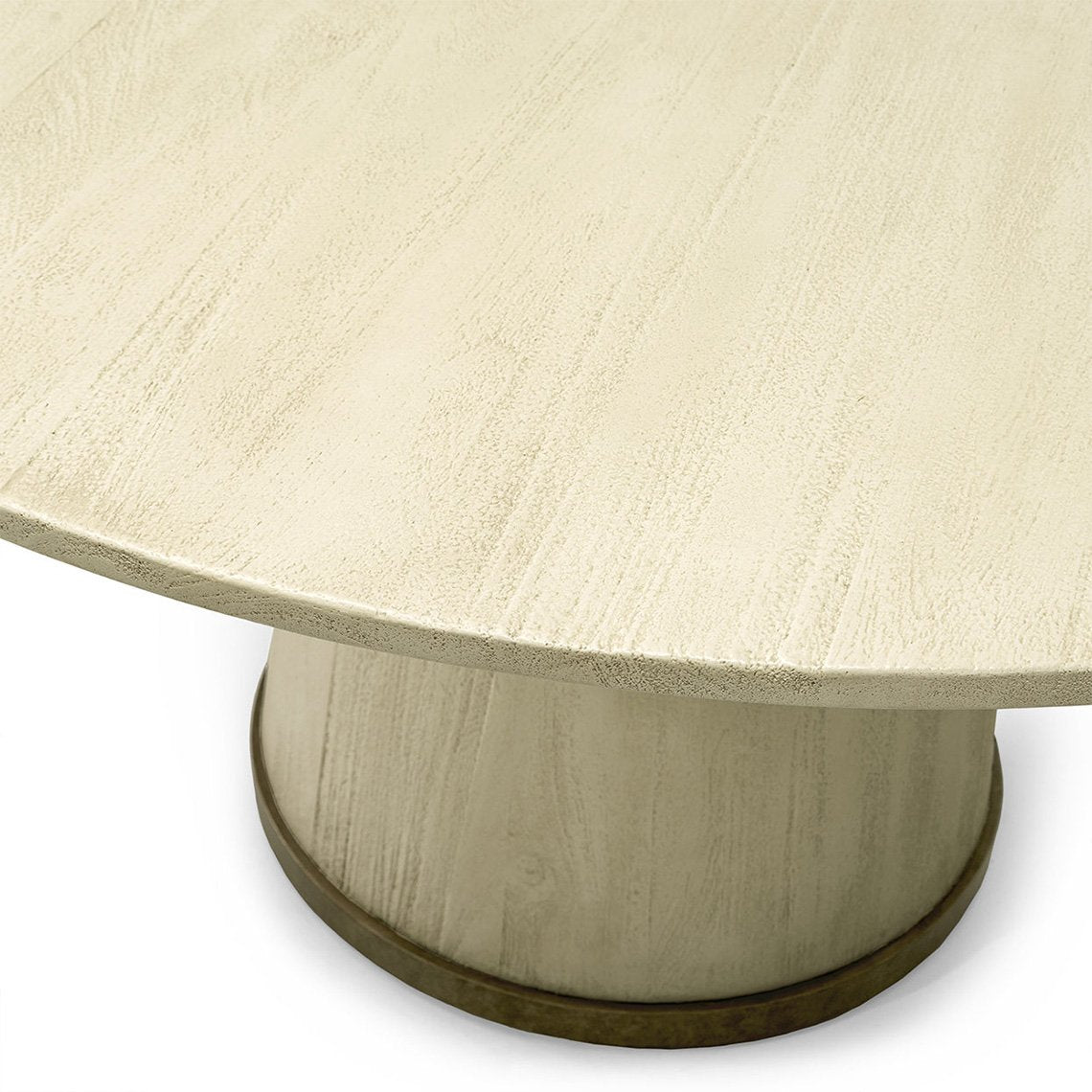
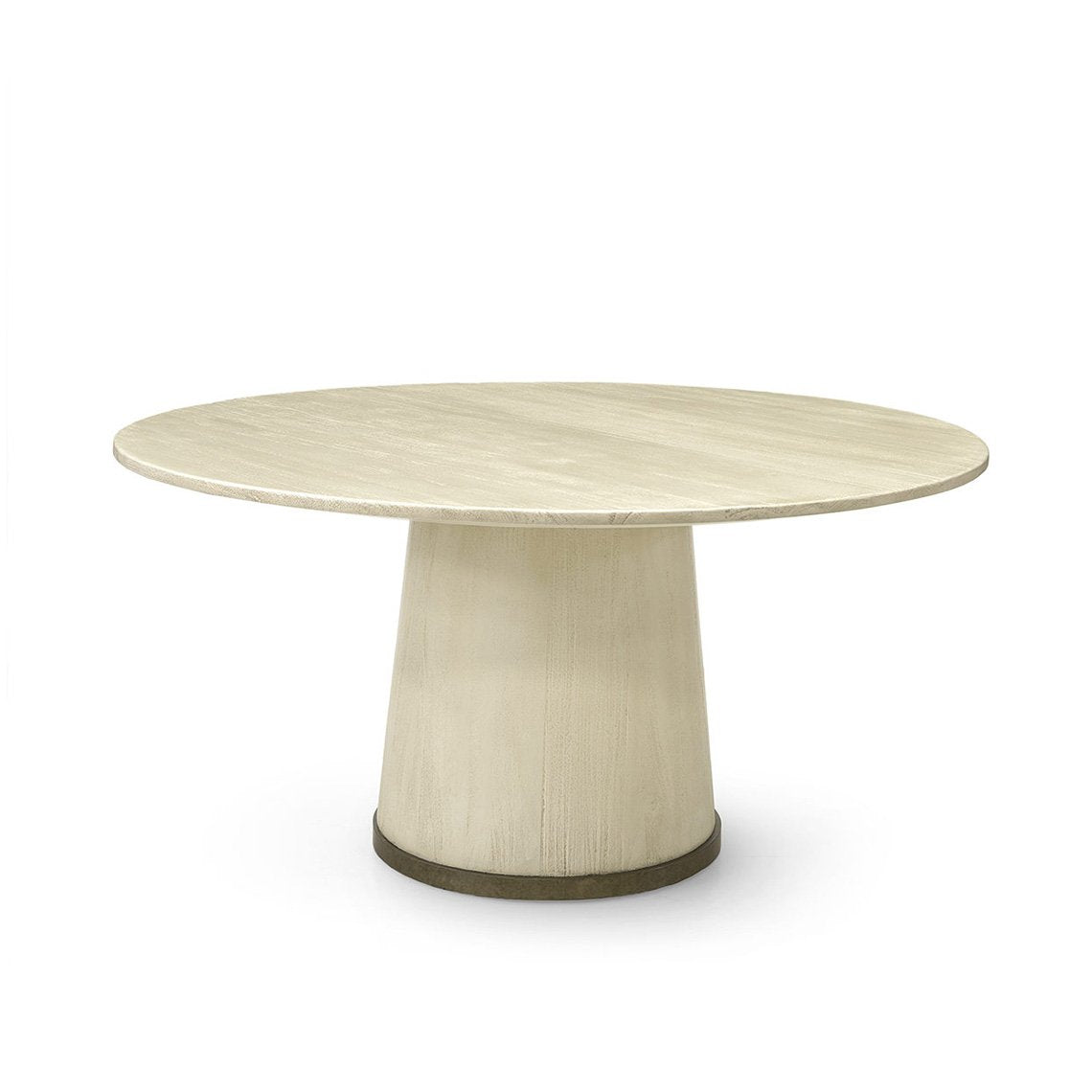
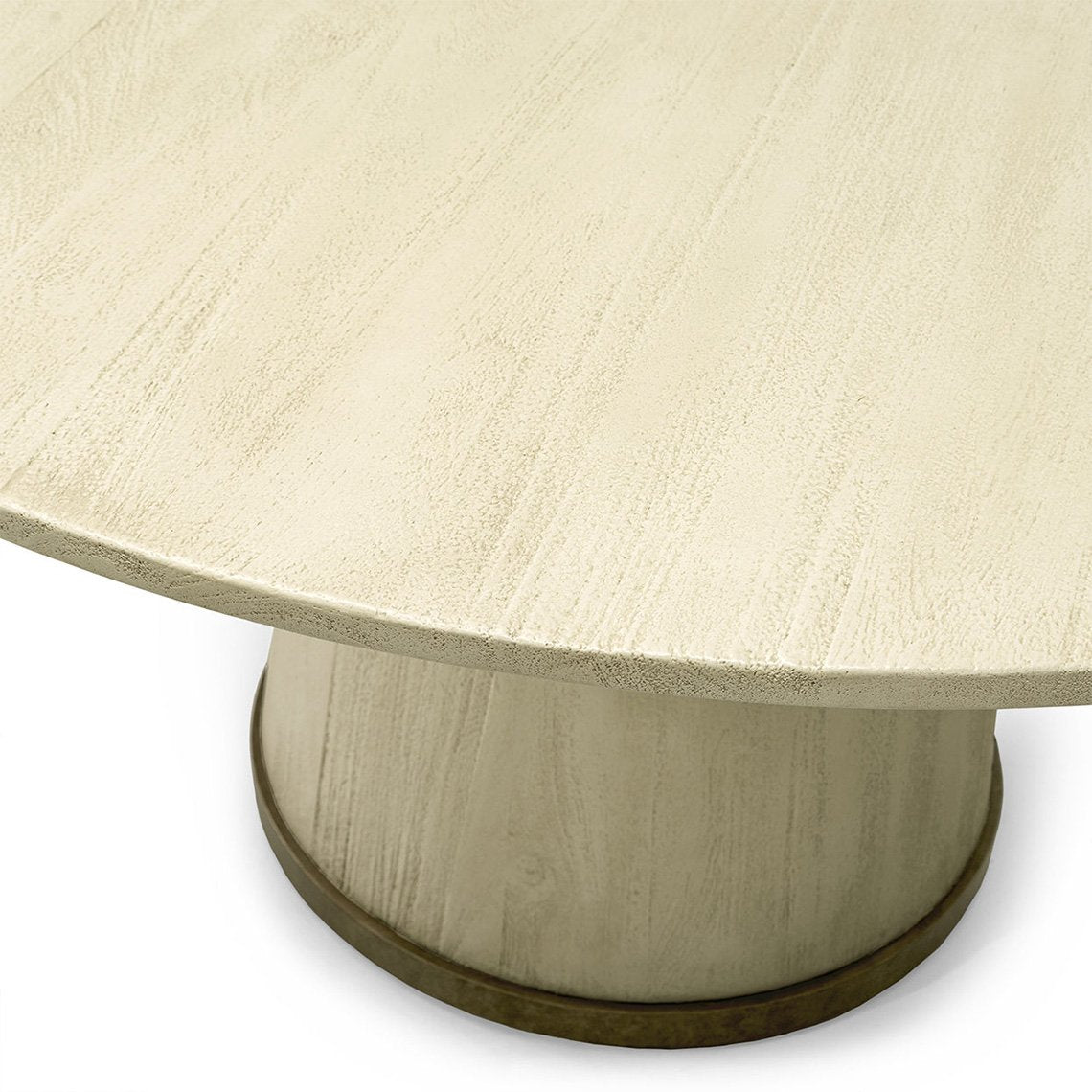
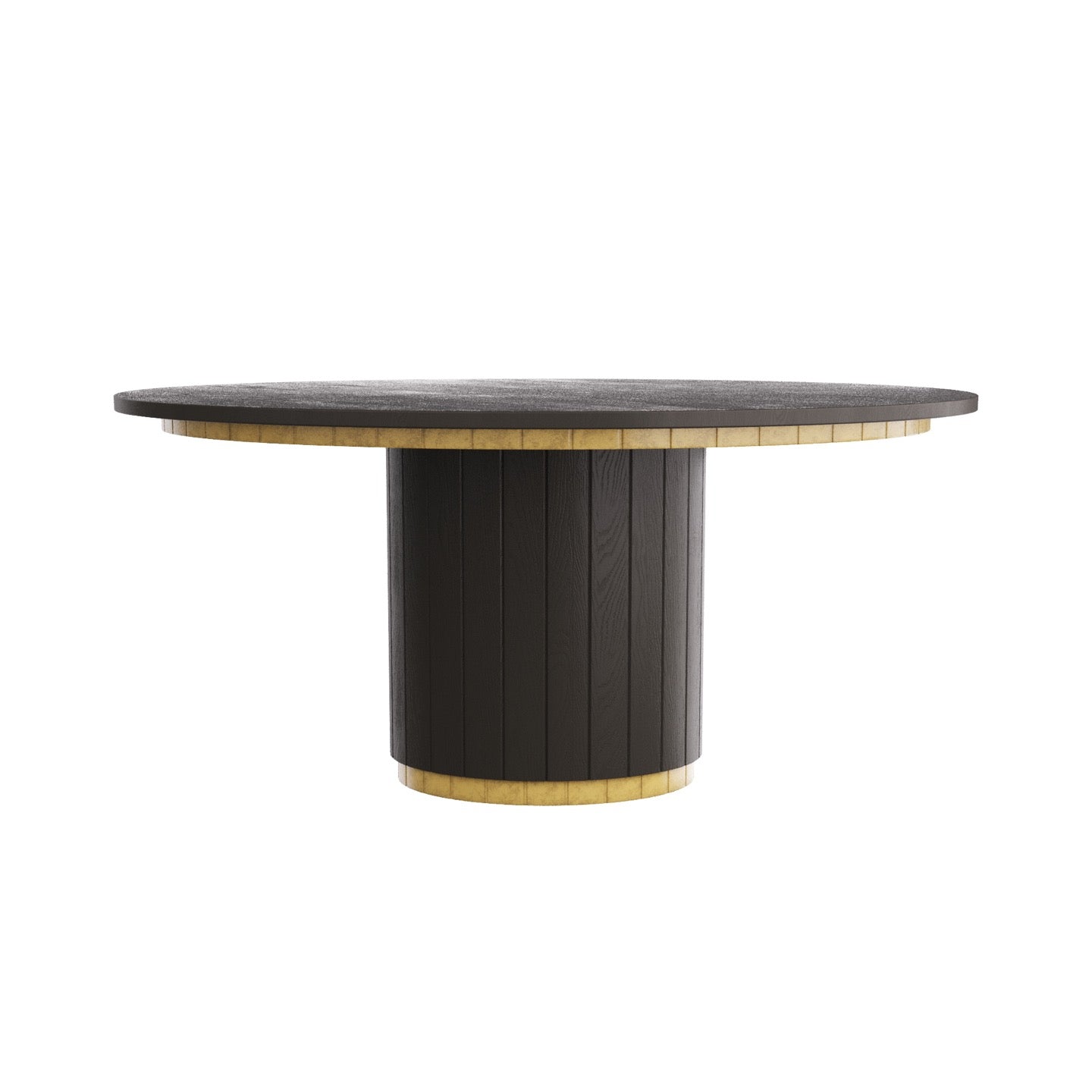
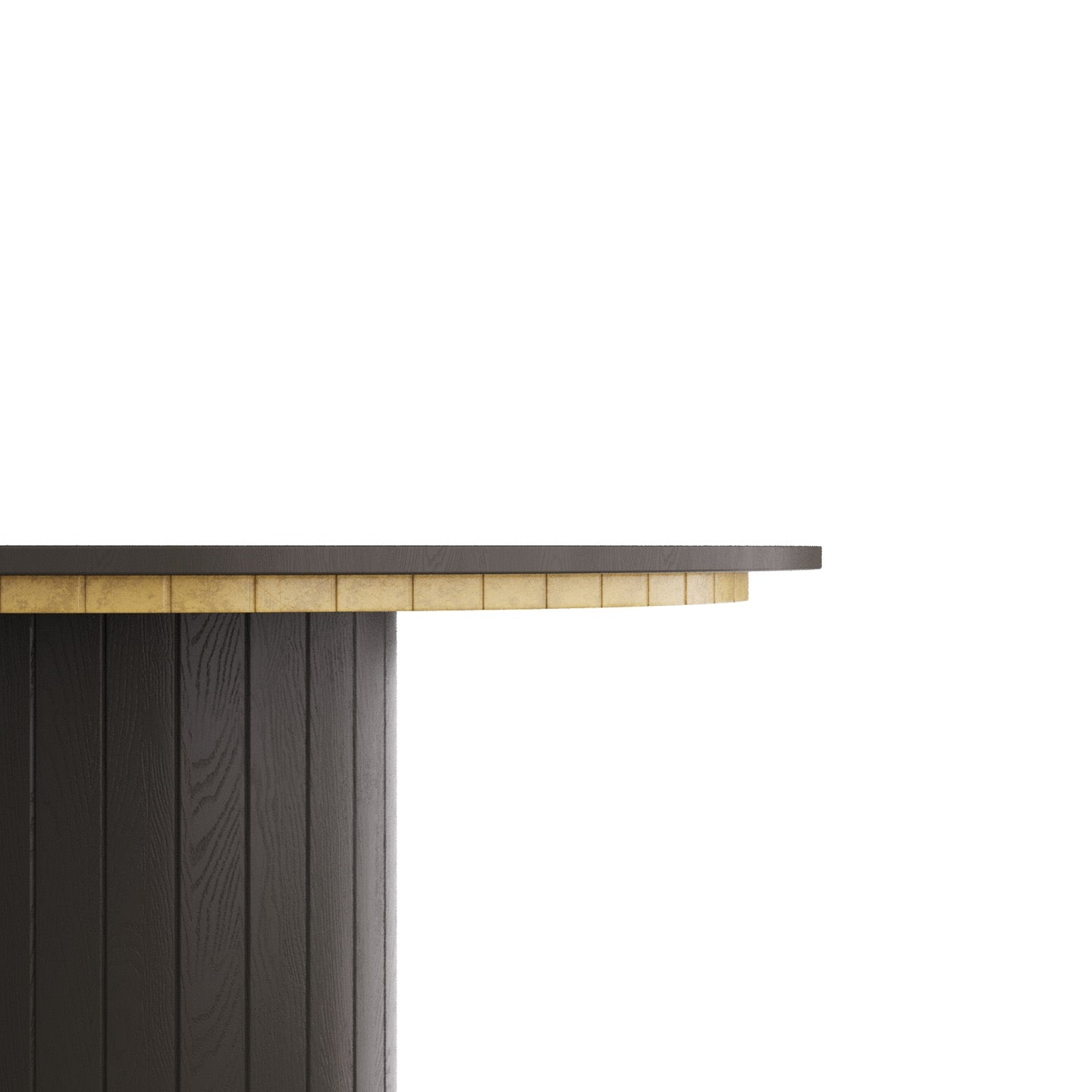
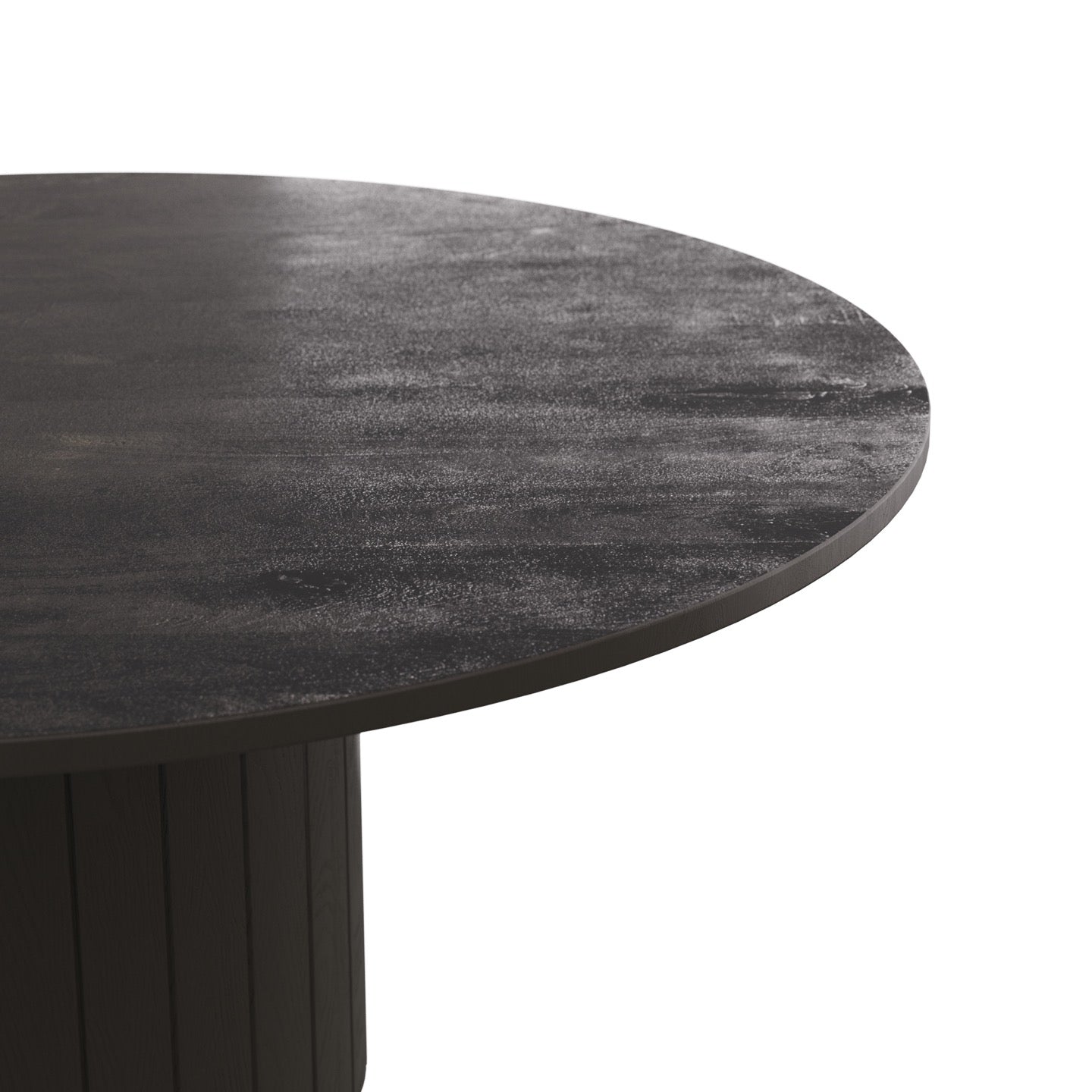
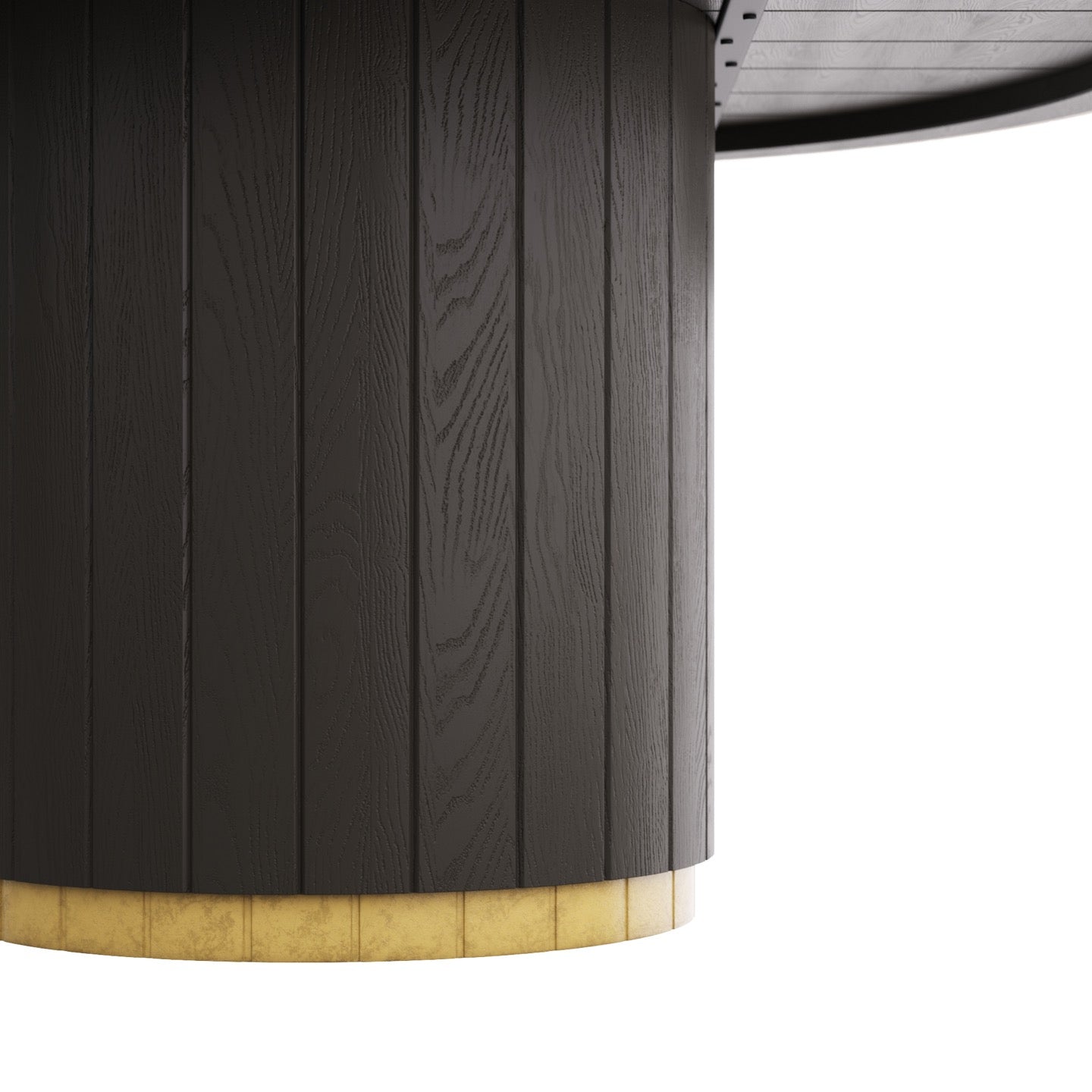
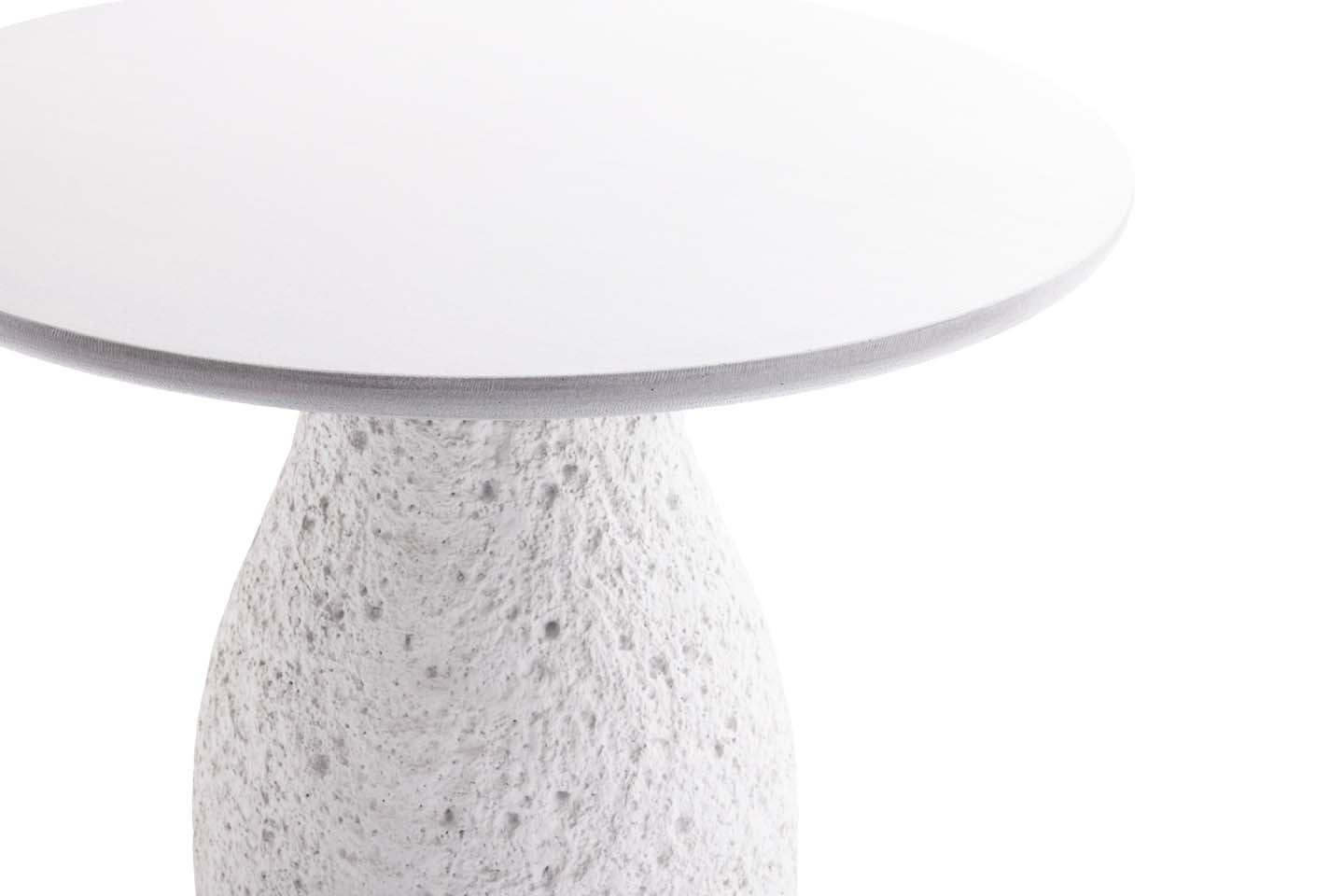
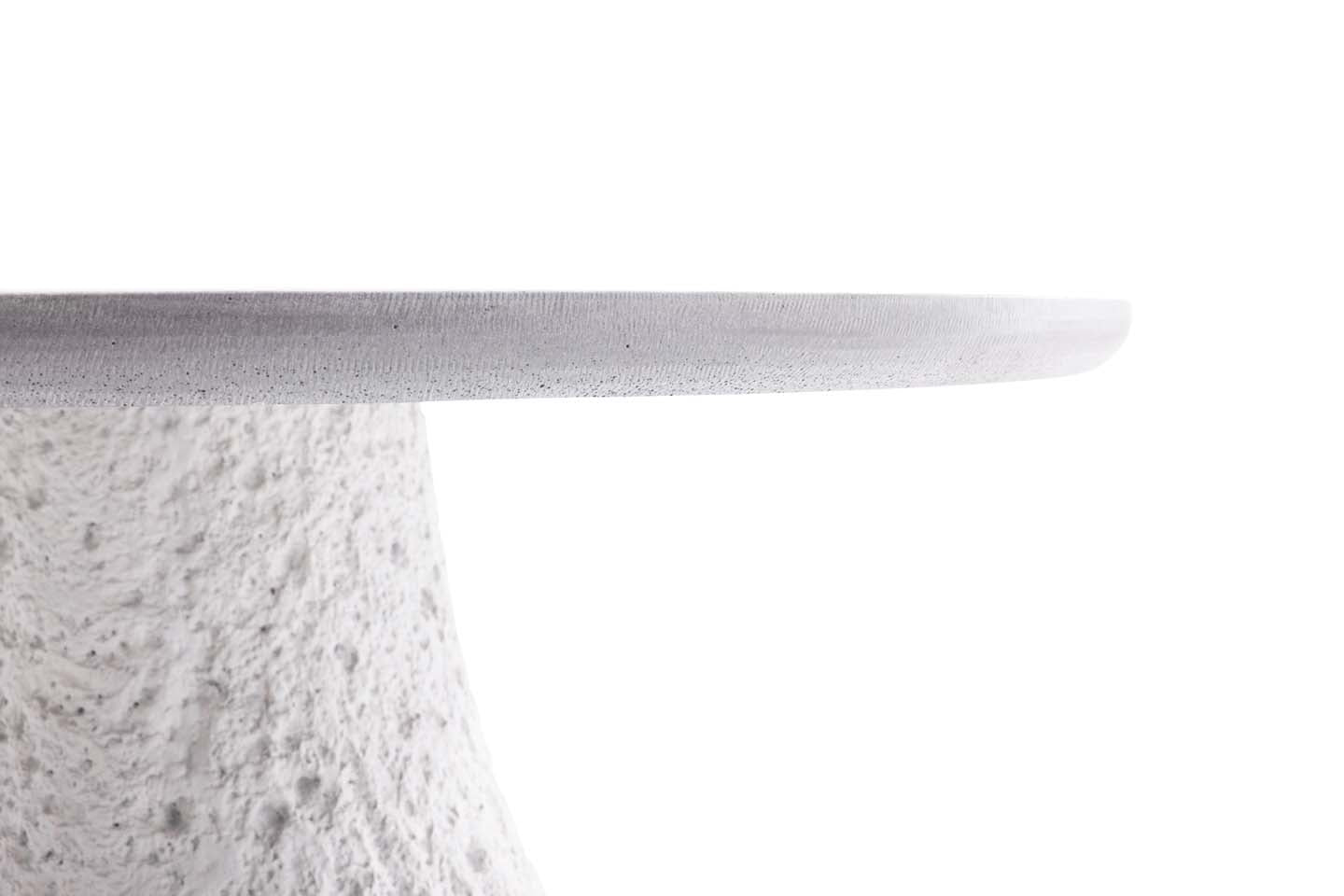
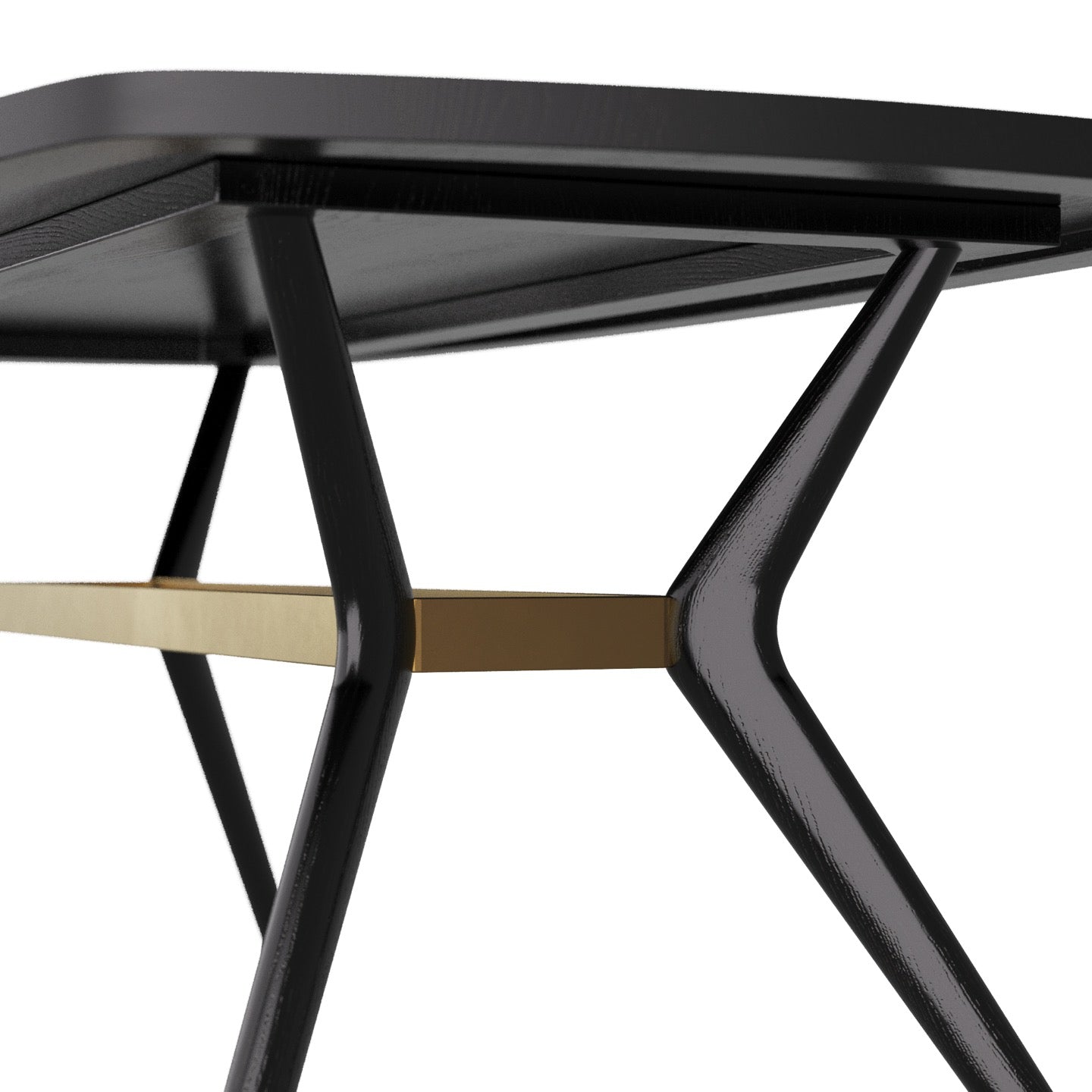
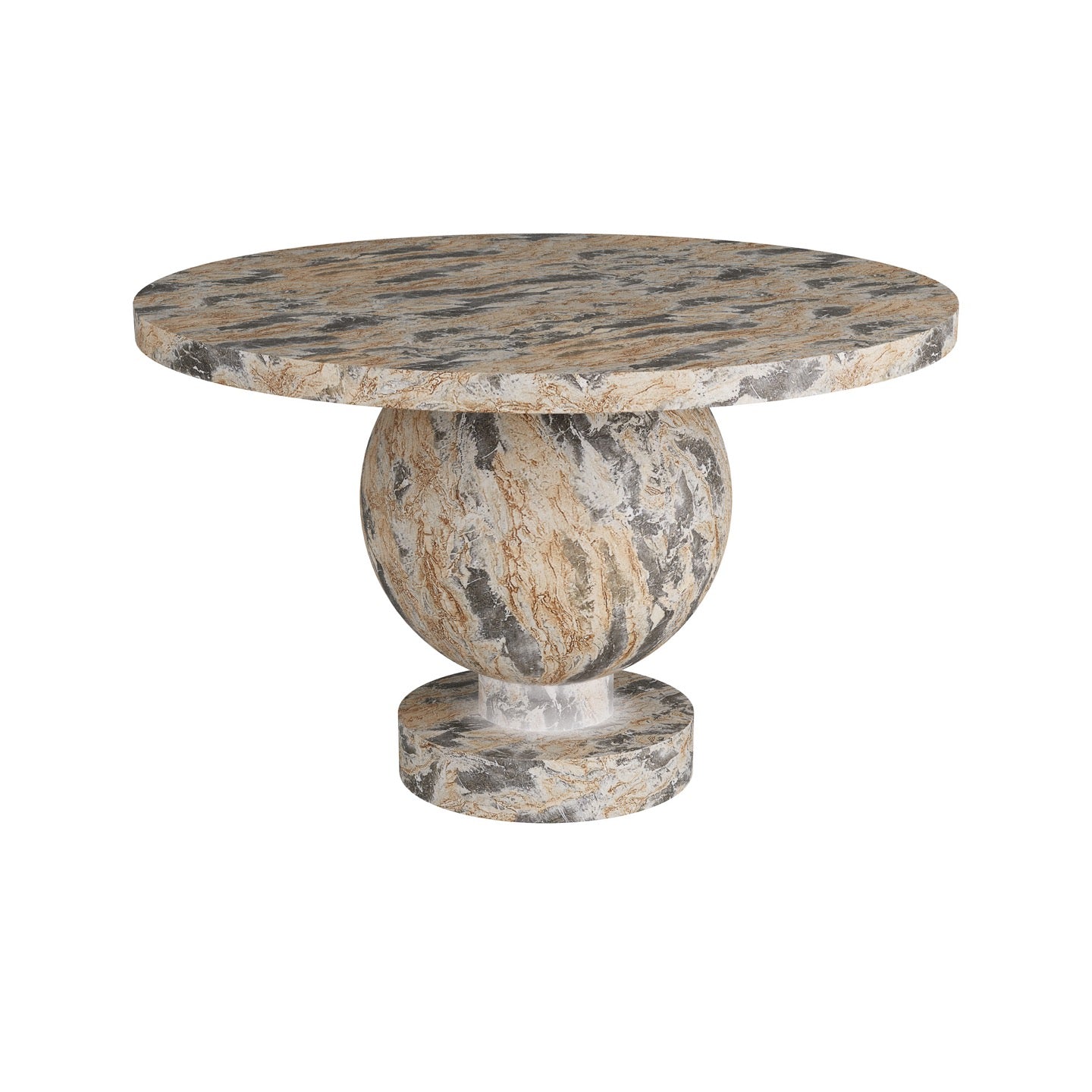
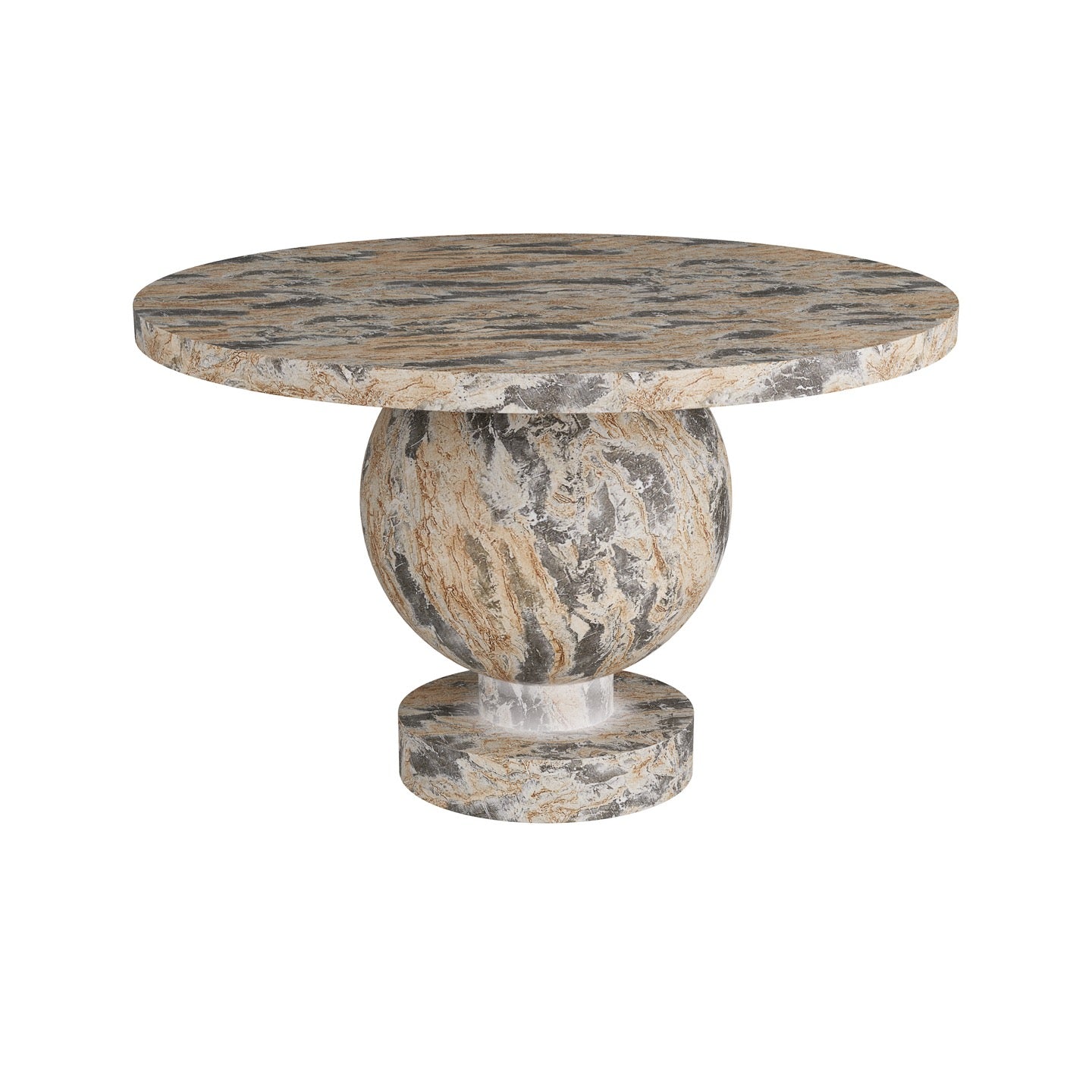
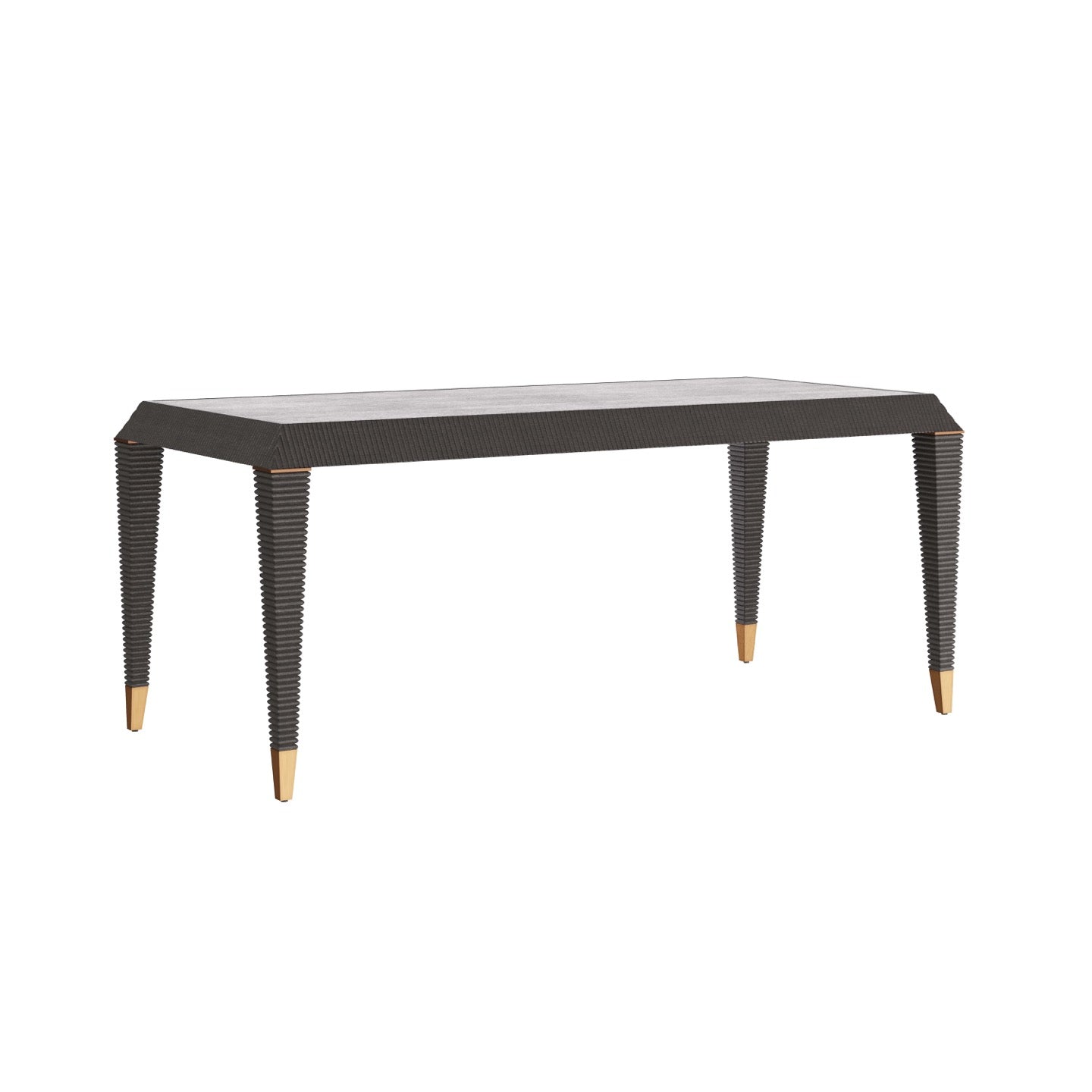
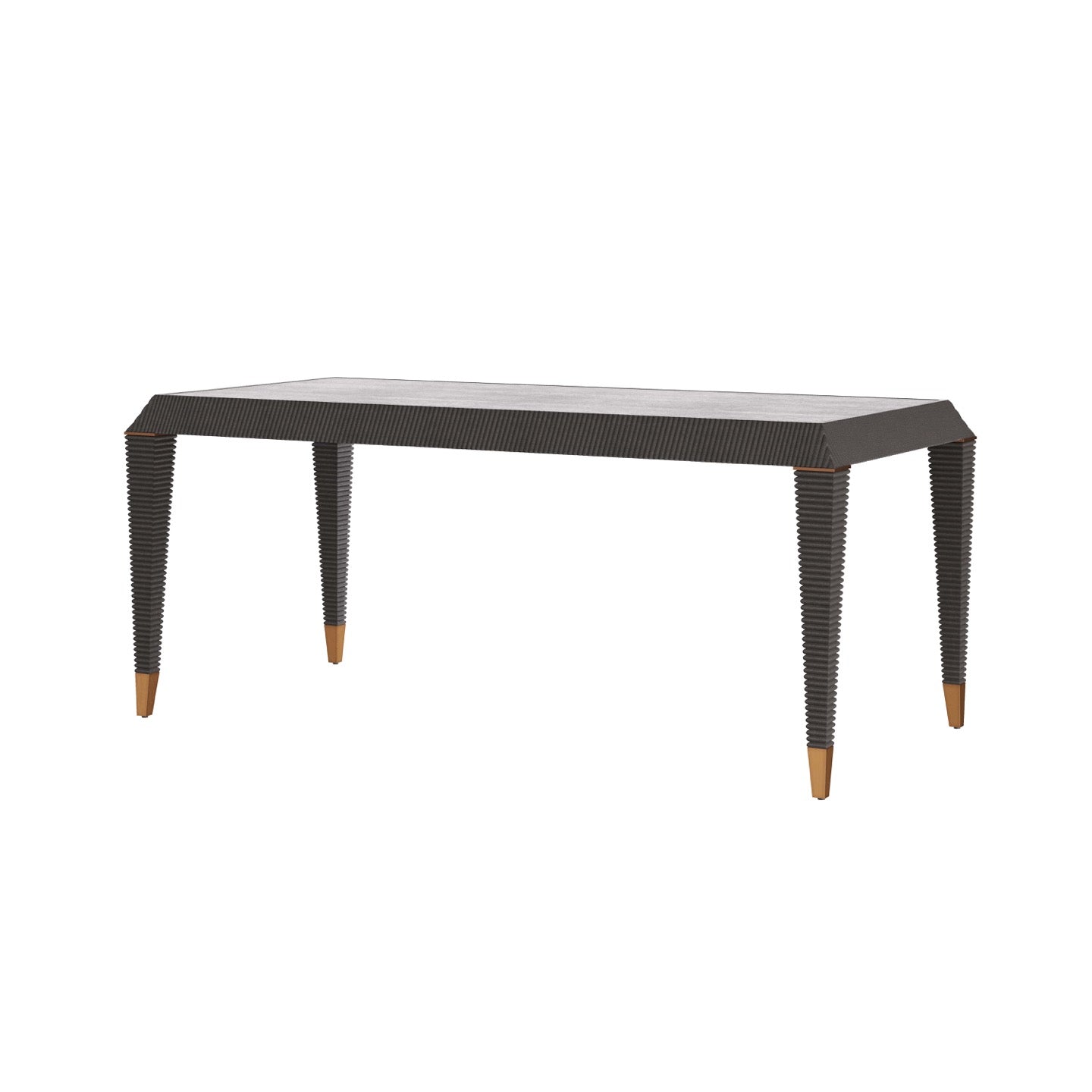
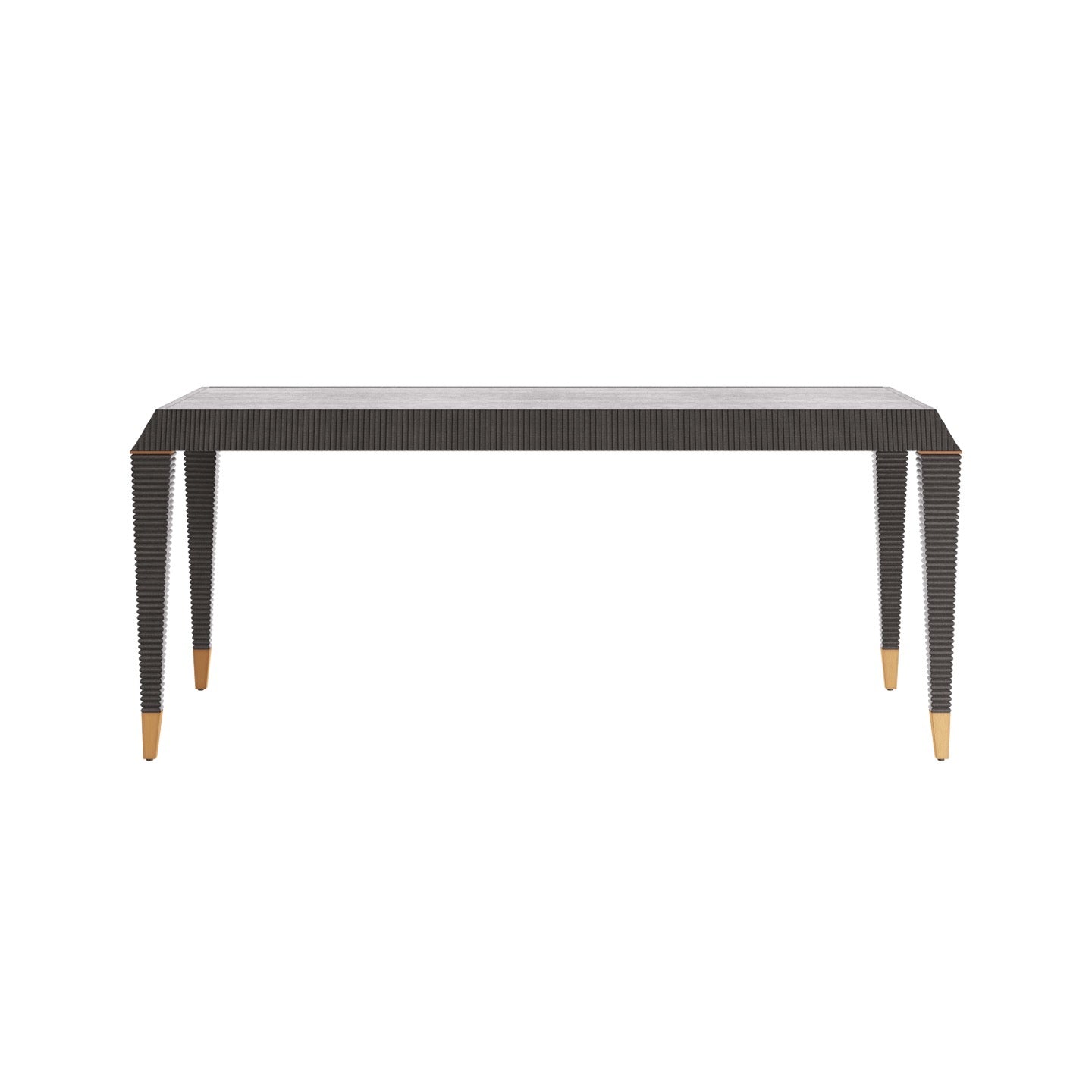
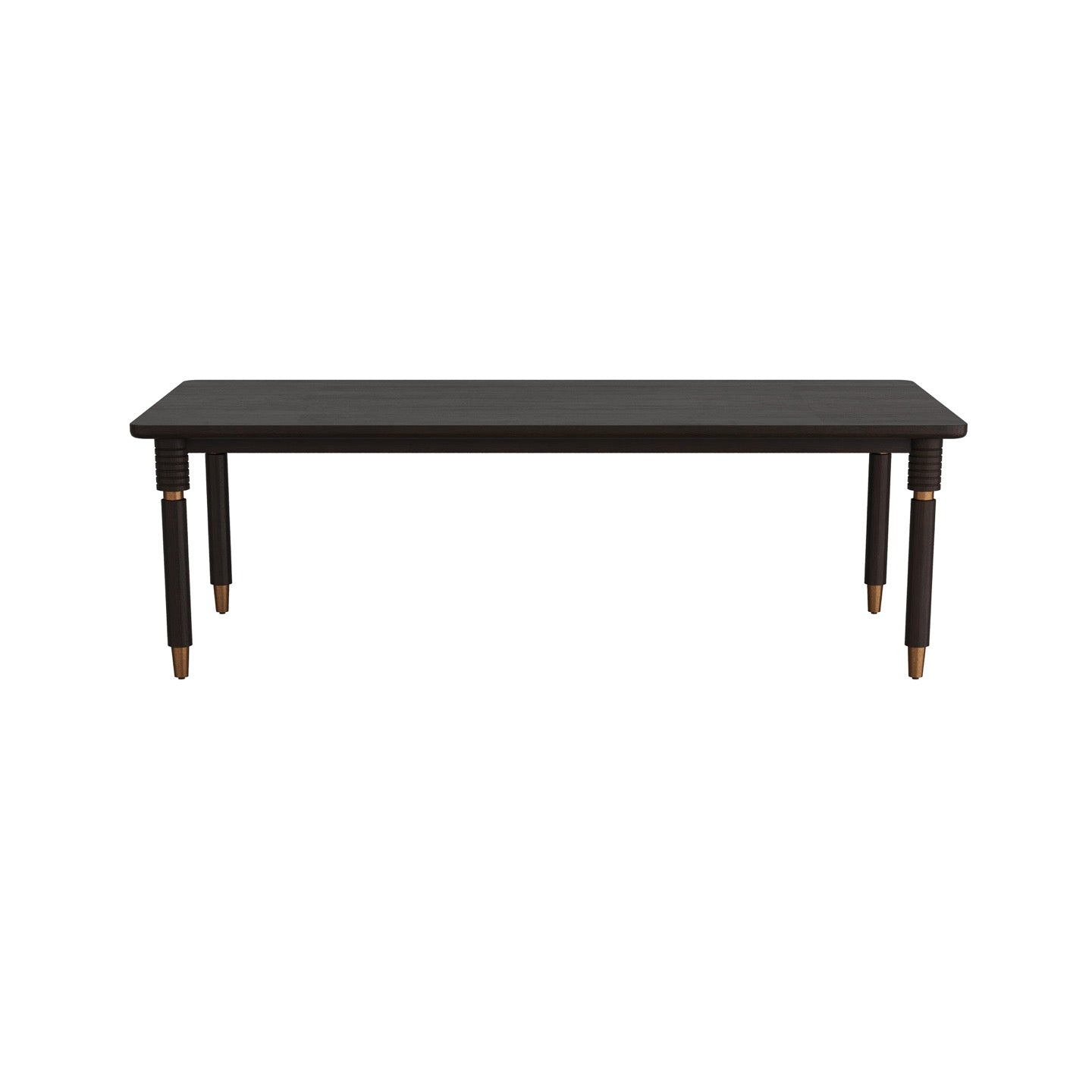
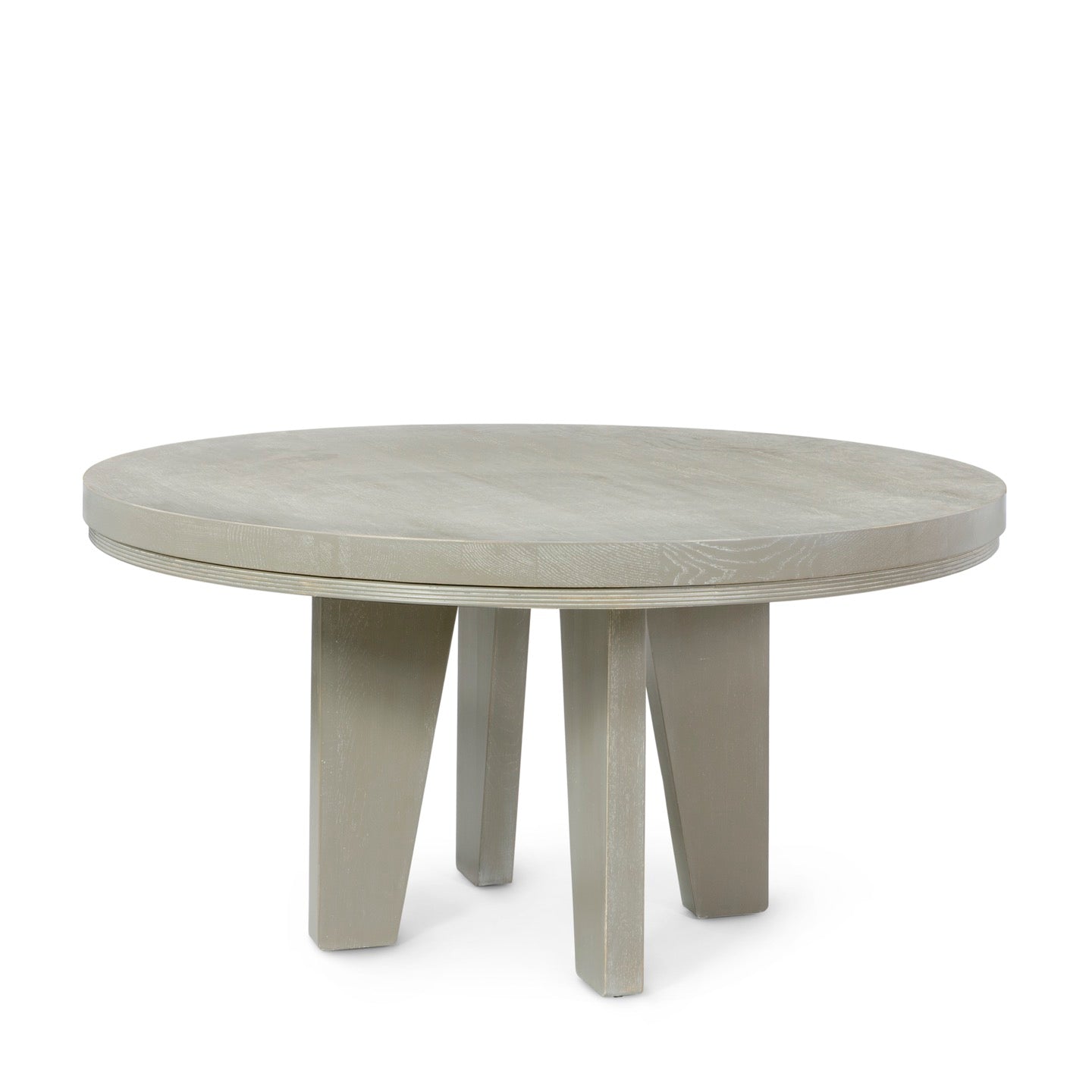
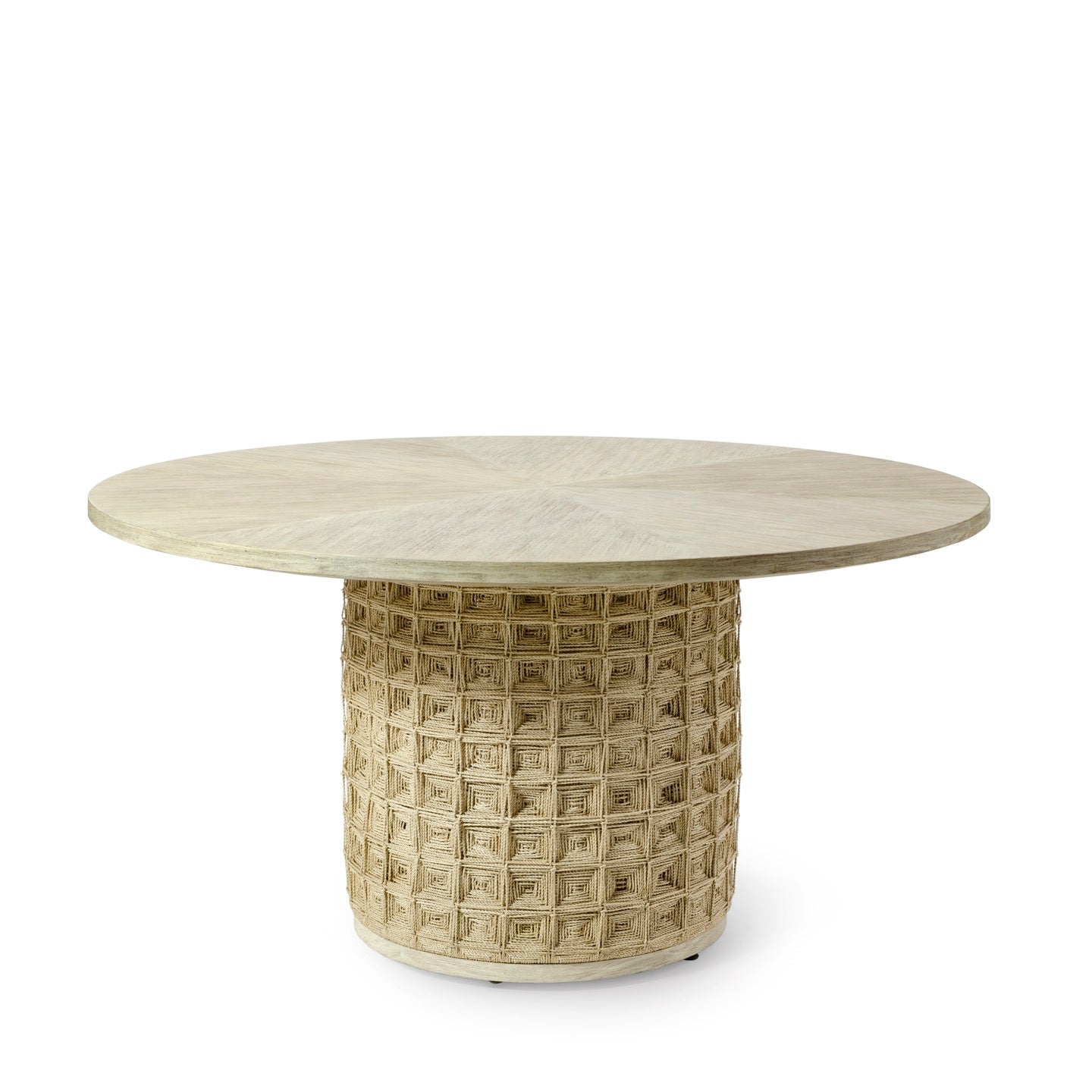
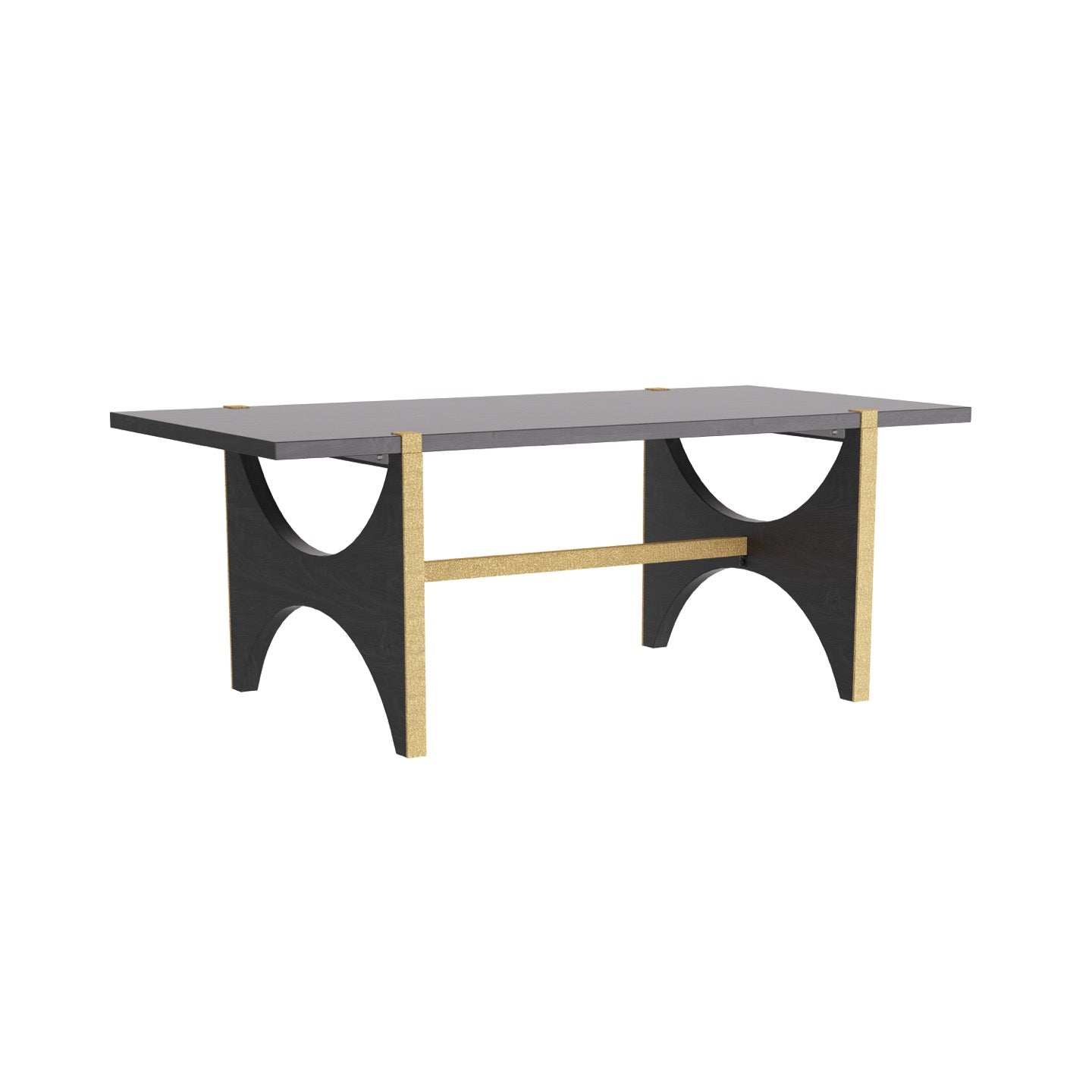
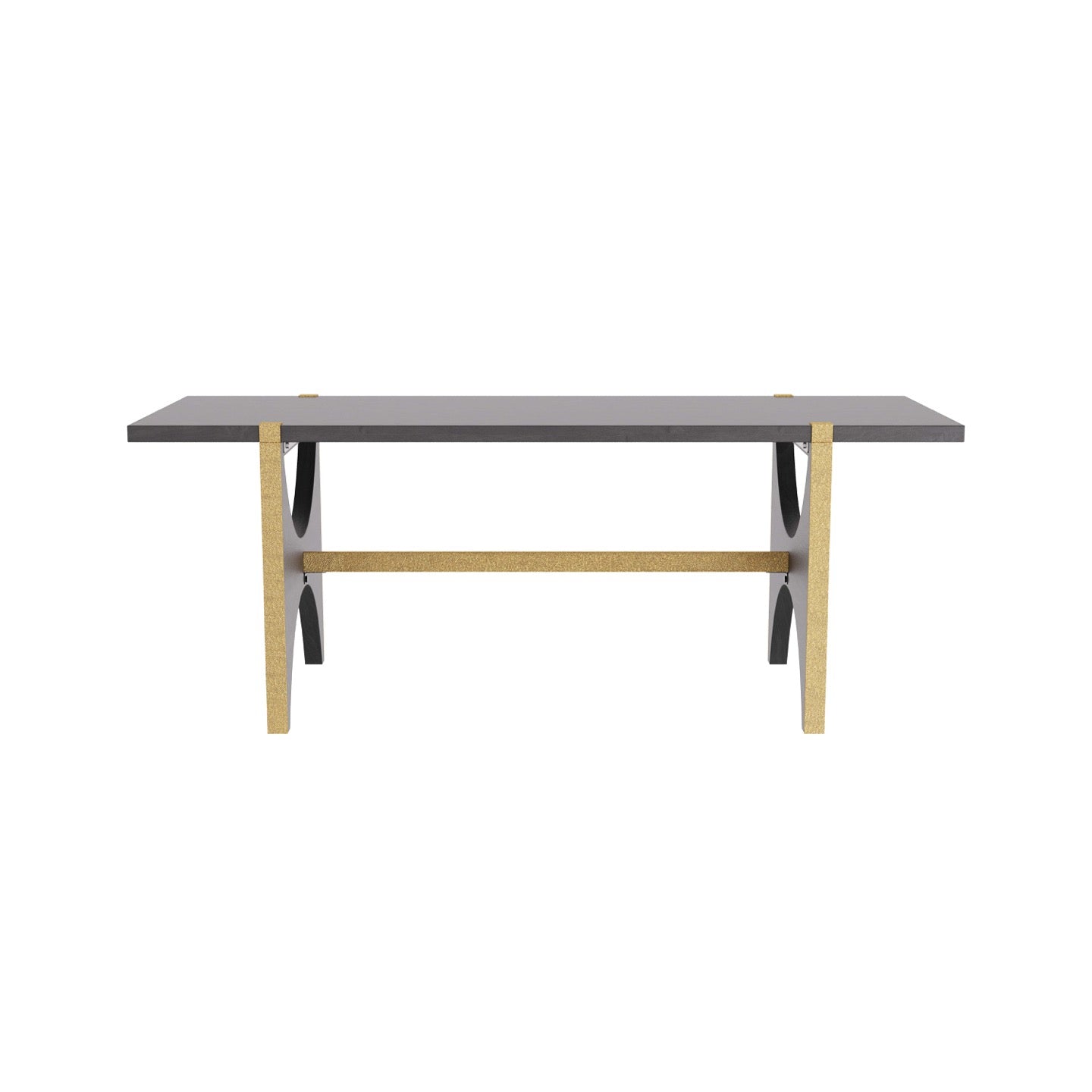
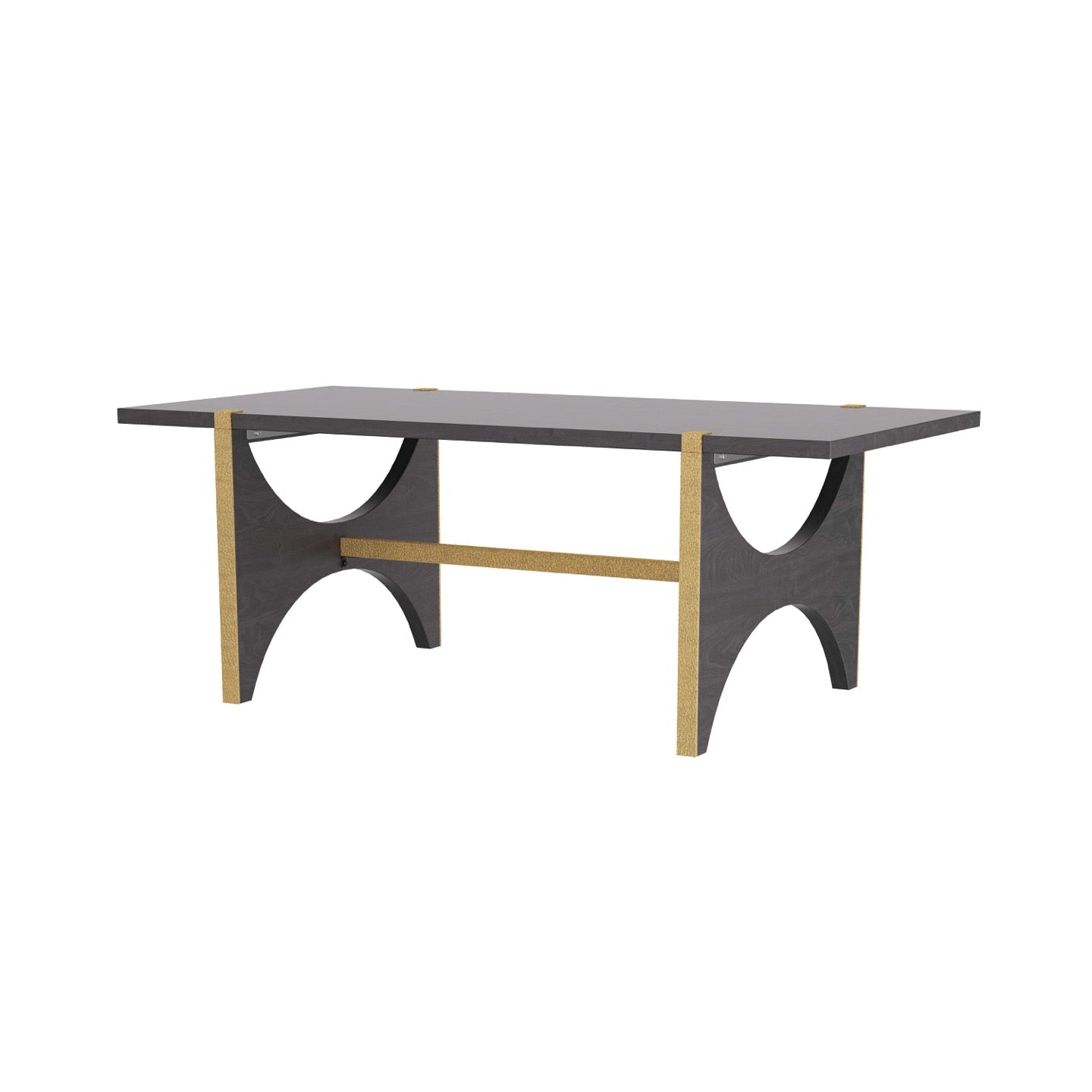
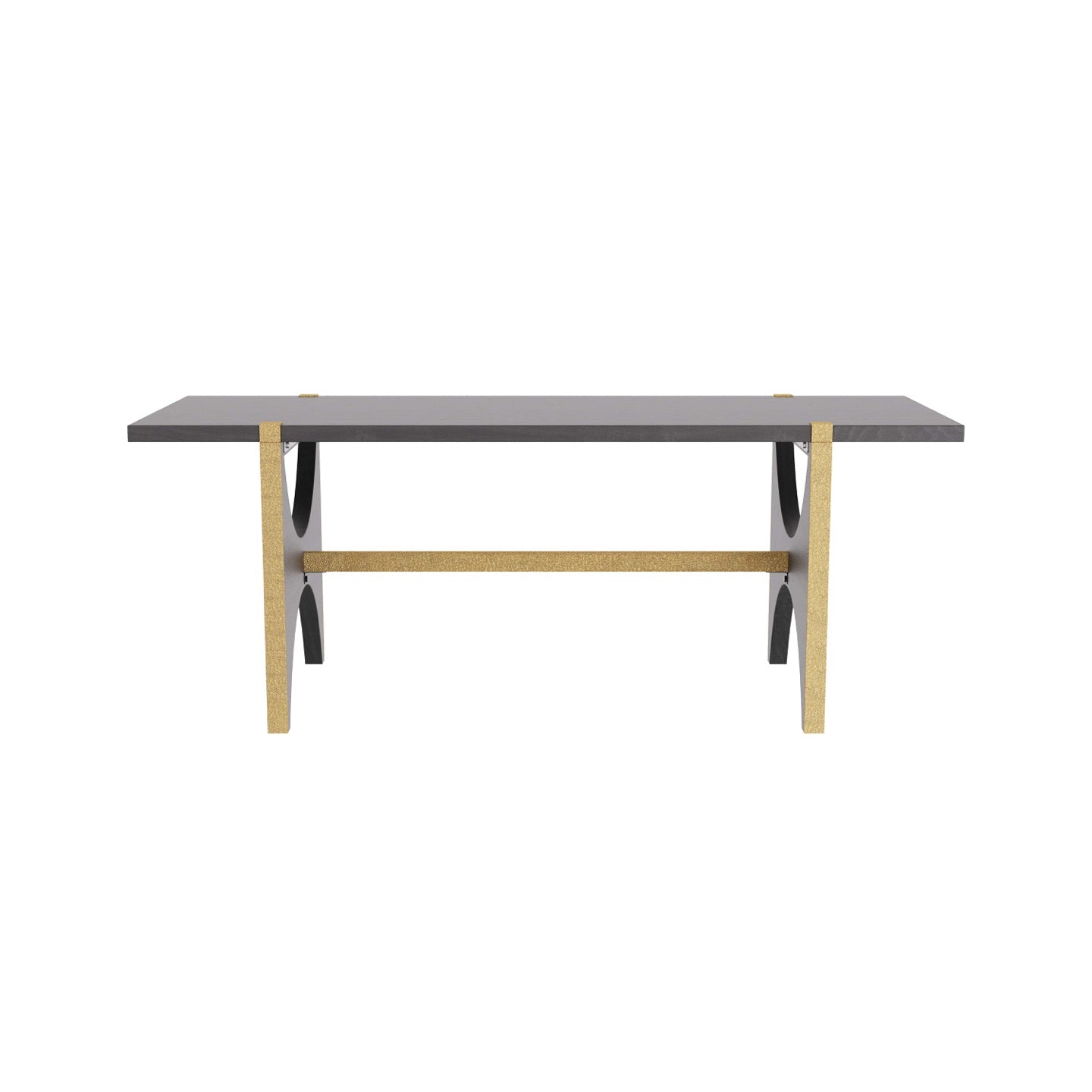
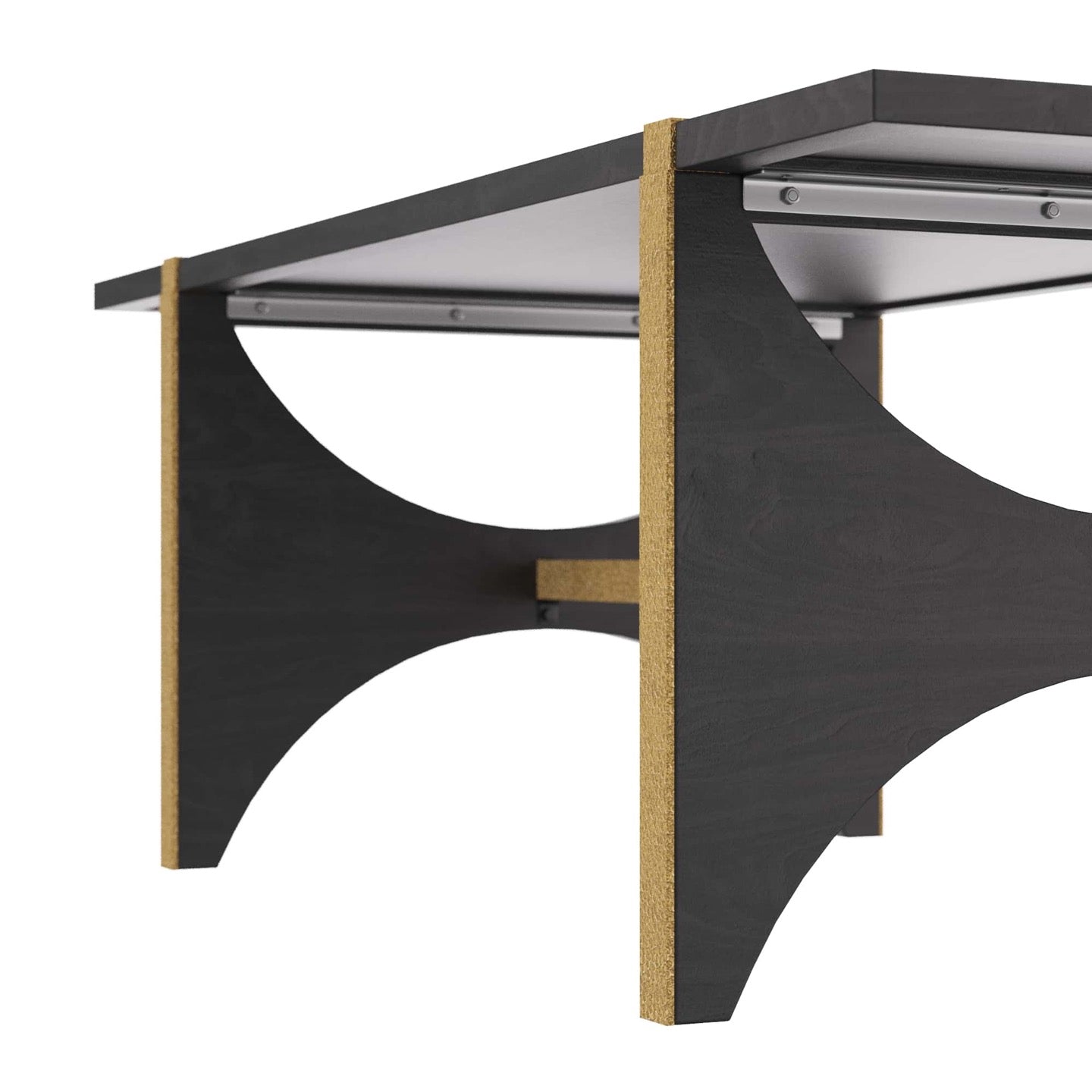
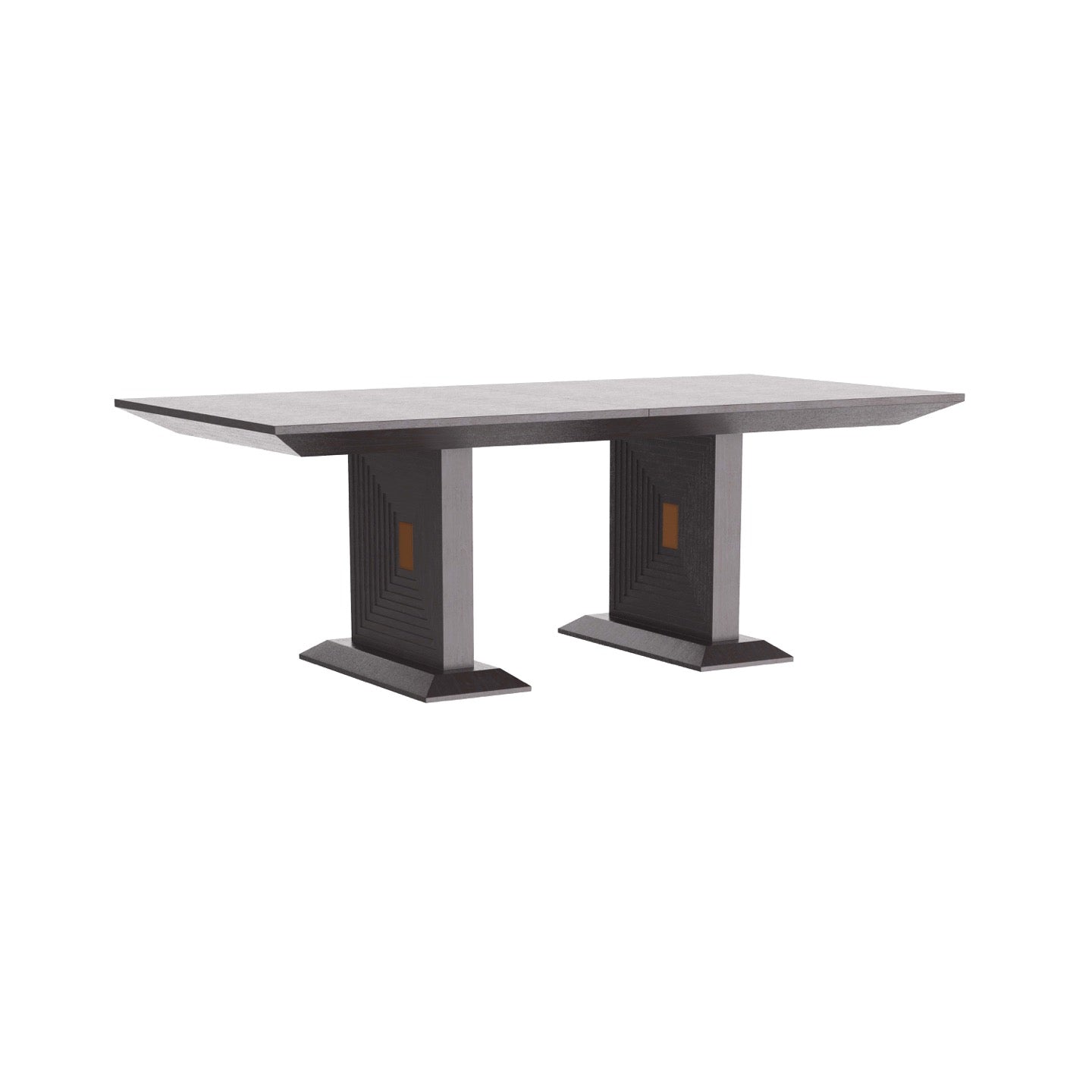
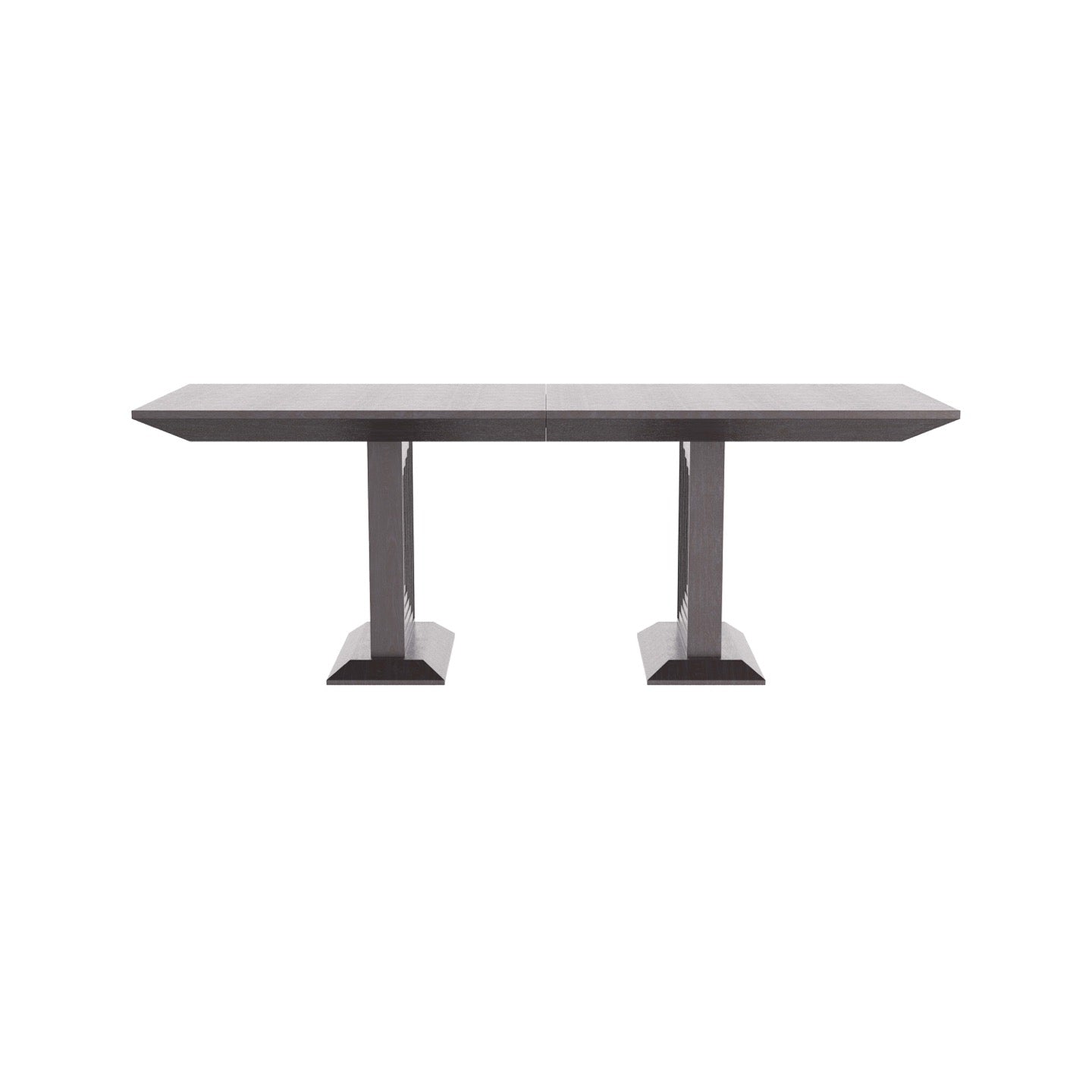
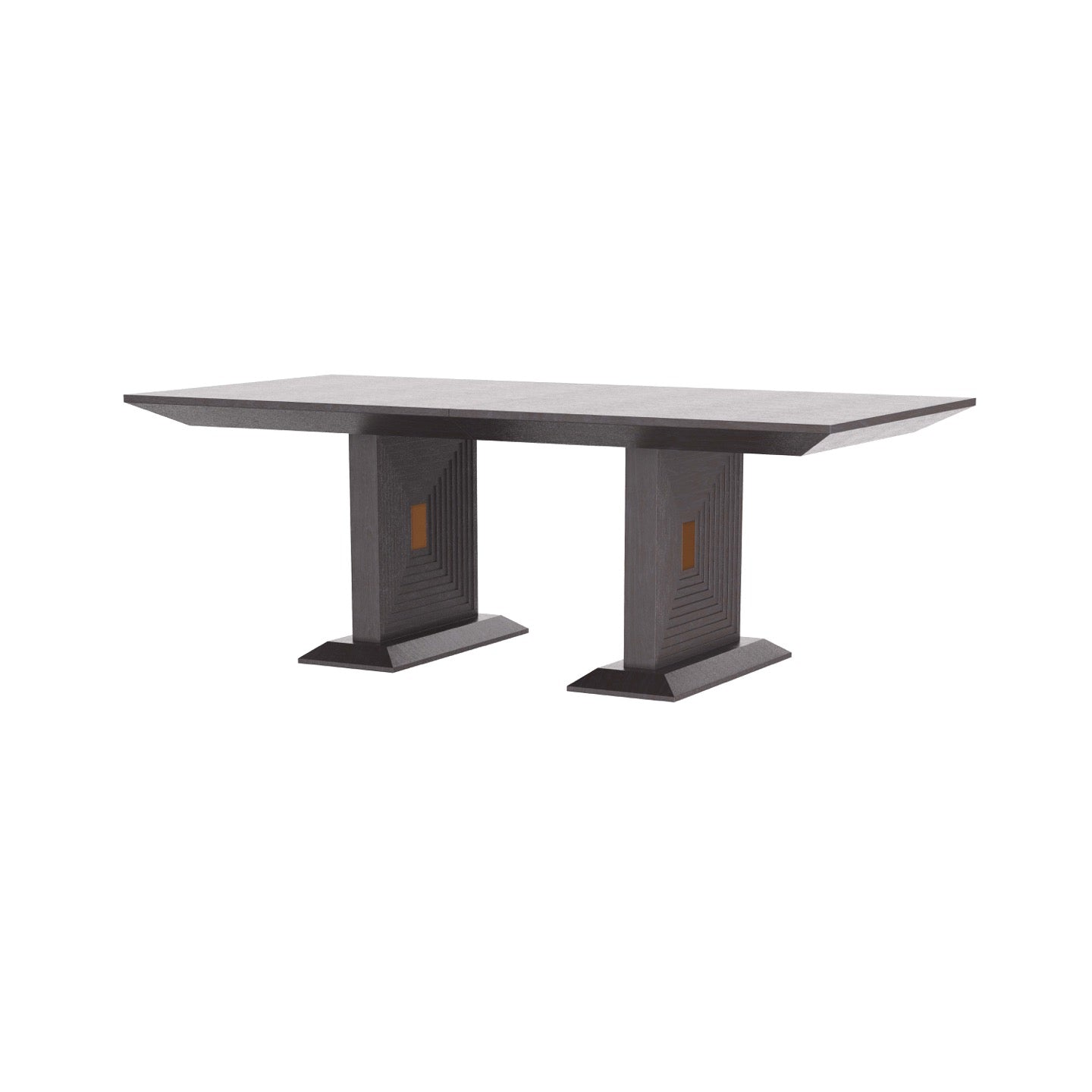
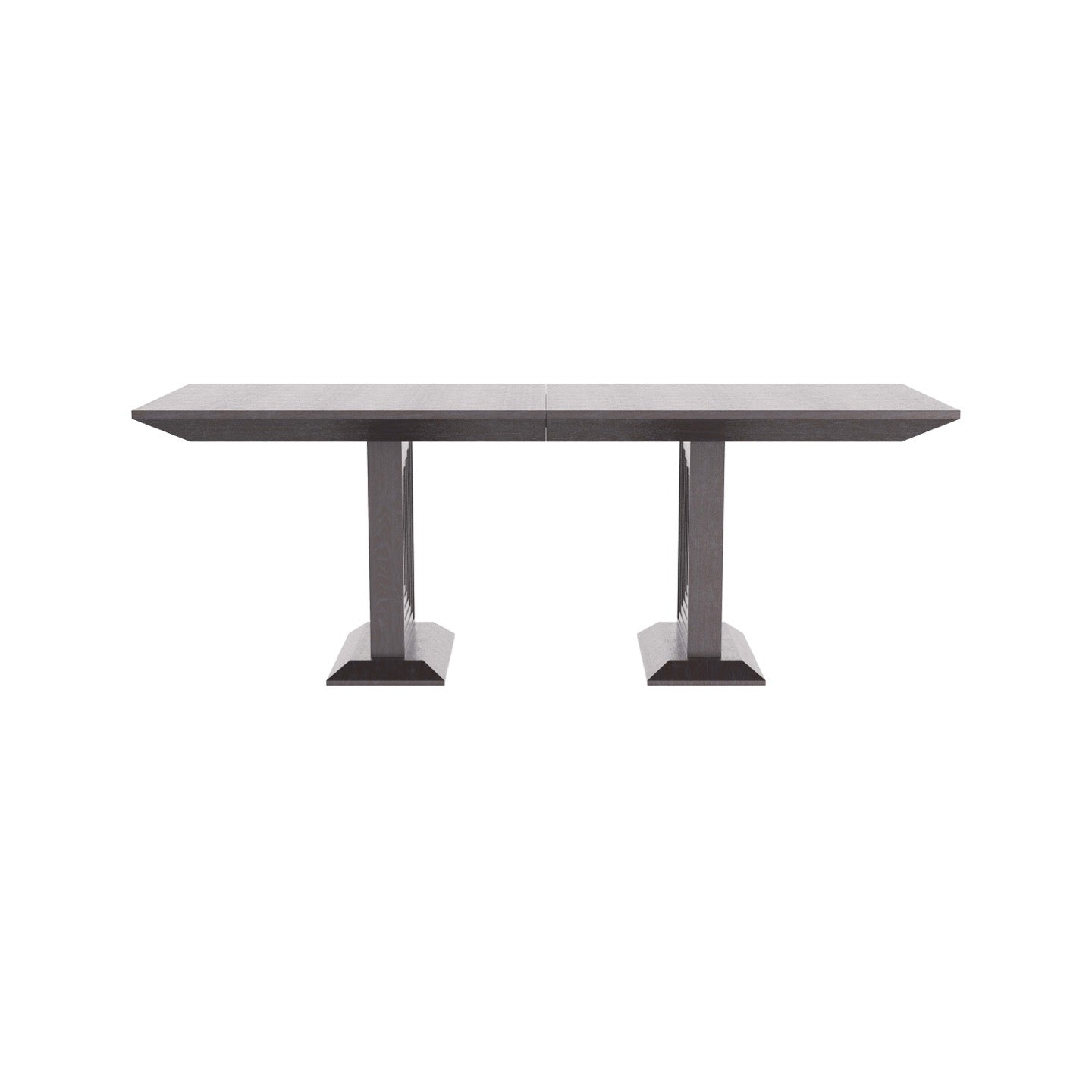
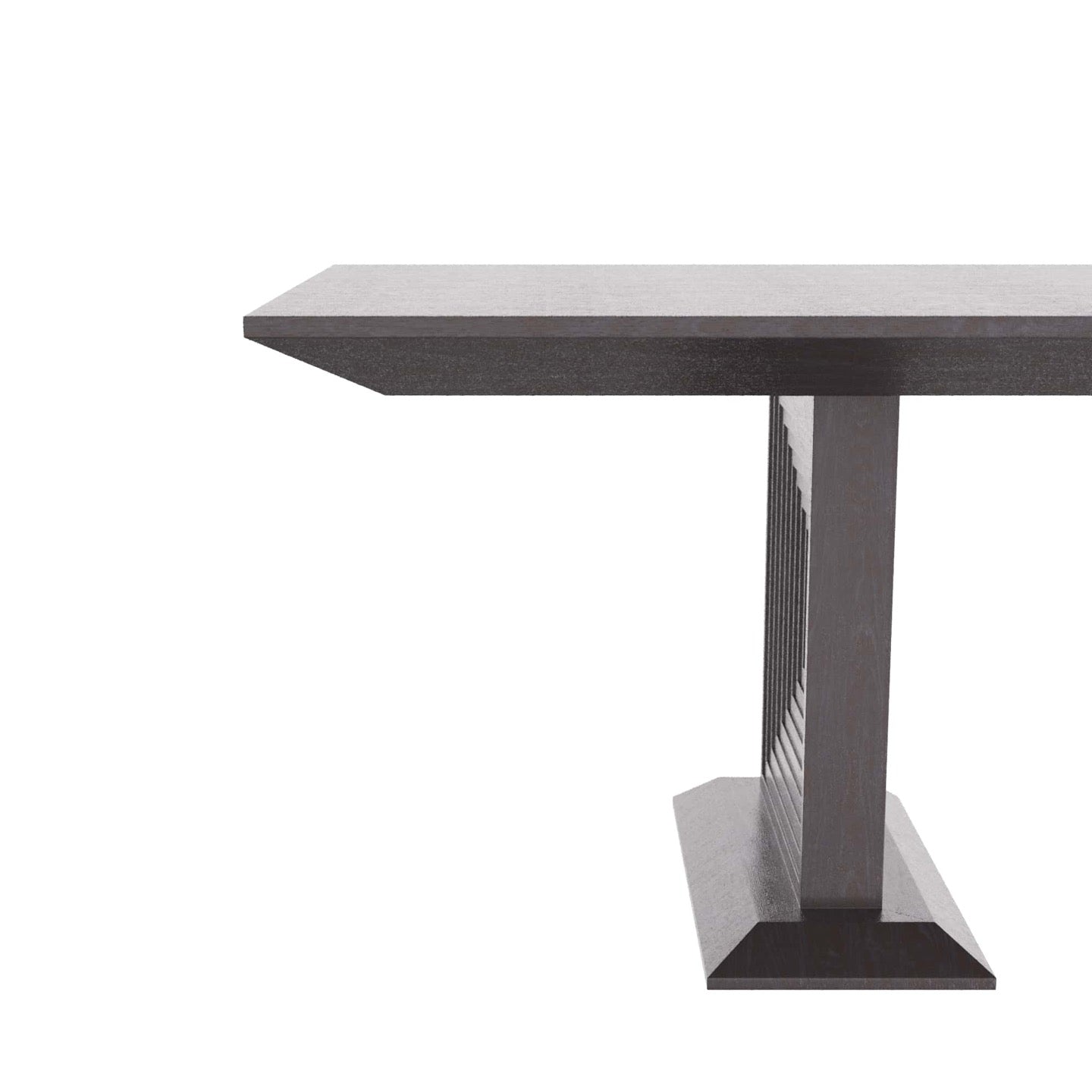
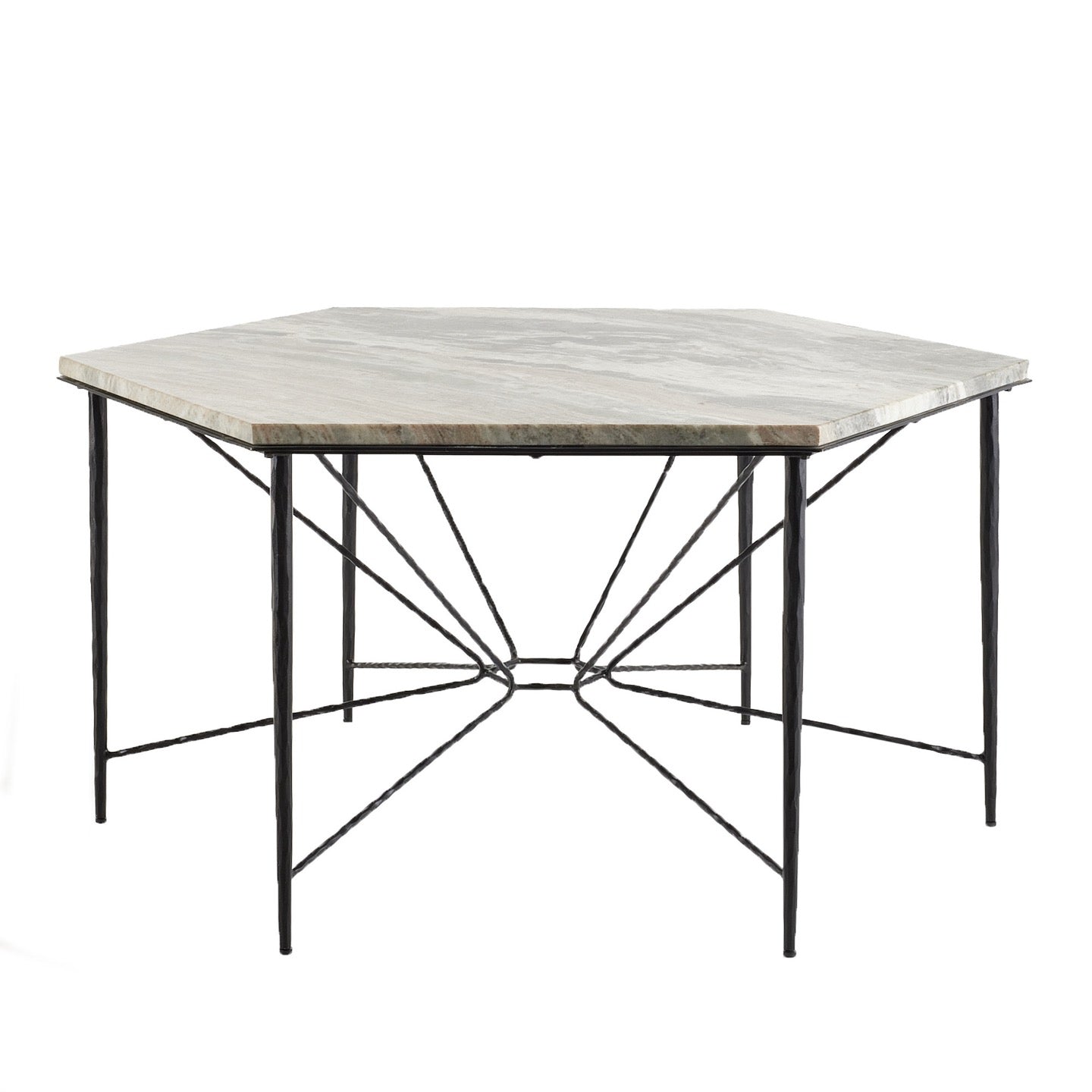
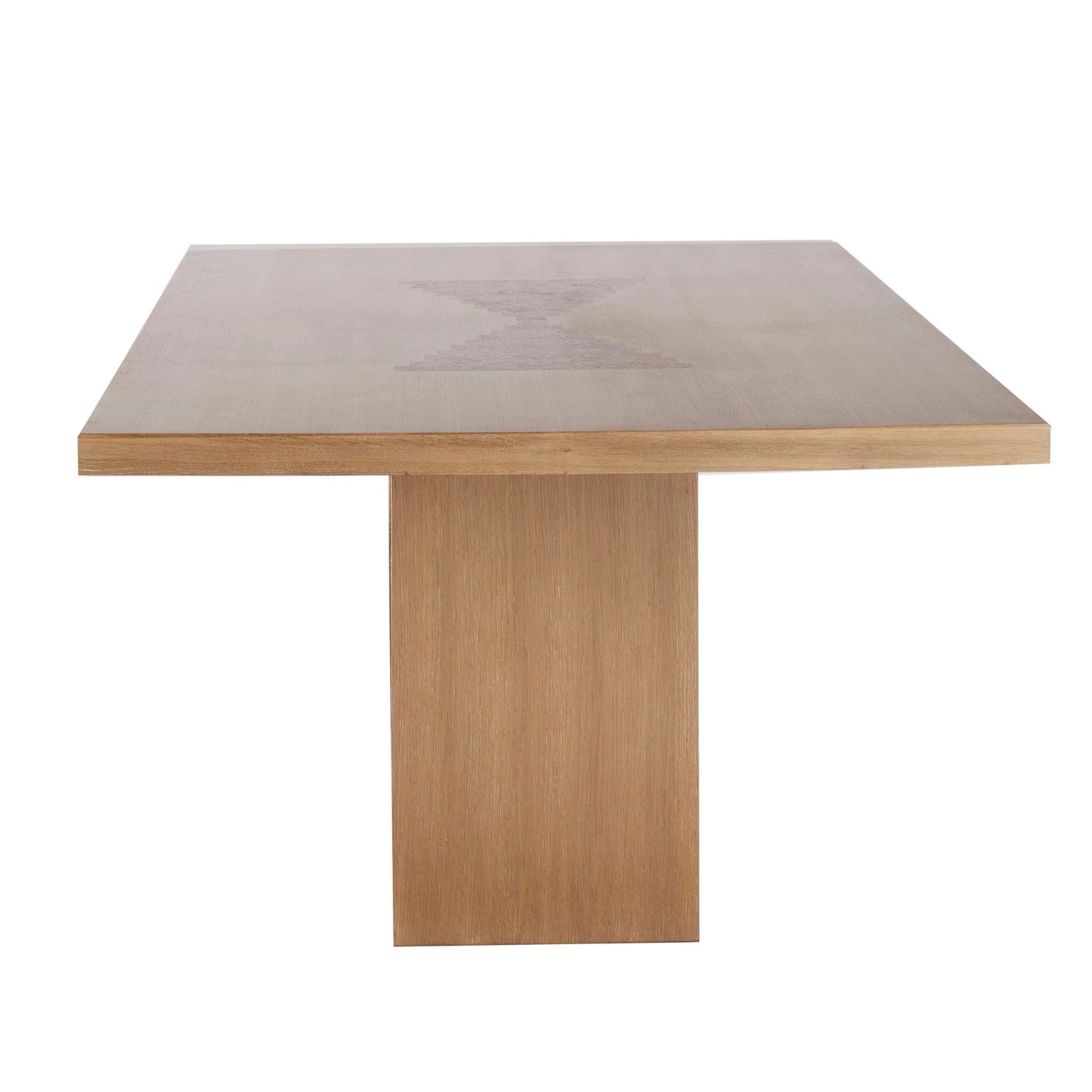
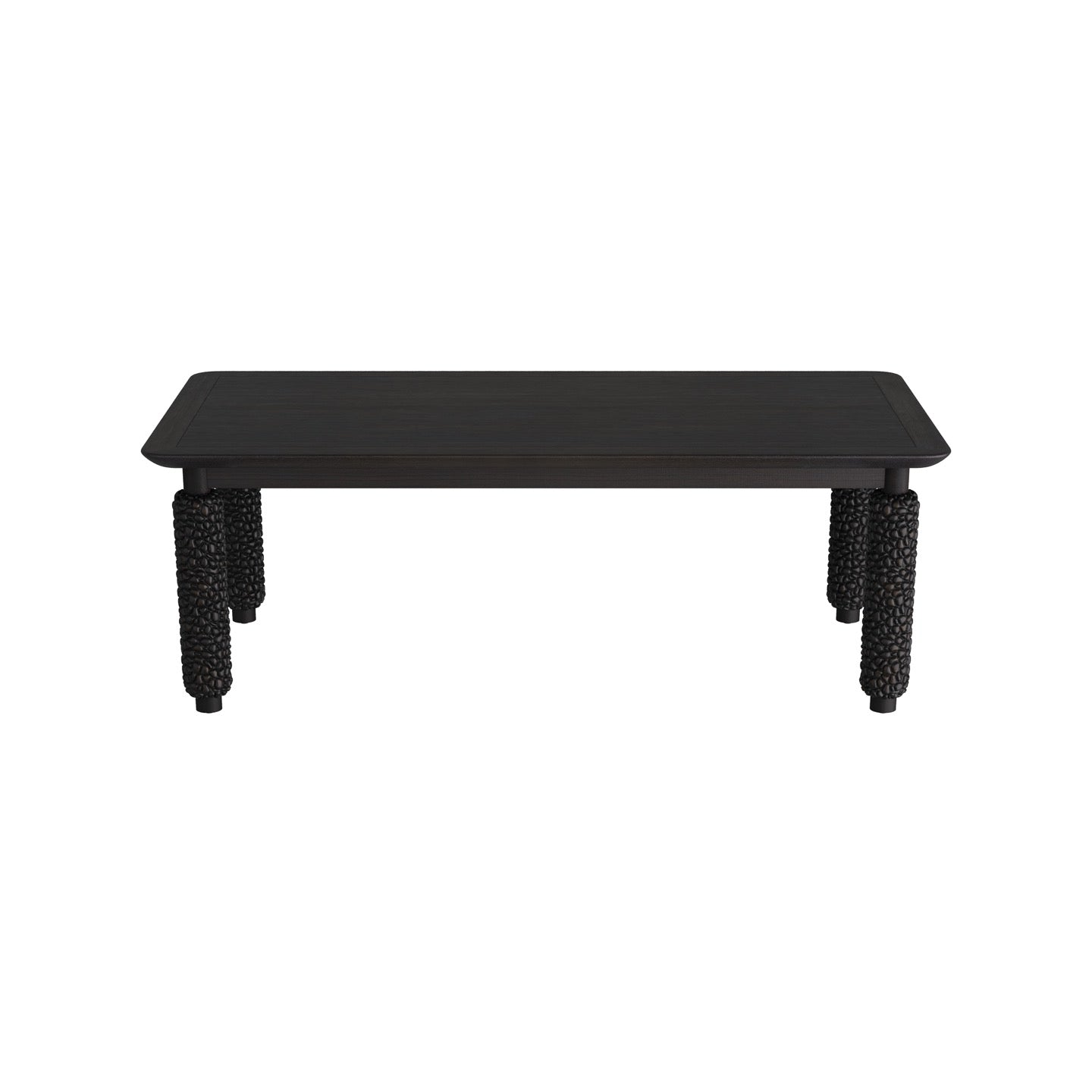
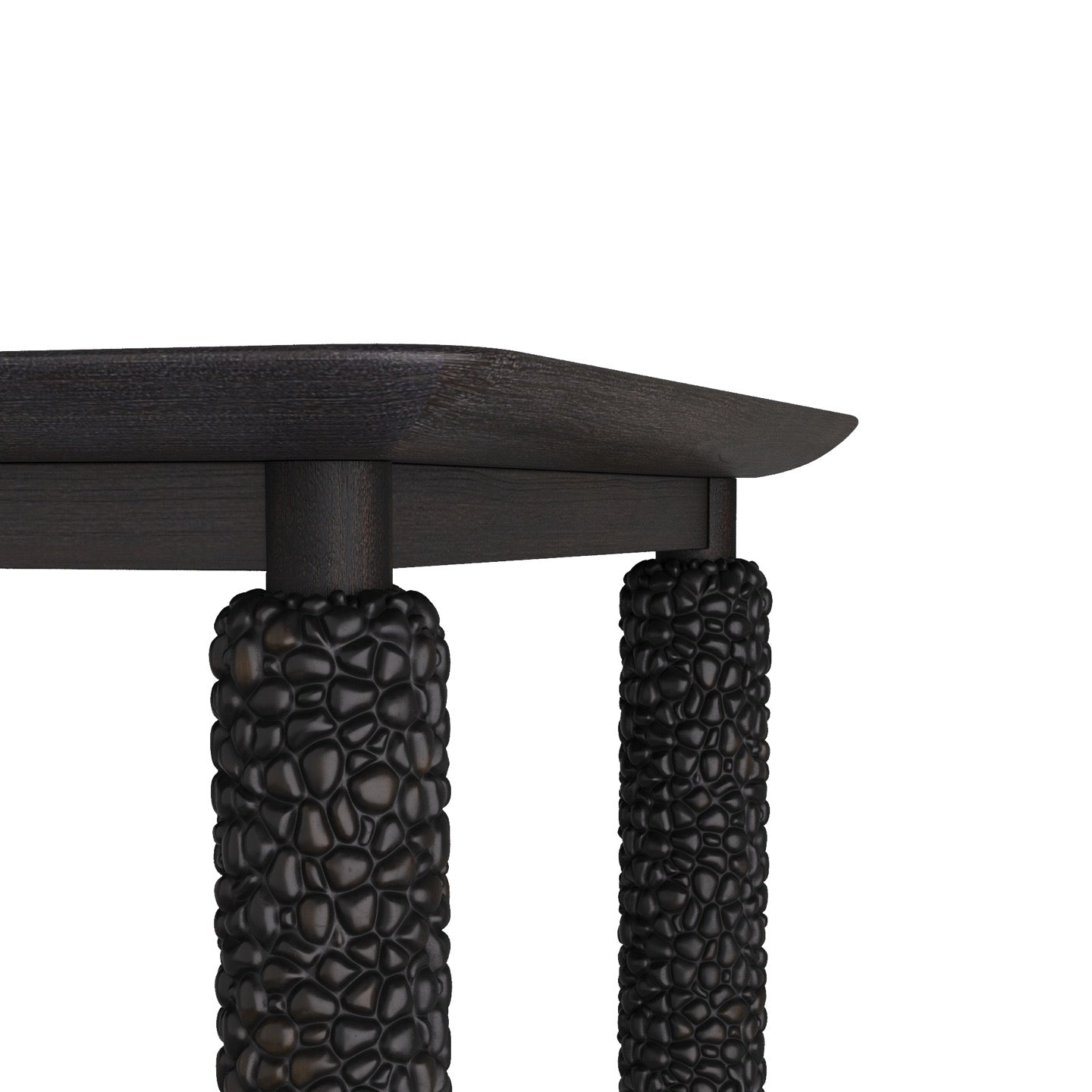
Pedestal bases often improve seating flexibility, while multiple legs or trestle forms create a stronger architectural rhythm and need closer checking against chair positions.
Materials and craftsmanship
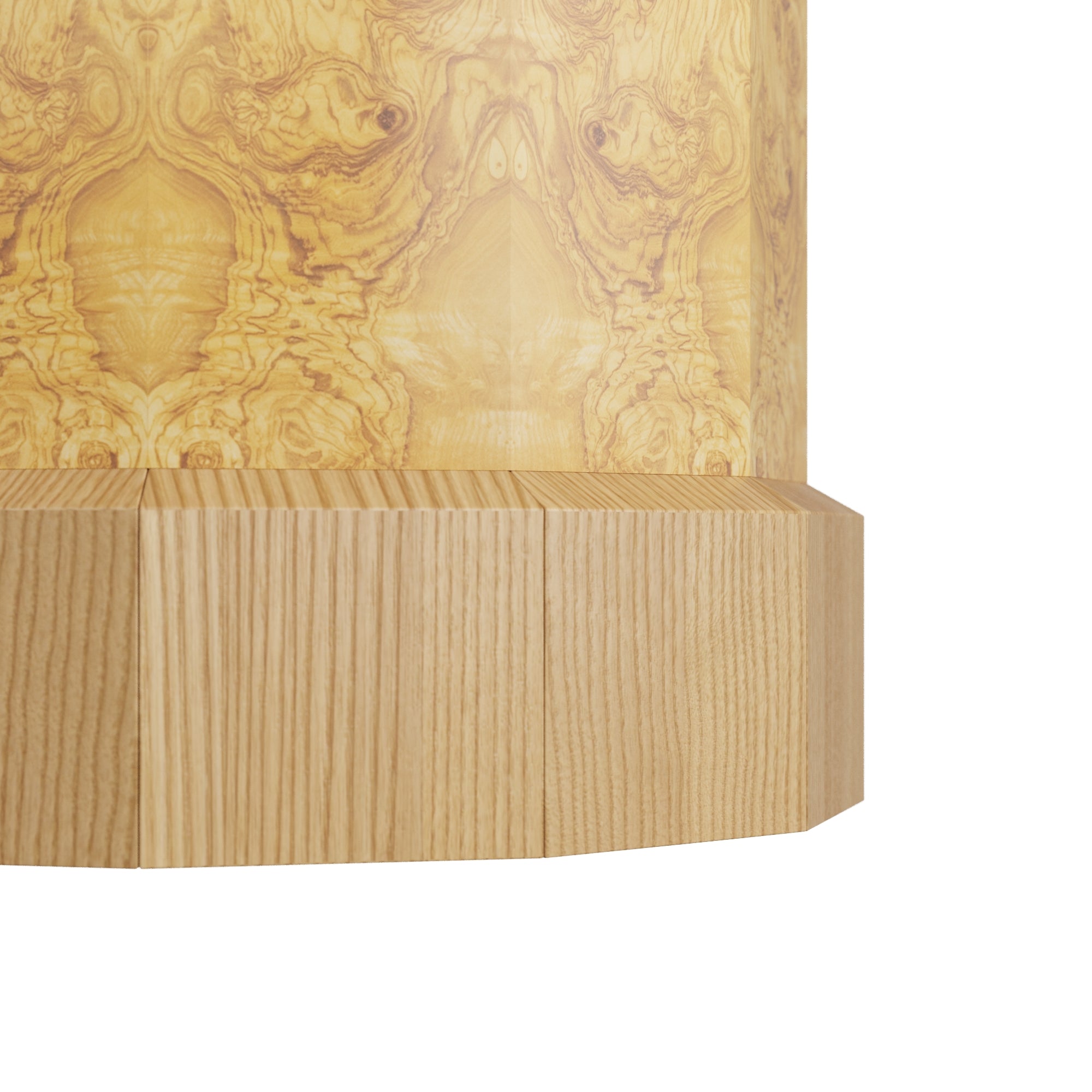
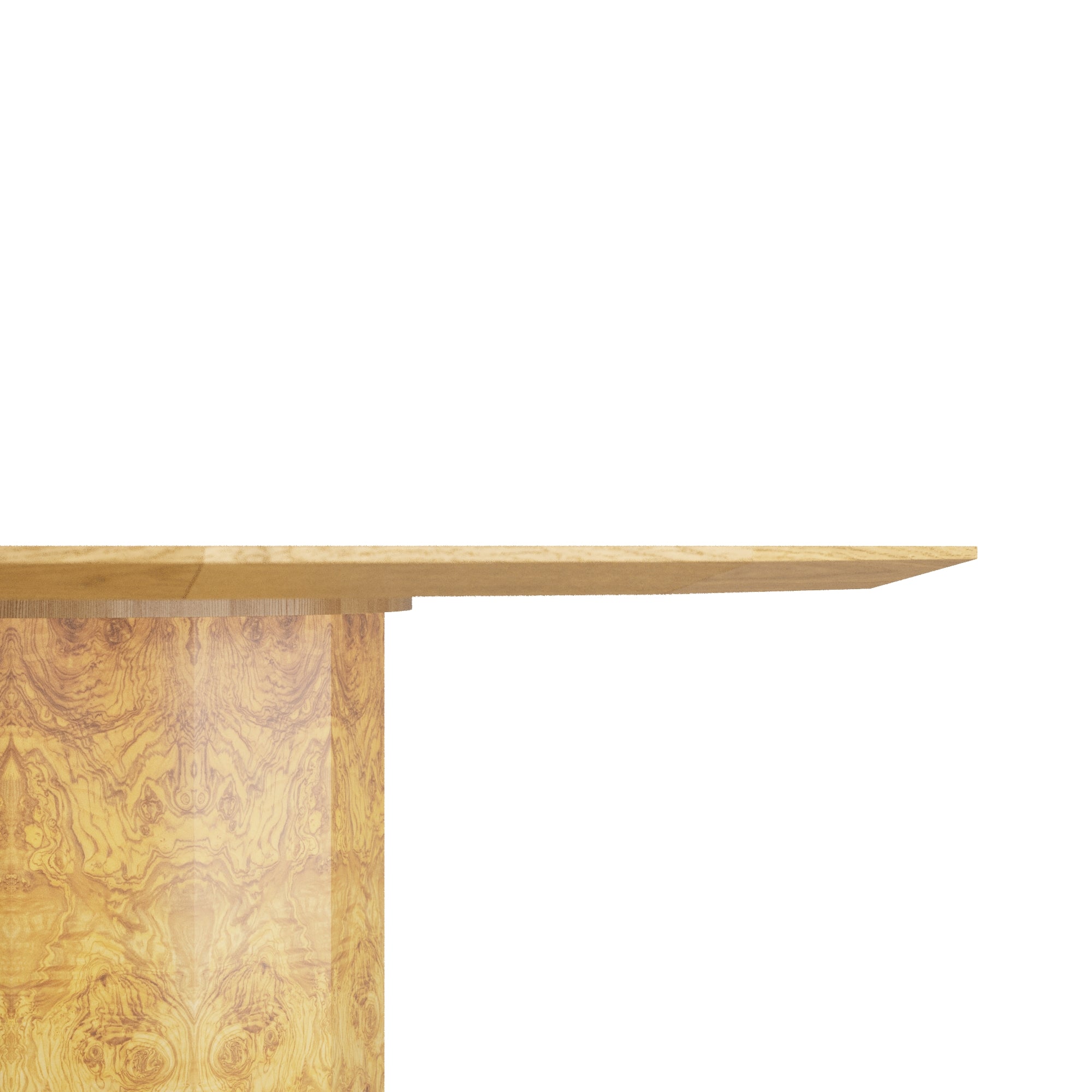
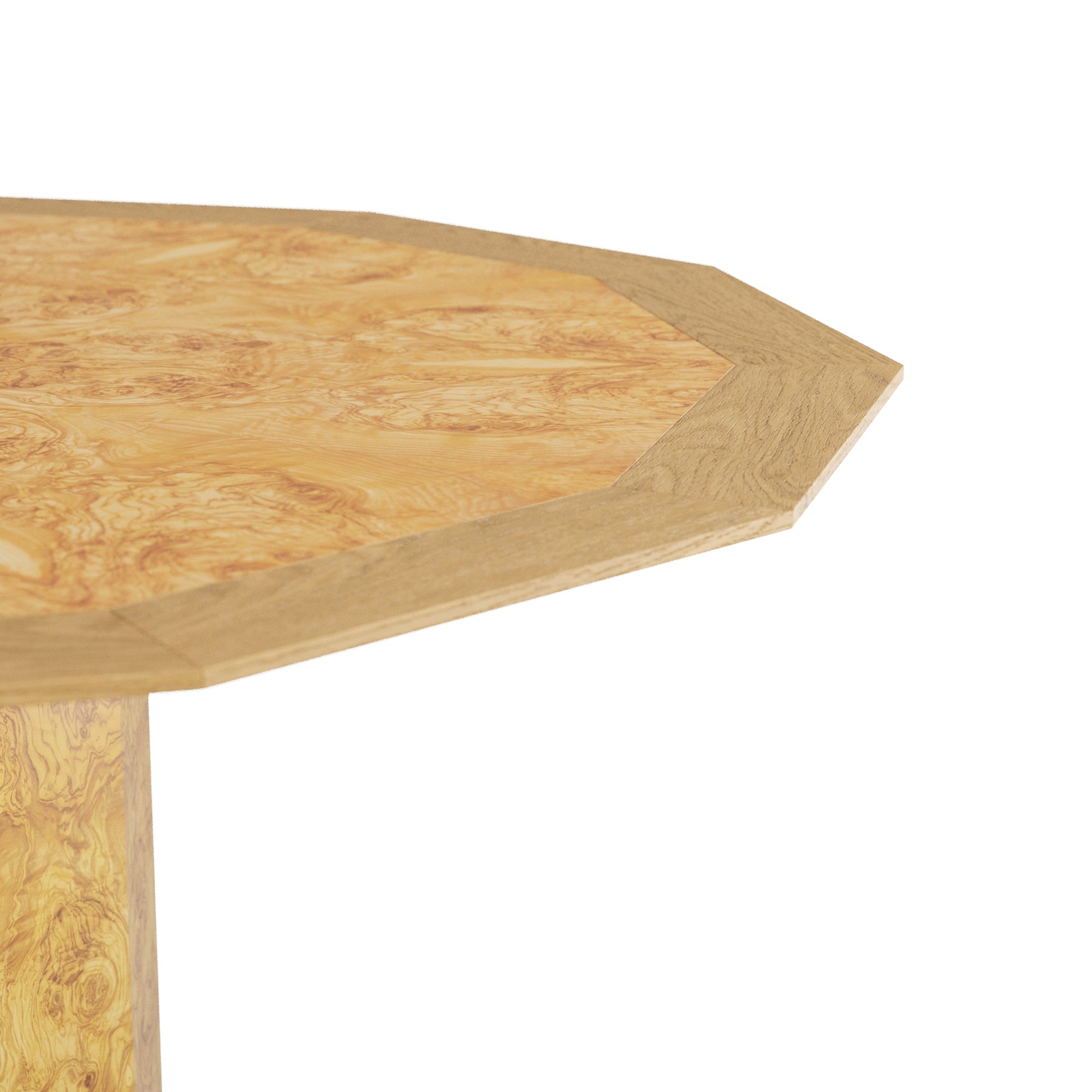
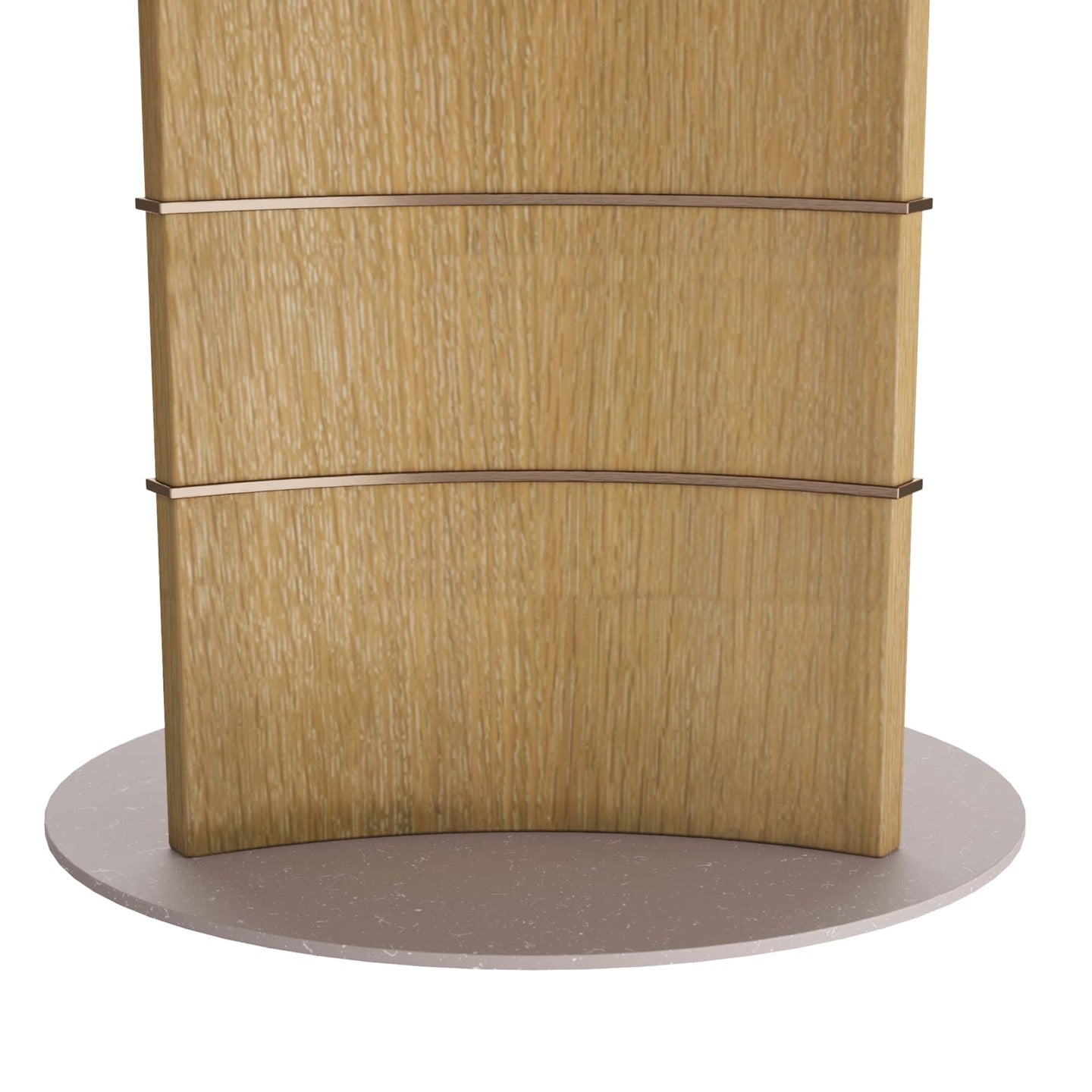
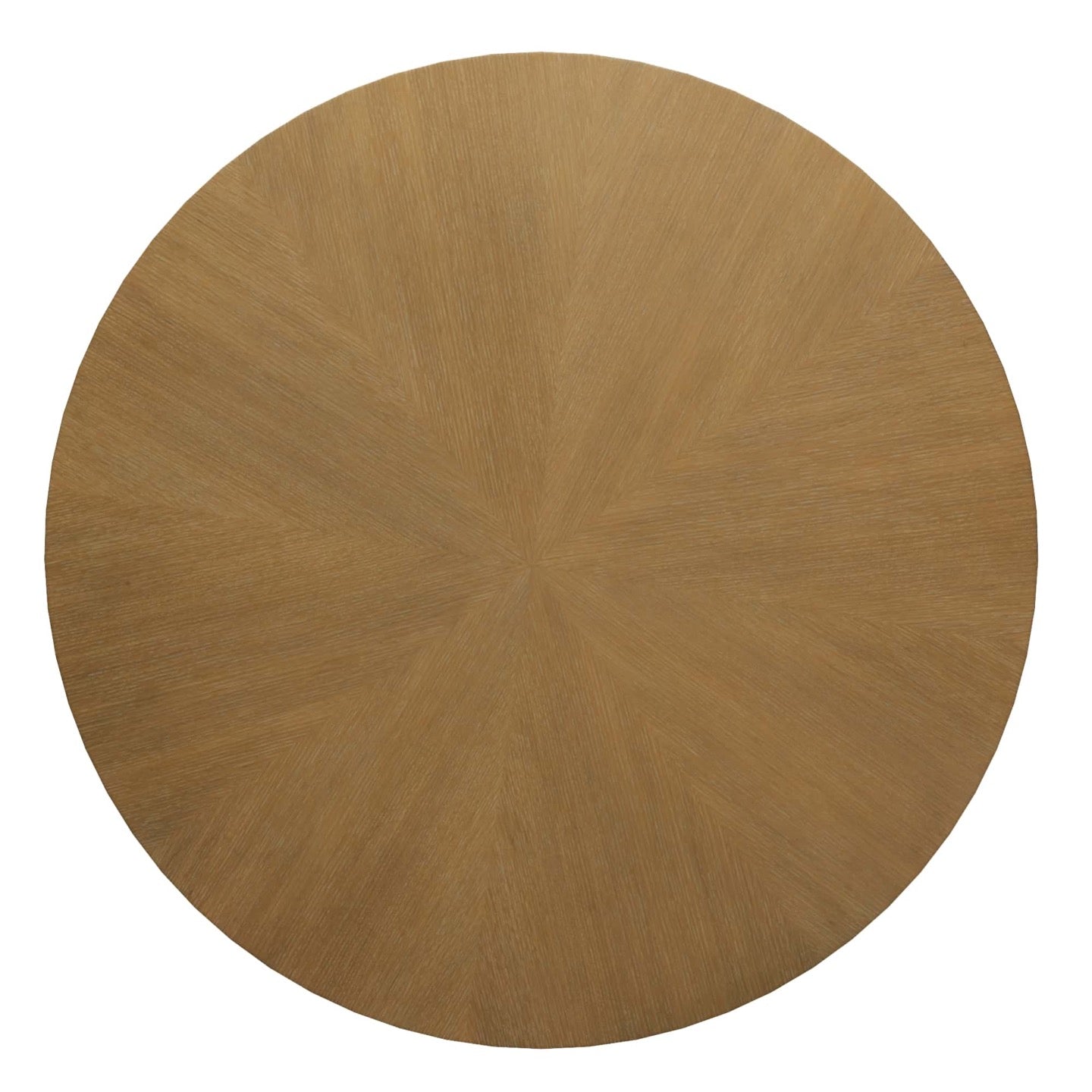
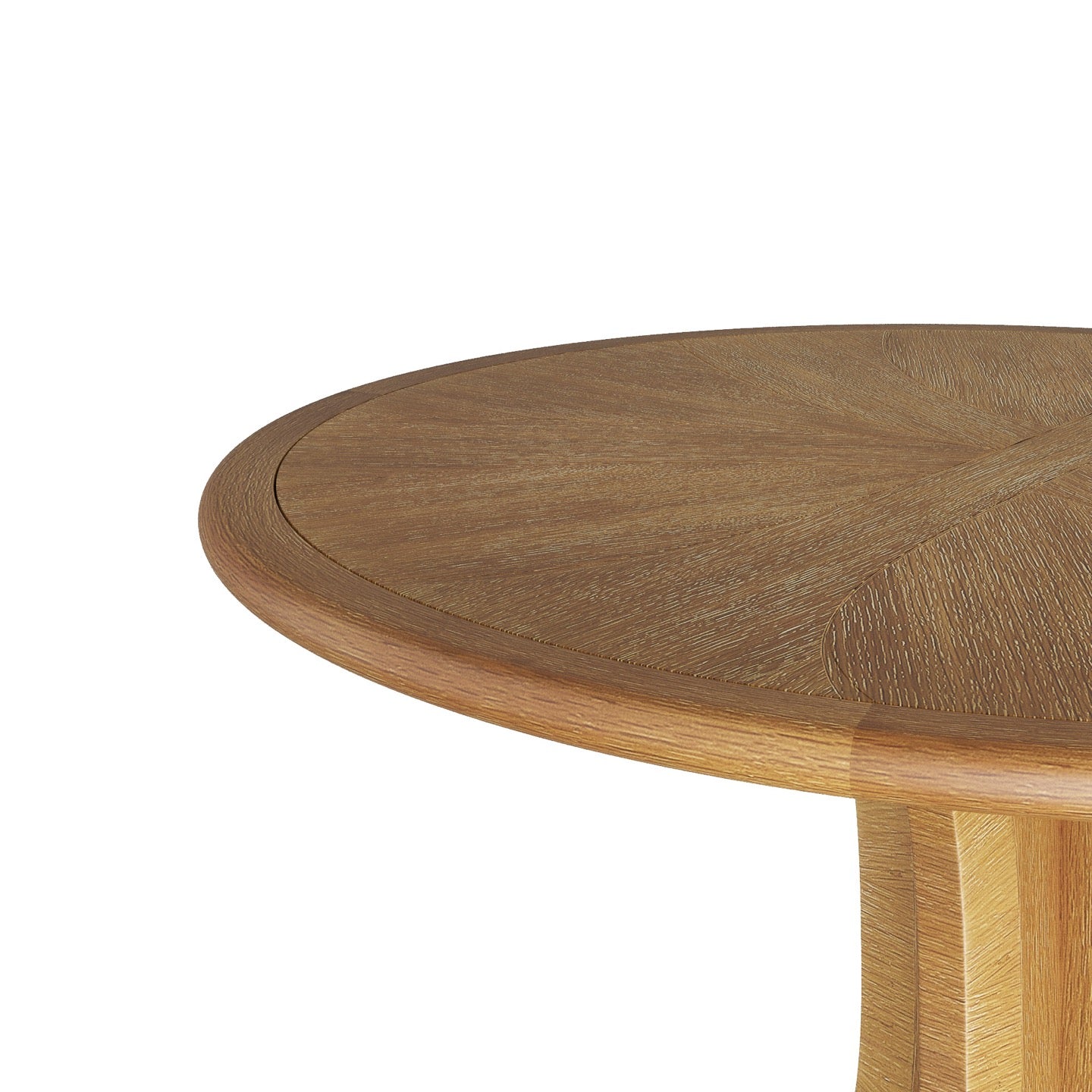
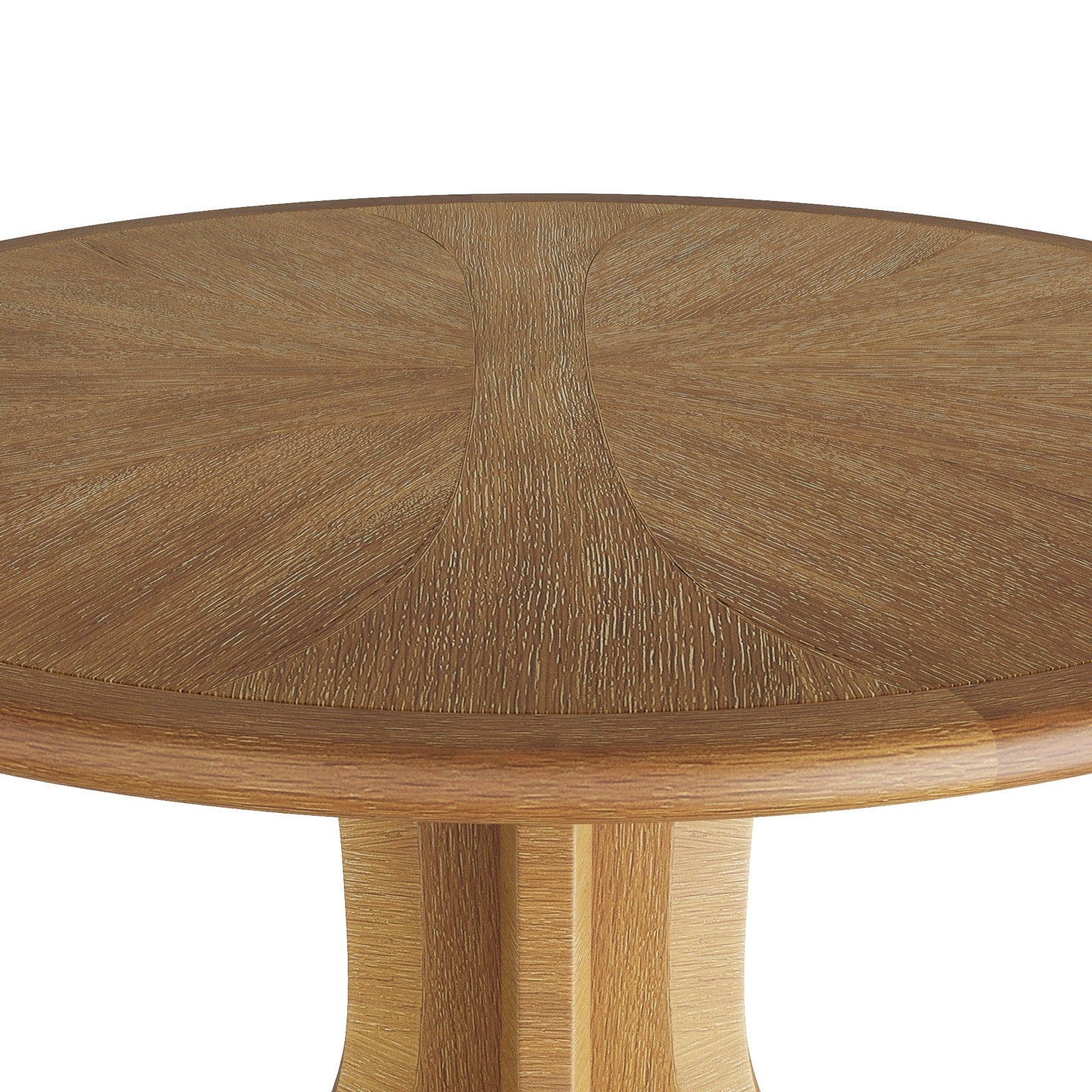
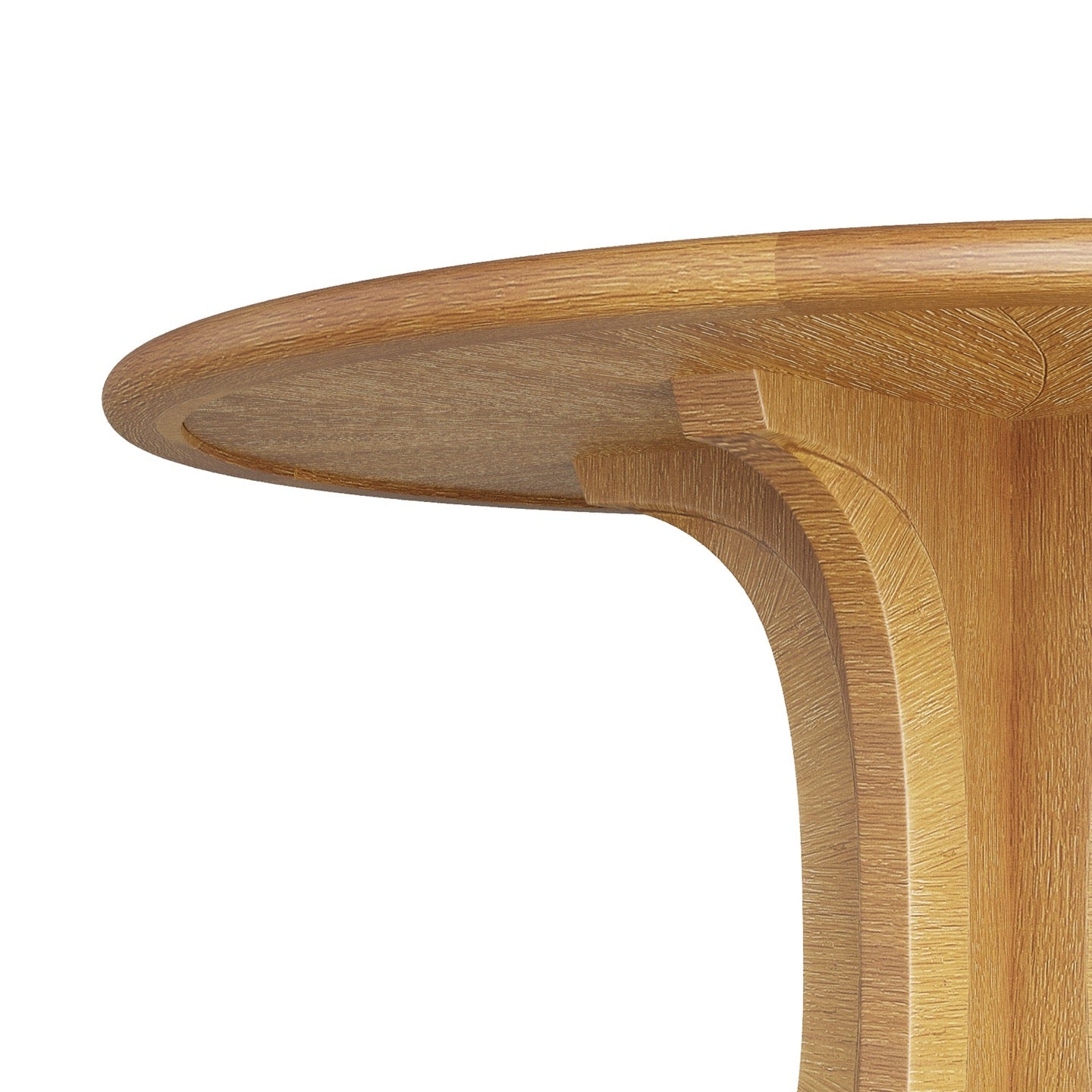
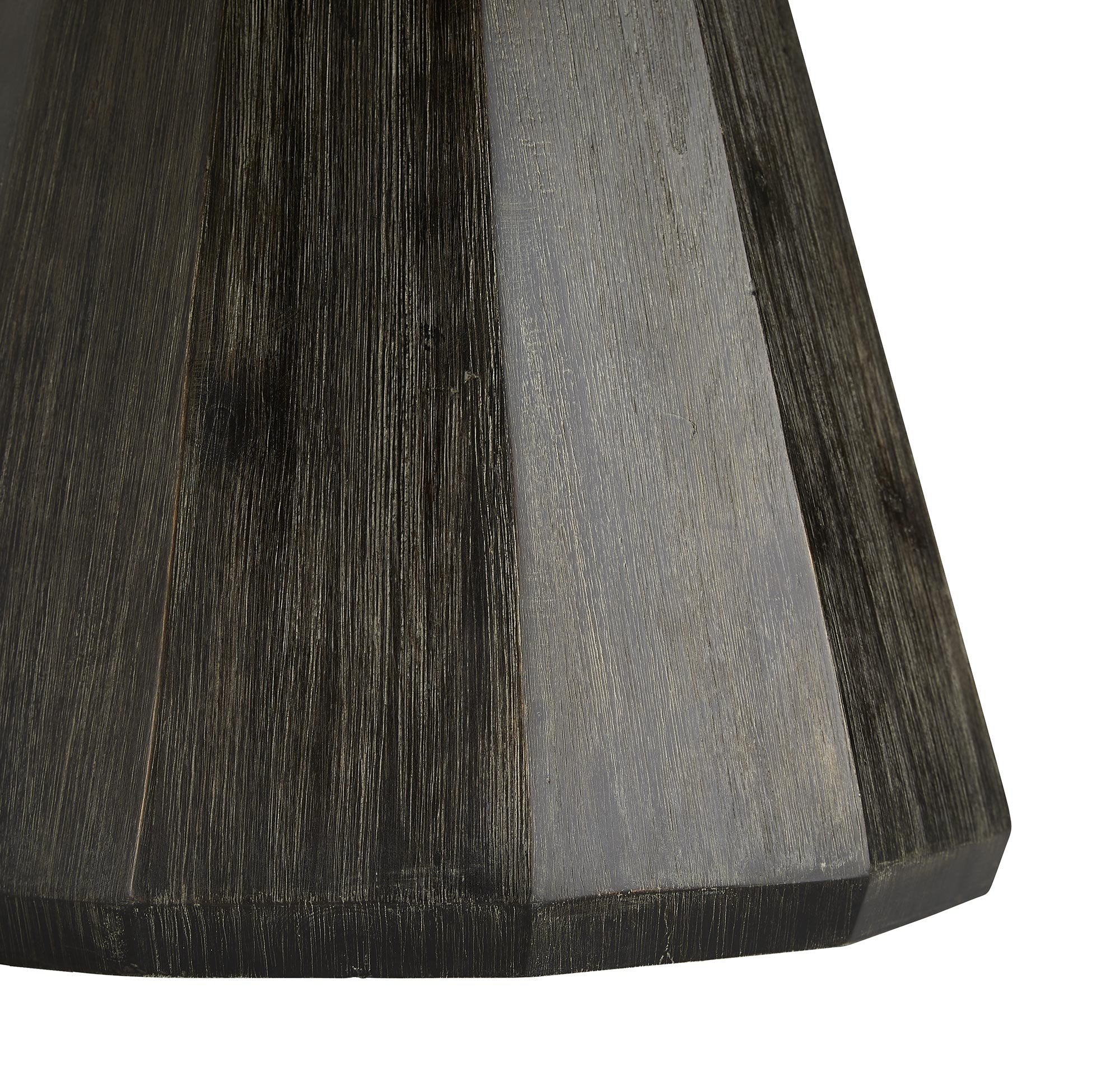
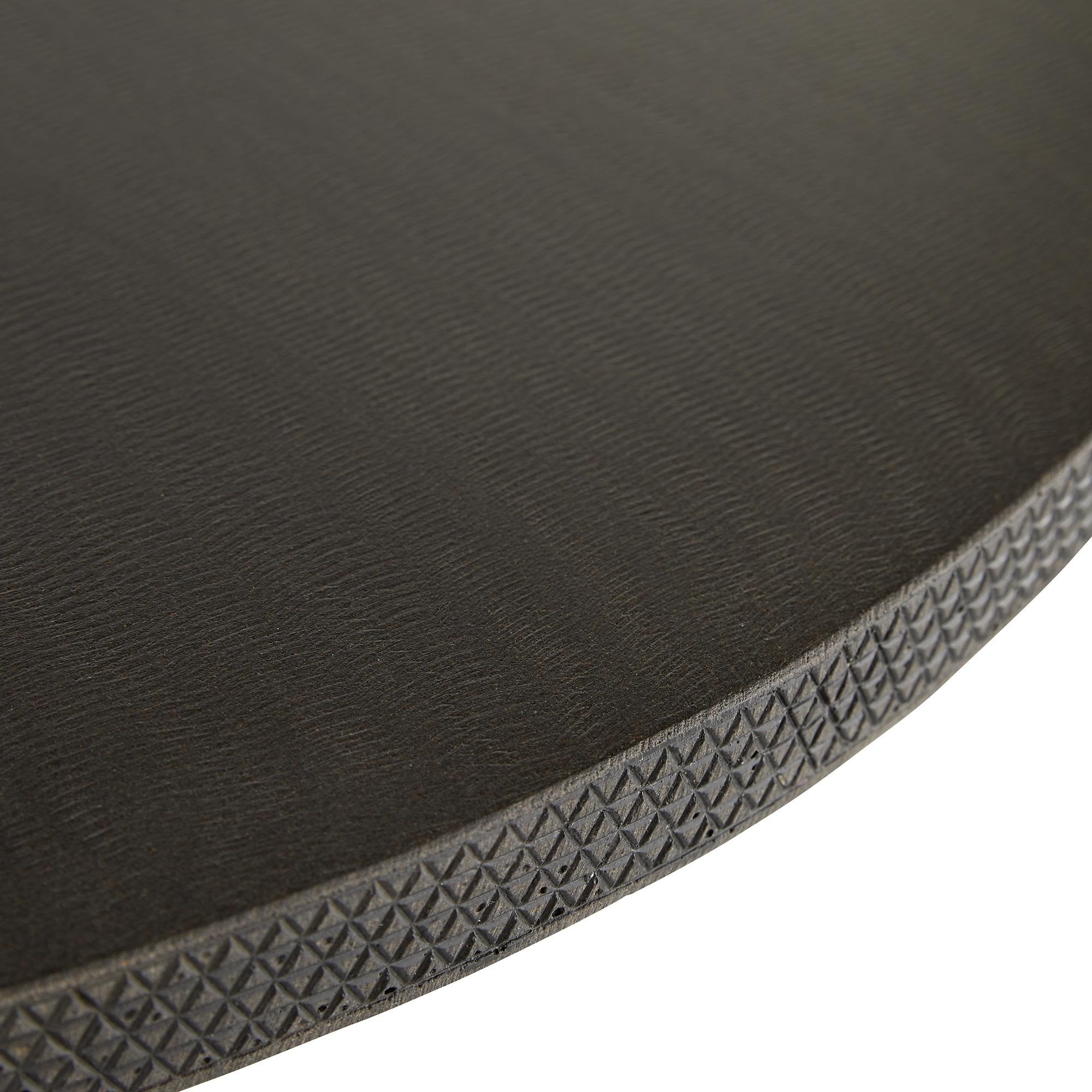
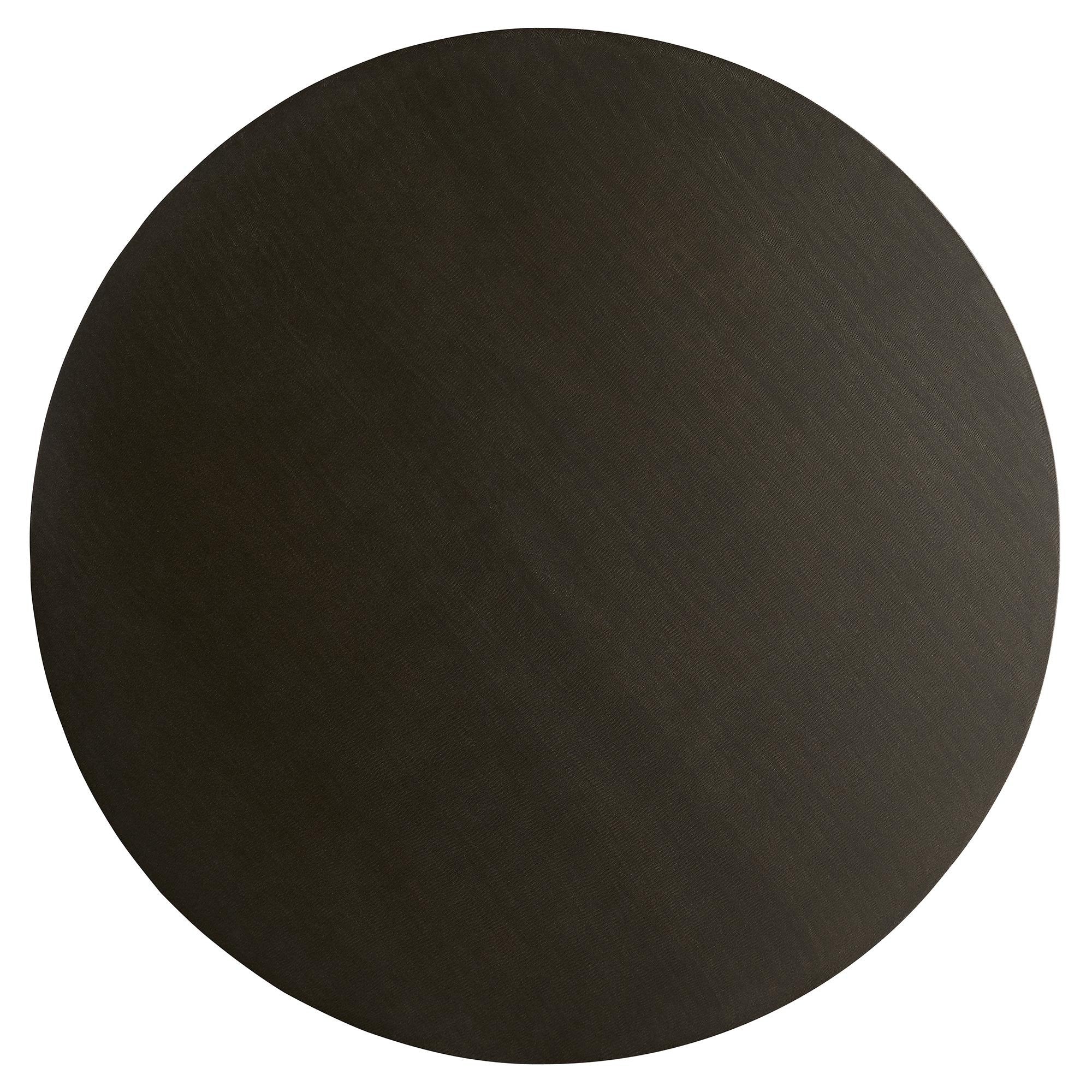
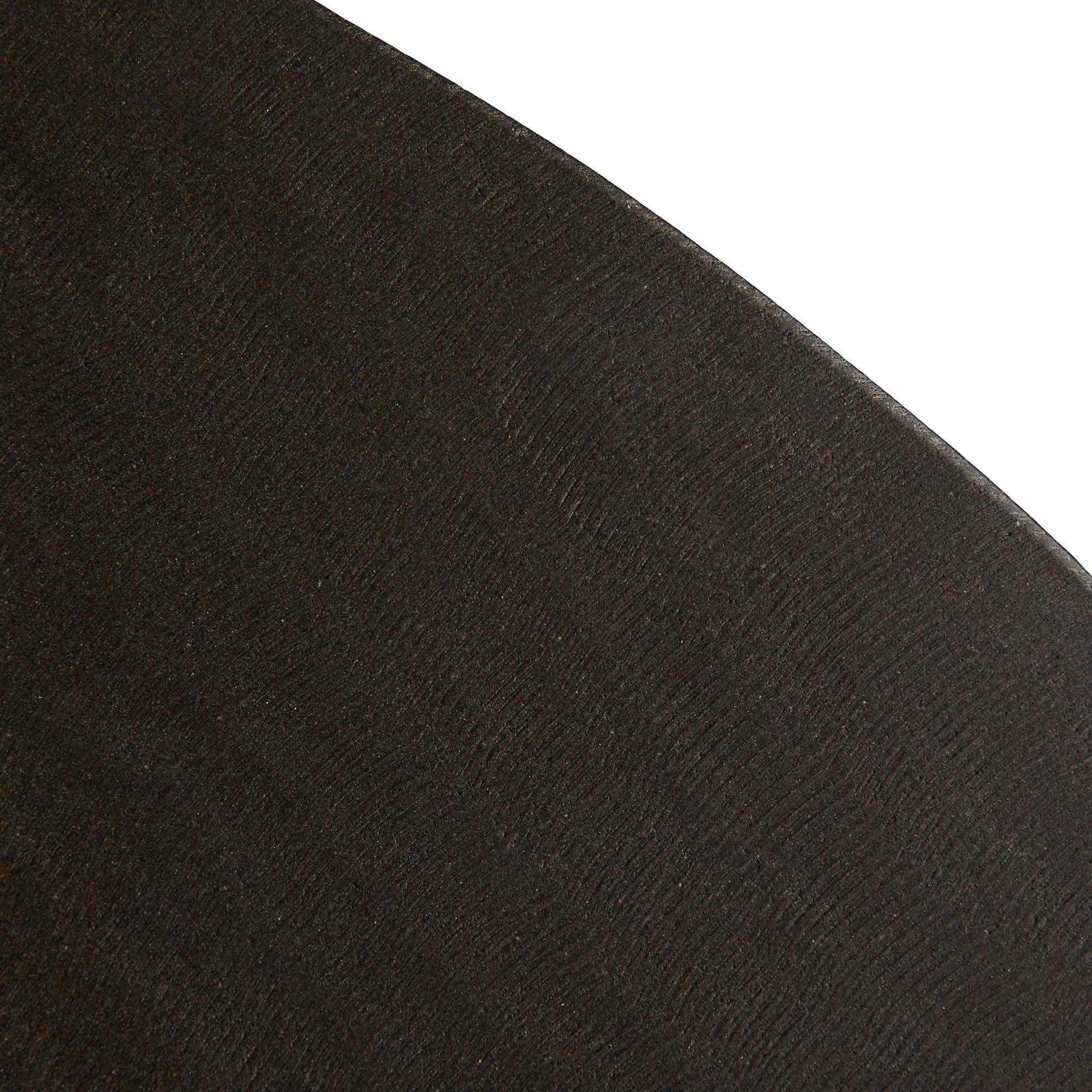
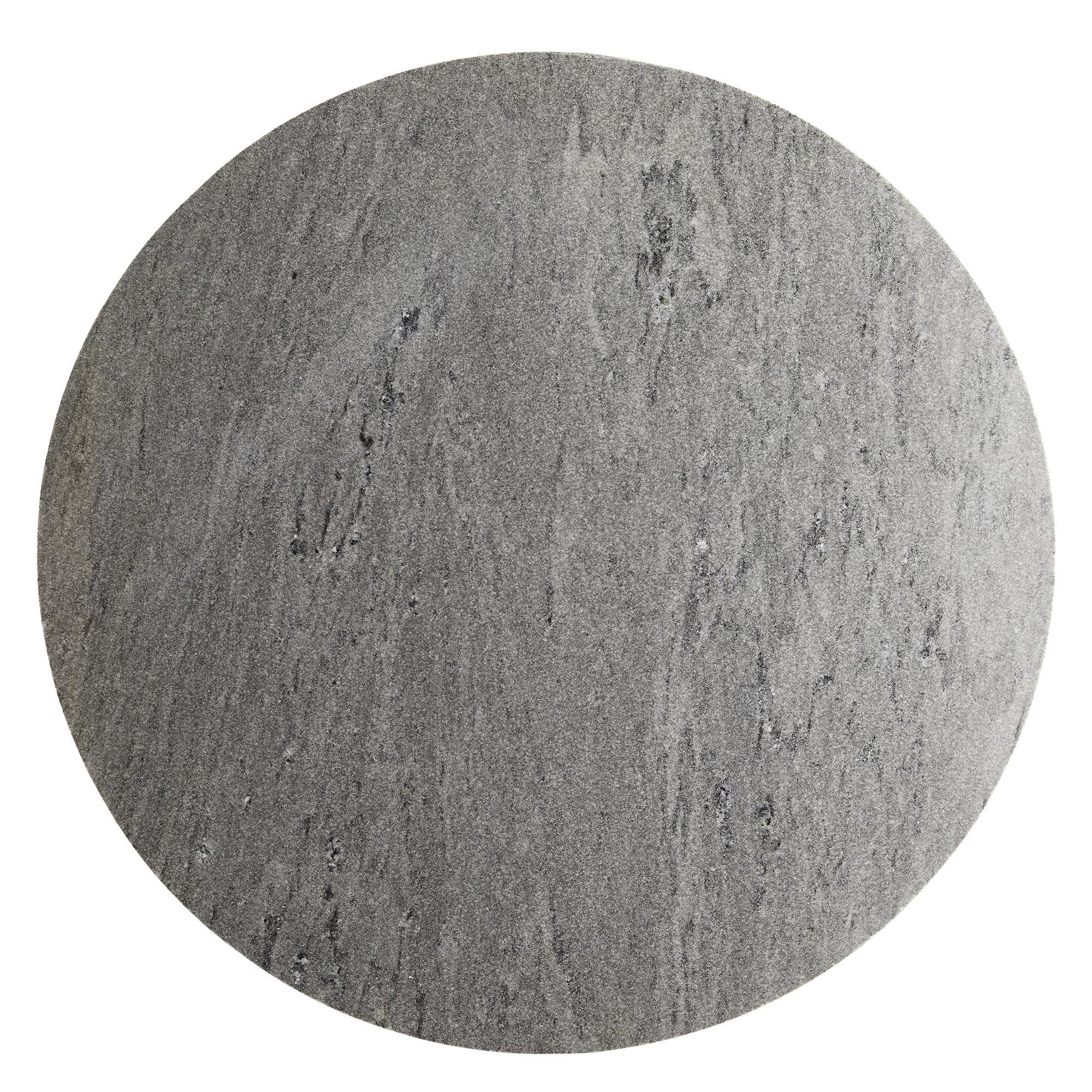
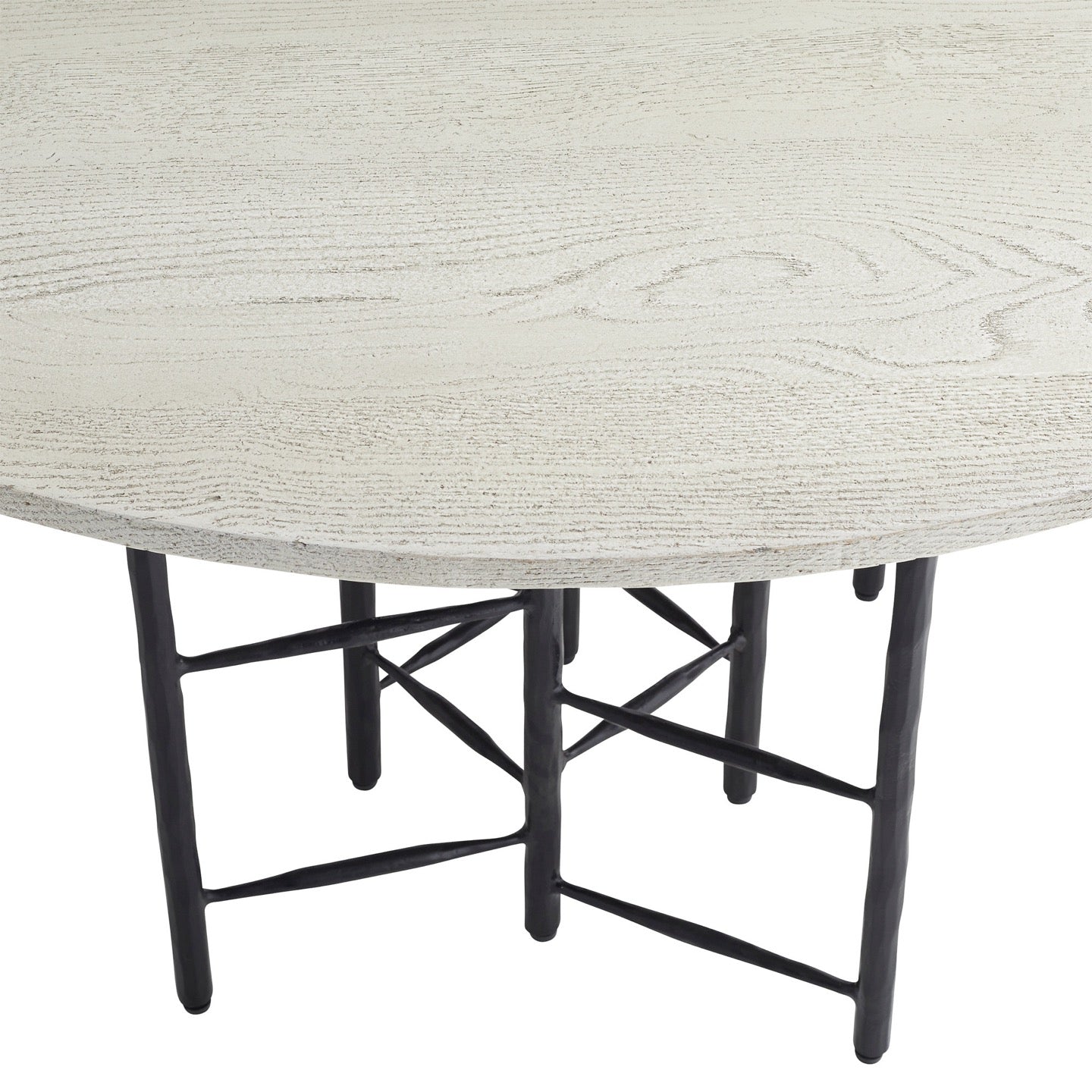
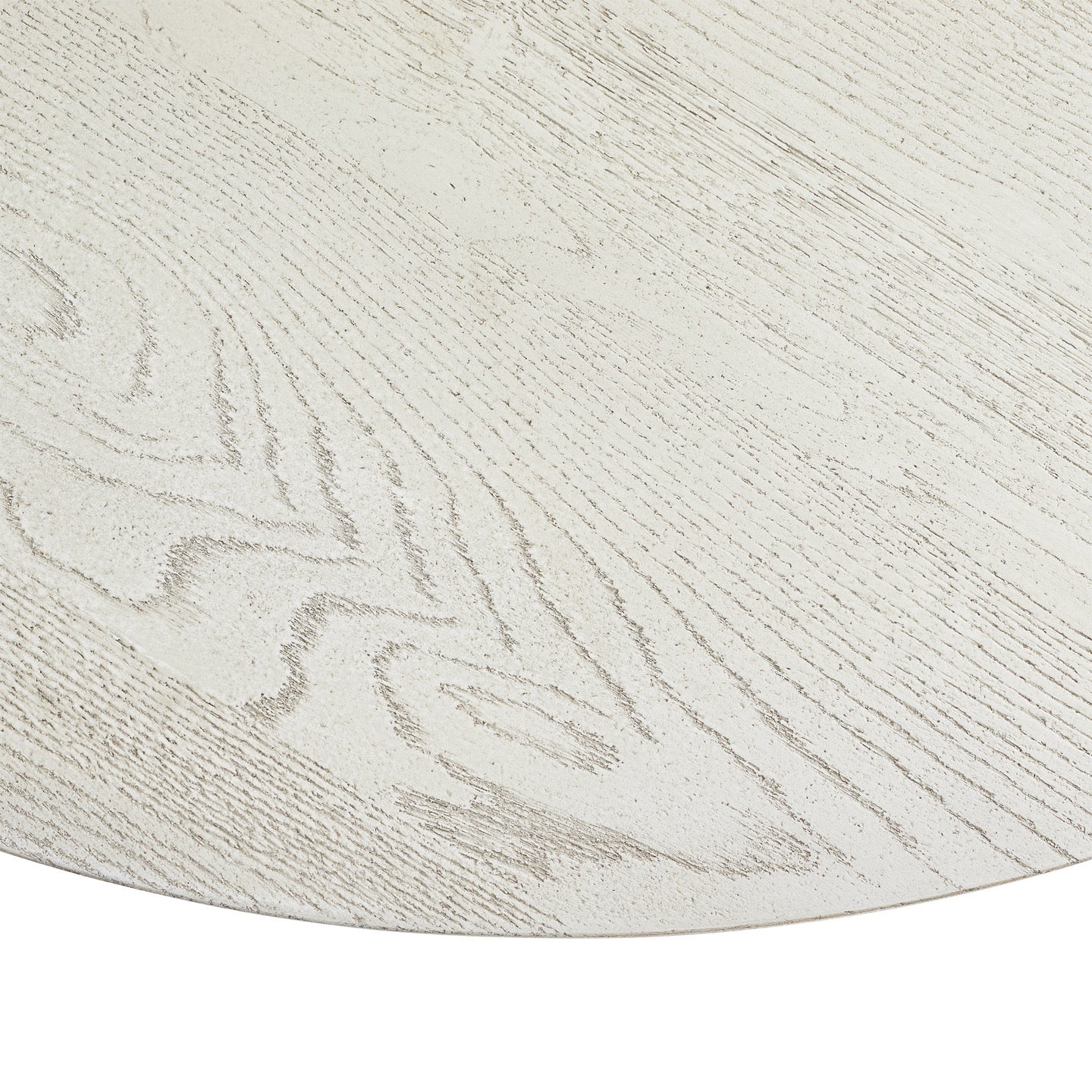
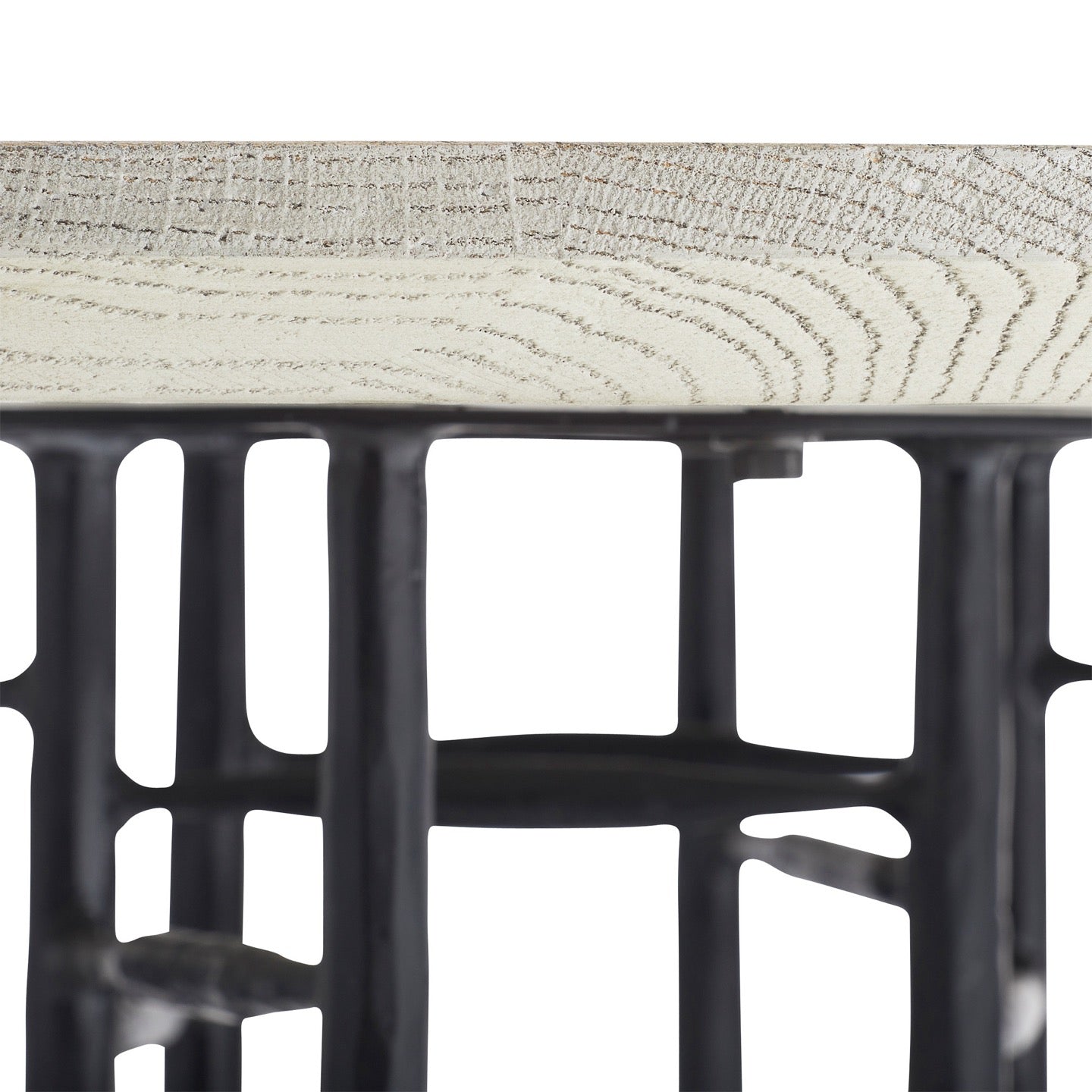
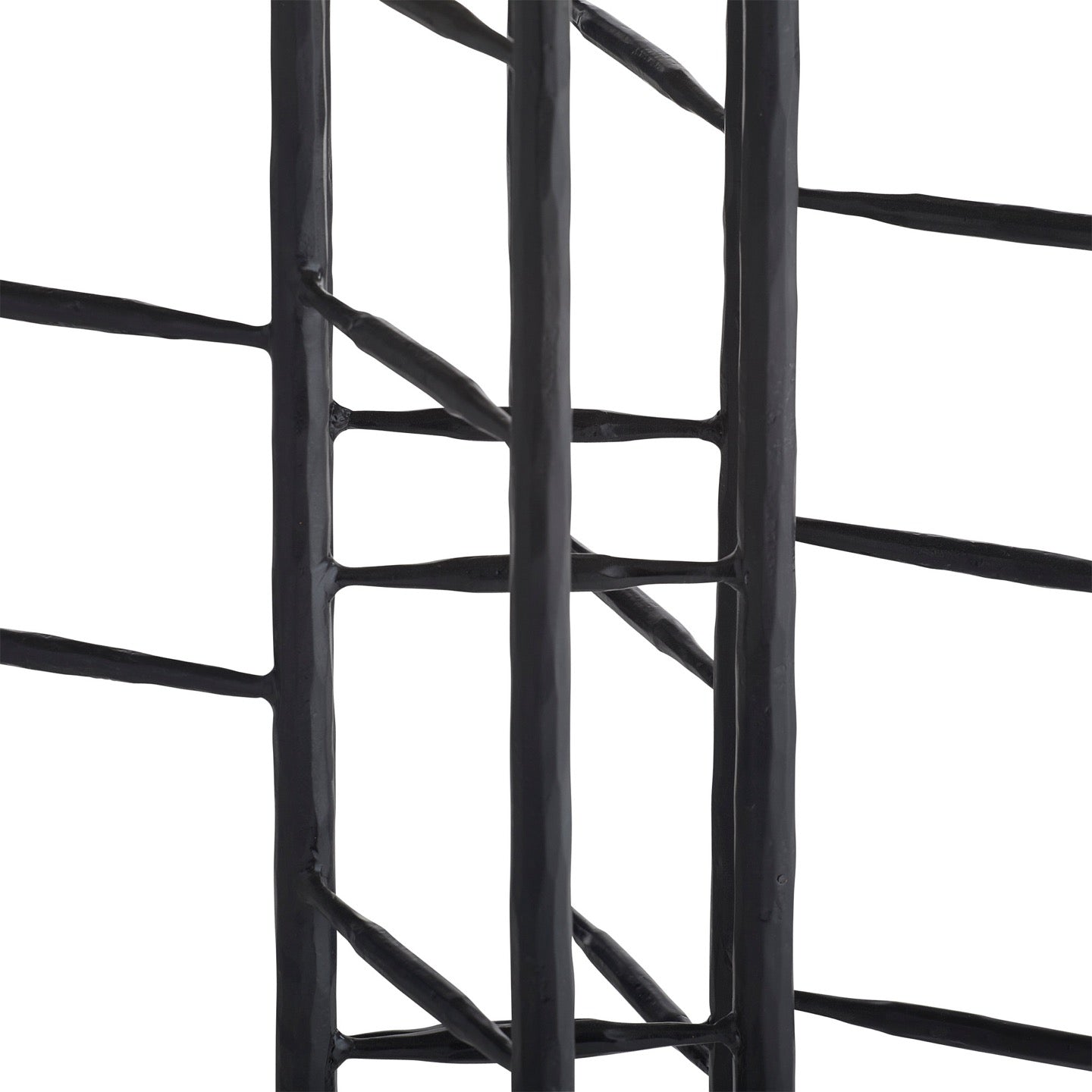
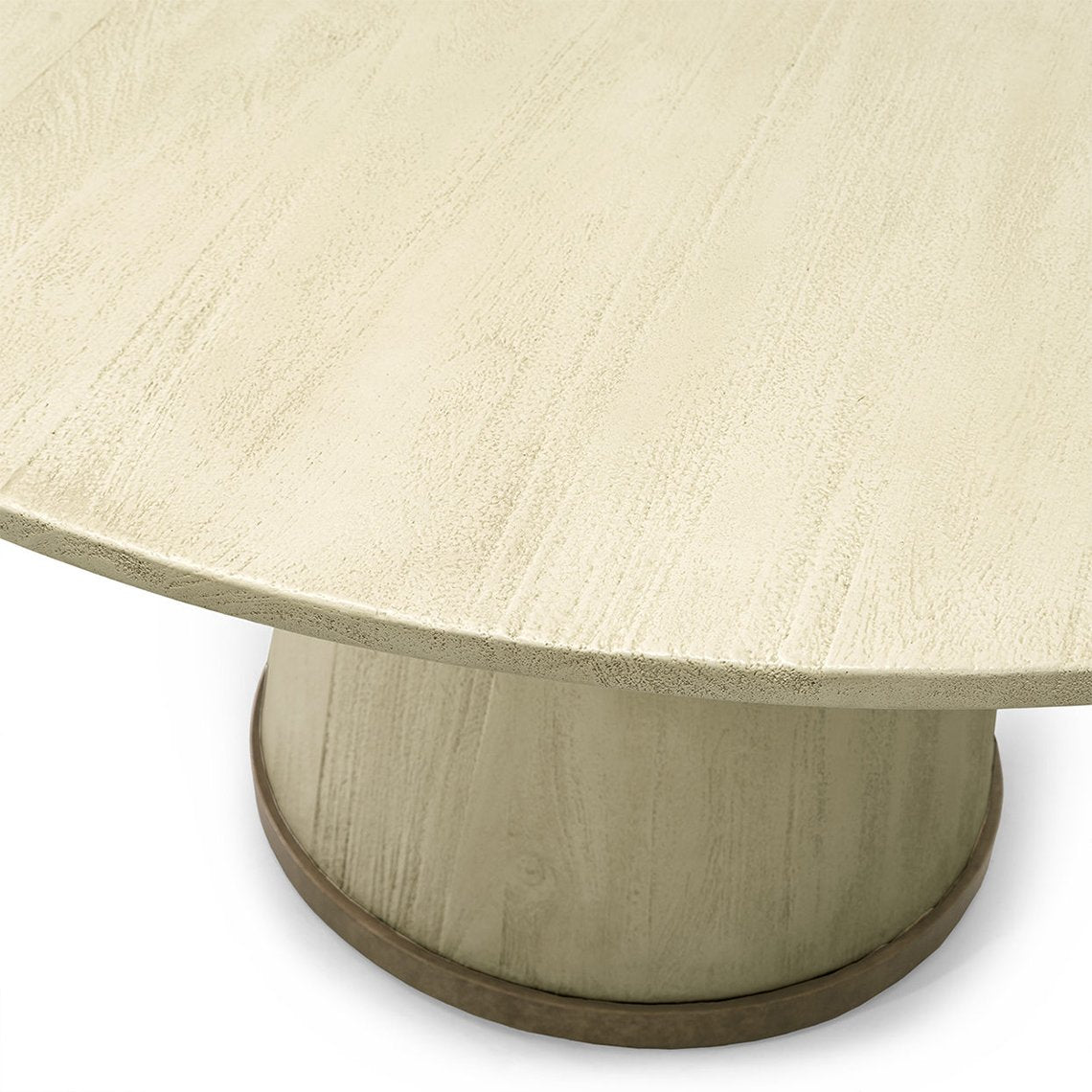
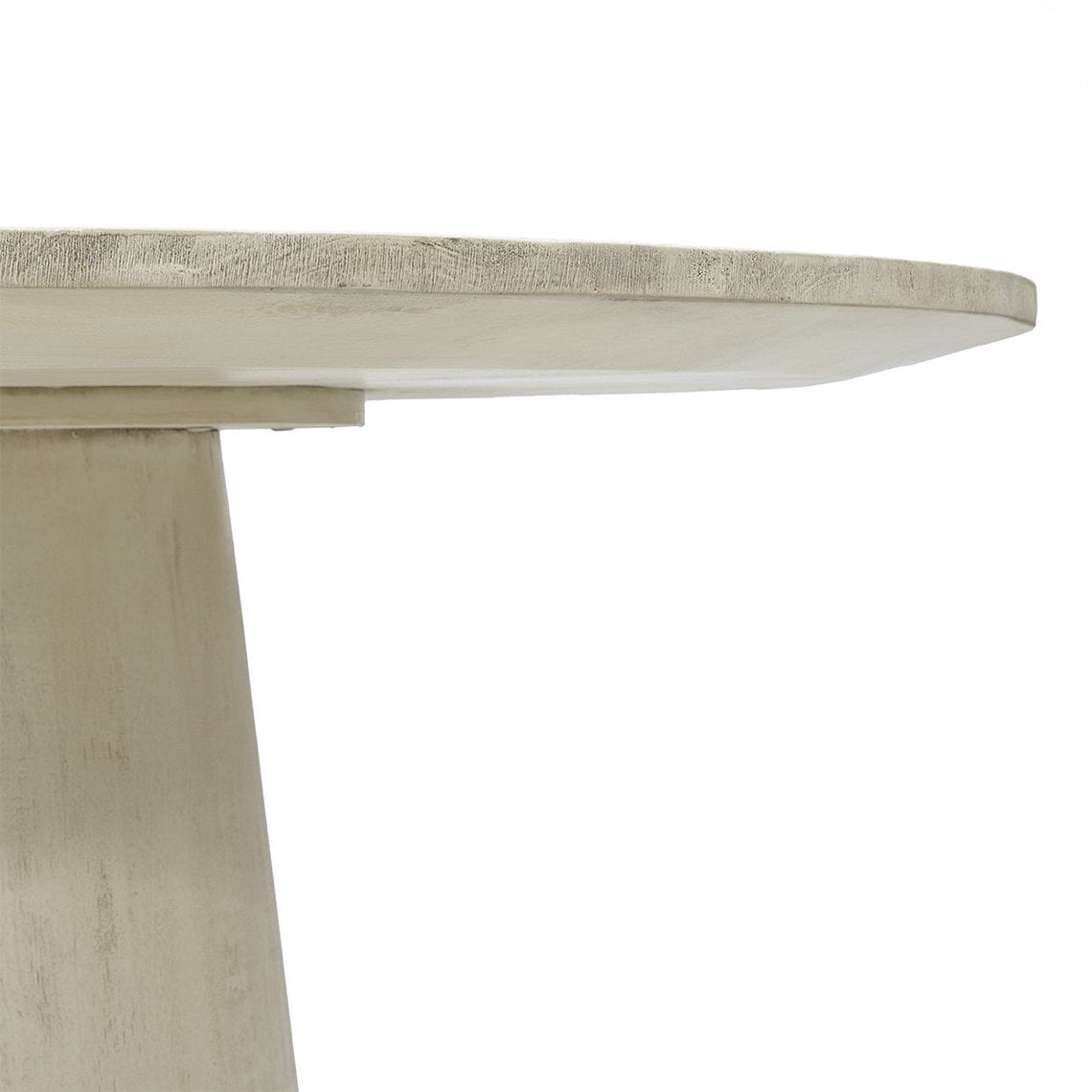
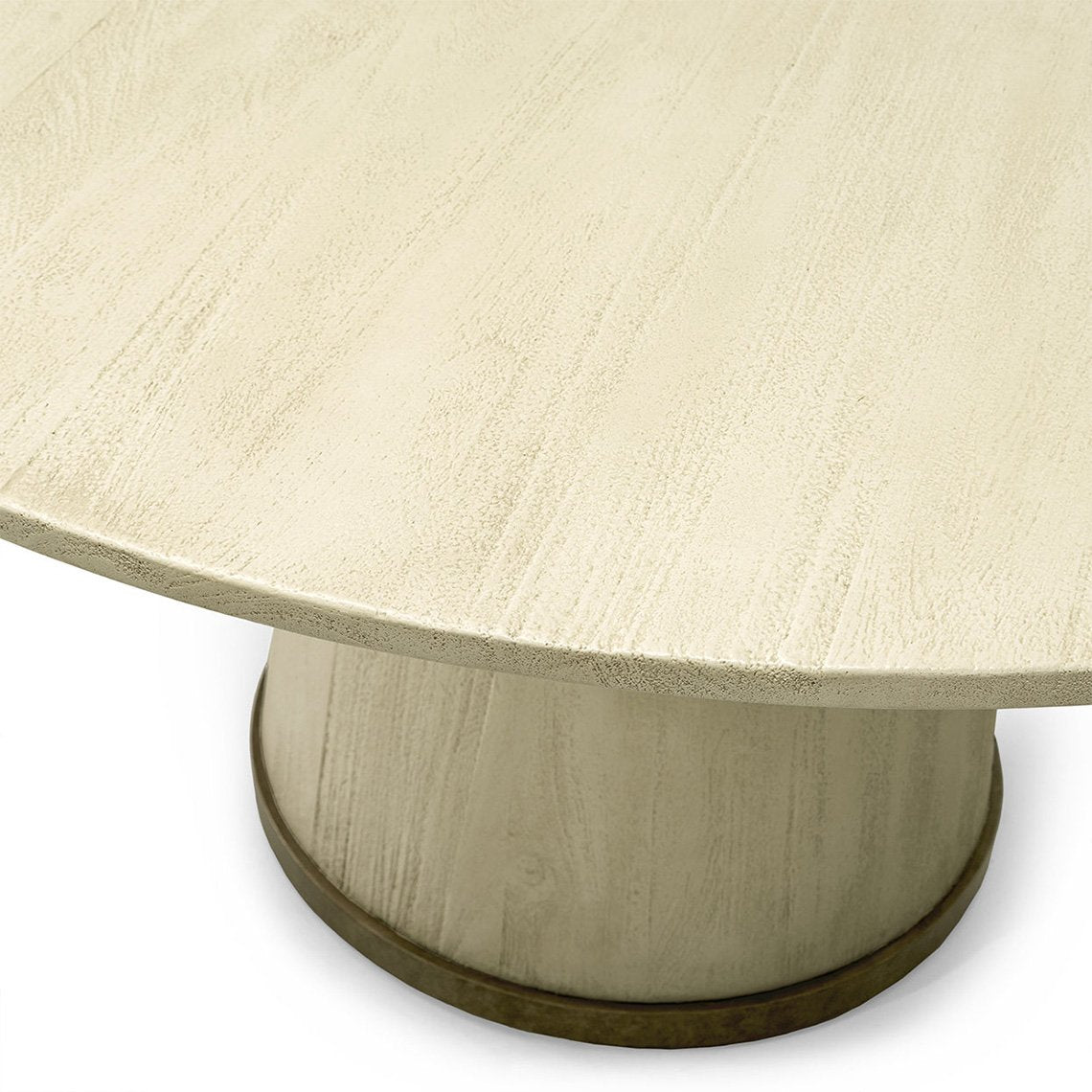
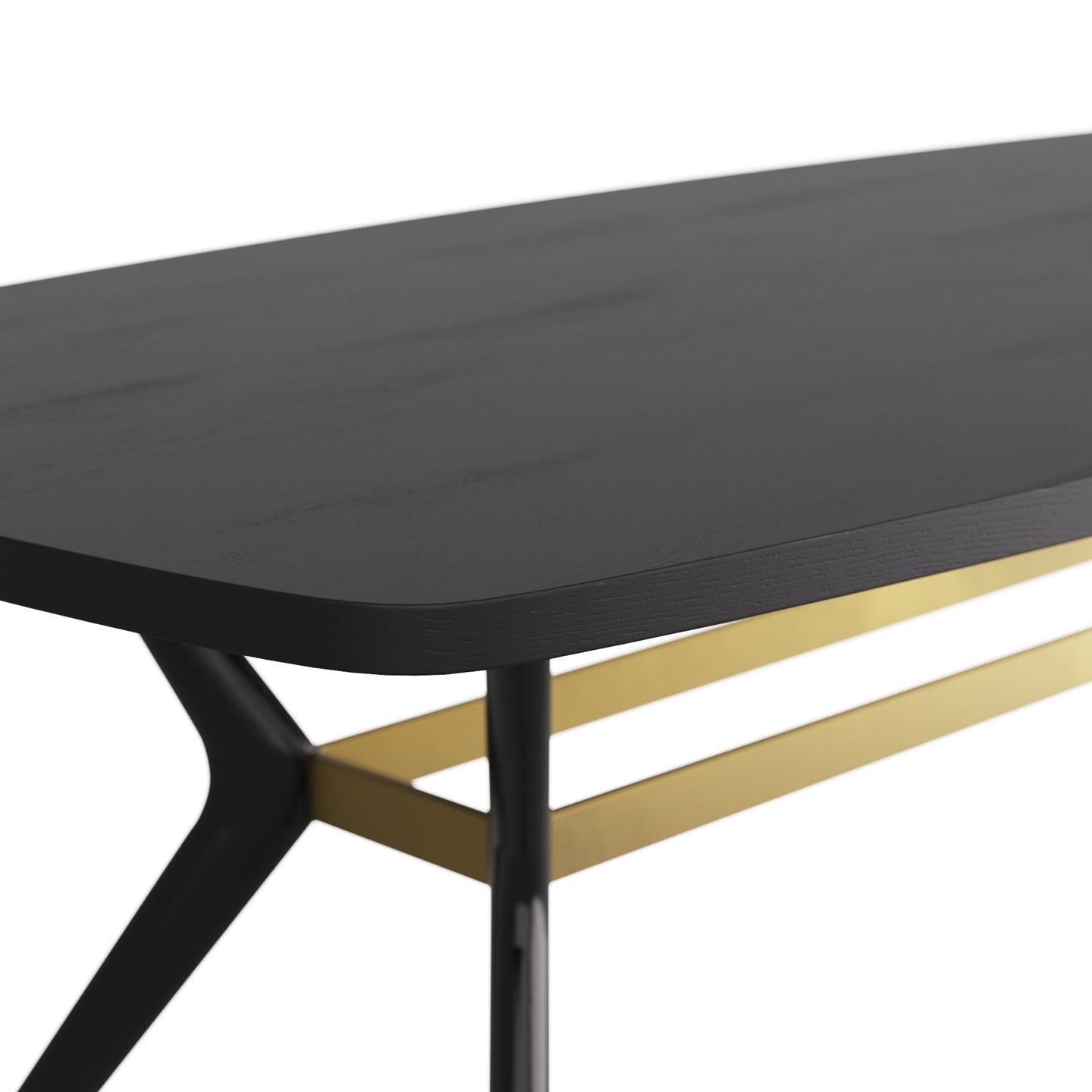
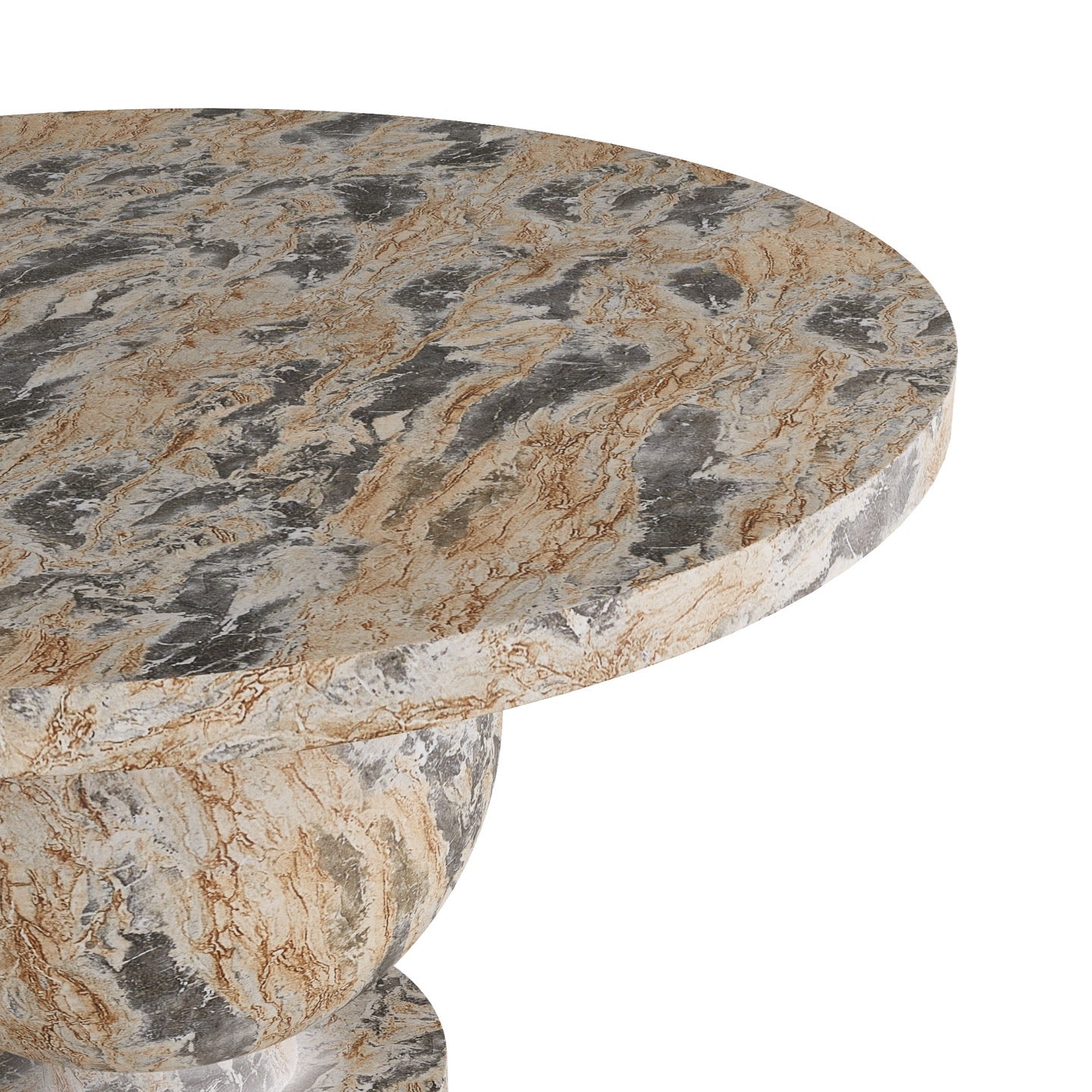
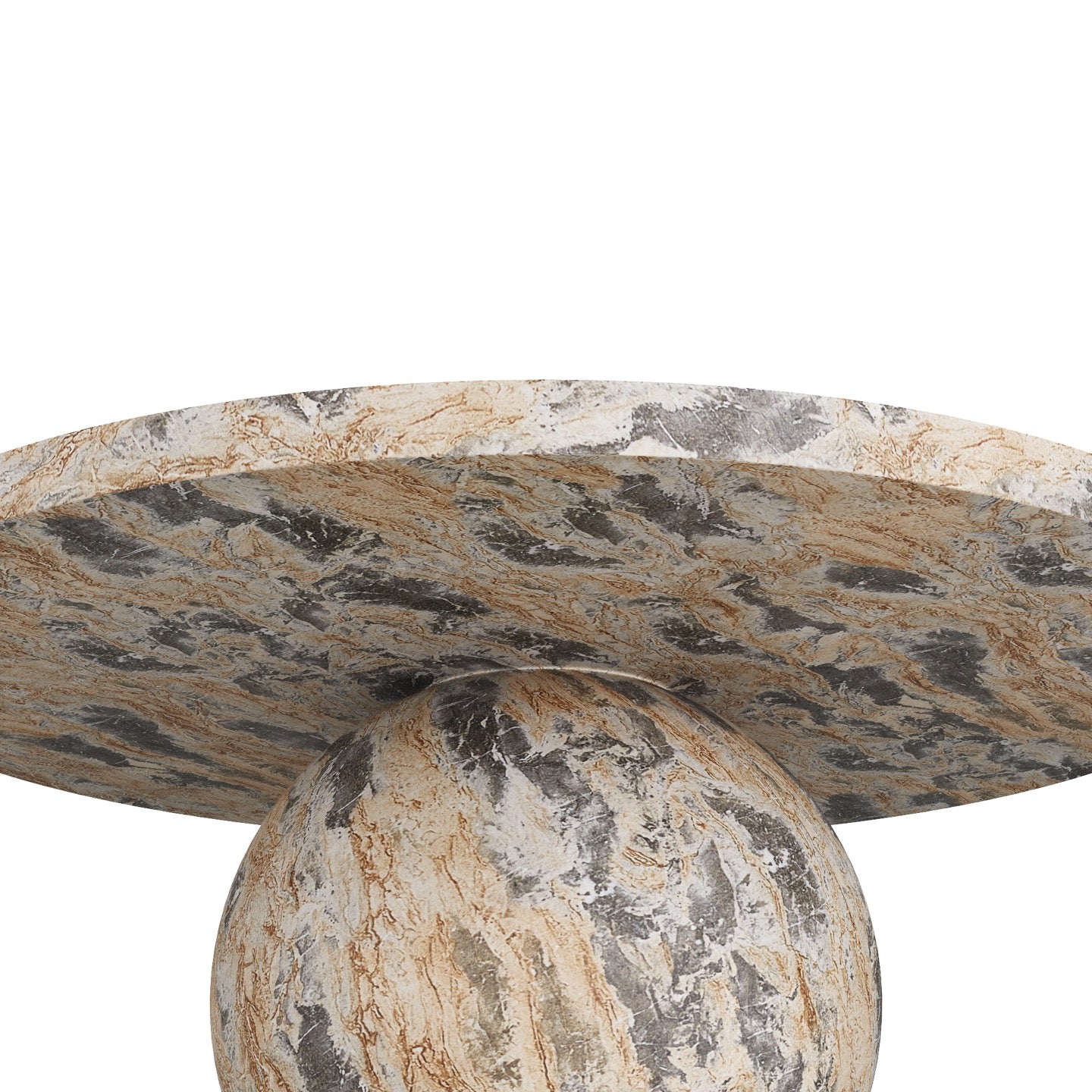
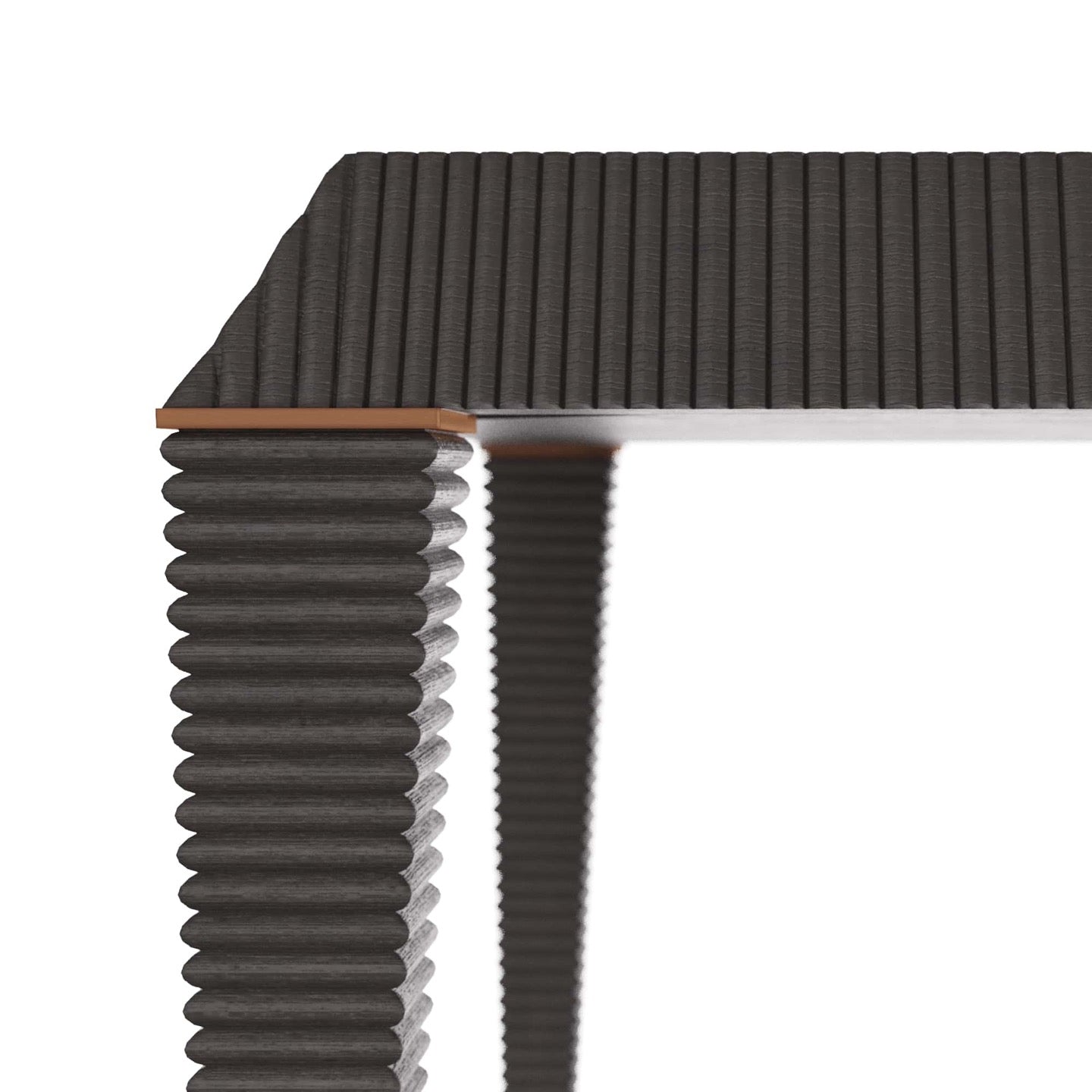
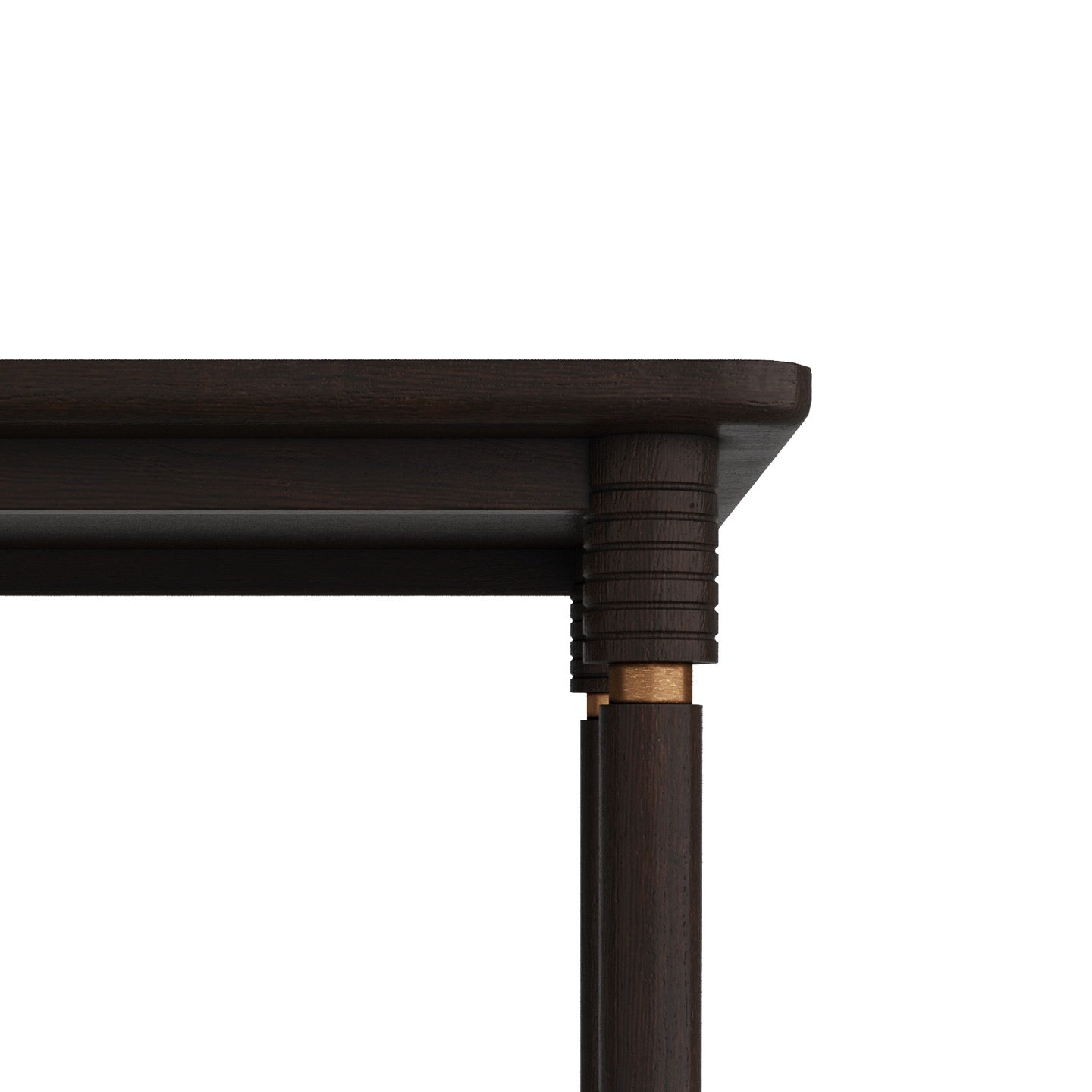
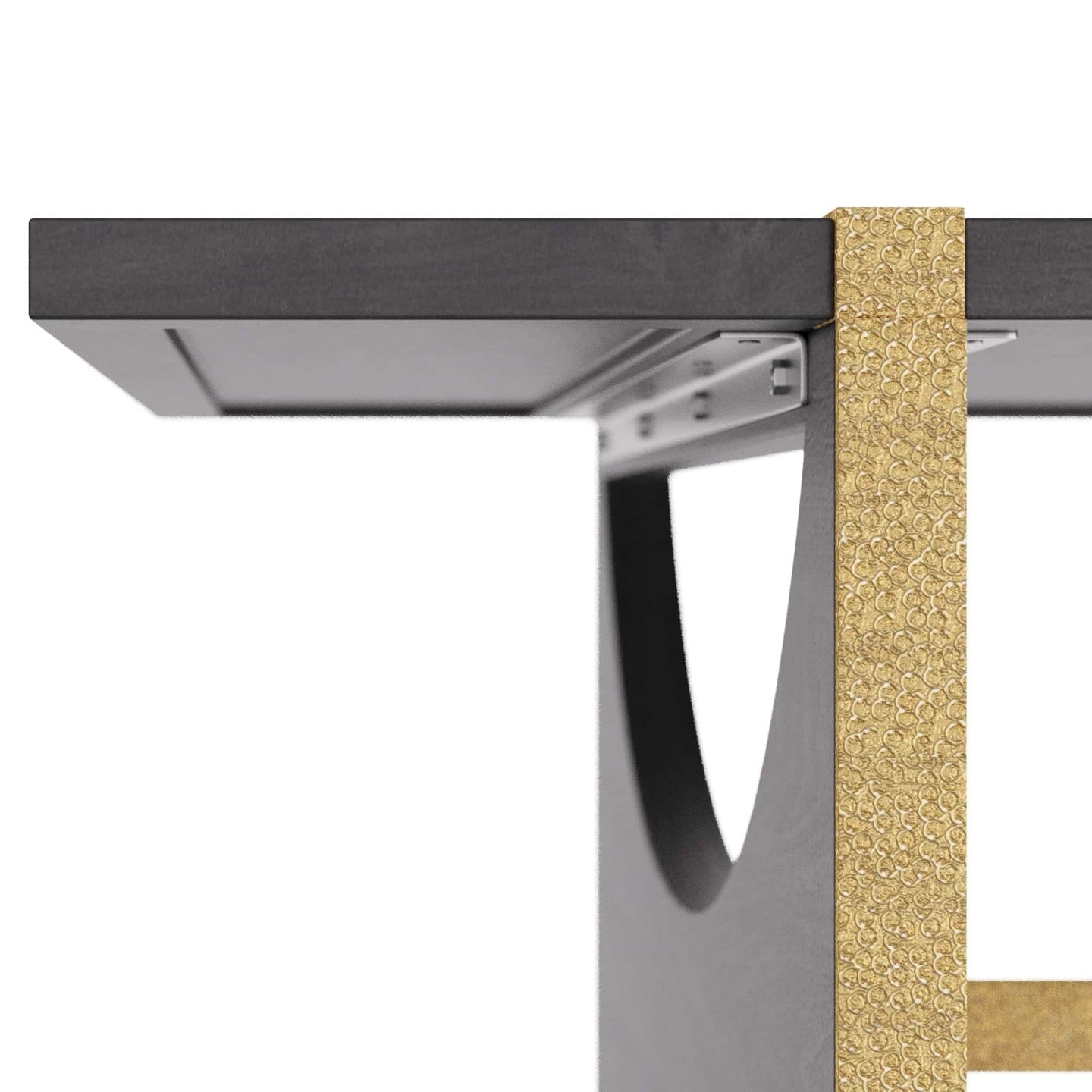
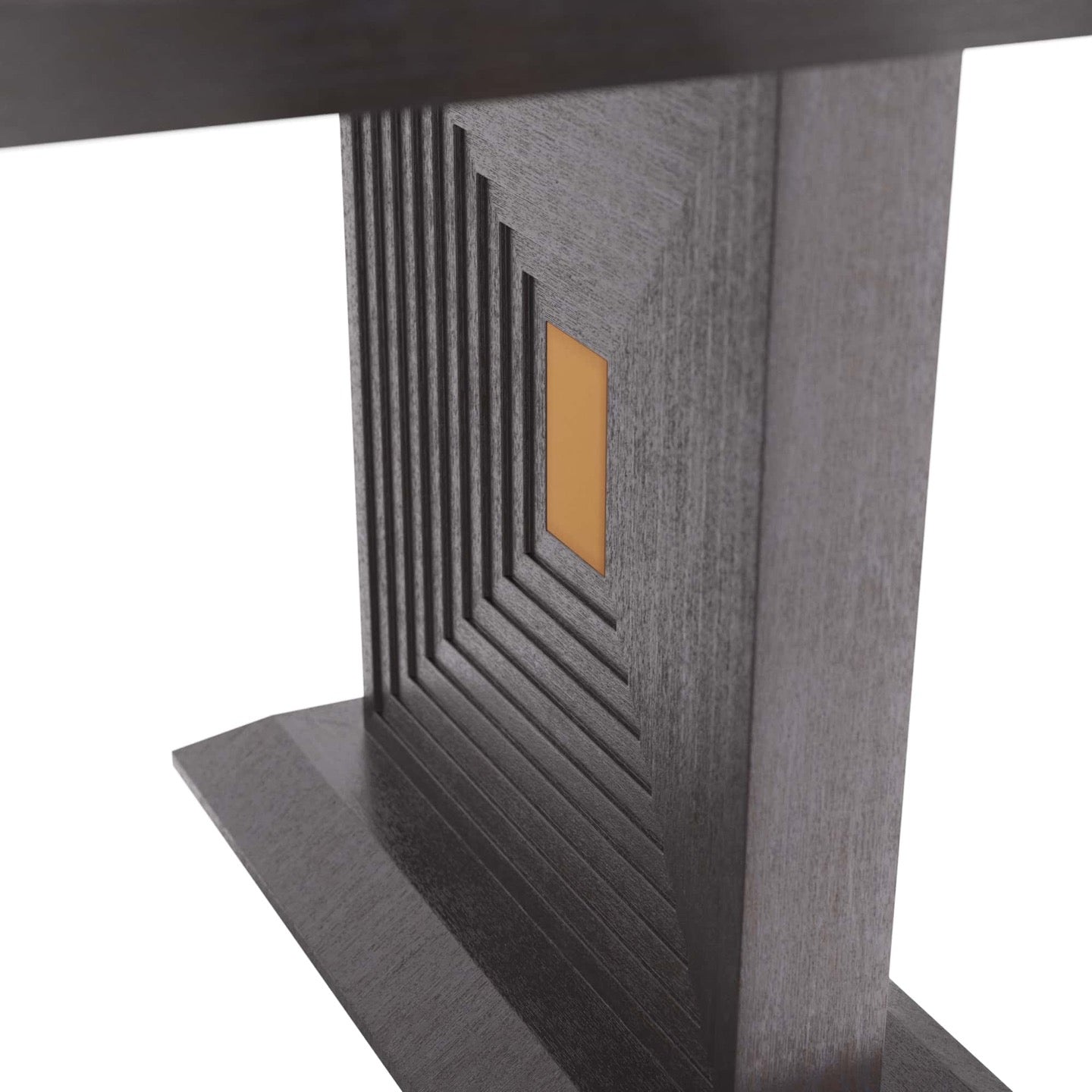
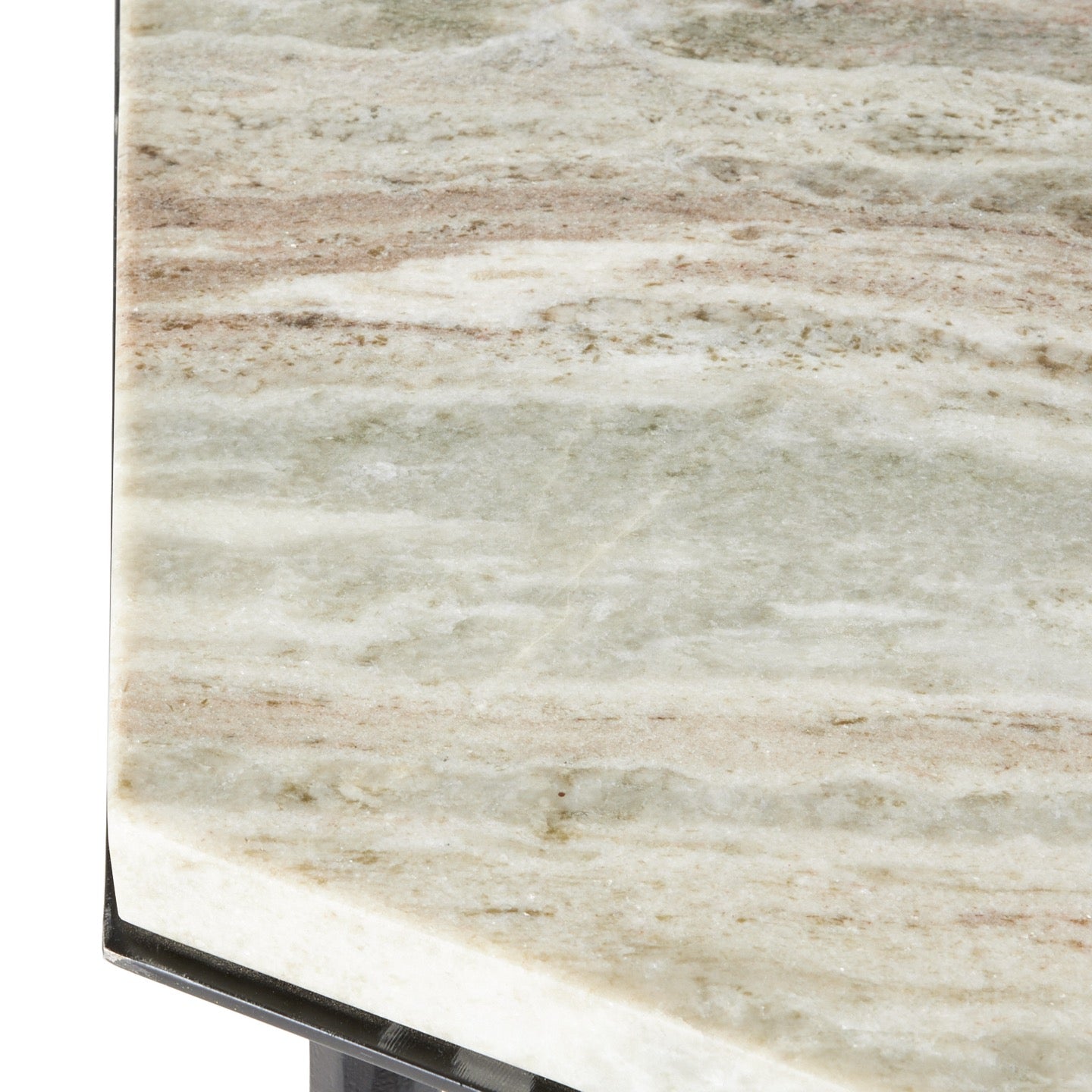
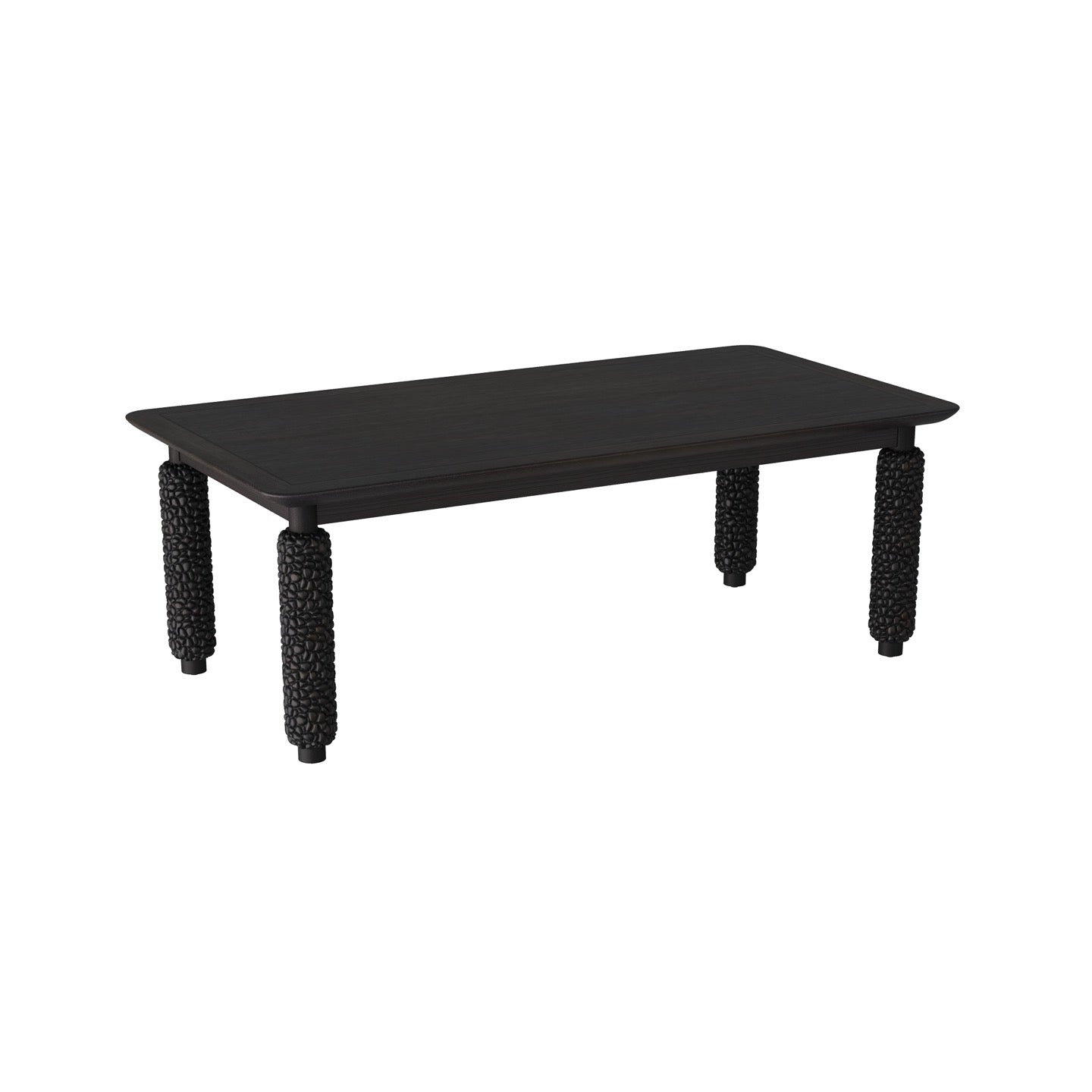
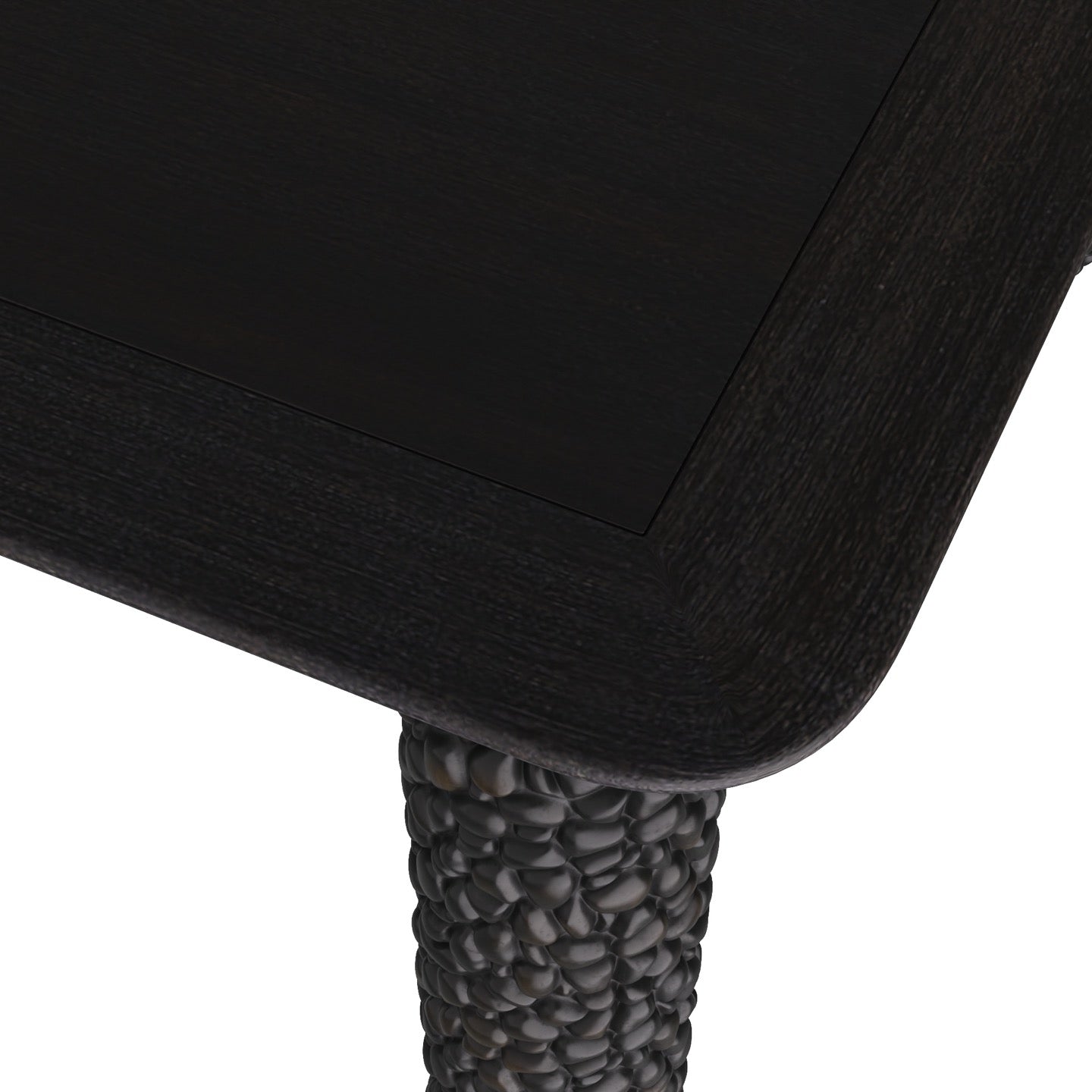
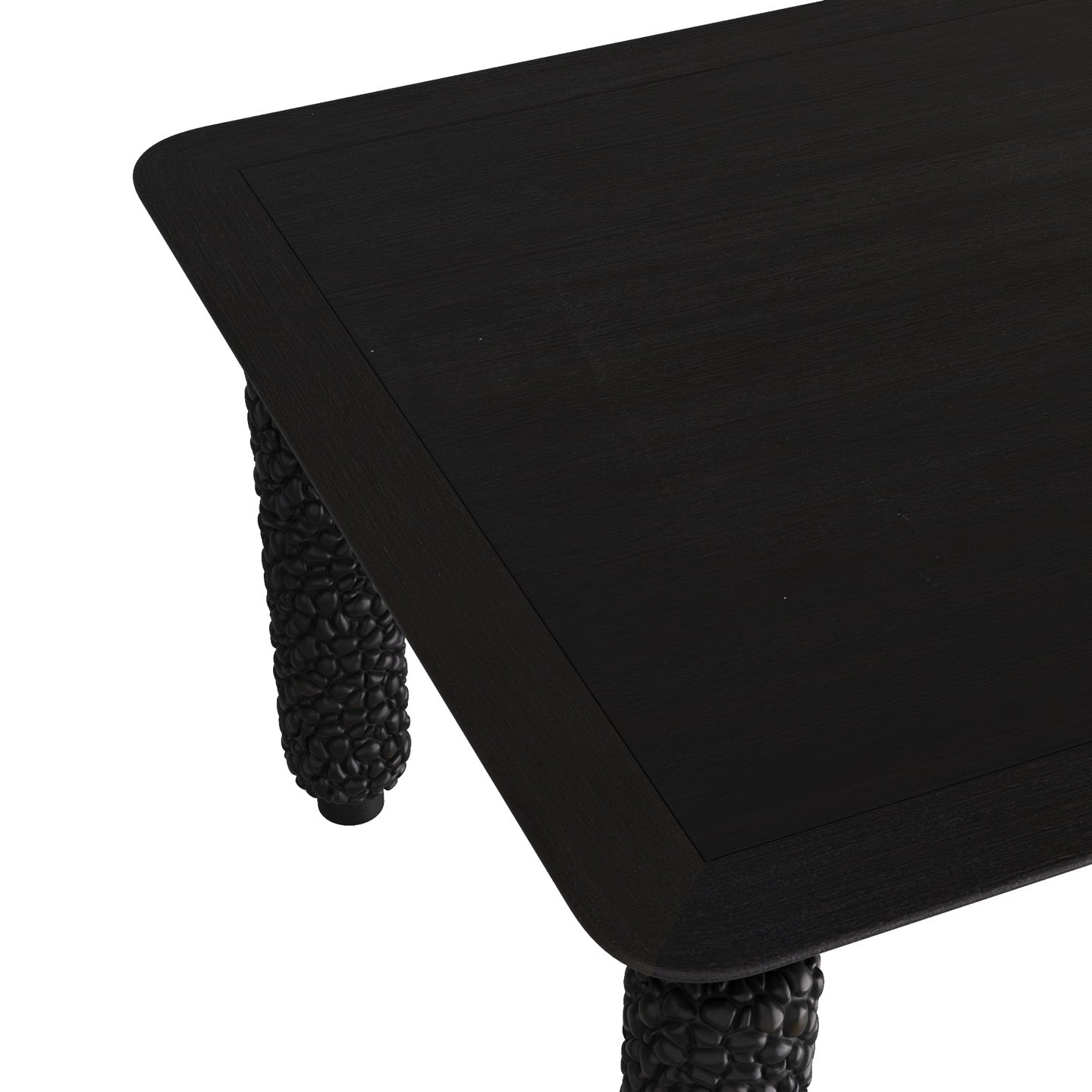
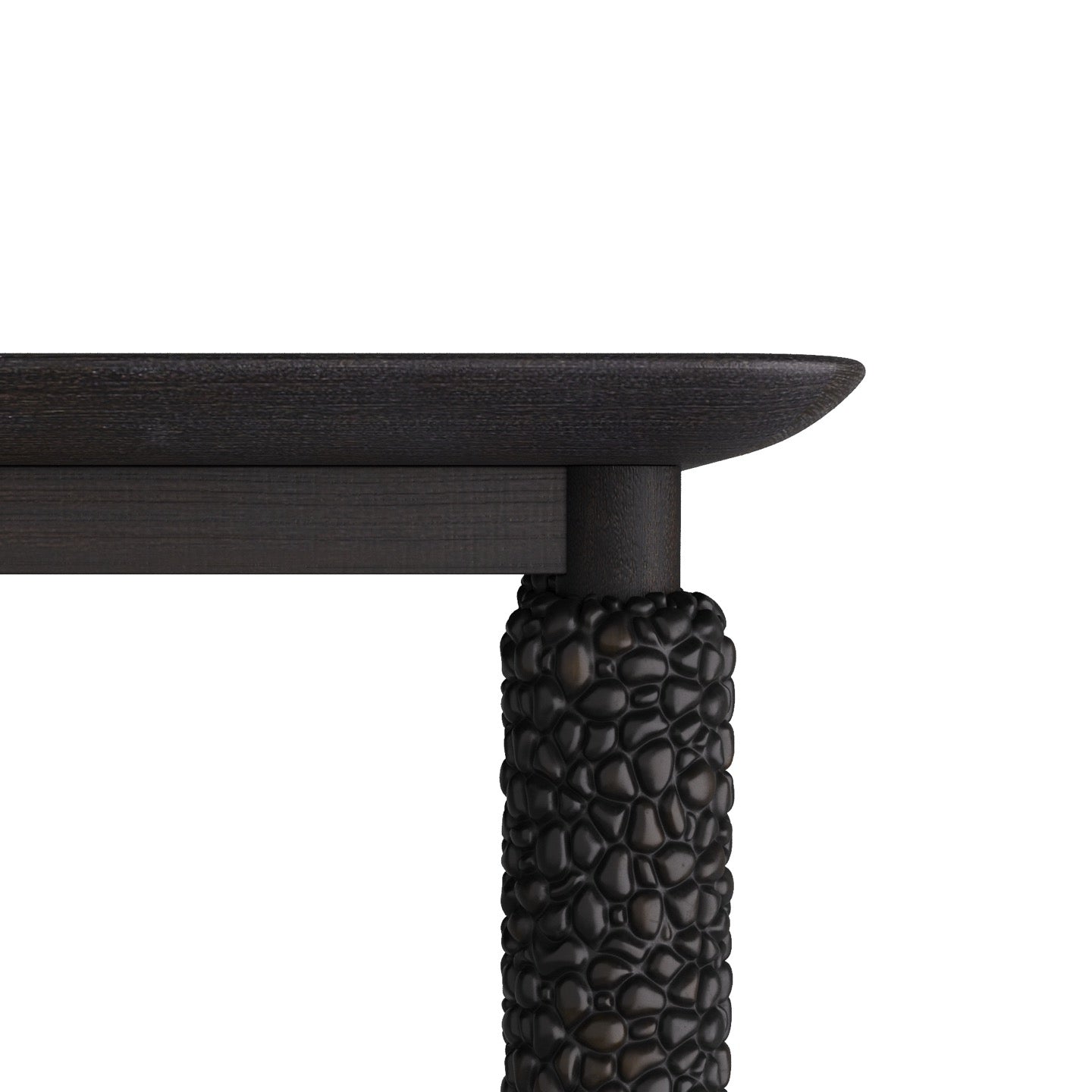
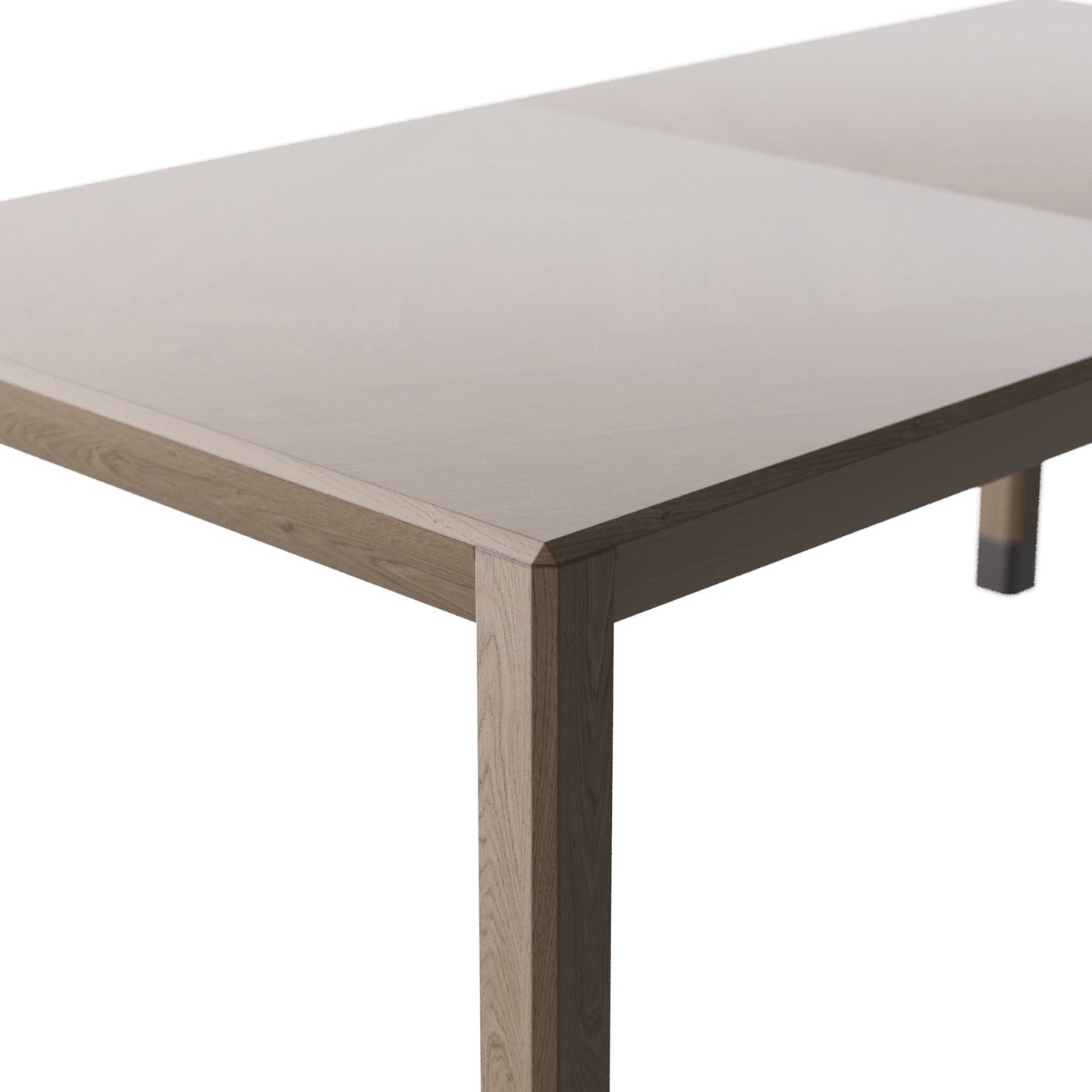
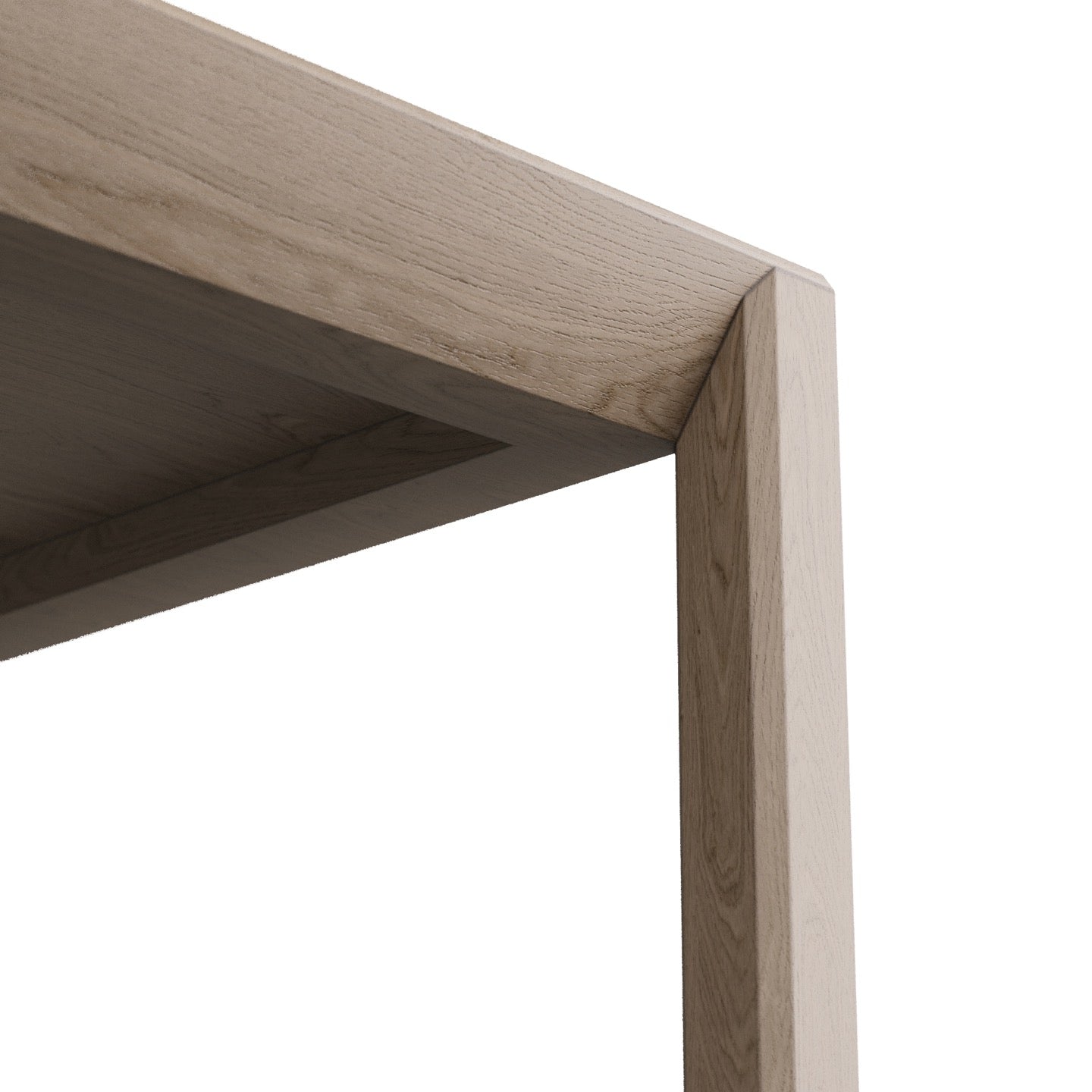
Materials include stone, oak, brass, teak and steel. Cast detailing adds further texture and individuality. Texture, finish and fabrication give the dining & entry tables collection depth and a distinctive sense of character.
Scale, placement and everyday use
For dining tables, allow space for each place setting, for chairs to pull out and for guests to move comfortably behind them. Round tables encourage conversation in square rooms, while rectangular and oval tables suit longer spaces. Entry tables should leave a clear route through the foyer.
Frequently asked questions
How much space should I allow around a dining table?
Allow enough room for chairs to pull out and for people to pass behind seated guests. Measure the complete table-and-chair footprint with the chairs in use, taking nearby doors and cabinetry into account.
Should an entry table be round or rectangular?
Round tables can soften a central foyer and make it easier to move around, while rectangular or oval forms often suit walls, long halls and more directional spaces.